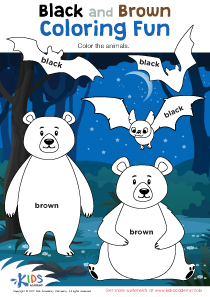
Word Recognition English for Beginners Worksheets for 5-Year-Olds
4 filtered results
-
From - To
Introduce your little learners to the exciting world of English with our Word Recognition Worksheets designed specifically for 5-year-olds! These engaging, colorful worksheets are perfect for beginners, helping young children develop essential reading skills through fun activities. Each worksheet incorporates age-appropriate vocabulary and interactive exercises that make learning enjoyable and effective. As kids practice identifying and recognizing words, they build a strong foundation for future literacy. Ideal for classrooms or at-home learning, these worksheets encourage independent learning and boost confidence. Start your child’s journey to becoming a confident reader today with our comprehensive collection of Word Recognition Worksheets!
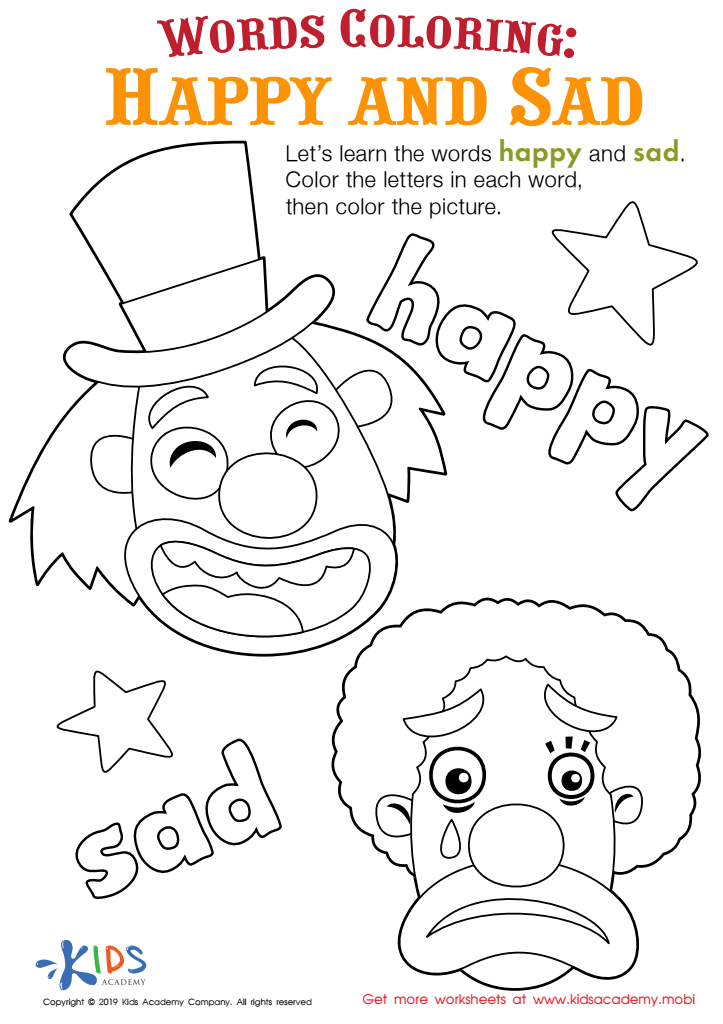
Happy and Sad Words Coloring Worksheet
 Assign to My Students
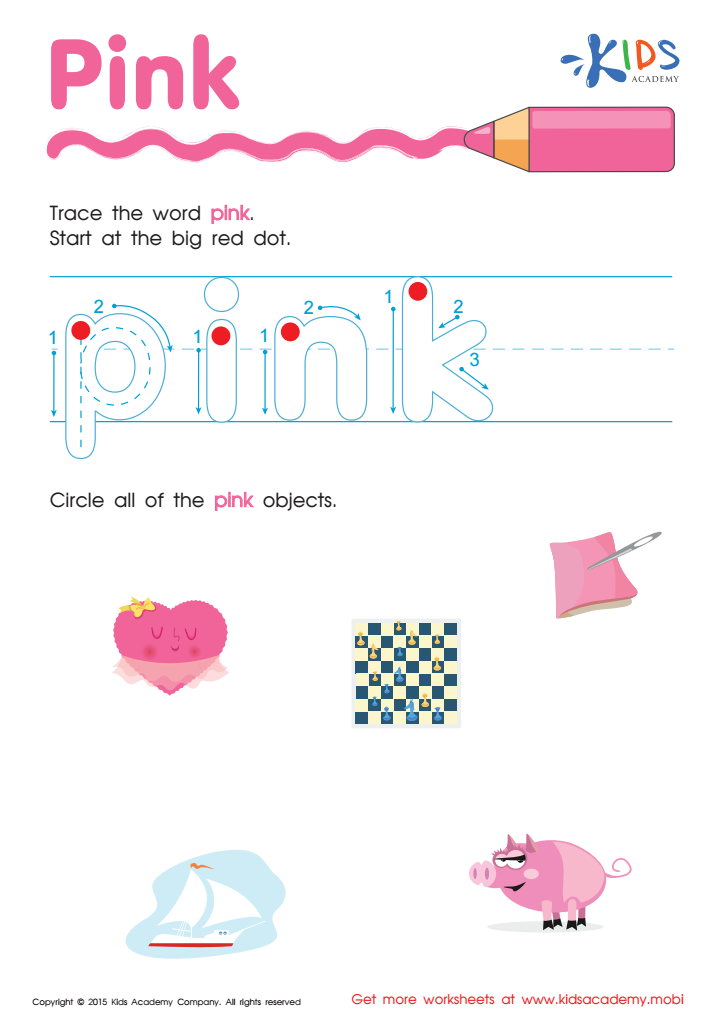
Pink Tracing Color Words Worksheet
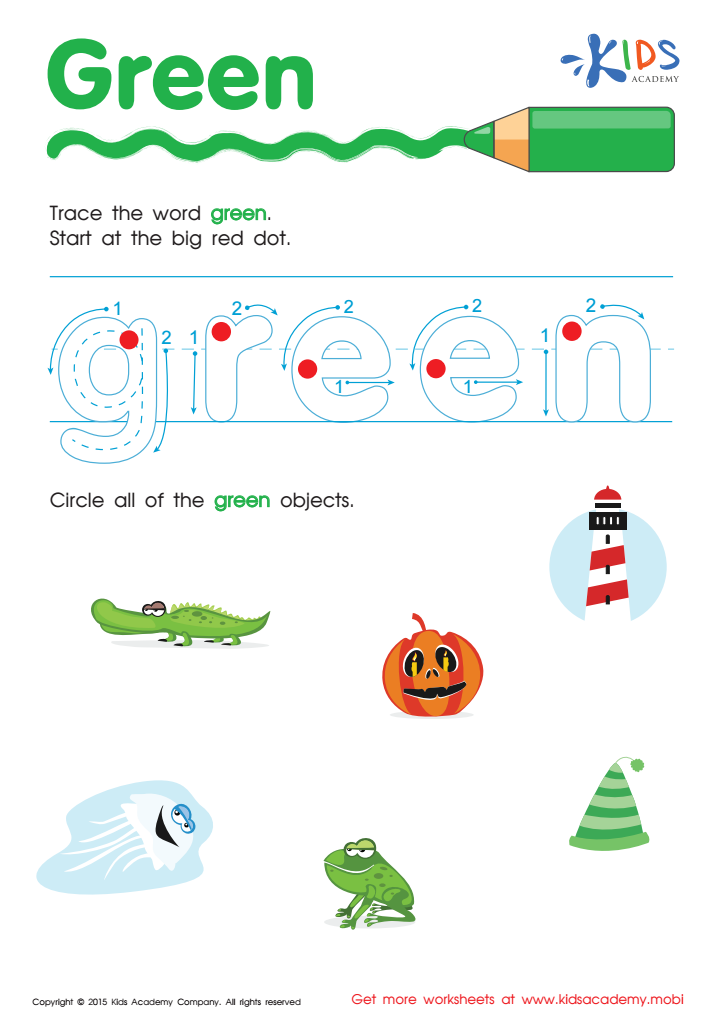
Green Tracing Color Words Worksheet
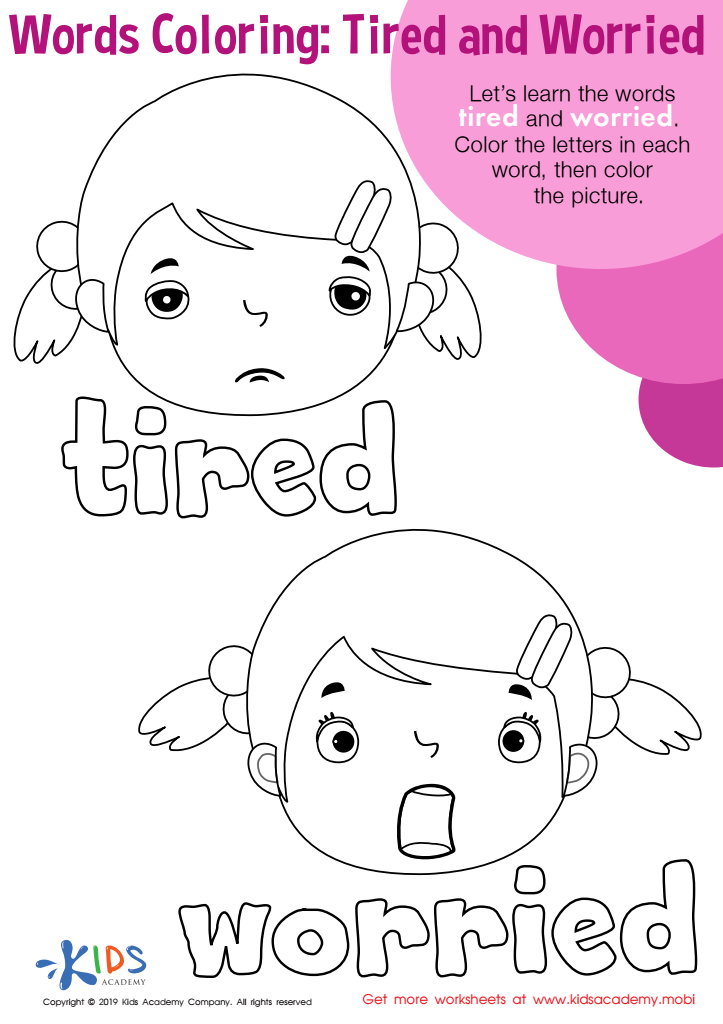
Tired and Worried Words Coloring Worksheet
Assign to My Students





Word recognition is a crucial component of early literacy that significantly impacts a child's reading development. For parents and teachers of 5-year-olds, understanding its importance is vital in fostering a positive learning environment. Firstly, word recognition builds a foundation for reading fluency. When a child can quickly identify words, they can focus on comprehension rather than decoding, which enhances their overall reading experience.
Moreover, proficiency in word recognition boosts a child's confidence and eagerness to read. When children see familiar words, they feel a sense of accomplishment and are more likely to engage with texts, expanding their vocabulary in the process. This engagement not only improves linguistic skills but also sparks a lifelong love for reading.
Additionally, word recognition aids in developing critical cognitive skills. Recognizing words helps children learn how to segment and blend sounds, fostering their phonemic awareness, which is essential for successful reading.
Ultimately, prioritizing word recognition in early education equips young learners with the necessary tools to succeed academically and socially. Parents and teachers should actively participate in guided reading activities, storytelling, and games that promote word recognition, ensuring a strong literacy foundation for future learning.