Animal Classification Worksheets for 5-Year-Olds
5 filtered results
-
From - To
Discover our engaging Animal Classification Worksheets for 5-year-olds, designed to spark curiosity and enhance learning through play! These worksheets introduce young learners to the fascinating world of animals, helping them understand different categories like mammals, reptiles, and birds. Packed with colorful illustrations and fun activities, children will enjoy sorting, matching, and identifying animals while developing critical thinking and classification skills. Perfect for preschool and kindergarten classrooms, our easy-to-use worksheets support early childhood education and encourage preschoolers to explore their natural world. Dive into this exciting learning adventure with our free, printable resources and watch your little ones thrive!
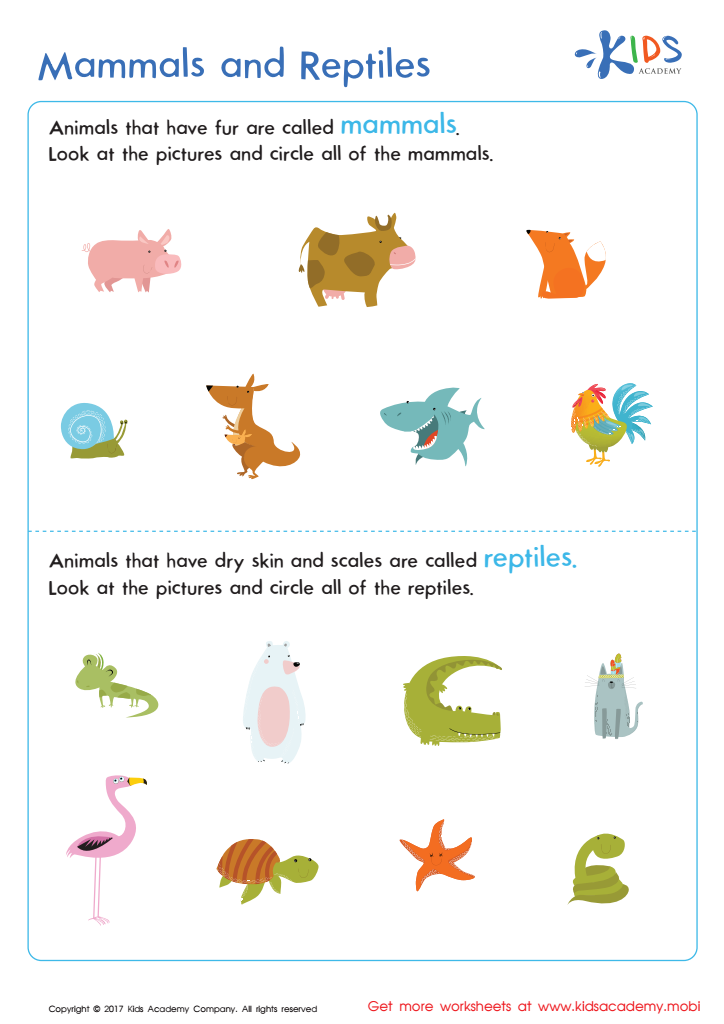
Mammals and Reptiles Worksheet
 Assign to My Students
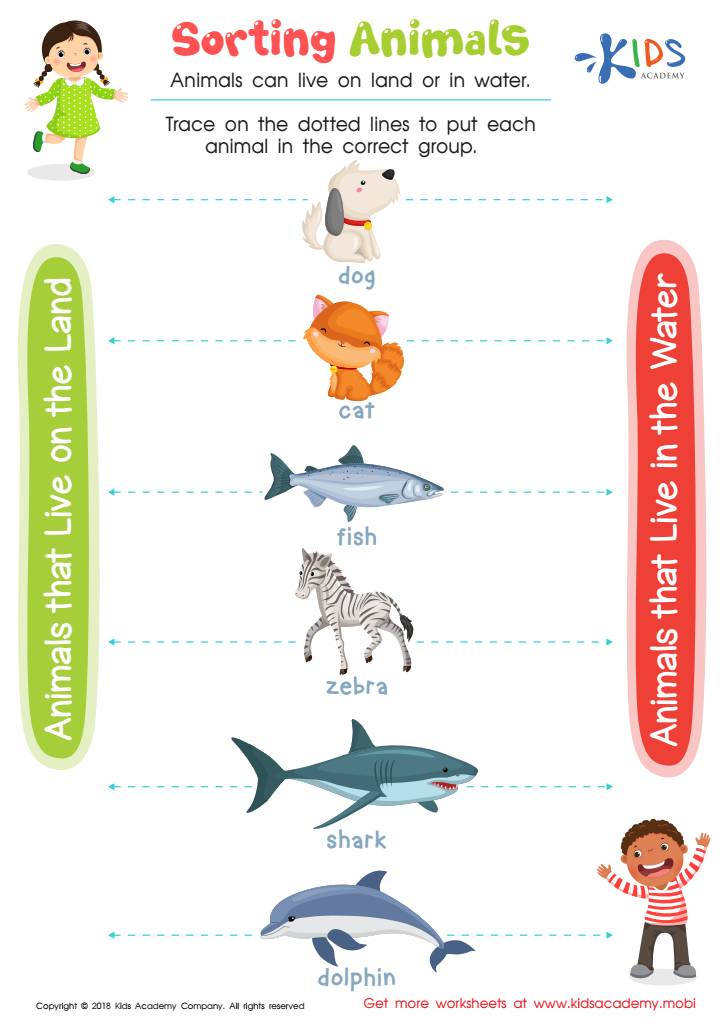
Sorting Animals Worksheet
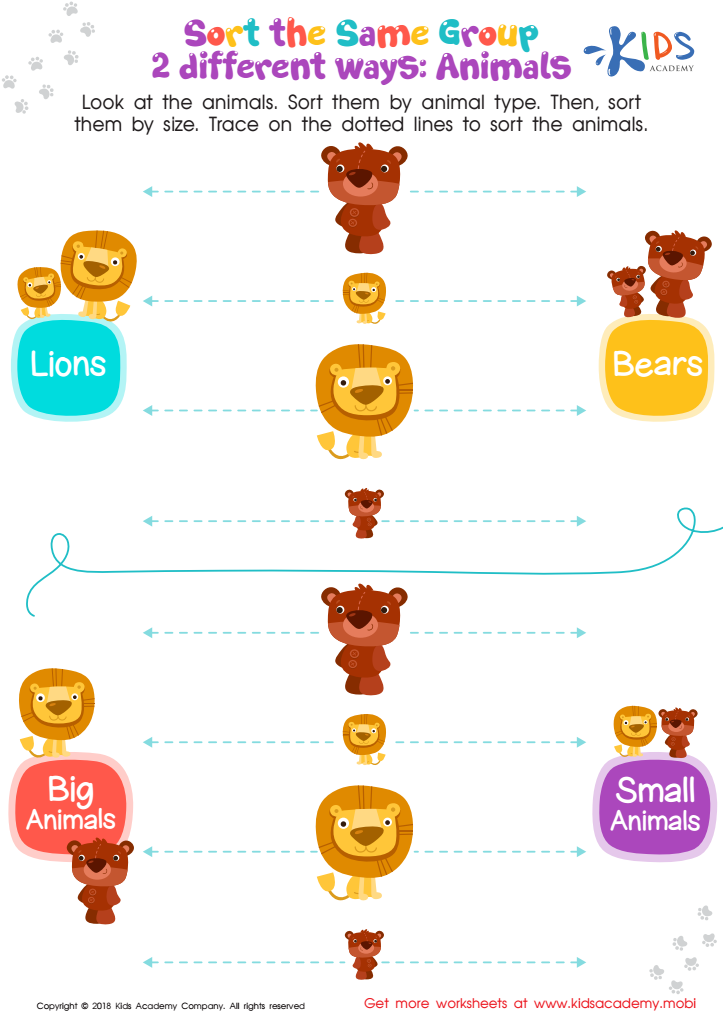
Sort the Same Group 2 Different Ways: Animals Worksheet
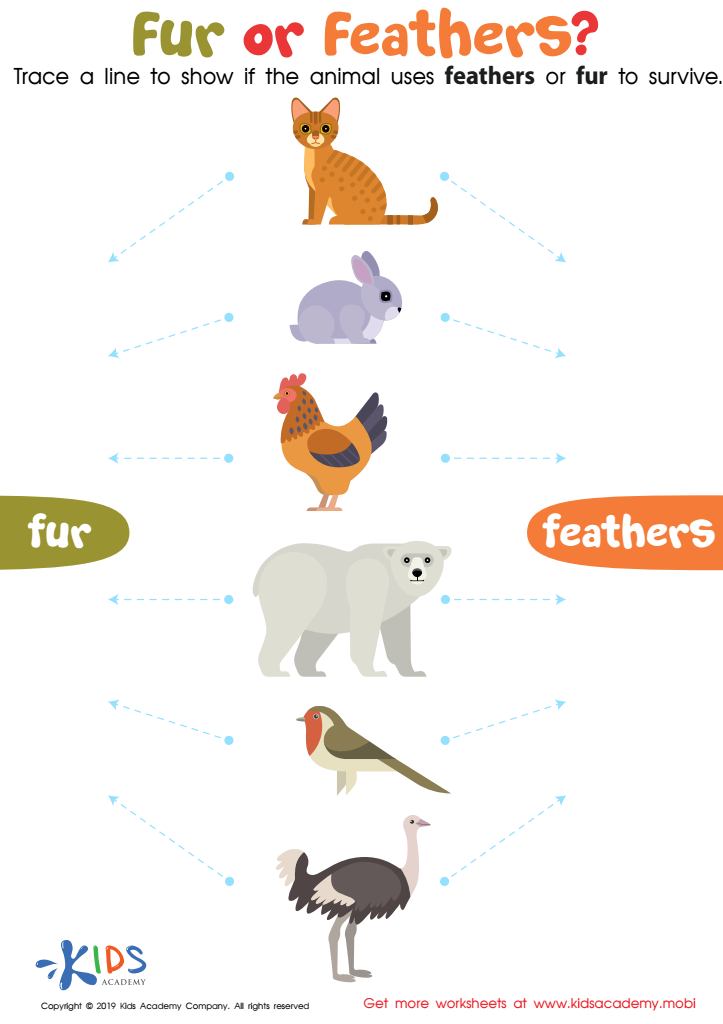
Fur or Feathers? Worksheet
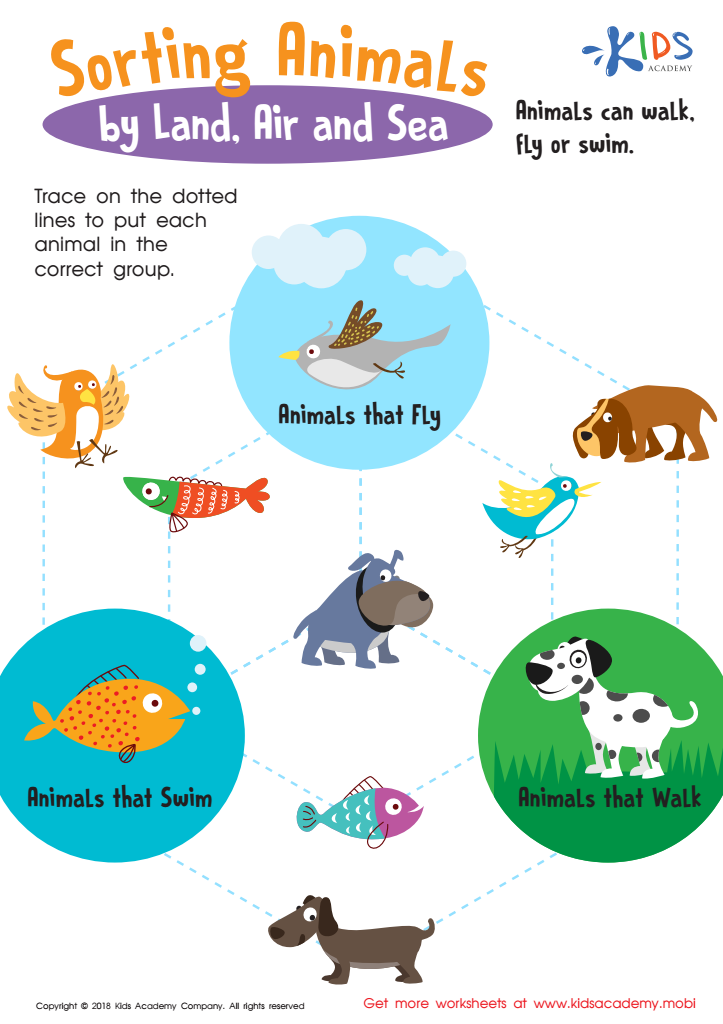
Sorting Animals by Land, Air and Sea Worksheet







Animal classification is a fun and engaging way to teach 5-year-olds about the natural world, helping them develop curiosity, critical thinking, and an understanding of biological diversity. By introducing young children to the concept of grouping animals based on shared characteristics—such as mammals, birds, reptiles, and fish—we encourage them to observe and appreciate the differences and similarities among living beings.
Understanding animal classification helps cultivate scientific literacy at an early age. As children categorize animals, they learn to make connections, enhancing their analytical skills. This foundational knowledge can spark a lifelong interest in science and nature, encouraging inquisitive minds and a deeper understanding of ecosystems and environmental issues as they grow.
Furthermore, this learning promotes empathy and respect for living creatures. Learning about various animal habitats and behaviors instills a sense of responsibility toward animals and their habitats, nurturing future advocates for wildlife conservation.
In addition, engaging children in animal classification opens doors for creative exploration through storytelling, art, and outdoor activities, making learning more dynamic and memorable. Parents and teachers should value animal classification, as it not only enriches a child's educational experience but also fosters a sense of wonder and connection to the world around them.








