Color Identification Worksheets for 5-Year-Olds - Page 2
39 filtered results
-
From - To
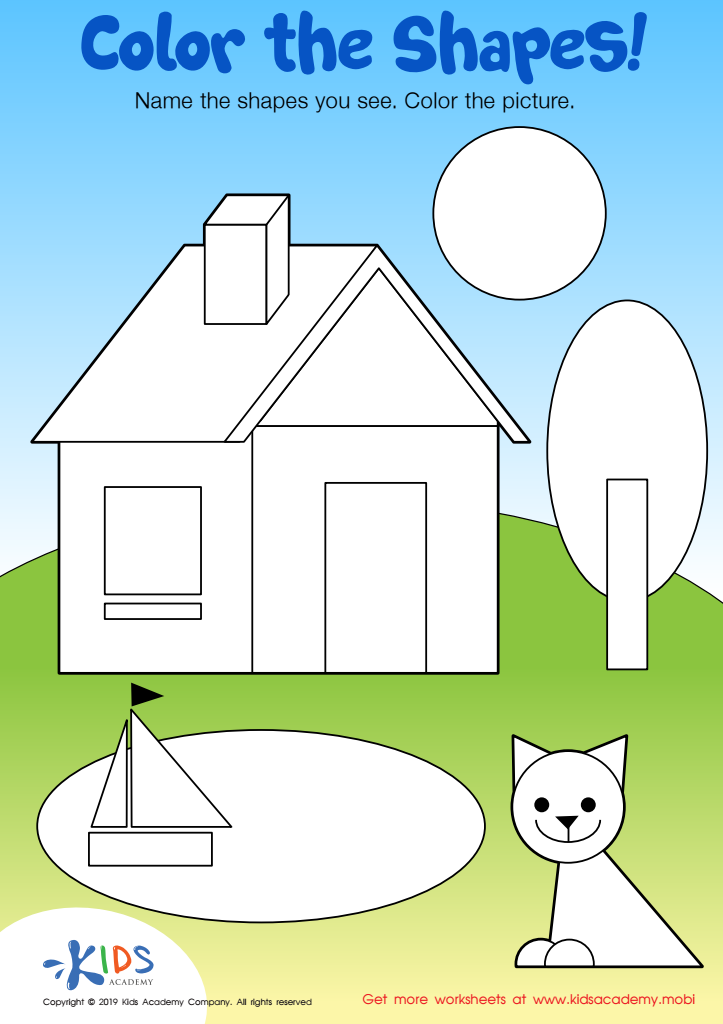
Color the Shapes Worksheet
 Assign to My Students
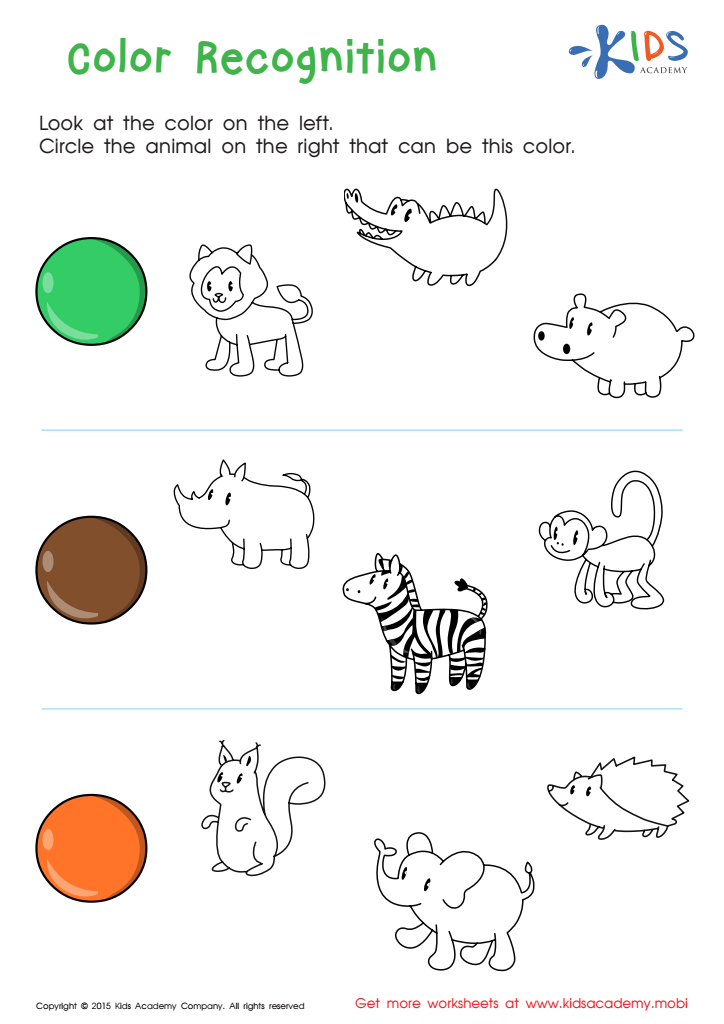
First Words: Color Recognition Worksheet
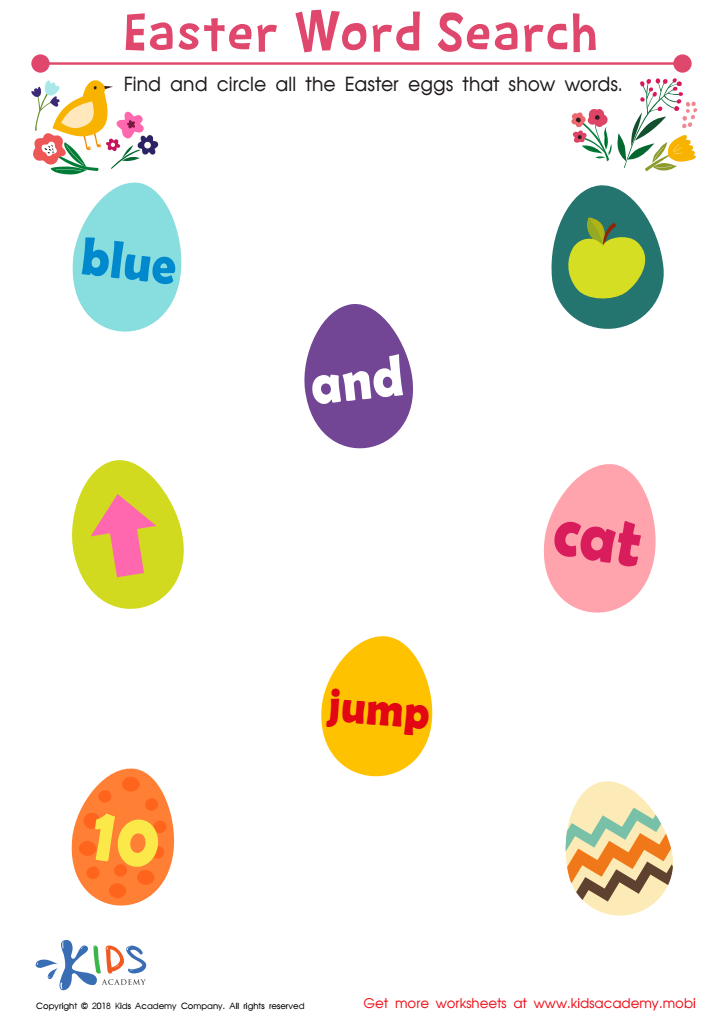
Easter Word Search Worksheet
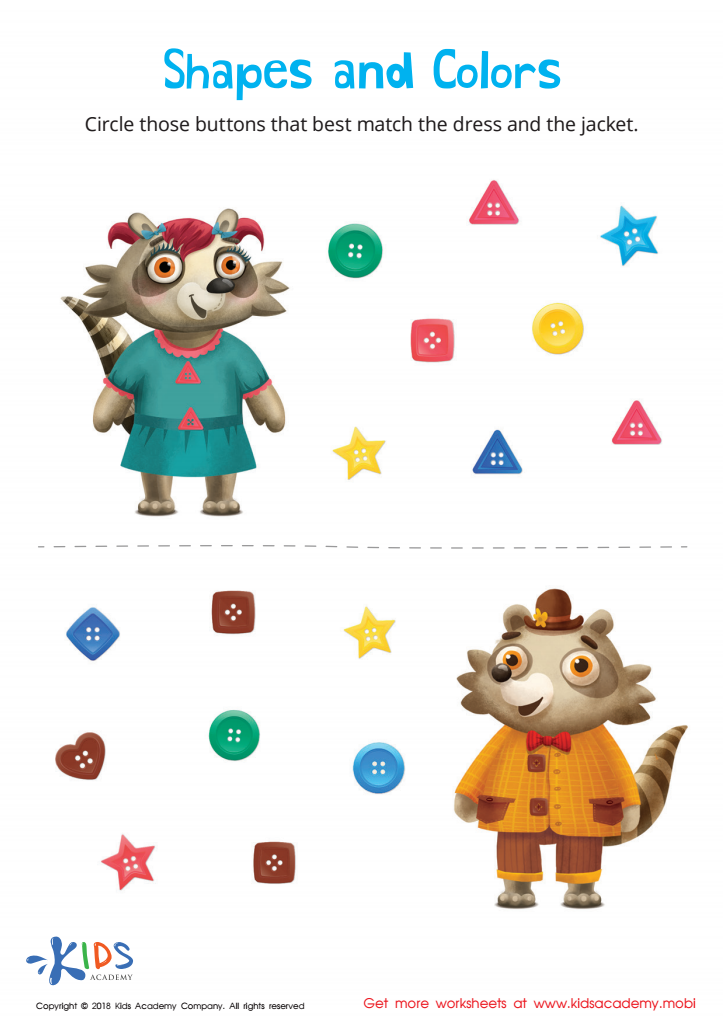
Shapes and Colors Worksheet
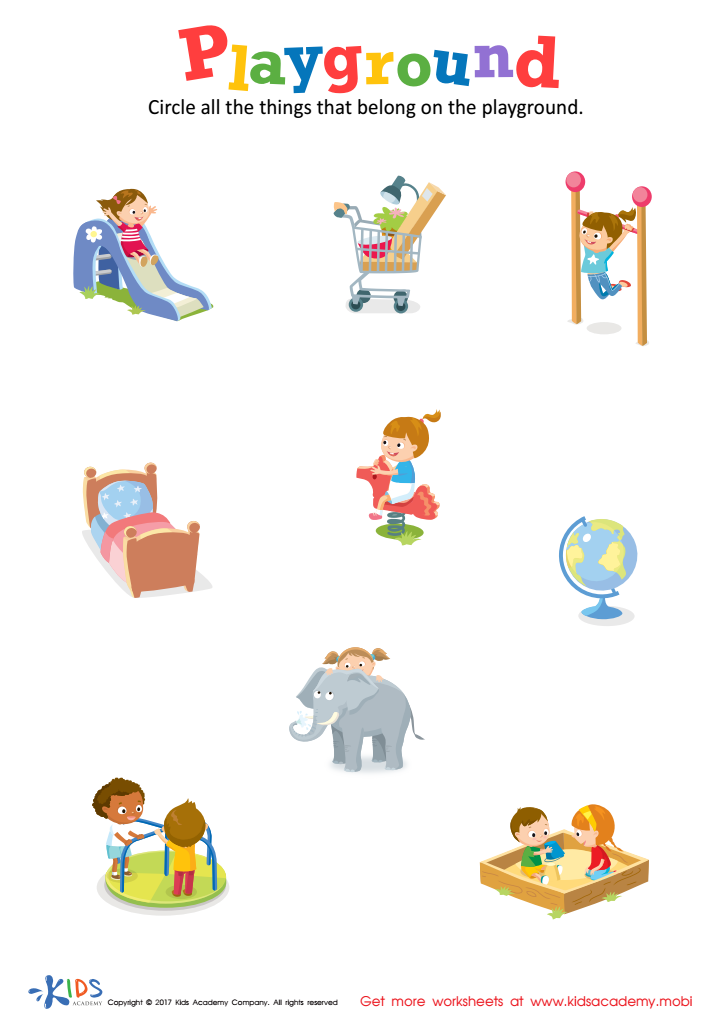
Playground Worksheet
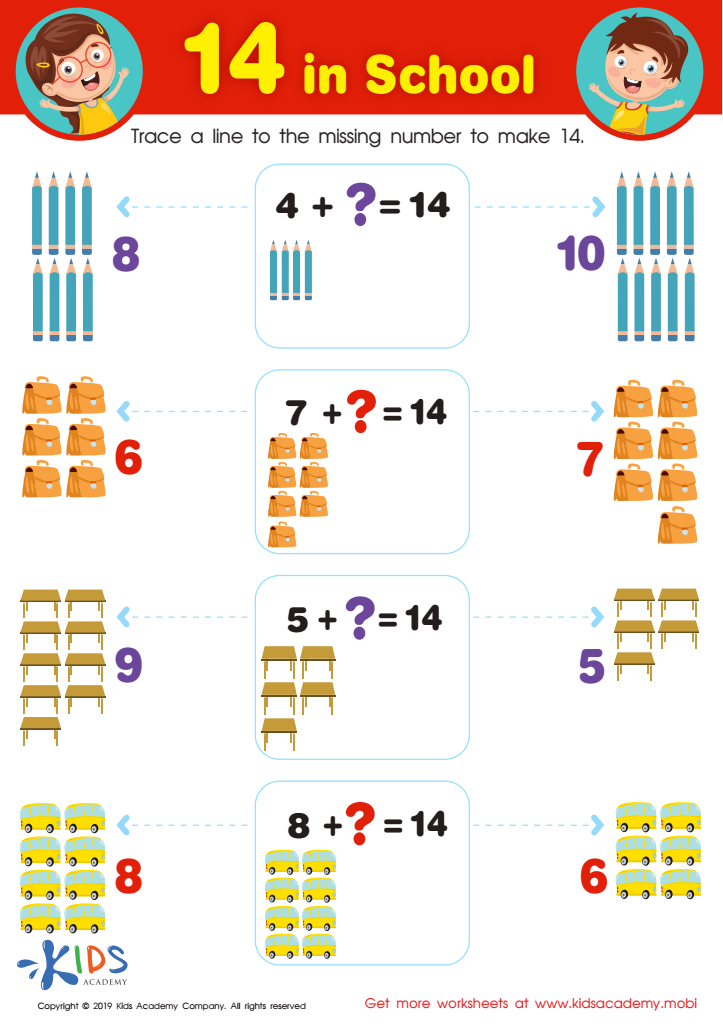
14 in School Worksheet
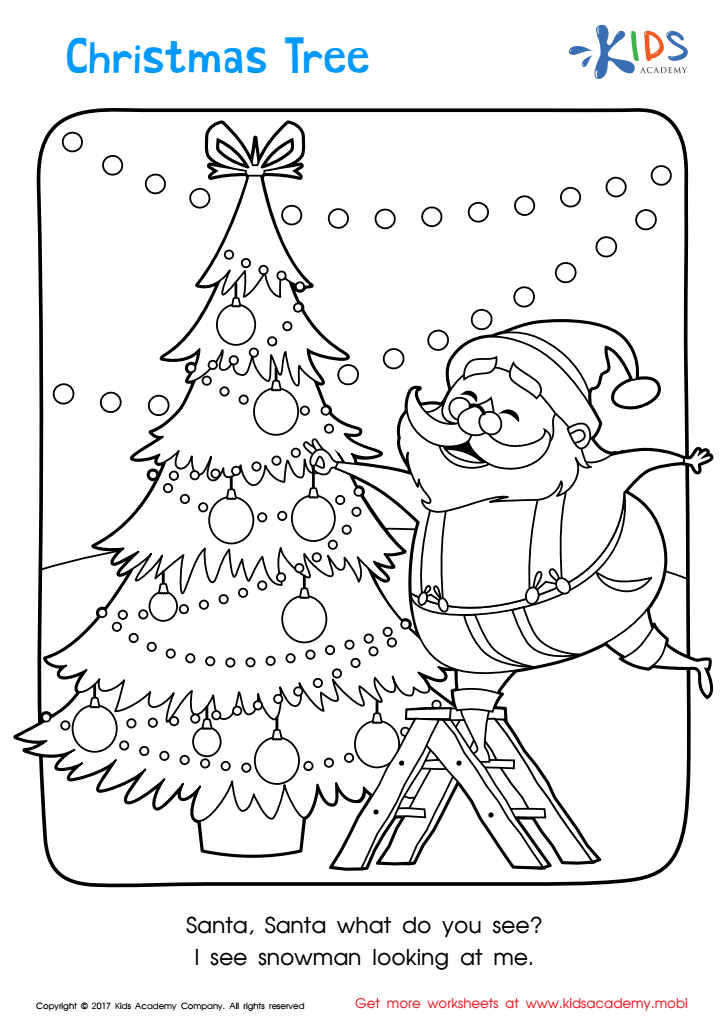
Christmas: Christmas Tree Printable
Assign to My Students
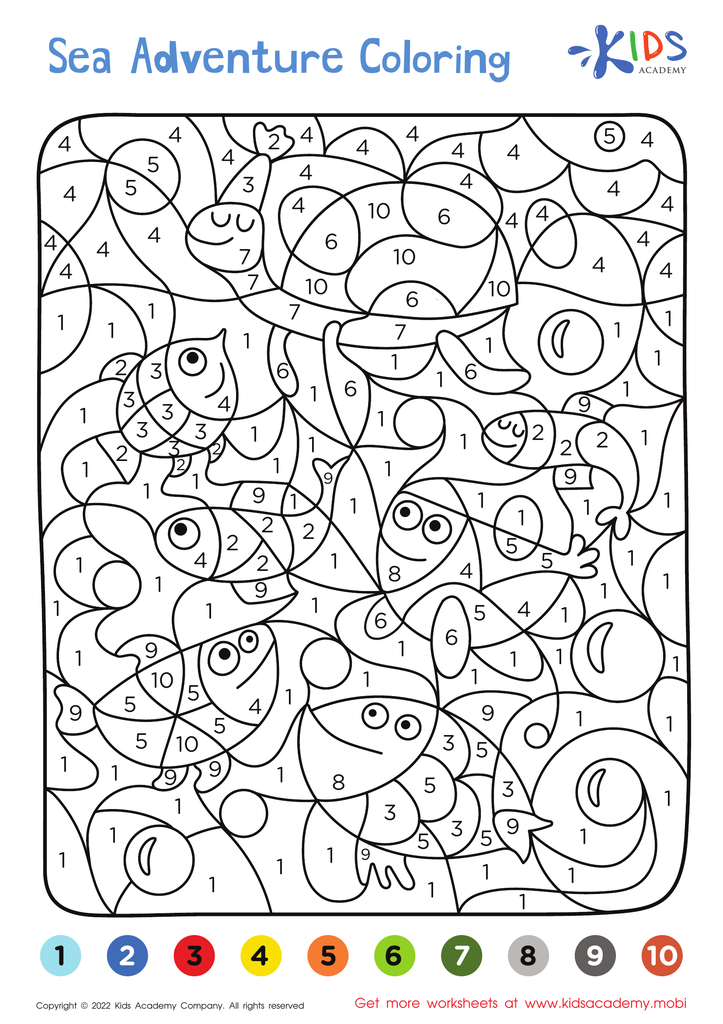
Sea Adventure – Coloring by Numbers
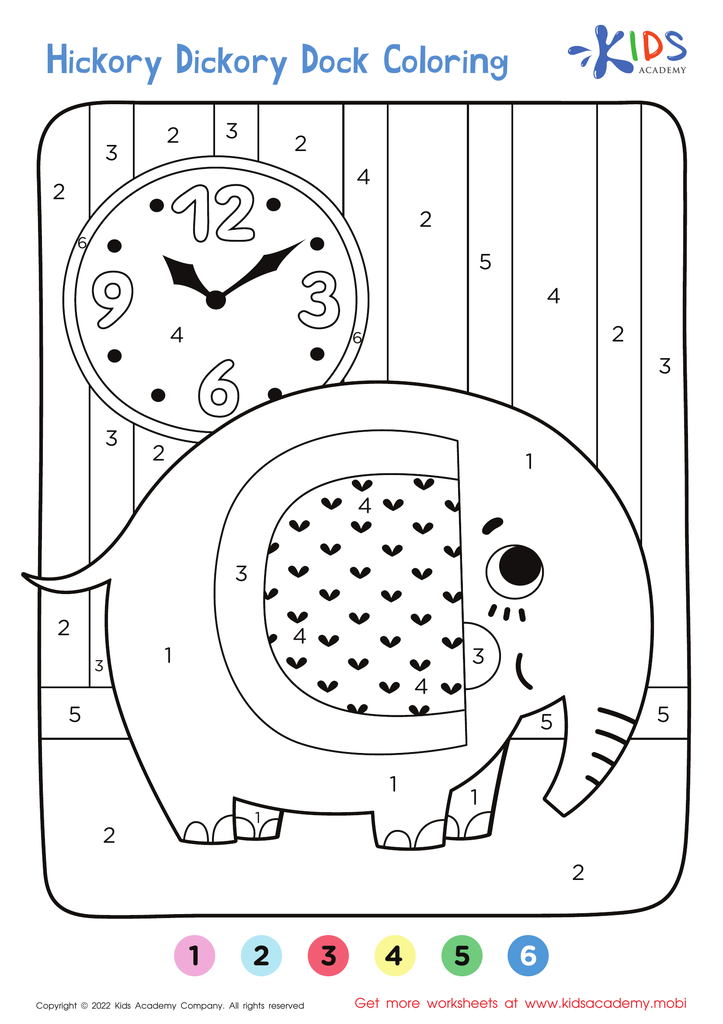
Hickory Dickory Dock – Coloring by Numbers
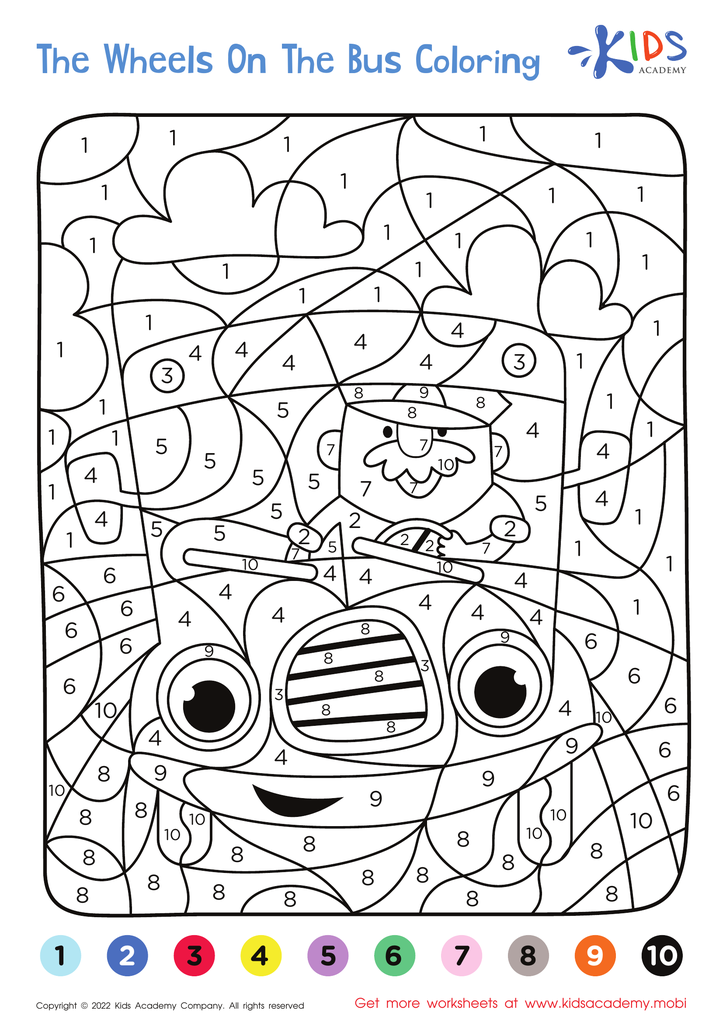
Wheels on the Bus – Coloring by Numbers
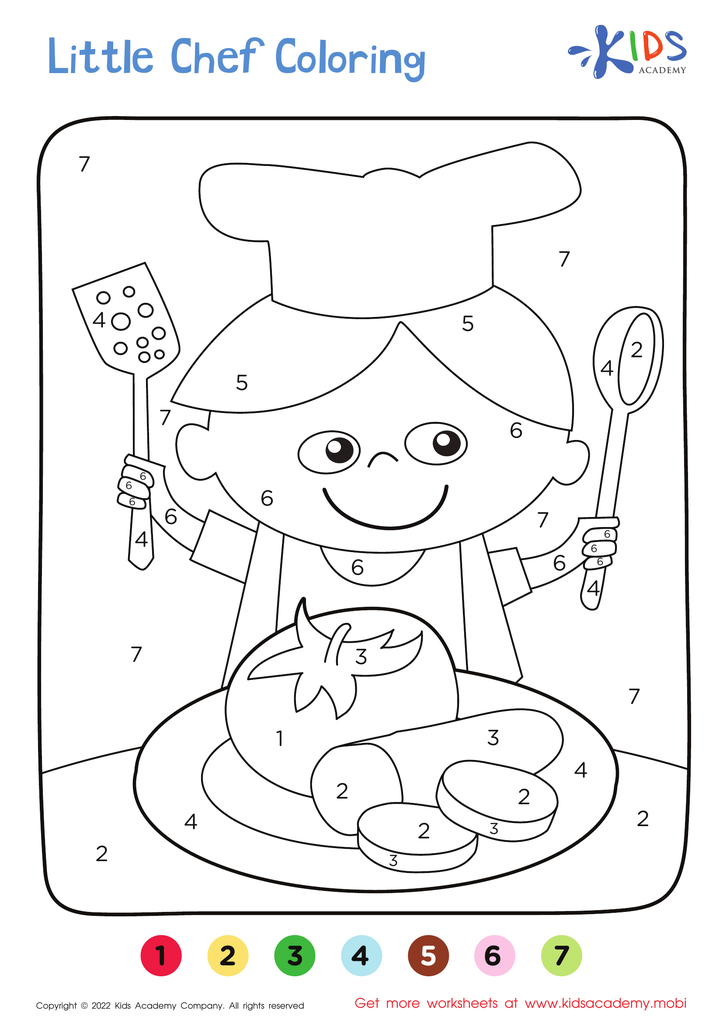
Little Chef – Coloring by Numbers
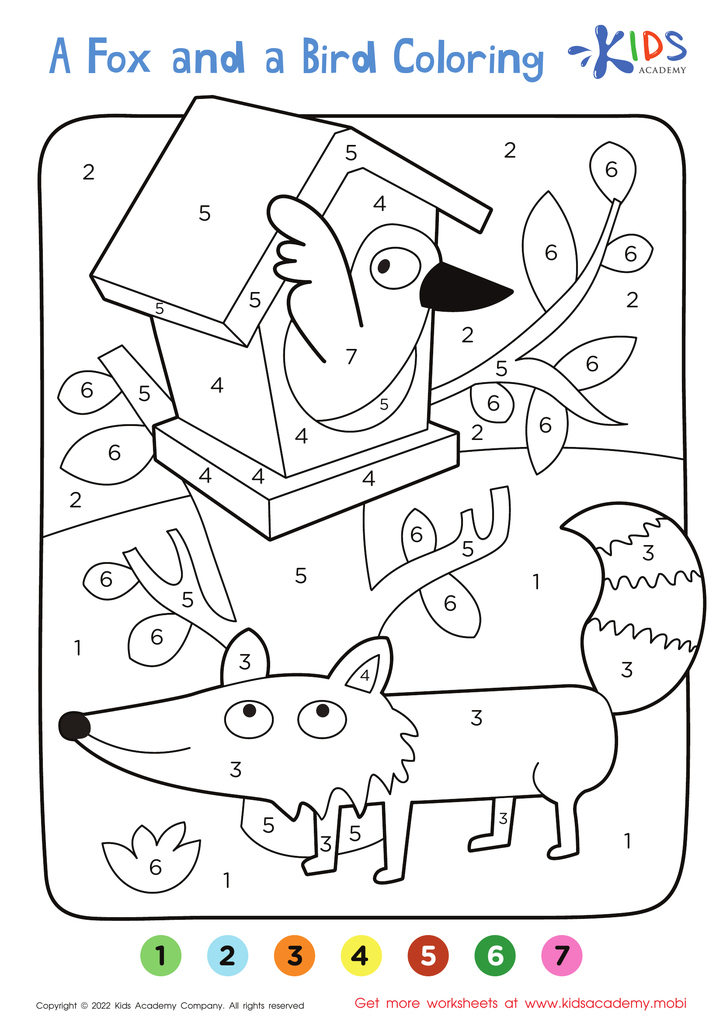
A Fox and a Bird – Coloring by Numbers







Color identification is a fundamental skill that plays a pivotal role in the cognitive, social, and emotional development of 5-year-olds, making it important for parents and teachers to prioritize. Firstly, recognizing and naming colors enhances language development. As children learn to identify colors by name, their vocabulary and descriptive language skills expand, paving the way for effective communication.
Cognitive abilities are significantly sharpened through color identification. Sorting and classifying objects based on colors enhance critical thinking and problem-solving skills. Making connections between objects and their colors also improves memory and attention span.
Socially, color identification is crucial in helping children engage in group activities and cooperative play. Recognizing and discussing colors allows children to express preferences and ideas, fostering social interaction and collaboration among peers.
Emotionally, colors play a role in self-expression and can influence mood. Understanding how colors can represent various emotions enables children to articulate their feelings better, aiding emotional intelligence and self-awareness.
Educators and parents should integrate color-related activities into daily routines to support these areas of growth. Fun activities like color sorting games, art projects, and reading colorful picture books make learning enjoyable and promote overall development. Therefore, emphasizing color identification sets a strong foundation for holistic growth in 5-year-olds.








