Fine motor skills improvement Worksheets for 5-Year-Olds
5 filtered results
-
From - To
Improve your child's fine motor skills with our expert-designed worksheets for 5-year-olds! These engaging activities focus on developing essential hand-eye coordination, dexterity, and precision. Our fun and colorful tasks inspire young learners to practice cutting, tracing, coloring, and more. Perfect for preschool and kindergarten students, these printable worksheets enhance handwriting and prepare kids for everyday tasks. Easy to access and enjoyable to complete, our worksheets provide an effective way for children to strengthen their fine motor skills while having fun. Visit us today and give your child a head start on mastering these foundational abilities!
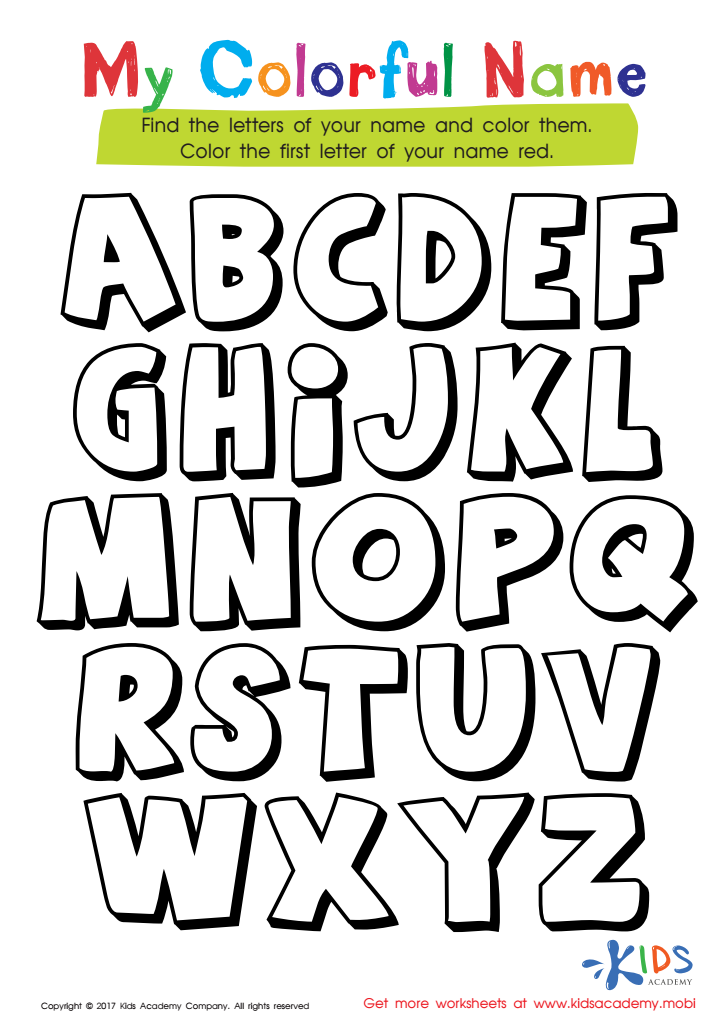
My Colorful Name Worksheet
 Assign to My Students
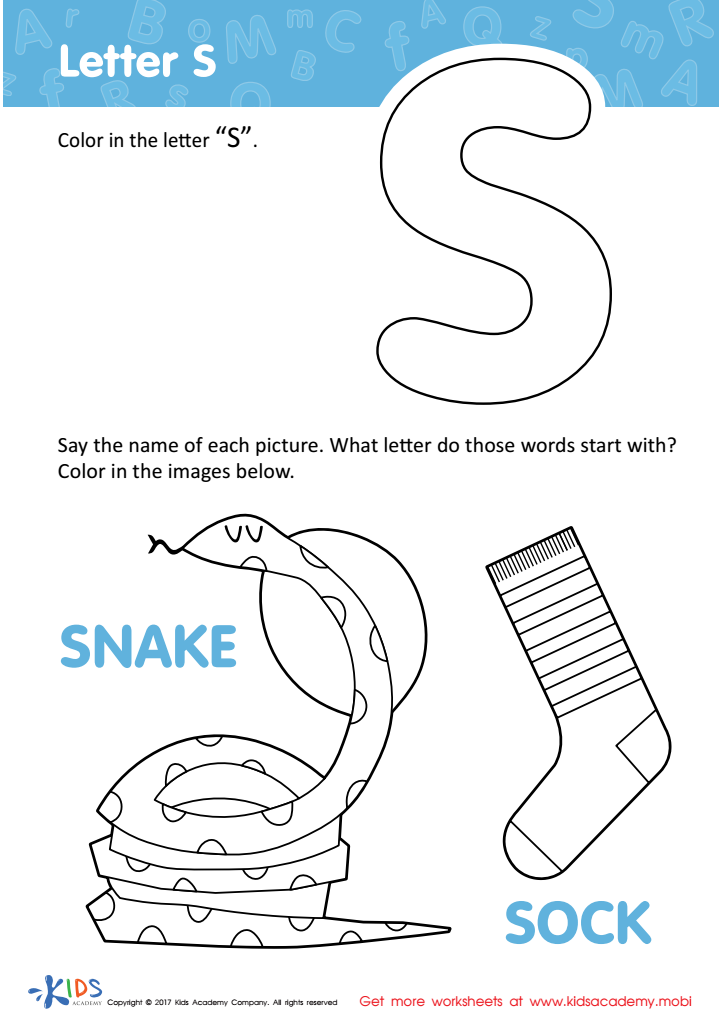
Letter S Coloring Sheet
Assign to My Students
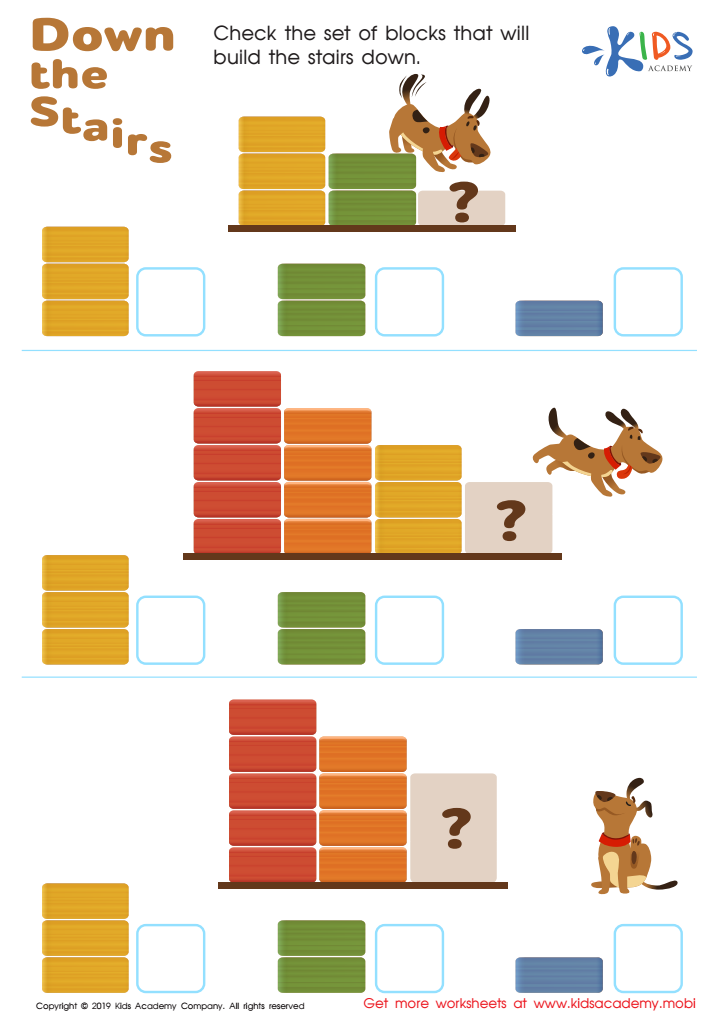
Down the Stairs Worksheet
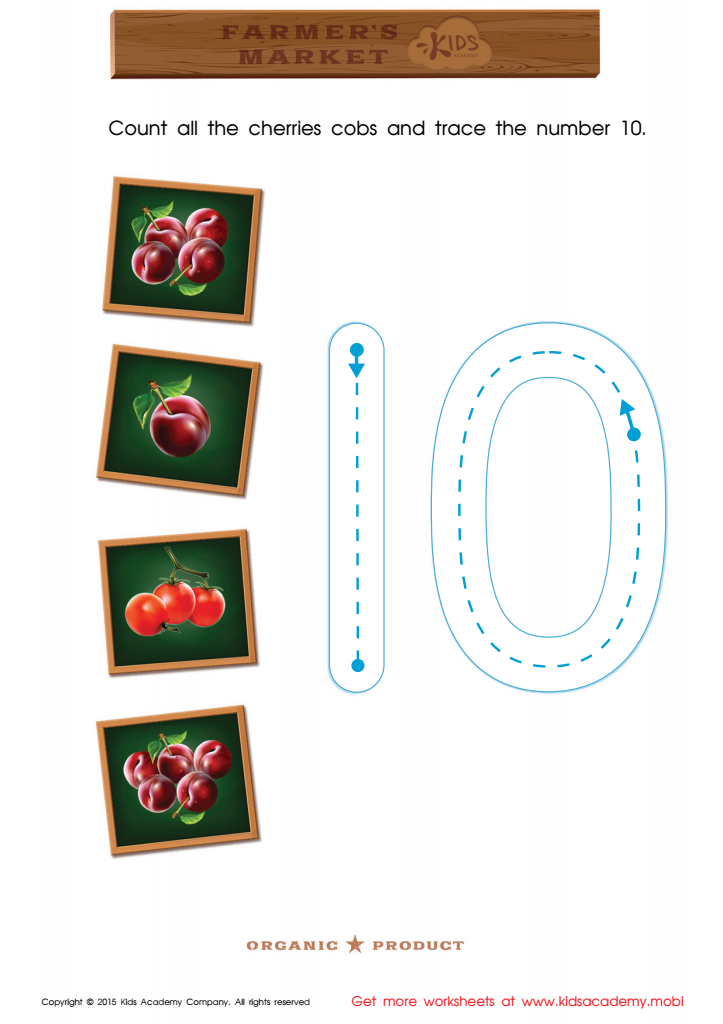
Count the Cherries and Trace the Number 10 Printable
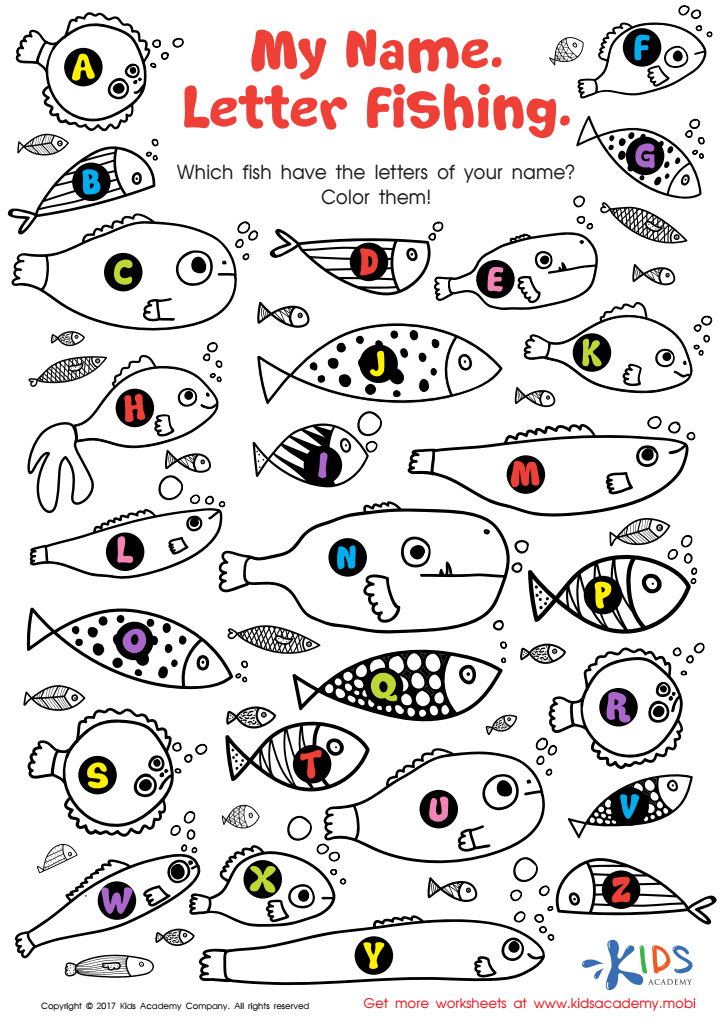
My Name: Letter Fishing Worksheet
Assign to My Students







Fine motor skills are crucial for 5-year-olds as they form the foundation for essential daily tasks and advanced learning. Parents and teachers should prioritize the enhancement of these skills since they directly influence a child's ability to perform activities like writing, buttoning clothes, and using utensils. Developing proficient fine motor skills equips children with better dexterity and coordination, which promotes independence and boosts their confidence.
Furthermore, fine motor improvement is closely linked to cognitive development. Tasks that require precise hand movements often involve planning, spatial awareness, and problem-solving. Engaging in activities such as drawing, cutting with scissors, or assembling puzzles can stimulate brain areas associated with memory, attention, and visual processing.
In an educational context, children with advanced fine motor skills are better prepared for kindergarten requirements and beyond. They can more easily grasp a pencil, form letters correctly, and follow intricate instructions, leading to successful academic outcomes. By fostering fine motor skills at an early age, parents and teachers lay a vital groundwork for overall development—social, emotional, and intellectual. Incorporating creative and fun activities such as playdough manipulation, beading, or constructing with small blocks into daily routines can support this critical aspect of early childhood education.








