
Predicting outcomes Worksheets for 5-Year-Olds
3 filtered results
Difficulty Level
Grade
Age
-
From - To
Subject
Activity
Standards
Unlock your child's potential with our engaging Predicting Outcomes Worksheets for 5-Year-Olds! Designed to spark curiosity and critical thinking, these printable activities help young learners explore cause-and-effect relationships through fun scenarios. Children will practice making predictions based on pictures and stories, enhancing their comprehension and reasoning skills. Our age-appropriate worksheets cater to various learning styles, ensuring every child enjoys the learning process. Ideal for home or classroom use, these resources provide an excellent way to foster a love for learning while building essential problem-solving skills. Start your child's journey to becoming a confident thinker with our interactive predictions worksheets today!
Favorites
With answer key
Interactive
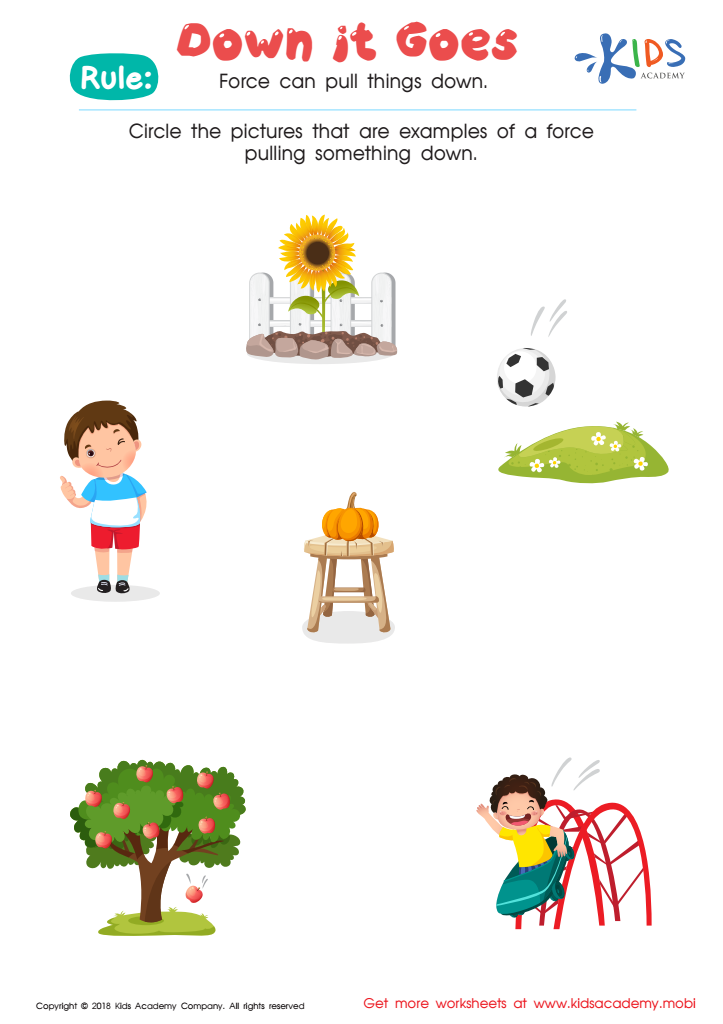
Down it Goes Worksheet
Explain gravity to your child using this fun worksheet. Ask them to give examples of things pulled down with force, then instruct them to circle the pictures that show this. It's a great way to help them understand the concept of gravity.
 Assign to My Students
Down it Goes Worksheet
Worksheet
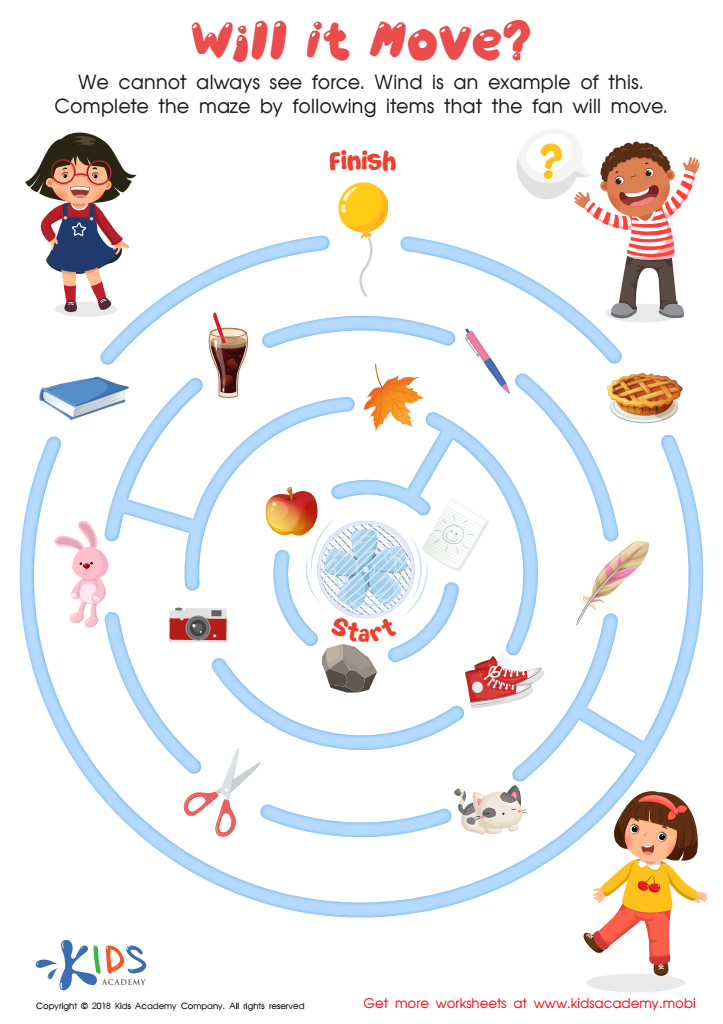
Will it Move? Worksheet
Does your child know about force? If yes/no, this worksheet can help. Force is invisible - like wind - but it moves objects. Ask your child to complete the maze, following the path of items moved by the wind. 80 words.
Will it Move? Worksheet
Worksheet
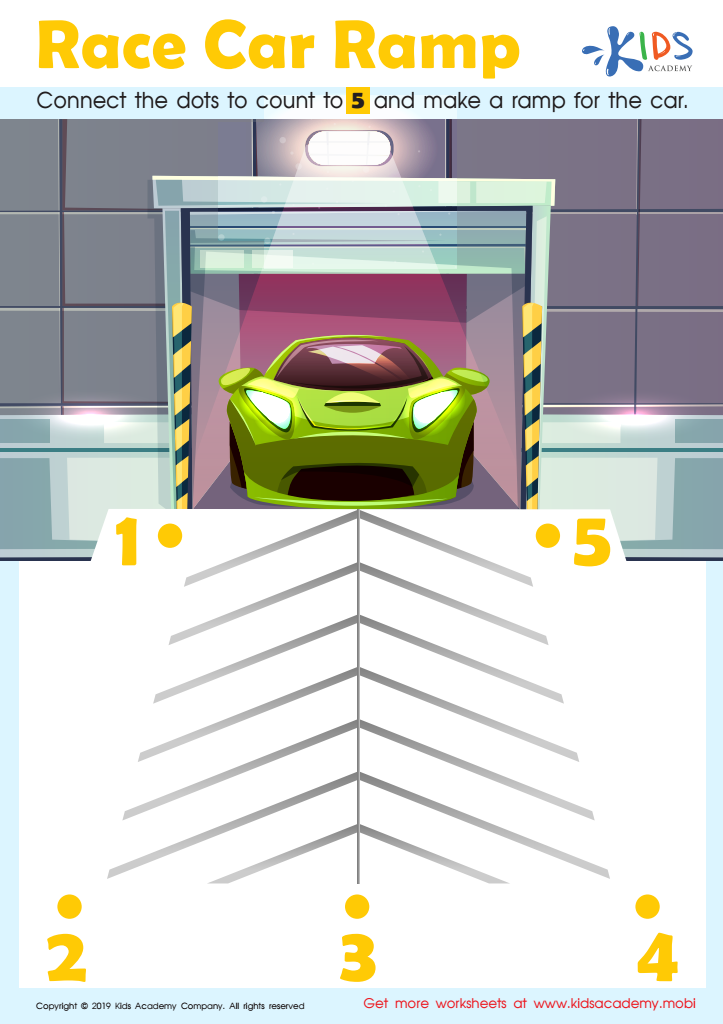
Race Car Ramp Worksheet
Kids can learn numbers quickly and have fun with this worksheet! It teaches preschoolers counting to 5 and allows them to draw a car ramp. It's a creative way to learn numbers, making them fun and easy to remember.
Race Car Ramp Worksheet
Worksheet
Join Kids Academy for Free
Who is primarily going to use this learning content?







Predicting outcomes for 5-year-olds is critical for parents and teachers as it informs individualized educational and developmental strategies. At this early age, children undergo significant cognitive, social, and emotional growth. Identifying potential learning challenges or strengths early can ensure timely interventions, which can drastically influence their academic trajectories. Such predictions can highlight whether a child might need additional support in areas like literacy, numeracy, or social skills, allowing educators to tailor their approaches.
Furthermore, understanding possible outcomes can enhance parental engagement. When parents are aware of their child’s developmental pathways, they can support learning at home, reinforcing concepts taught in school. This collaboration fosters a holistic learning environment, allowing children to thrive both academically and personally.
Lastly, predicting outcomes facilitates the creation of a more inclusive classroom. Teachers can adapt their lesson plans to accommodate diverse learning needs, ensuring that all children gain the necessary skills for future success. By focusing on early predictors of outcomes, adults can establish firm foundations that help children flourish, ultimately leading to a more equitable educational system. This proactive approach recognizes each child's potential, enabling personalized objectives that cater to their unique growth.








