Shape identification Worksheets for 5-Year-Olds
17 filtered results
-
From - To
Unlock the joy of learning with our Shape Identification Worksheets tailored for 5-year-olds! Our engaging and colorful worksheets help young learners recognize and name basic shapes like circles, squares, triangles, and more. Designed to enhance visual recognition and fine motor skills, these activities encourage curiosity through fun tasks, including tracing, coloring, and matching shapes to everyday objects. Perfect for both preschool and kindergarten settings, these worksheets provide interactive and hands-on learning experiences that foster early mathematical skills. Download our Shape Identification Worksheets today and guide your child on their exciting educational journey! Ideal for parents and teachers alike!
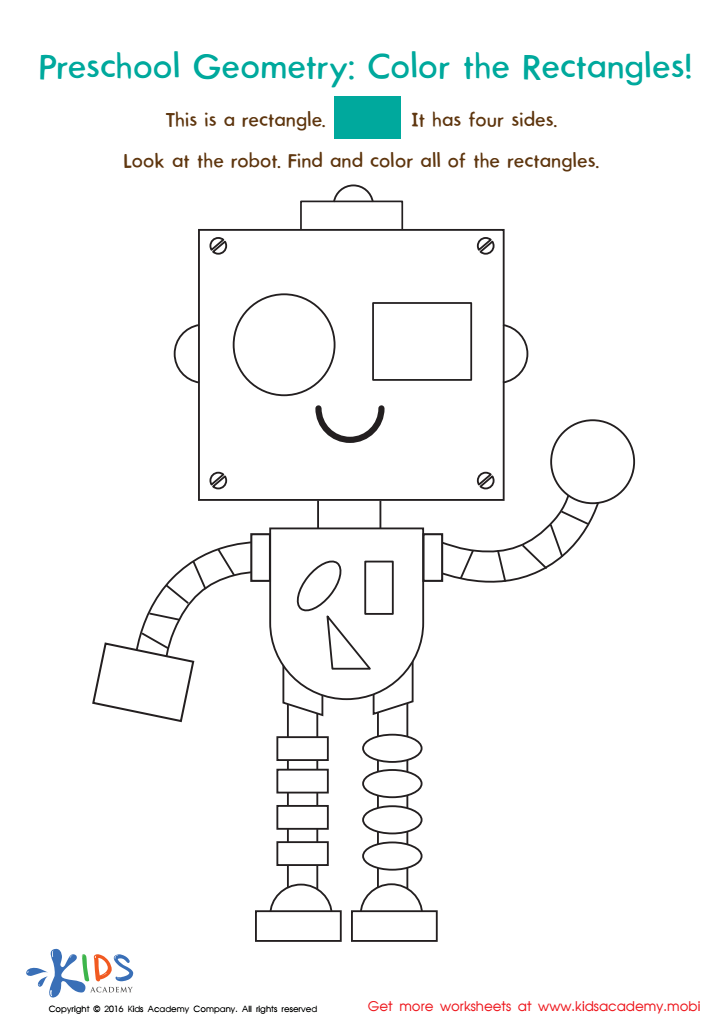
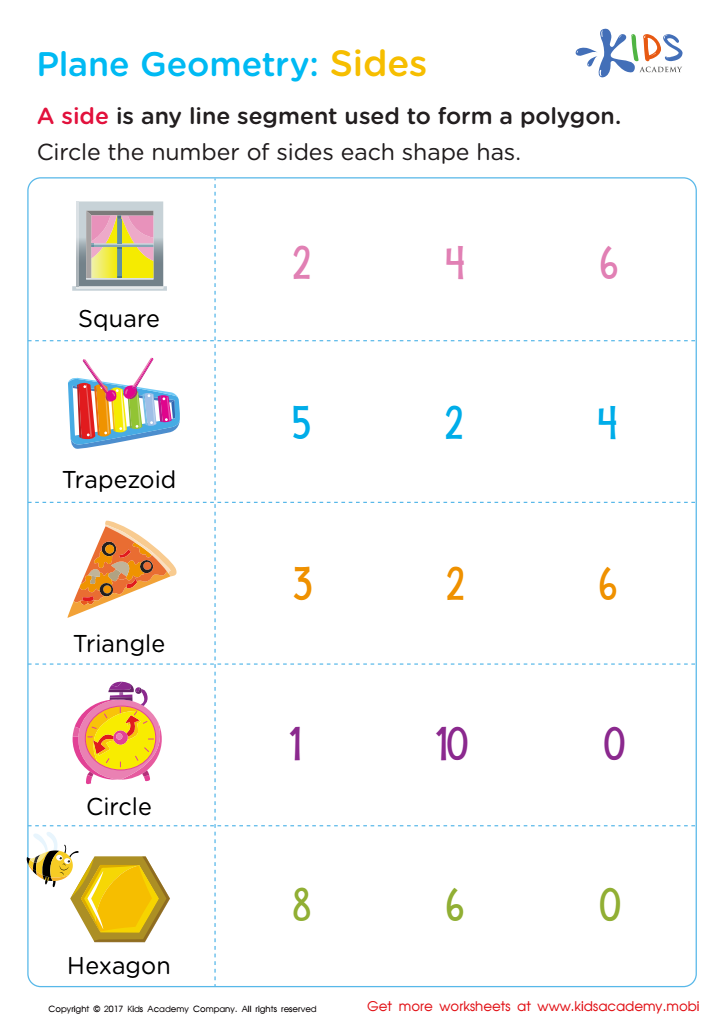
Geometry Worksheet
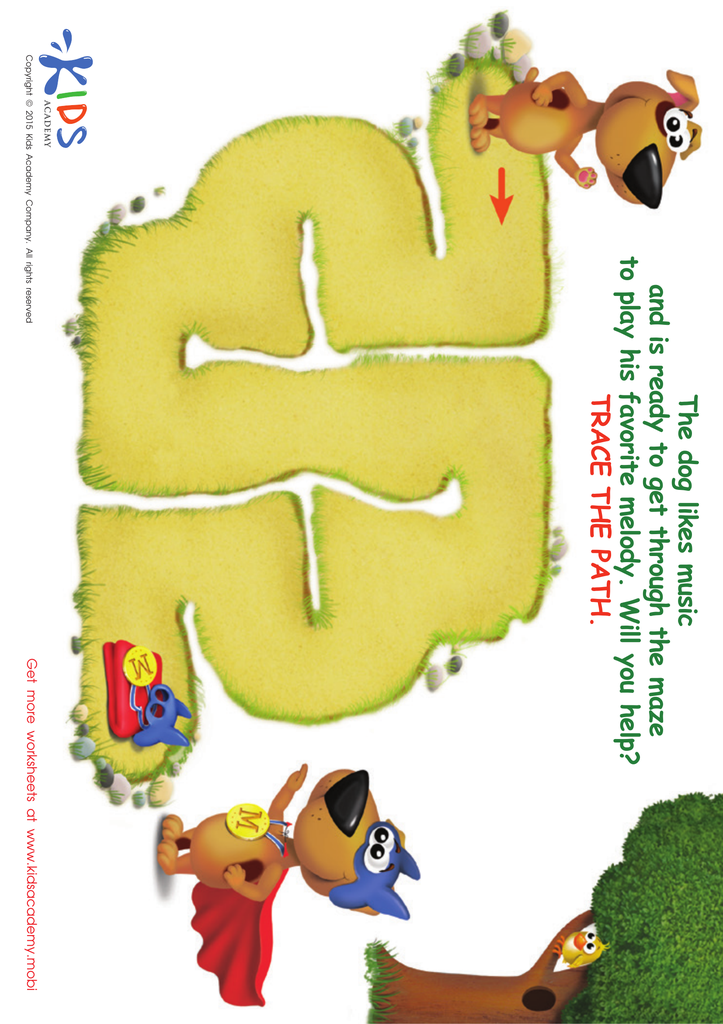
Superman Maze Worksheet
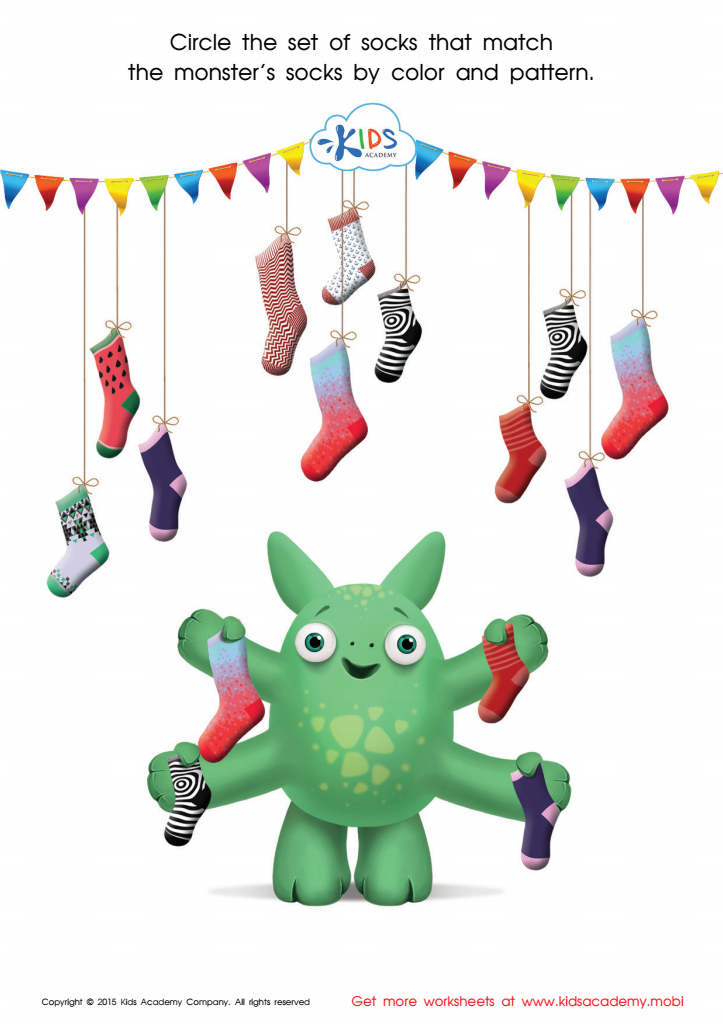
Sort the Monster's Socks Worksheet
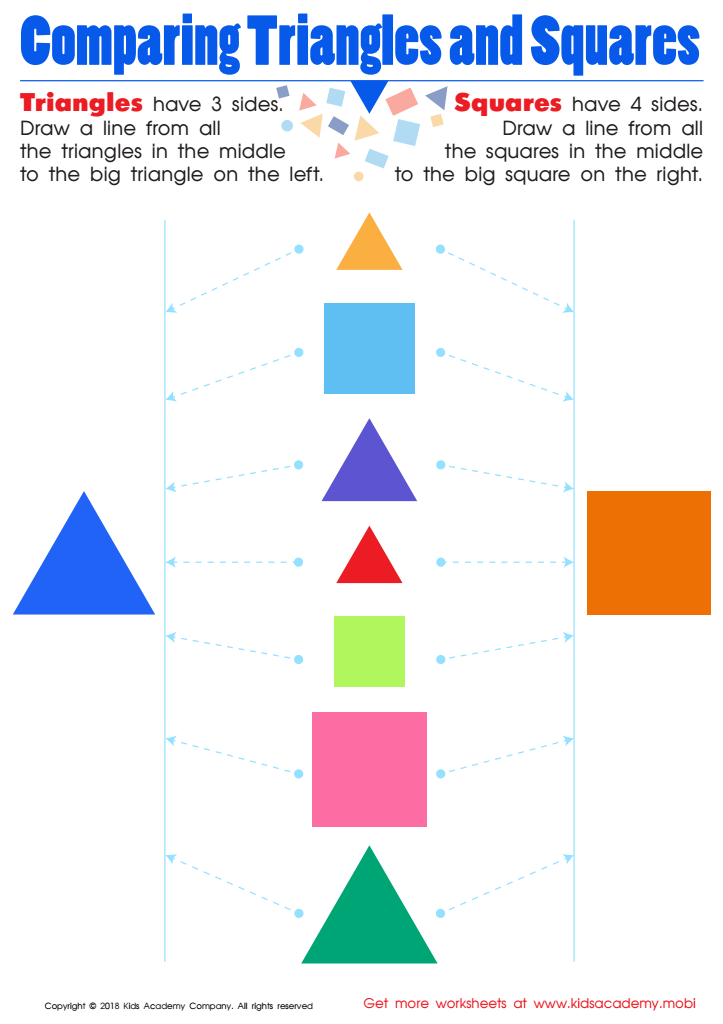
Comparing Triangles Squares Worksheet
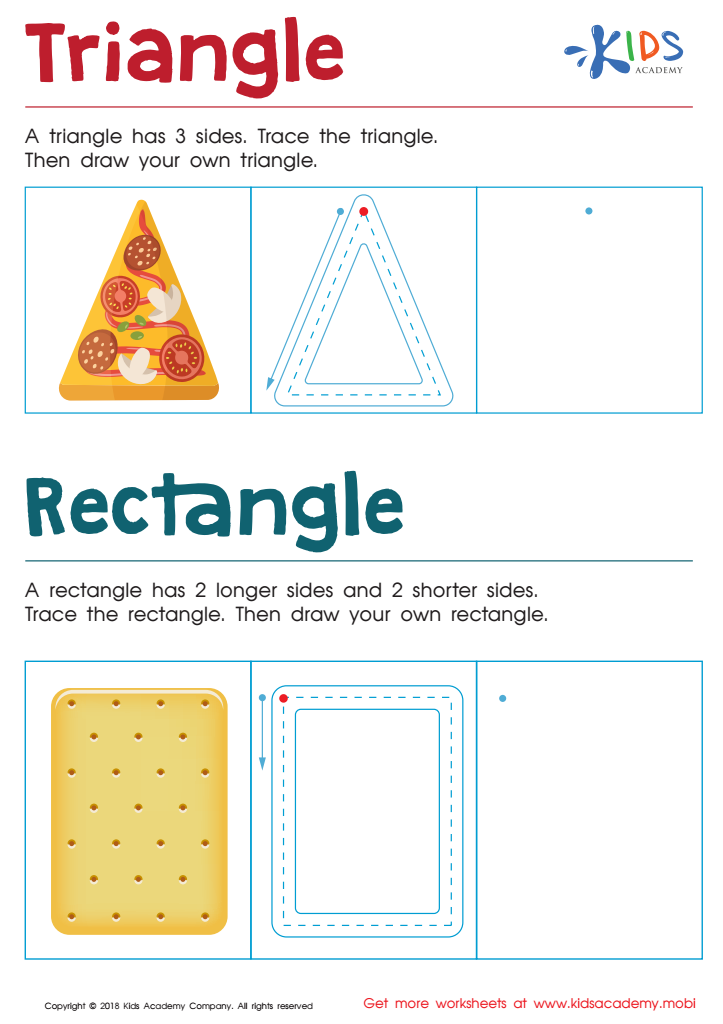
Triangle Rectangle Worksheet
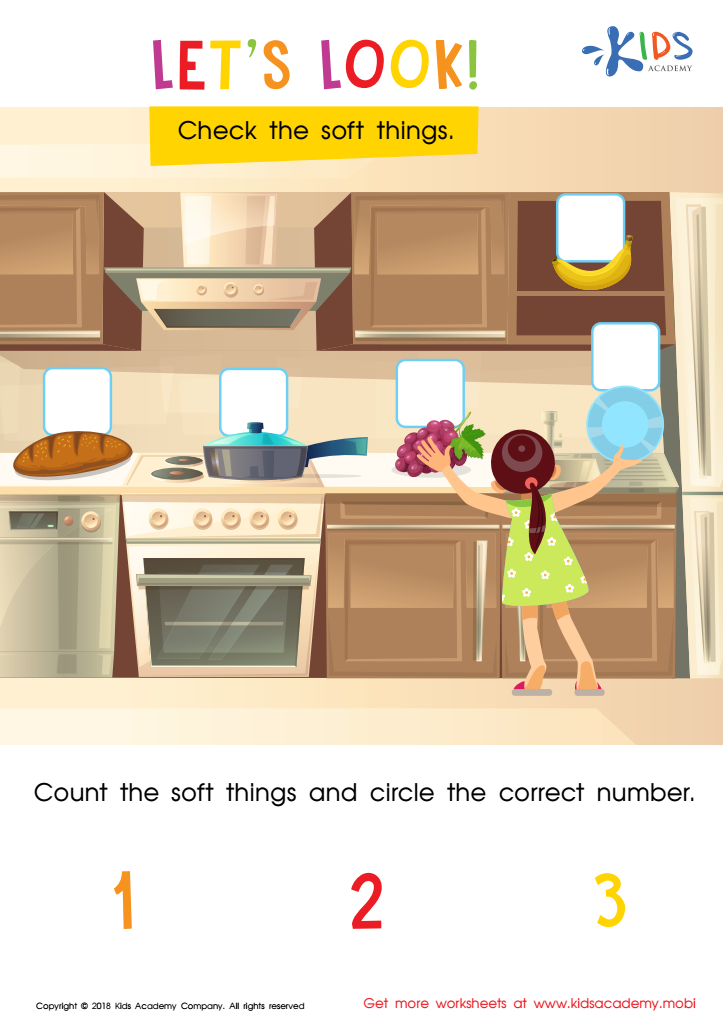
Let's Look! Assessment Worksheet
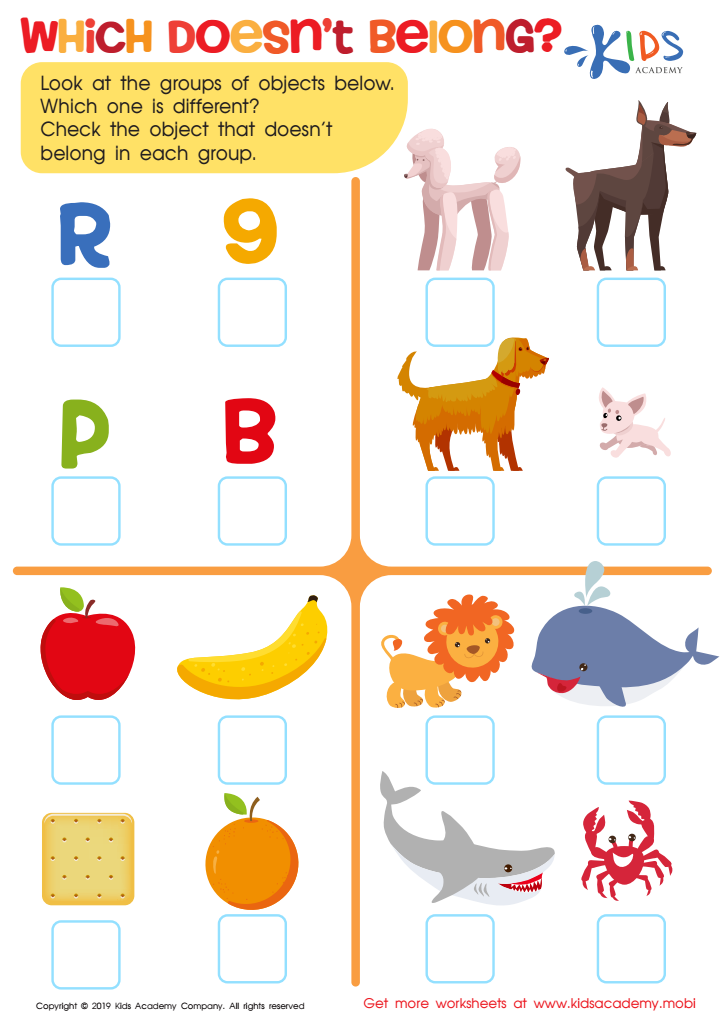
Which Doesn't Belong? Worksheet
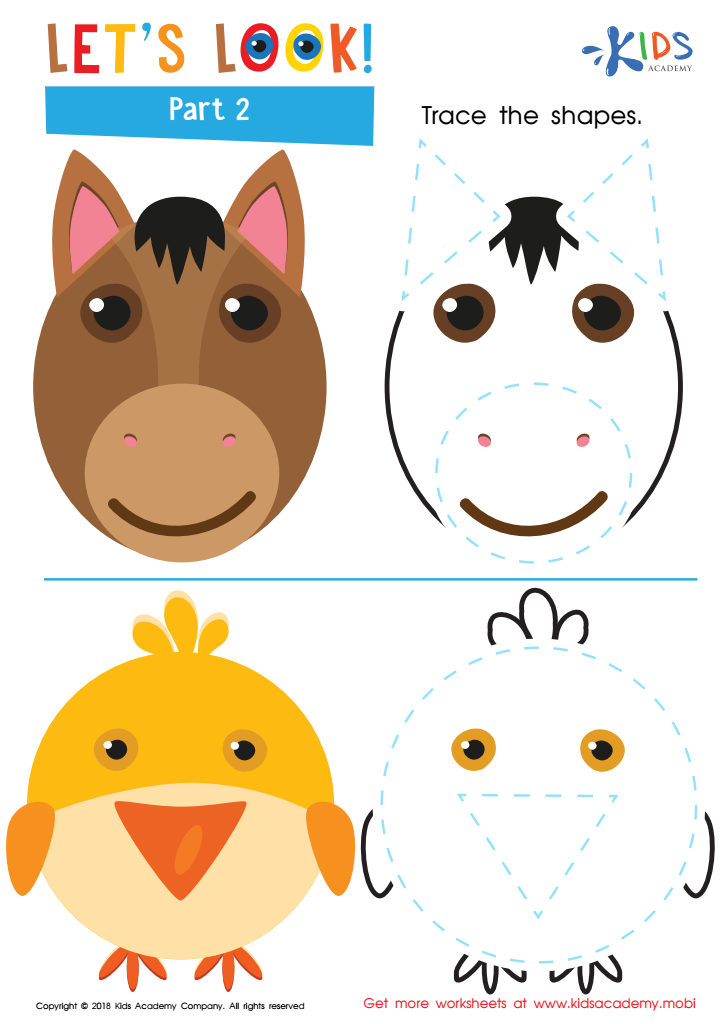
Let's Look! Part 2 Worksheet
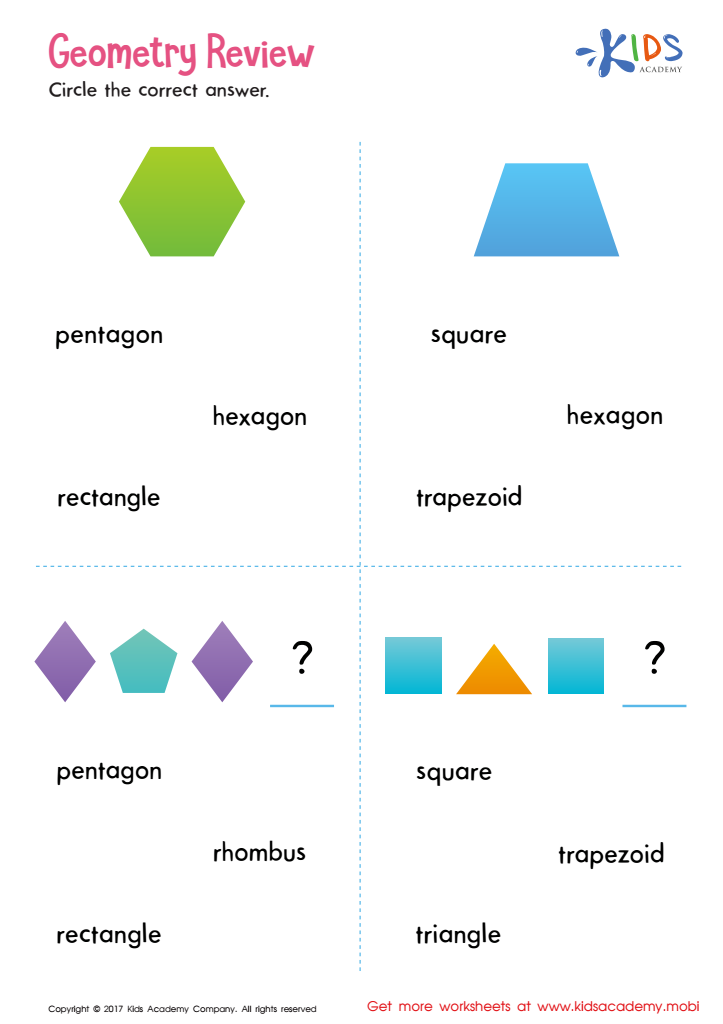
Geometry Review Printable
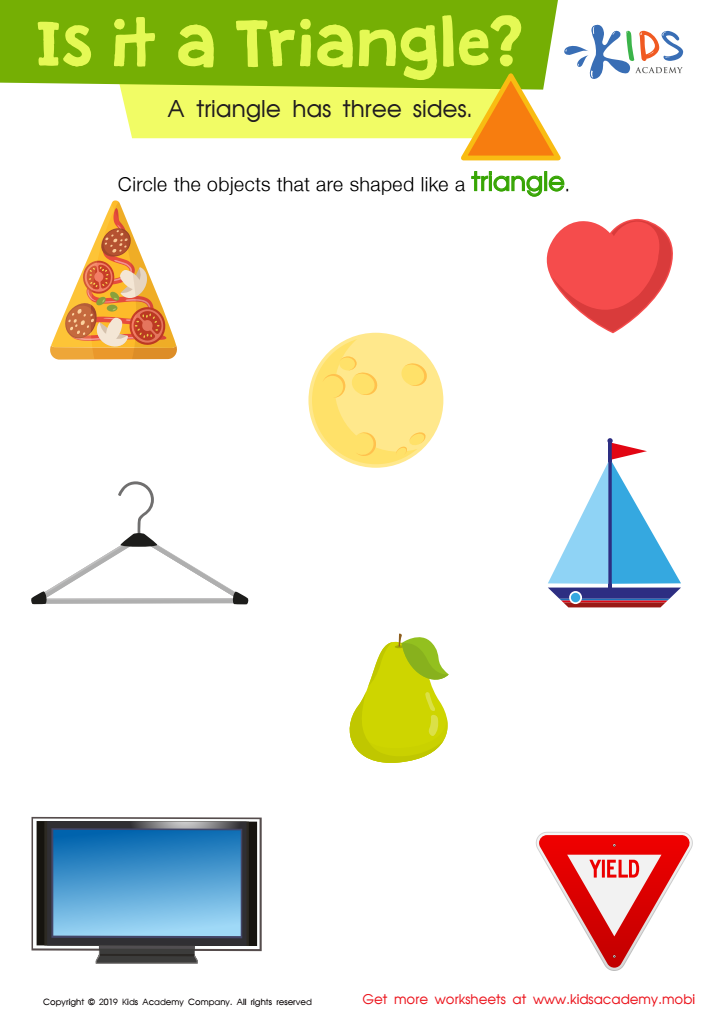
Is It a Triangle? Worksheet
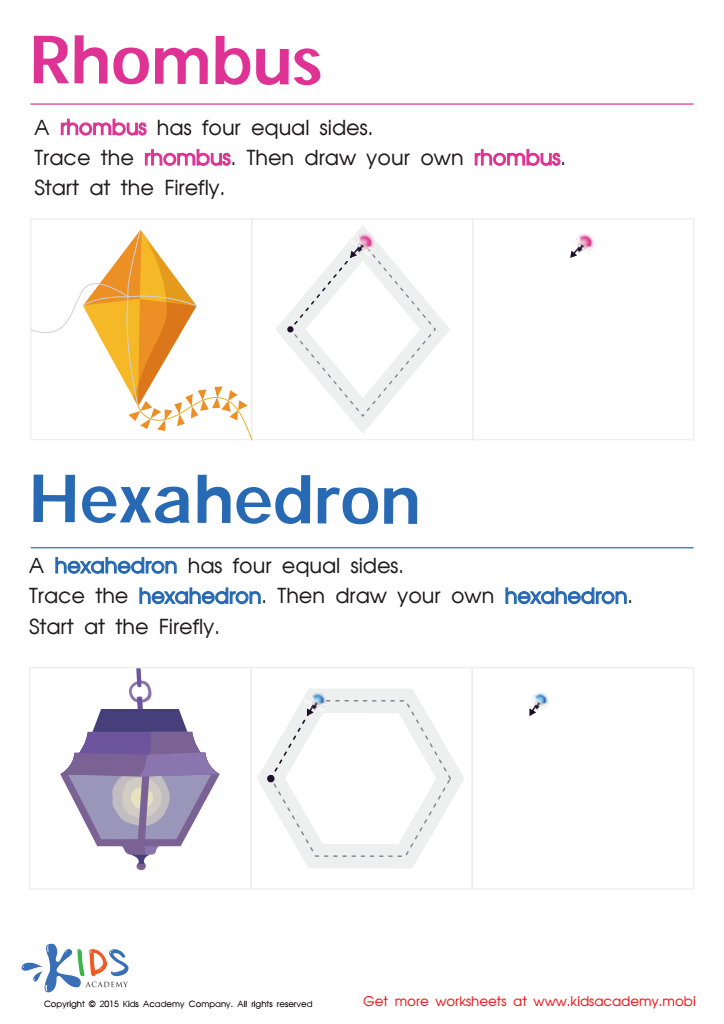
Draw a Rhombus And a Hexahedron Printable
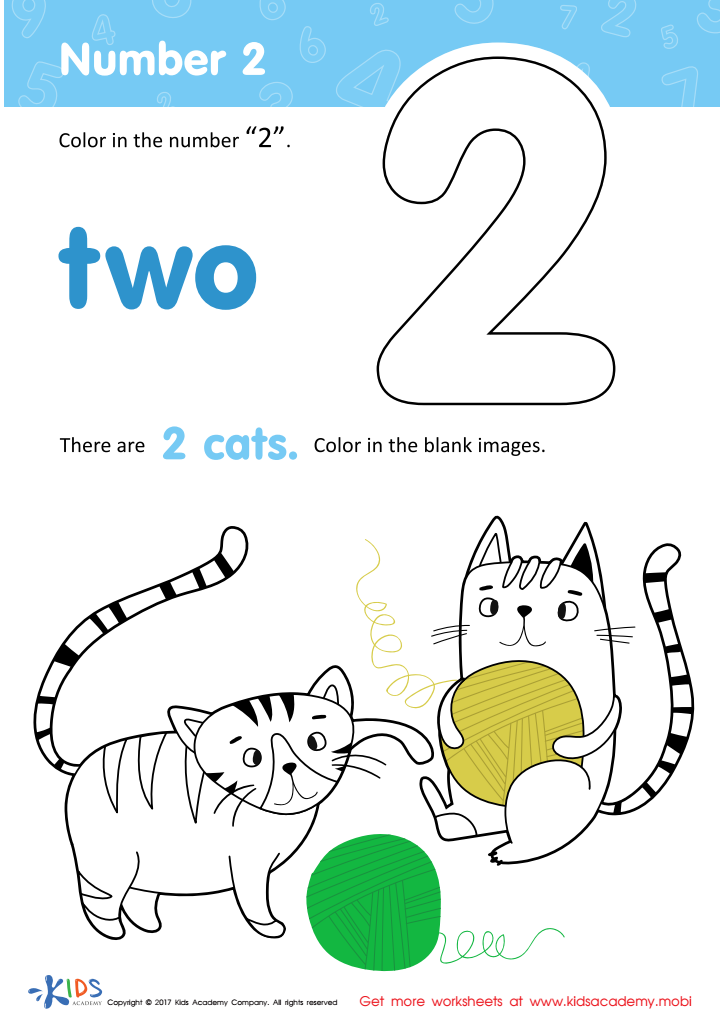
Number 2 Printable
 Assign to My Students
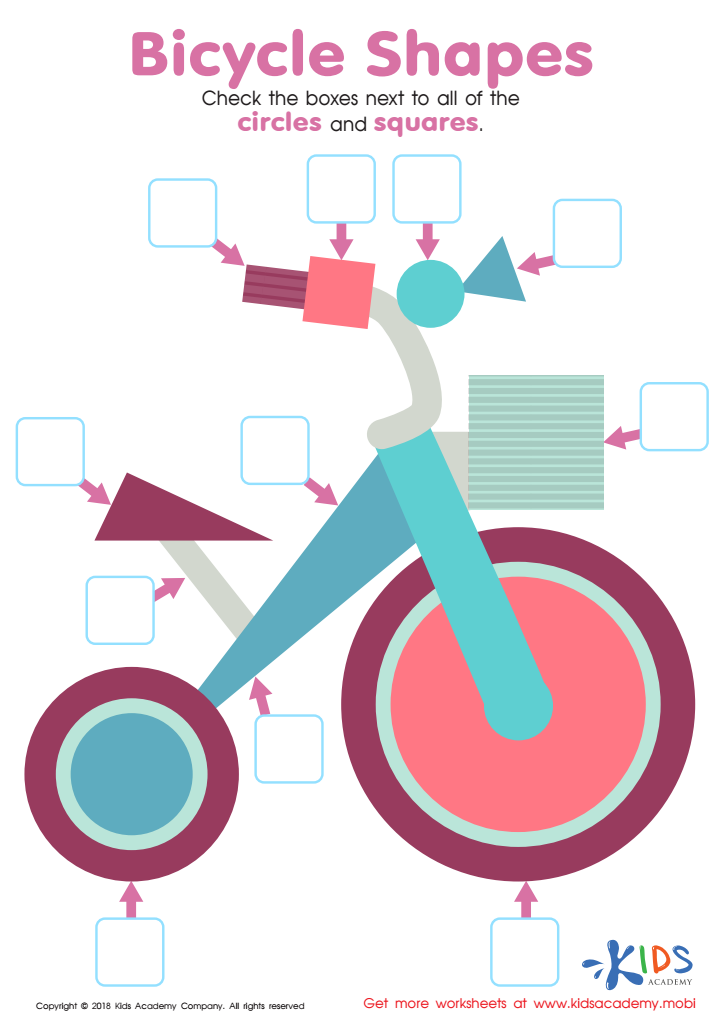
Bicycle Shapes Worksheet
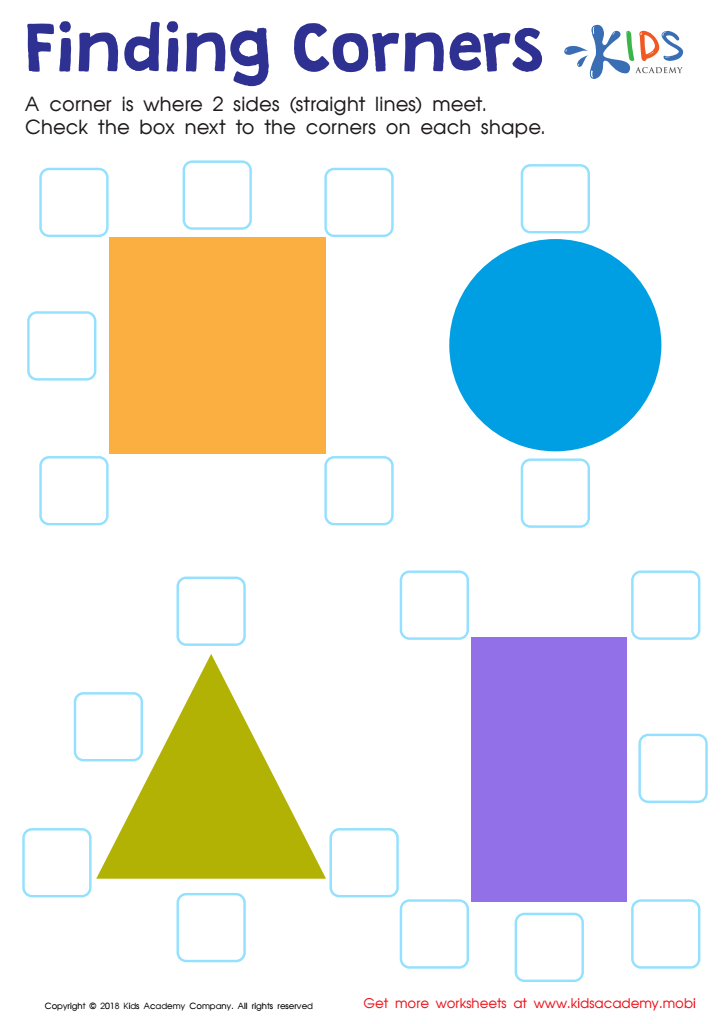
Finding Corners Worksheet
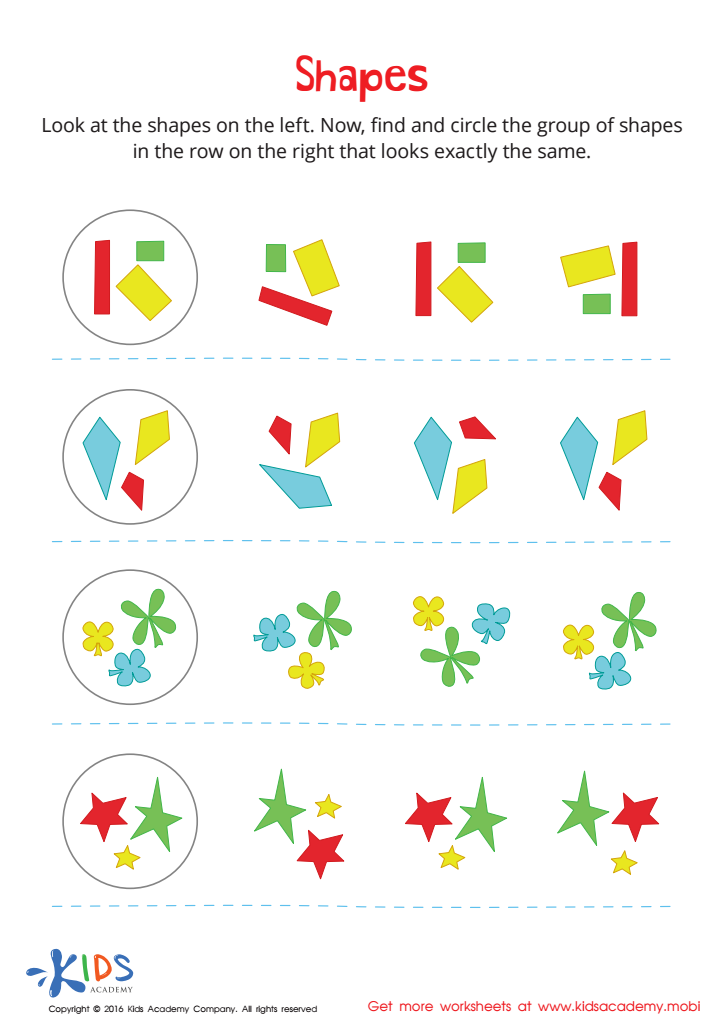
Shapes Worksheet







Shape identification is a fundamental skill for 5-year-olds, serving as a building block for cognitive and spatial development. Understanding shapes enables young children to categorize objects, enhancing their ability to recognize patterns and relationships in their environment. This skill is crucial as it fosters critical thinking and problem-solving abilities, essential components for future learning.
Moreover, shape identification supports early mathematical skills. Children who can recognize and name shapes are better prepared for more complex concepts, such as geometry and measurement, which they will encounter later in their education. Engaging with shapes also enriches vocabulary, as teachers and parents can introduce terms like "triangle," "square," and "rectangle," thereby expanding children's language skills.
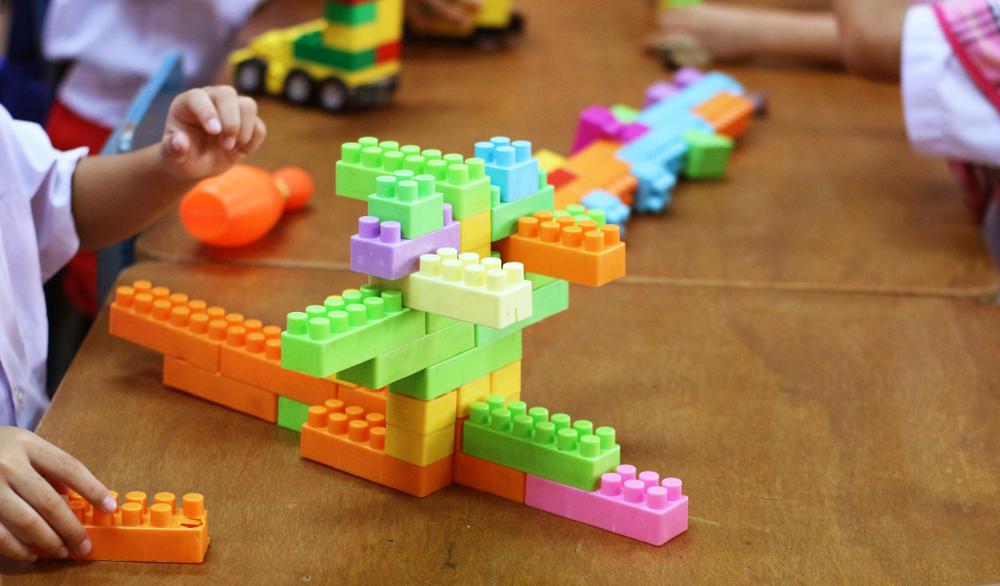
Additionally, shape identification encourages sensory exploration and fine motor skills when children engage in hands-on activities such as drawing, cutting, and constructing with shapes. It also cultivates creativity through art projects requiring the use of various shapes.
Ultimately, when parents and teachers prioritize shape identification, they lay a solid foundation for holistic learning. This early focus nurtures confidence, curiosity, and an innate love for learning in children, setting the stage for lifelong educational success.








