Understanding numbers Worksheets for 5-Year-Olds
4 filtered results
-
From - To
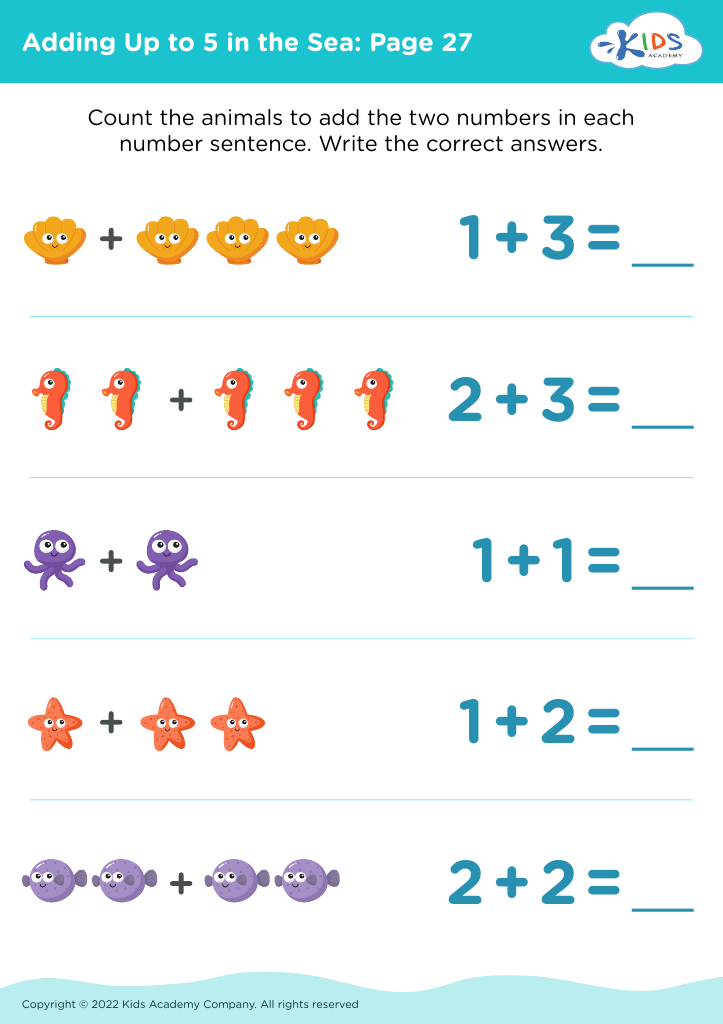
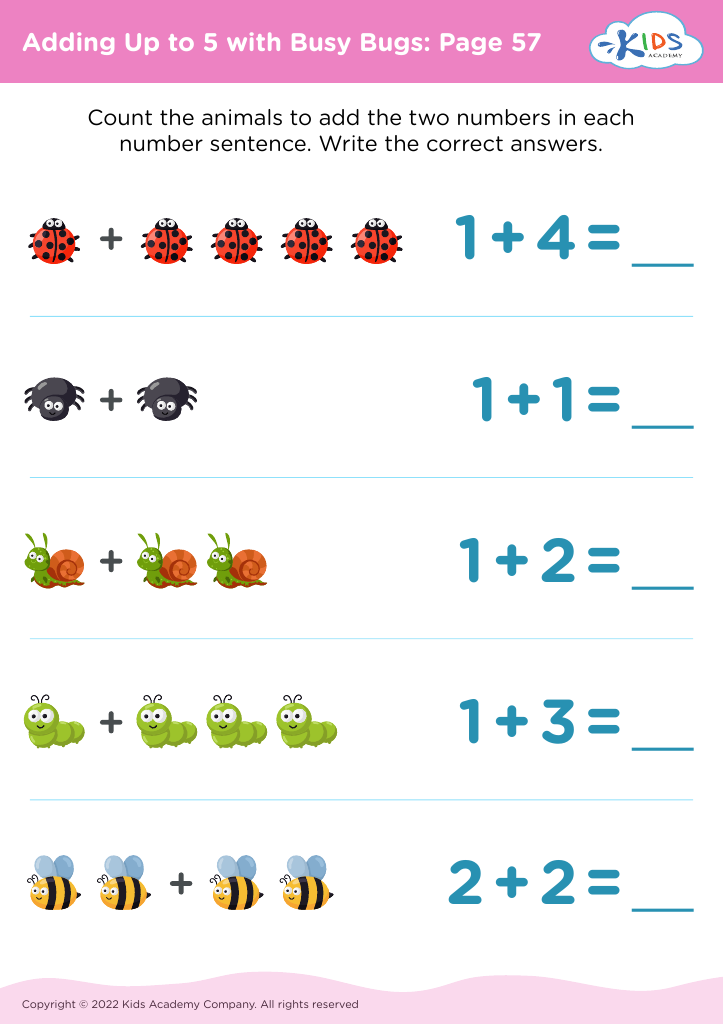
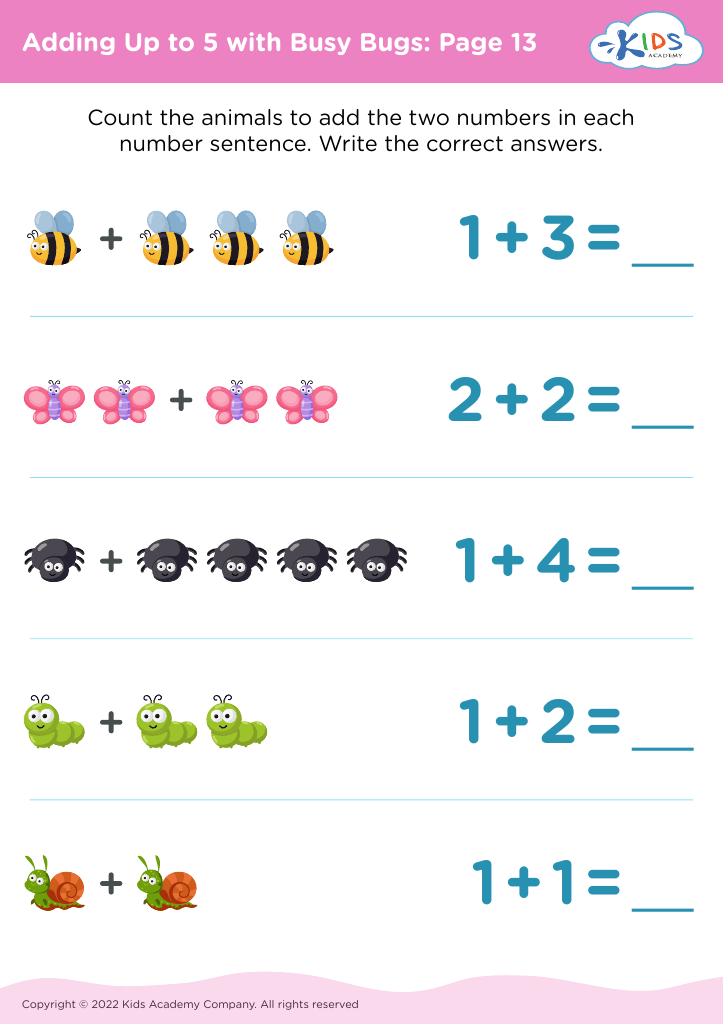
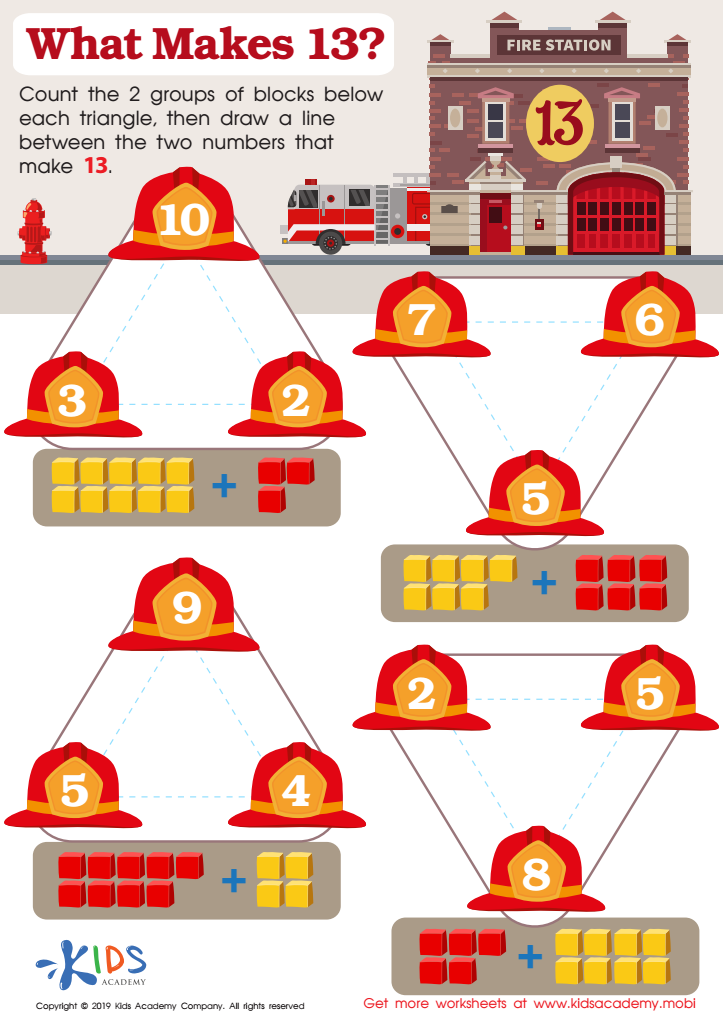
Discover our engaging Understanding Numbers worksheets designed specifically for 5-year-olds! These worksheets are perfect for young learners, helping them develop essential counting skills, number recognition, and basic mathematical concepts. Through fun activities, colorful illustrations, and interactive exercises, children can explore numbers in a hands-on way. From counting objects to matching numbers and practicing simple addition, these resources encourage creativity while reinforcing math fundamentals. Whether at home or in the classroom, our worksheets make learning numbers enjoyable and effective. Empower your child’s early math journey today with our thoughtfully crafted materials that nurture their natural curiosity and boost confidence in their skills!
What Makes 13 Worksheet
 Assign to My Students






Understanding numbers for 5-year-olds is crucial because it lays the foundation for a lifetime of mathematical learning and problem-solving. At this age, children's brains are highly receptive to new concepts, making it the ideal time to introduce them to basic numerical skills. Mastery of numbers not only enhances cognitive abilities but also impacts their overall academic performance and confidence in learning.
Parents and teachers should prioritize this understanding, as it fosters critical life skills such as reasoning, pattern recognition, and logical thinking. Engaging children with numbers through fun activities—like counting objects, playing number games, or exploring basic addition and subtraction—encourages a positive attitude towards math.
Moreover, a solid grasp of numerical understanding promotes success in everyday situations, prepares children for future schoolwork, and nurtures essential skills such as financial literacy and problem-solving. Additionally, culturally relevant connections to numbers, such as counting in different languages or relating them to everyday experiences, deepen children's appreciation for mathematics in the world around them. Overall, investing time in developing early numerical understandings fosters lifelong learners who are equipped to navigate both academic and real-world challenges effectively.








