Understanding Quantities Worksheets for 5-Year-Olds
49 filtered results
-
From - To
Explore our engaging Understanding Quantities worksheets designed specifically for 5-year-olds! These worksheets provide young learners with fun and interactive ways to grasp basic mathematical concepts. By incorporating colorful visuals and relatable scenarios, we help children distinguish between different quantities, promoting essential counting, comparing, and sorting skills. Our resources cater to diverse learning styles, ensuring each child can thrive at their own pace. With exercises that spark curiosity and foster a love for numbers, parents and educators can confidently support early math literacy. Dive into these worksheets today to lay a solid foundation for your child’s mathematical journey!
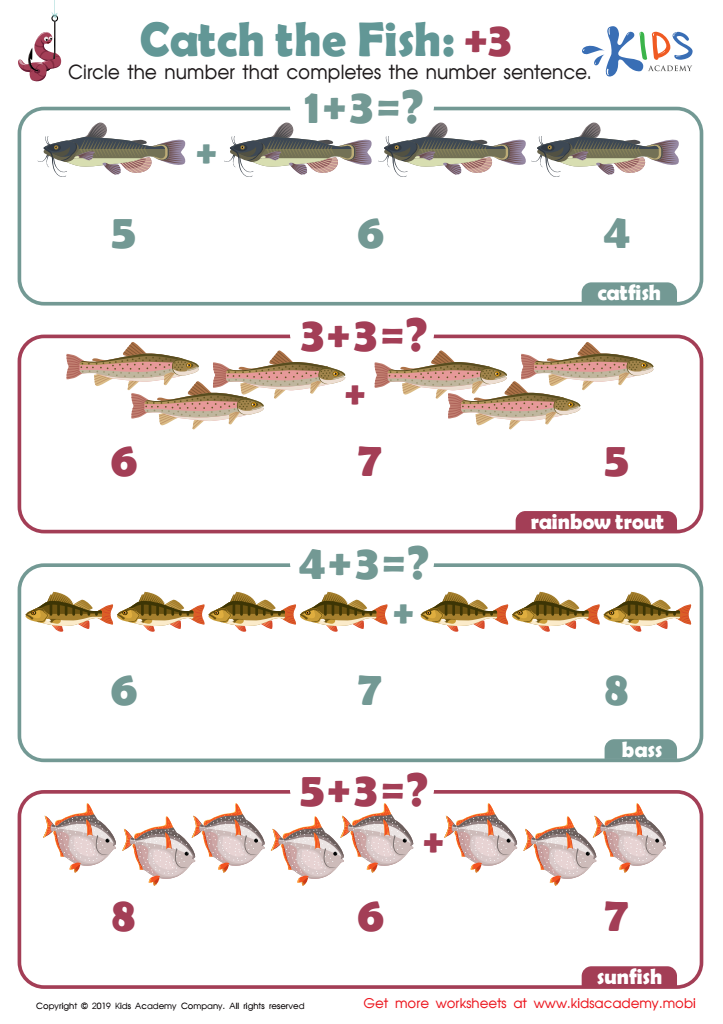
Catch the Fish: +3 Worksheet
 Assign to My Students
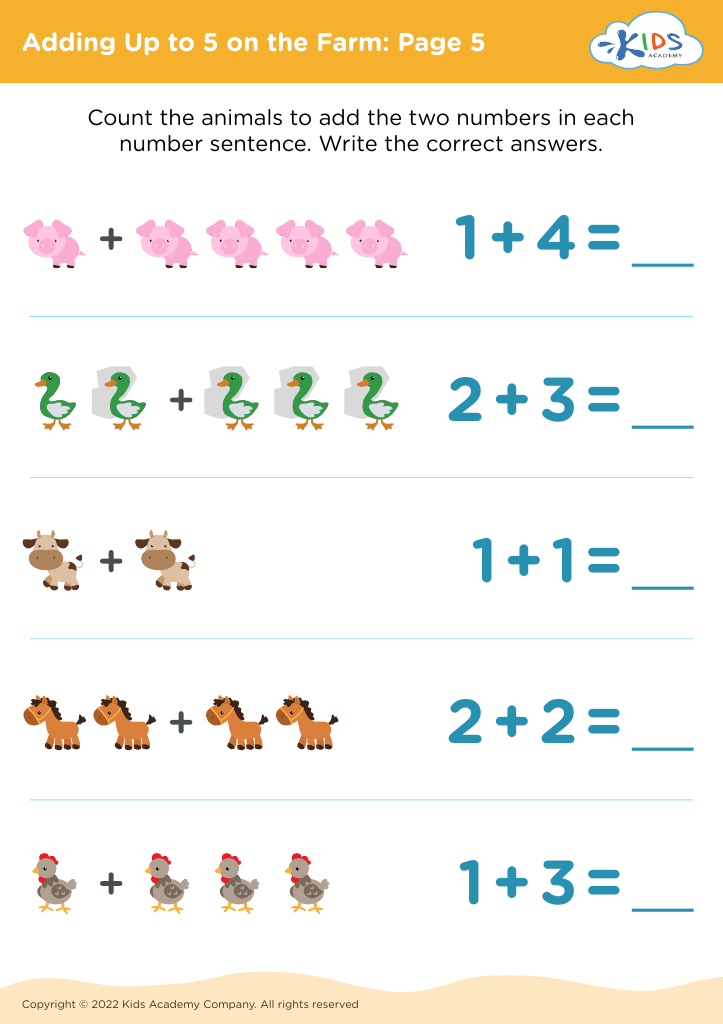
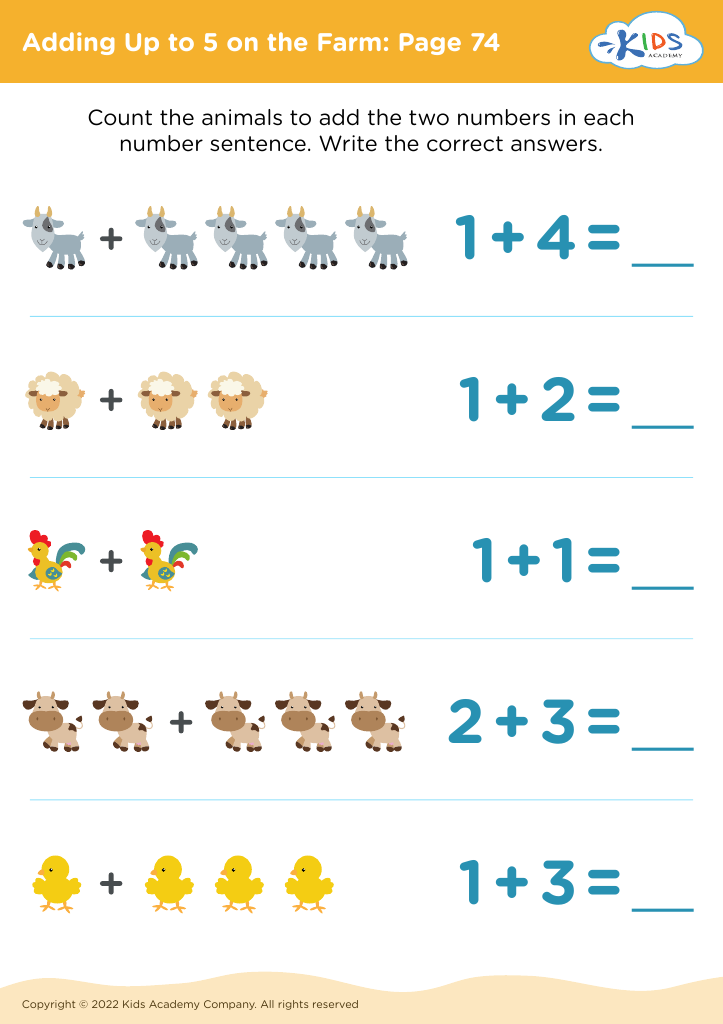
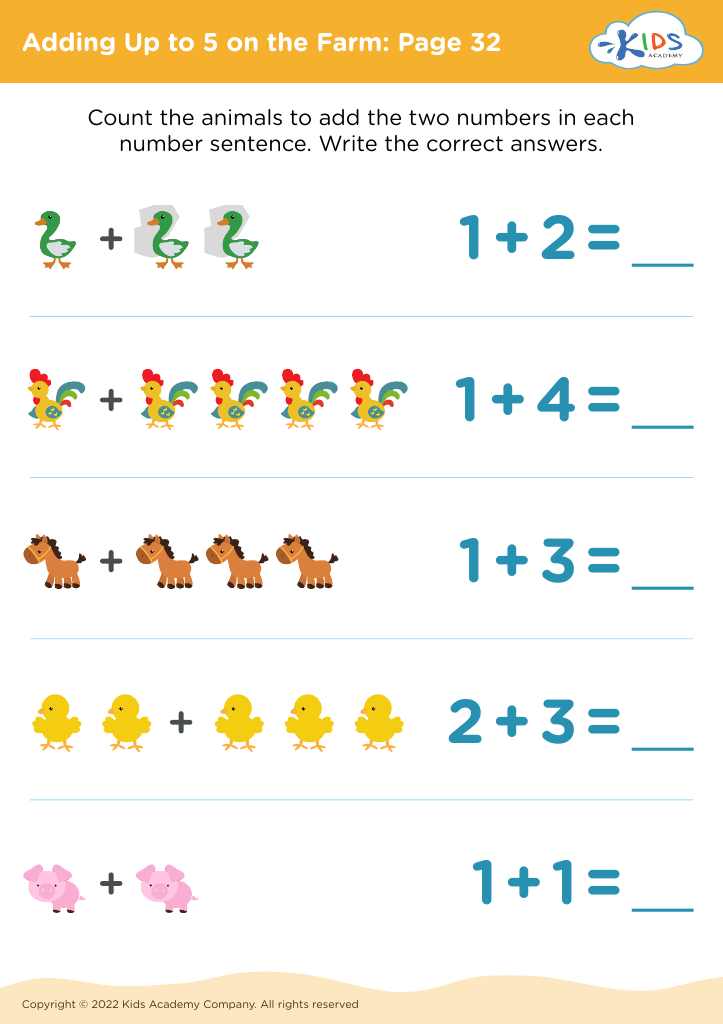
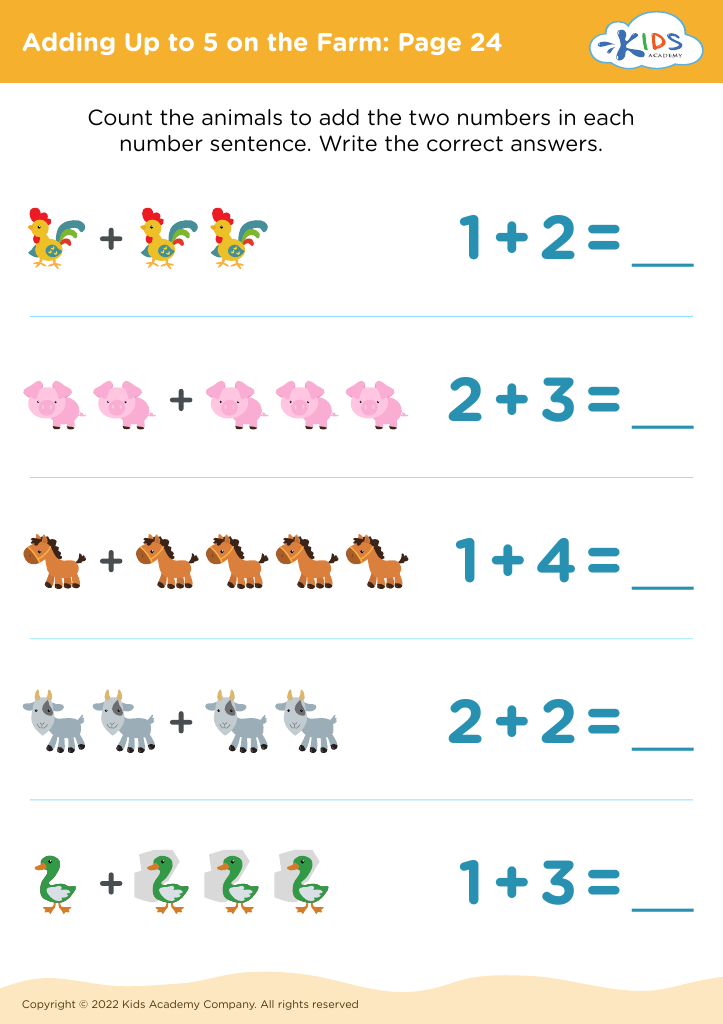
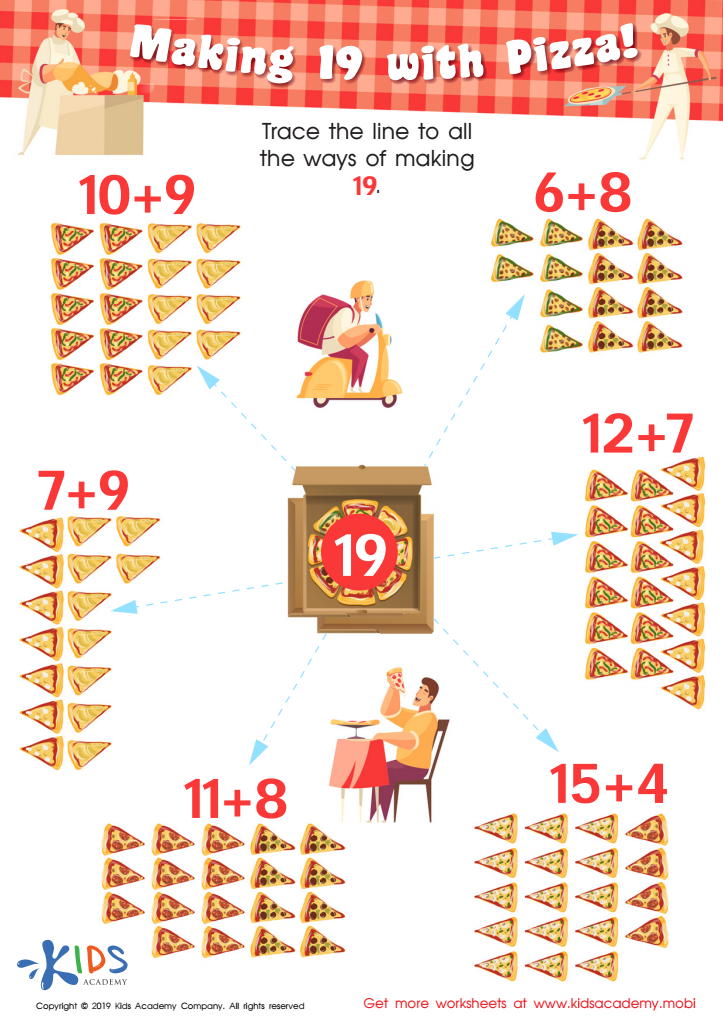
Making 19 with Pizza! Worksheet
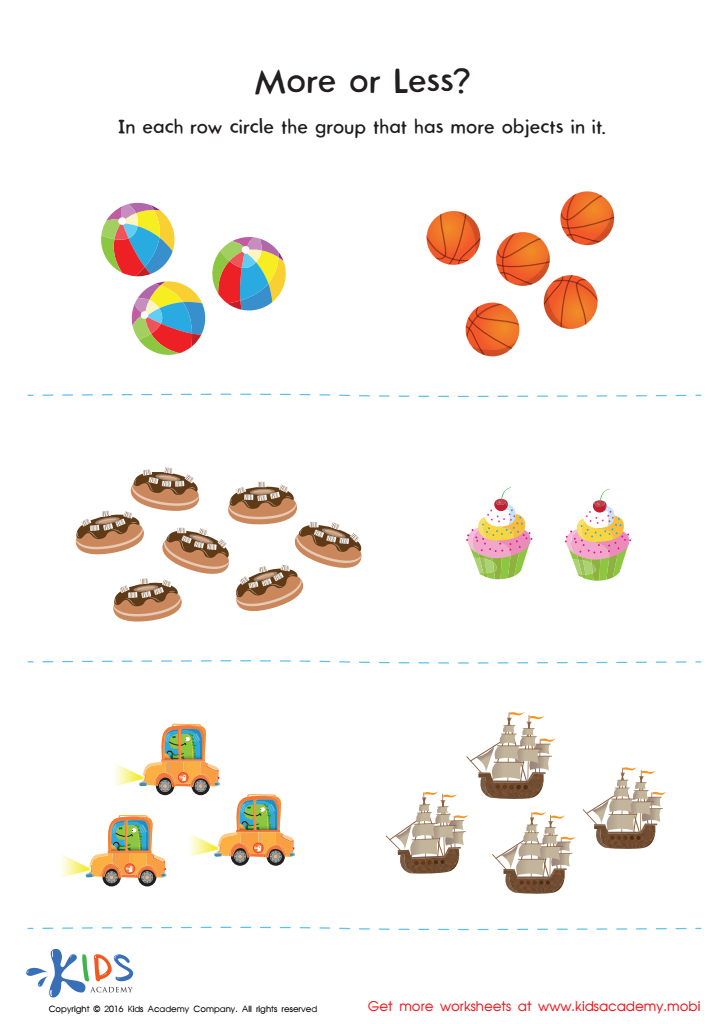
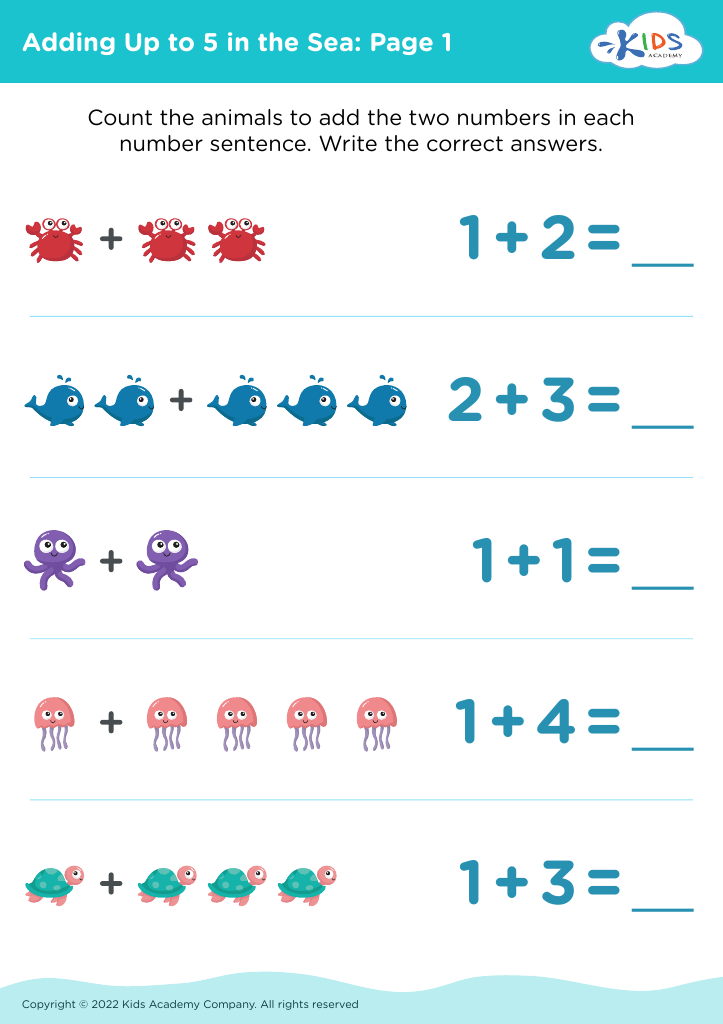
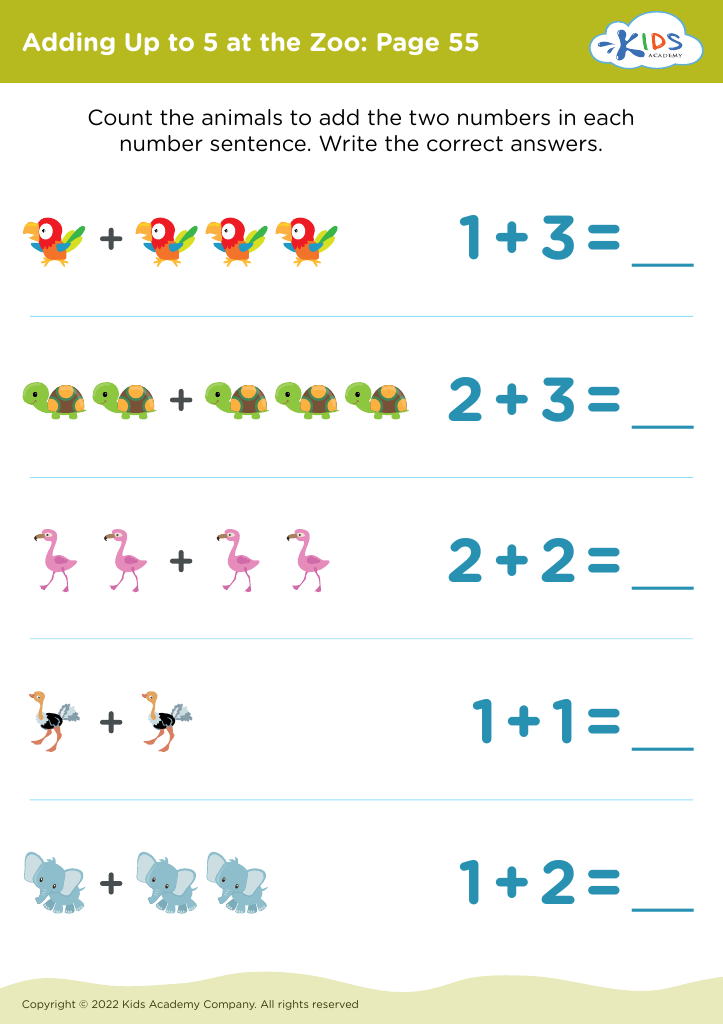
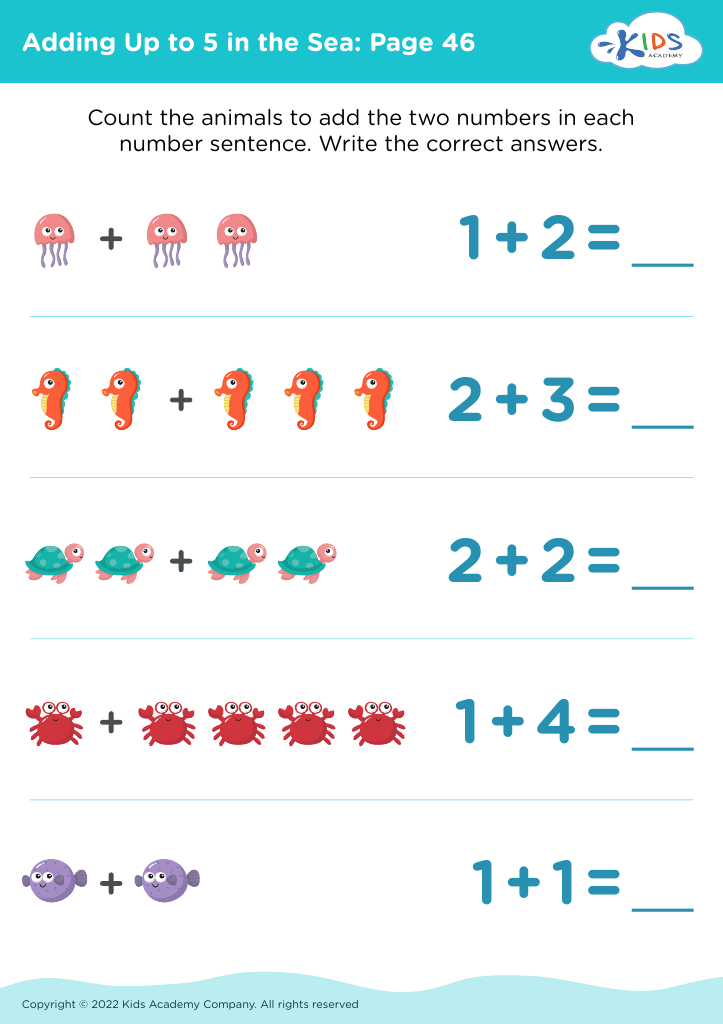
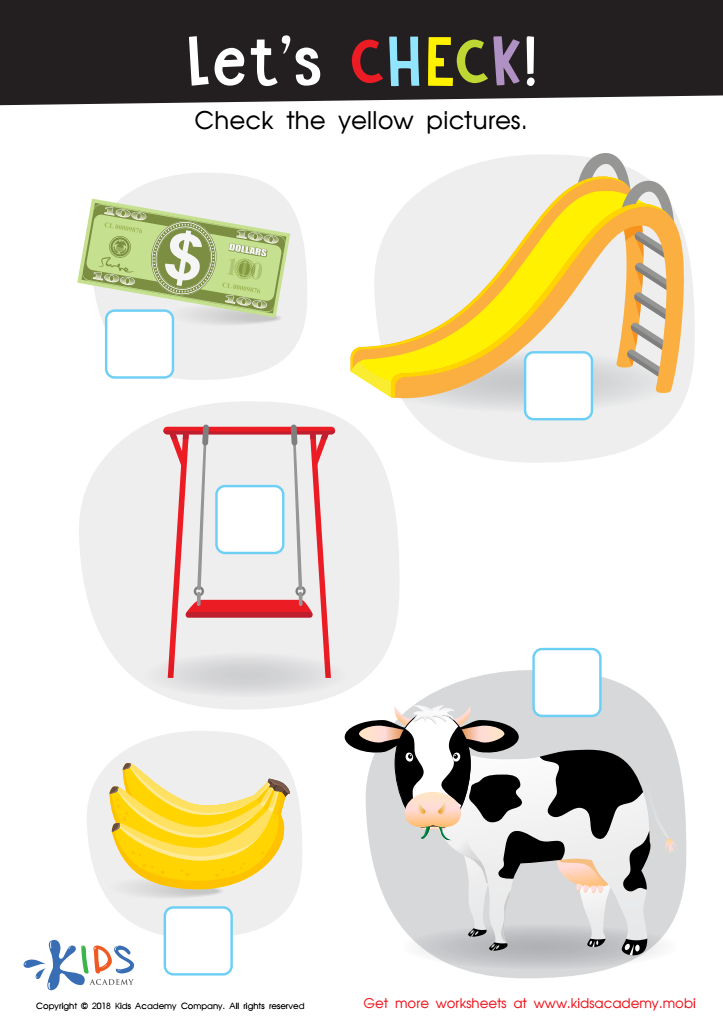
Let's Check! Worksheet
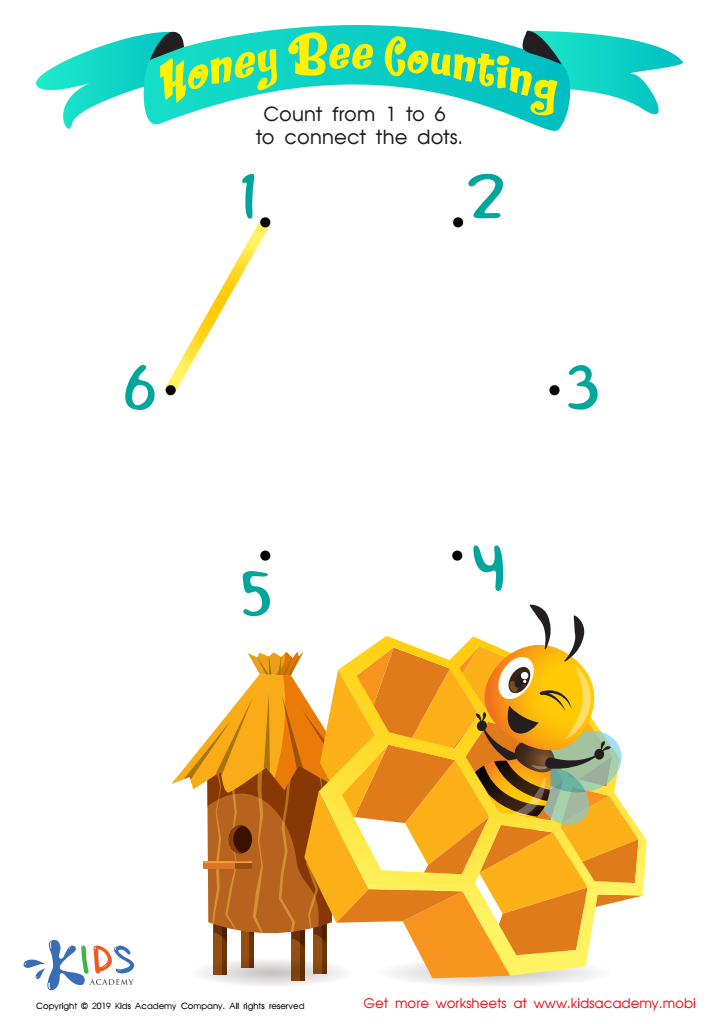
Honey Bee Counting Worksheet







Understanding quantities is a fundamental skill for 5-year-olds, forming the building blocks for later mathematical learning and critical thinking. When parents and teachers prioritize this concept, they lay the groundwork for children's numerical literacy and reinforce their ability to engage with the world around them. Recognizing quantities helps young learners develop counting skills, identify shapes, and understand comparisons—essential components as they progress in their education.
Moreover, grasping quantities encourages problem-solving skills and logical reasoning, empowering children to approach challenges with confidence. It nurtures a sense of proportion and measurement, which are crucial not only in math but in everyday activities, from cooking to shopping.
Incorporating activities that promote quantity understanding, such as counting objects or comparing groups, fosters a positive attitude towards learning. This also supports language development as children articulate their thoughts and describe their reasoning.
Additionally, early mastery of quantity concepts can bridge significant gaps in learning down the line, decreasing the likelihood of math anxiety in later years. Ultimately, when parents and teachers invest in this vital area of development, they cultivate a strong foundation for lifelong learning and better prepare children for future academic endeavors.








