Writing practice Worksheets for 5-Year-Olds - Page 2
29 filtered results
-
From - To
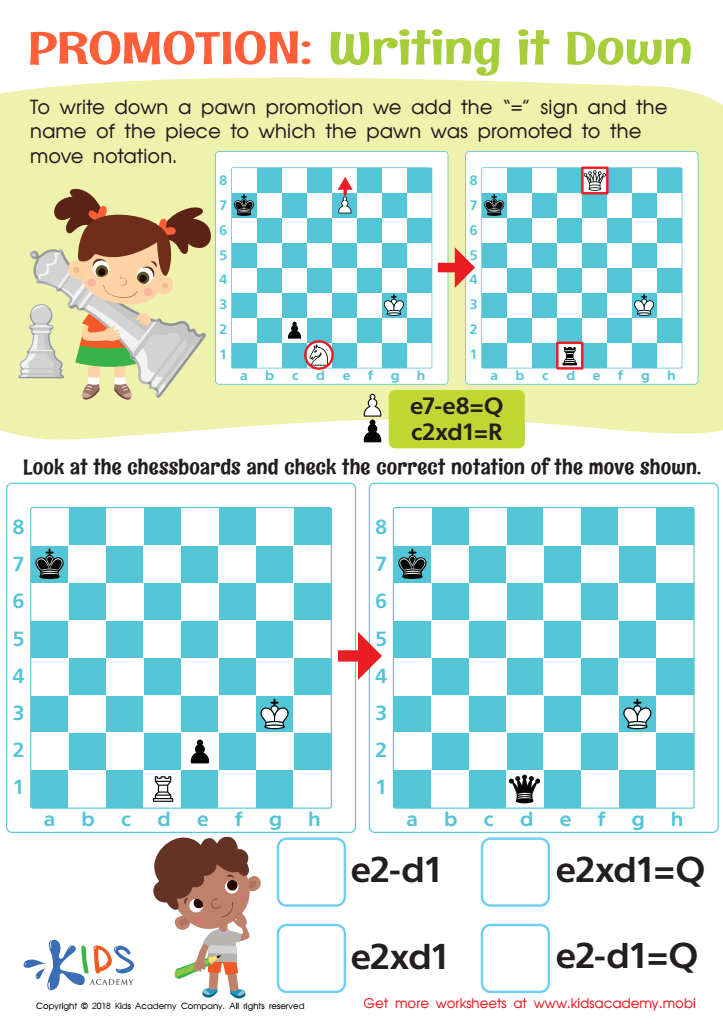
Writing it Down Worksheet
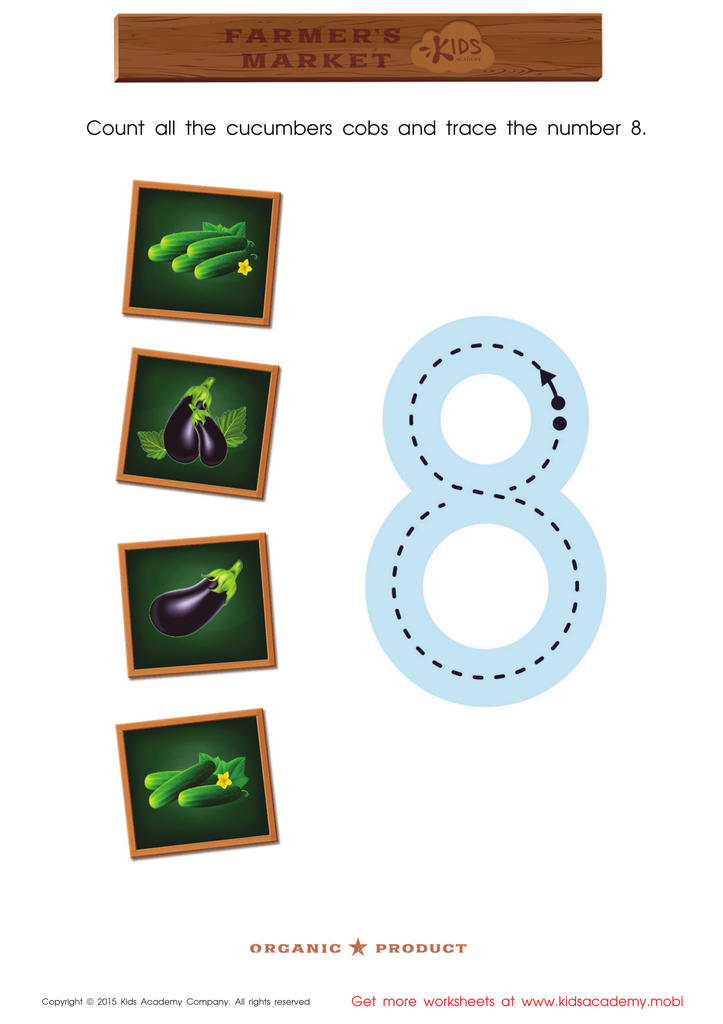
Count the Cucumbers and Trace the Number 8 Printable
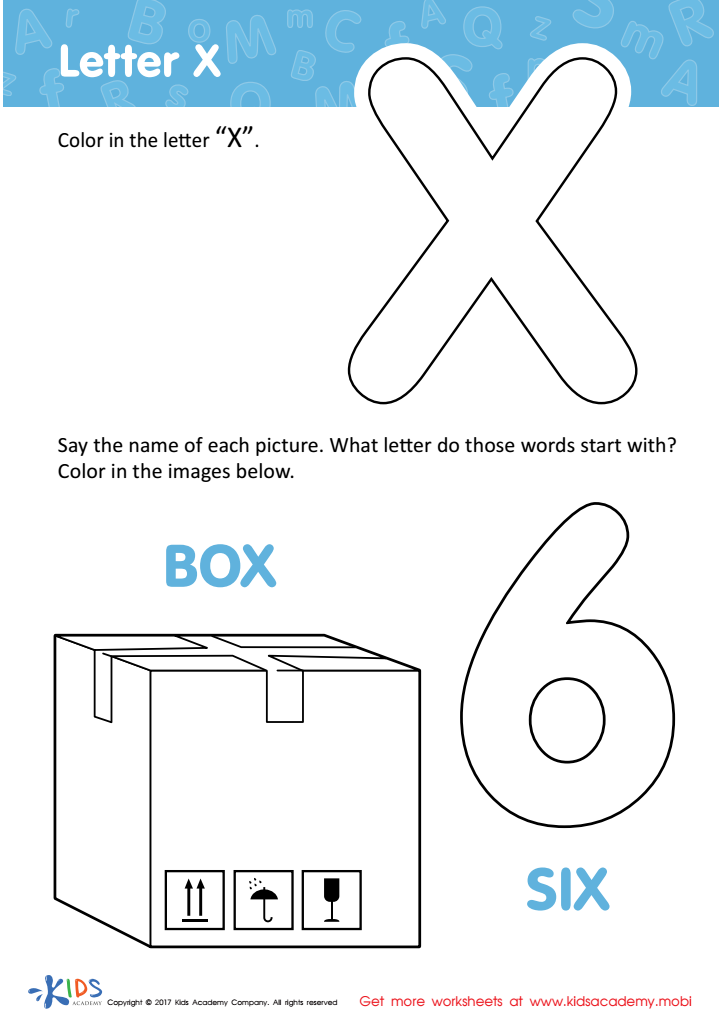
Letter X Coloring Sheet
 Assign to My Students
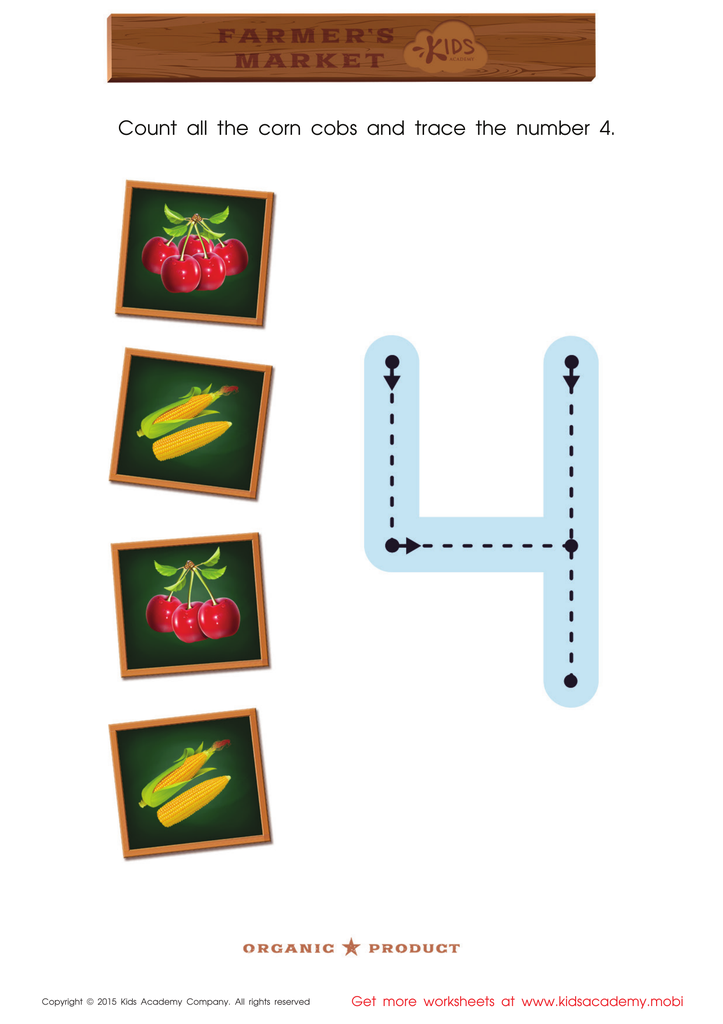
Count the Corncobs and Trace the Number 4 Worksheet








Writing practice for 5-year-olds is critical for several reasons, influencing both the short and long-term development of children. At this age, children's brains are incredibly malleable. Engaging in writing exercises helps develop fine motor skills, as they learn to control pencil movements and form letters and shapes accurately. These activities build hand-eye coordination and strengthen hand muscles, foundational for other daily tasks.
Moreover, writing practice enhances cognitive abilities by encouraging children to articulate their thoughts clearly, organize information systematically, and understand the relationship between letters and sounds. This groundwork is essential for reading proficiency, as recognizing and forming letters are initial steps towards fluency.
Social and emotional development also benefit from early writing practice. Being able to express themselves through written words, children grow in confidence and independence. In classroom settings, writing assignments can foster a sense of accomplishment and encourage positive behavior, like focus and perseverance.
For parents and teachers, investing time in writing practice from an early age creates a strong academic foundation, paving the way for future educational success. These skills don’t just migrate into literacy but are integral to overall intellectual growth, thereby shaping curious, competent, and confident lifelong learners.








