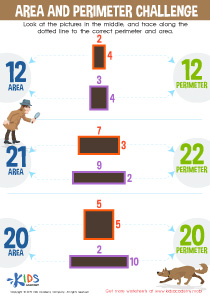
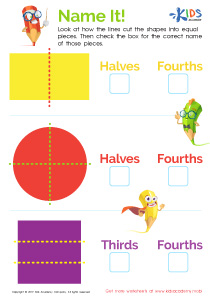
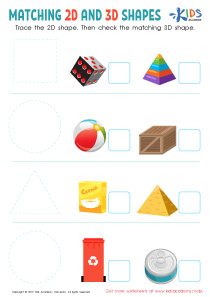
Basic geometry understanding 2D Shapes Worksheets for 5-Year-Olds
3 filtered results
Difficulty Level
Grade
Age
-
From - To
Subject
Activity
Standards
Discover our engaging "Basic Geometry Understanding: 2D Shapes Worksheets for 5-Year-Olds"! These interactive worksheets are designed to introduce young learners to the world of 2D shapes through fun activities. Children will explore fundamental concepts as they identify, draw, and categorize a variety of shapes such as circles, squares, triangles, and more. Perfect for enhancing spatial awareness and early math skills, these worksheets encourage creativity while keeping learning enjoyable. They are ideal for both classroom settings and home practice. Help your child build a strong foundation in geometry with our vibrant and easy-to-use resources! Get started today!
Favorites
With answer key
Interactive
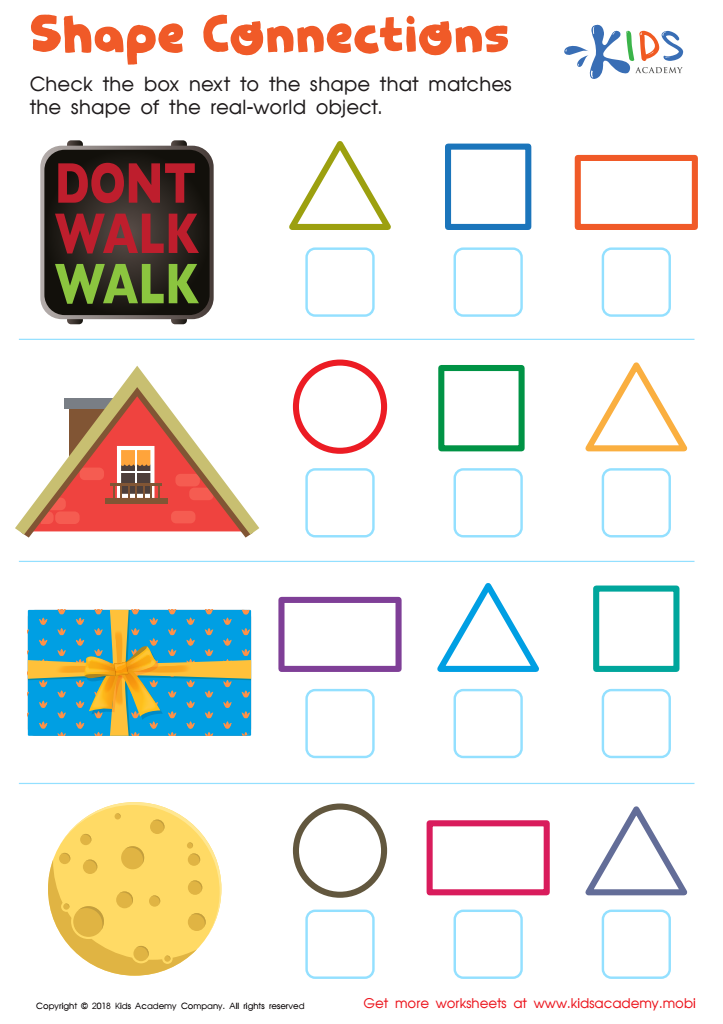
Shape Connections Worksheet
Geometric shapes are all around us and this fun worksheet brings it to life. Kids will match real-world pictures with the corresponding basic shapes, connecting how math is used in various aspects of daily life. A great way to reinforce these concepts!
 Assign to My Students
Shape Connections Worksheet
Worksheet

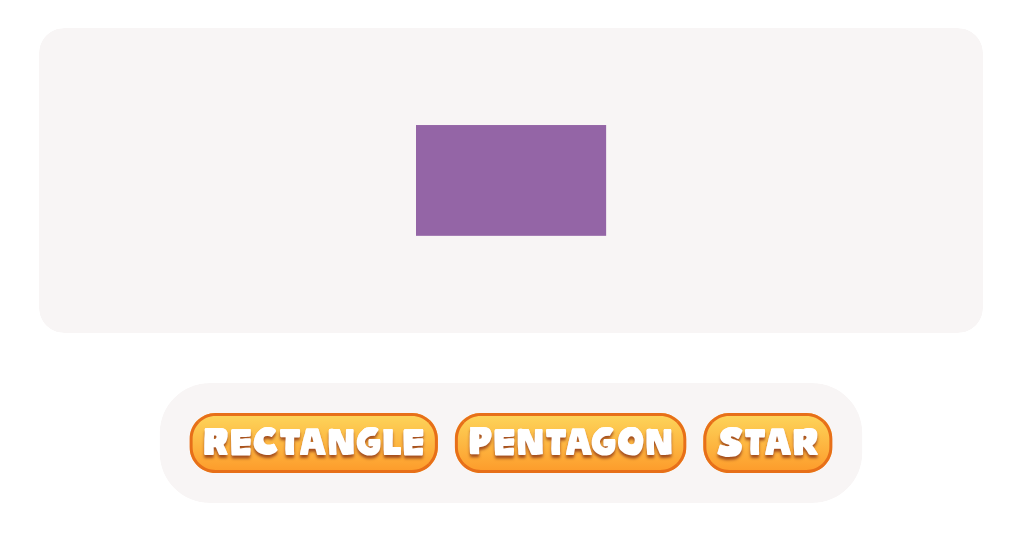
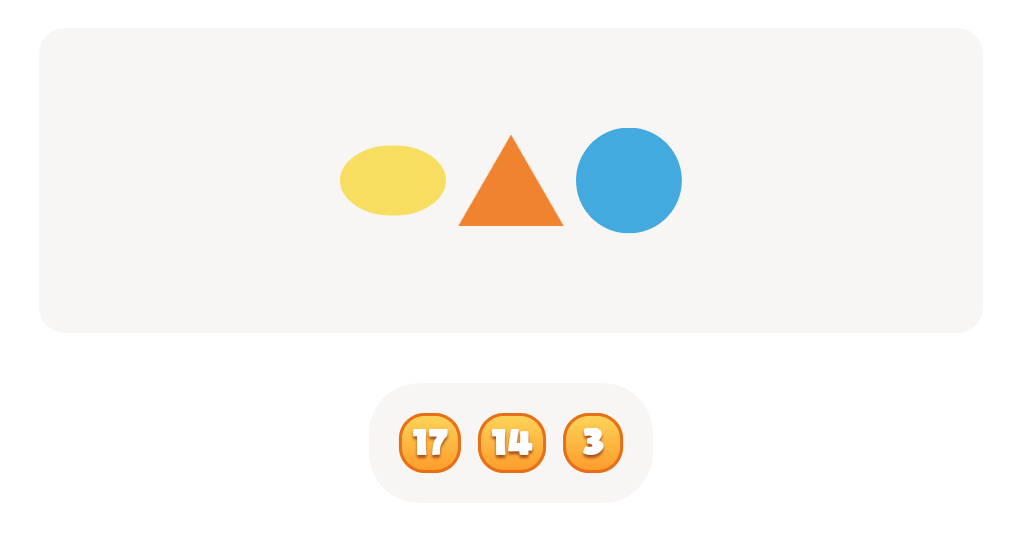
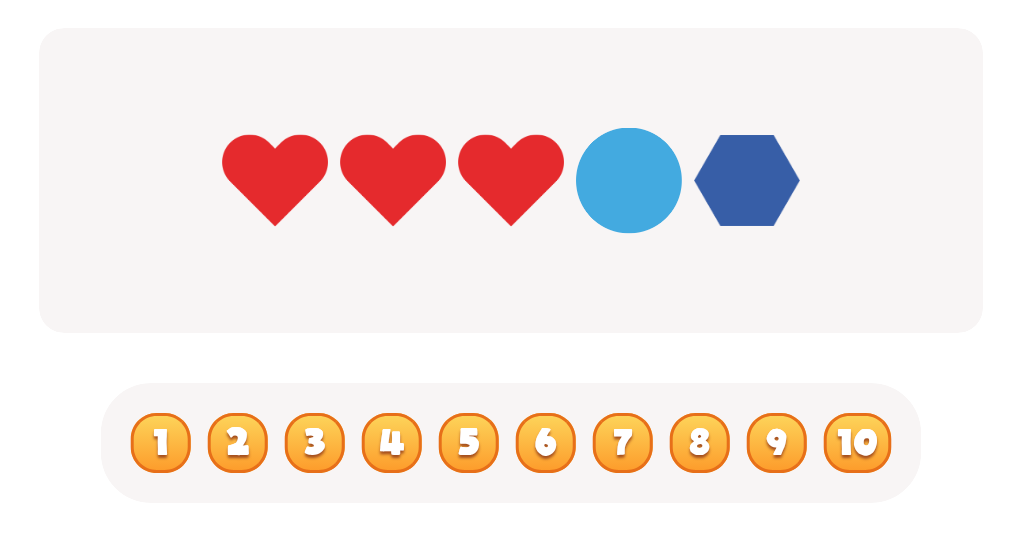
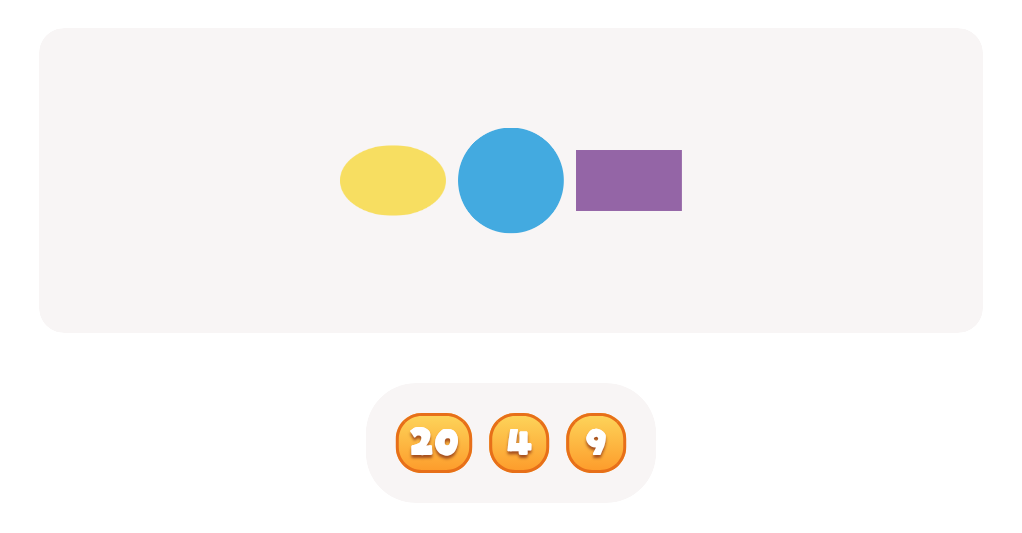
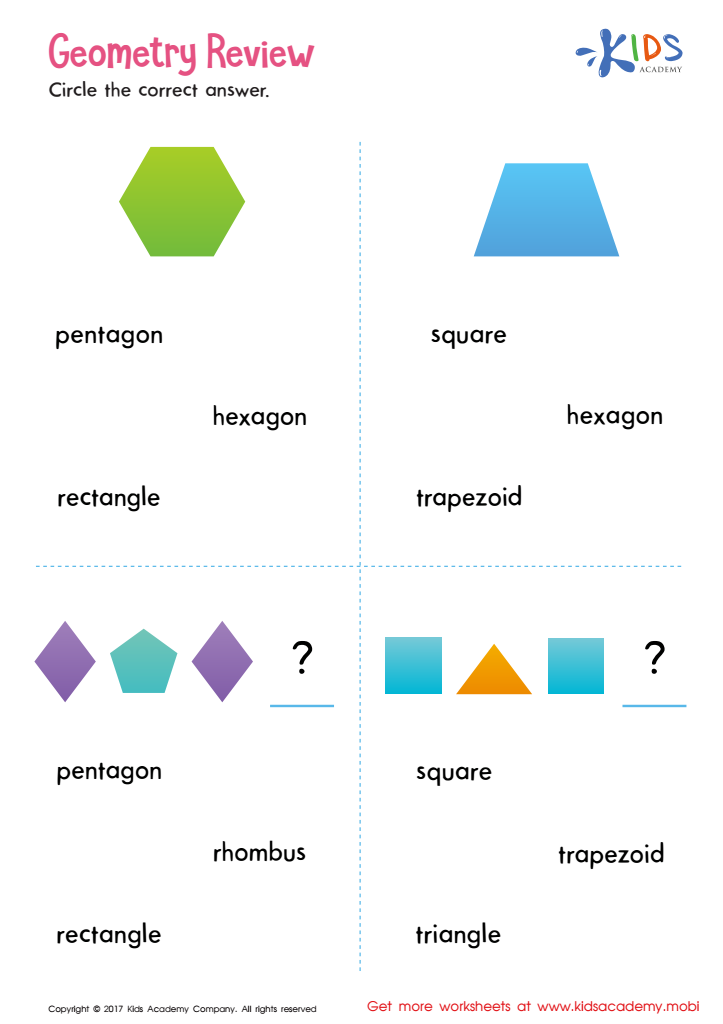
Geometry Review Printable
Repetition is key to success; give your child the practice they need with this geometry worksheet.
Geometry Review Printable
Worksheet
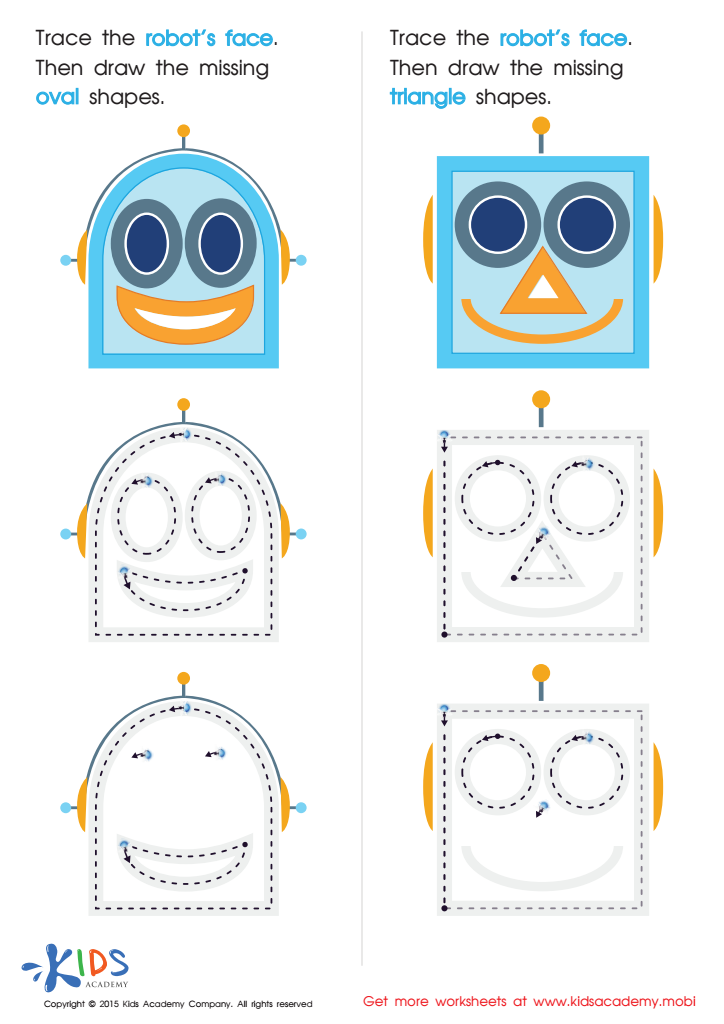
Drawing Ovals And Triangles with Fun Printable
Trace the face and draw missing ovals and triangles. Test your memory and recall shapes' names. Check if you remember how to draw them!
Drawing Ovals And Triangles with Fun Printable
Worksheet
Join Kids Academy for Free
Who is primarily going to use this learning content?








Understanding basic geometry, especially 2D shapes, is crucial for 5-year-olds as it lays the foundation for a child's cognitive and spatial development. Recognizing shapes like circles, squares, and triangles helps children develop critical thinking skills. These concepts not only contribute to mathematical literacy but also enhance problem-solving abilities as children learn to classify objects based on different attributes.
Furthermore, the recognition of 2D shapes plays a pivotal role in fostering creativity. When children engage with shapes, they are better equipped to express their ideas visually, whether through drawing, building, or crafting. This exploration enhances fine motor skills and promotes an understanding of symmetry and balance.
In addition, identifying shapes can support everyday learning, such as recognizing familiar objects, colors, and patterns in their environment, reinforcing their observational skills and language development. As they learn about shapes through play and interaction, it encourages active participation and engagement, promoting social skills when working with peers.
For parents and teachers, nurturing basic geometry understanding in young children sparks a lifelong interest in math and science while building essential thinking skills that are crucial in an increasingly complex world. Investing time in teaching 2D shapes now creates a pathway for future academic success.