Visual Learning Addition Worksheets for 5-Year-Olds - Page 2
87 filtered results
-
From - To
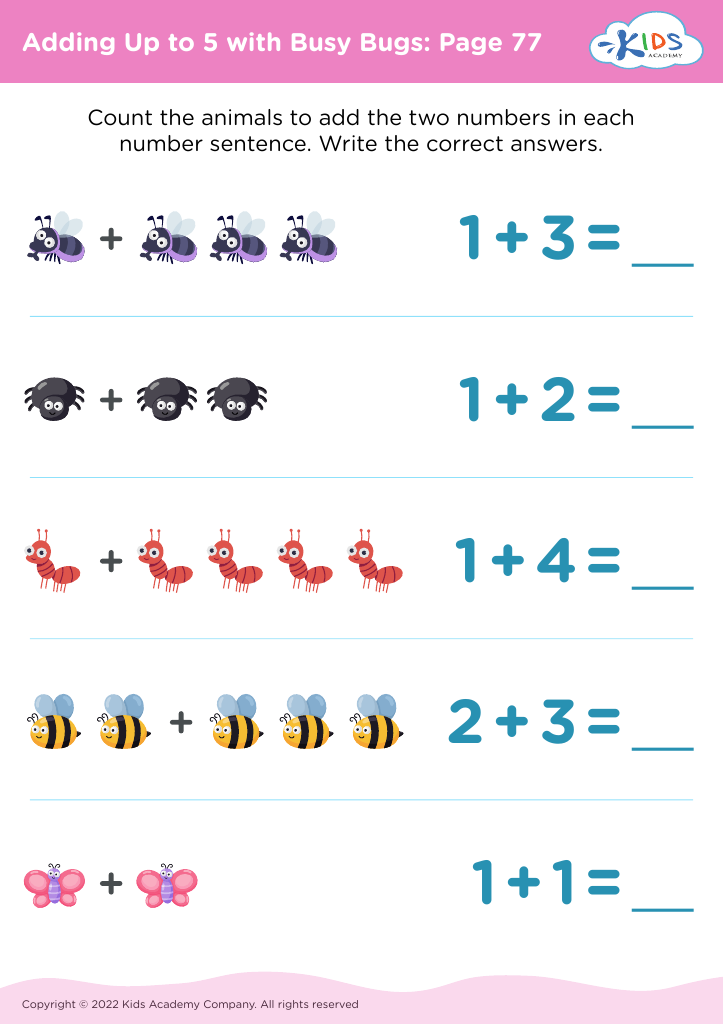
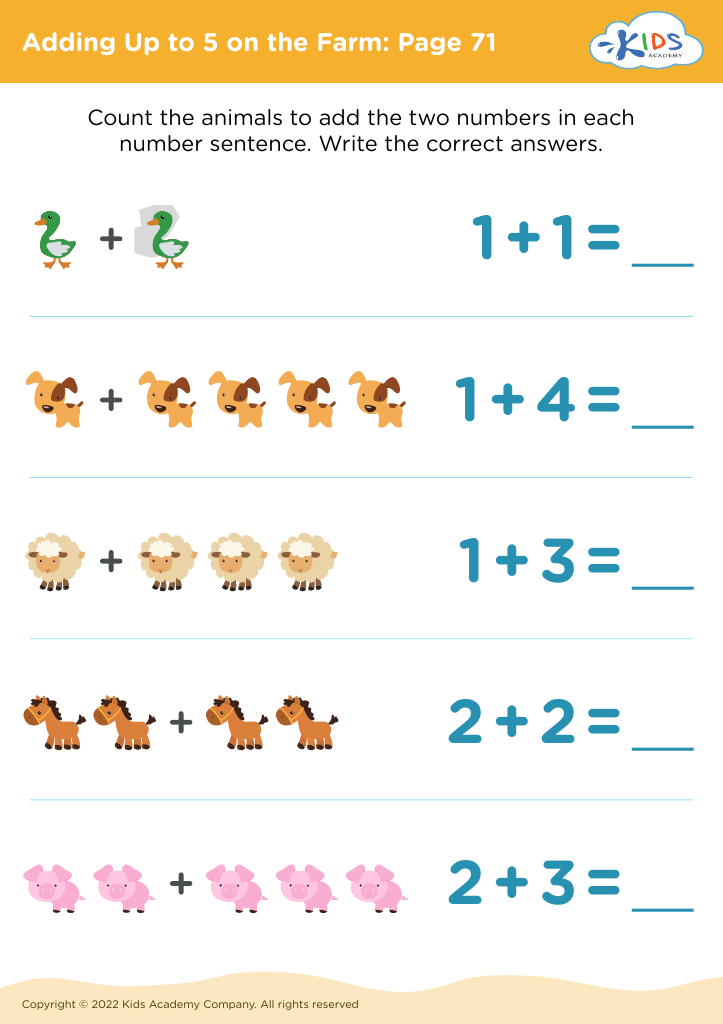
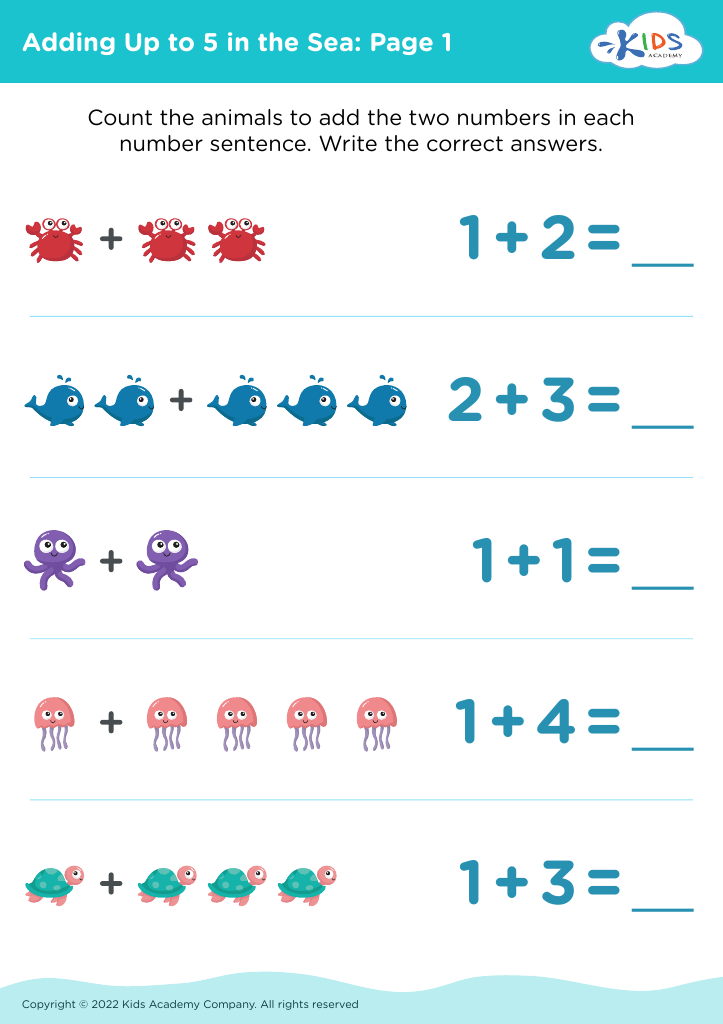
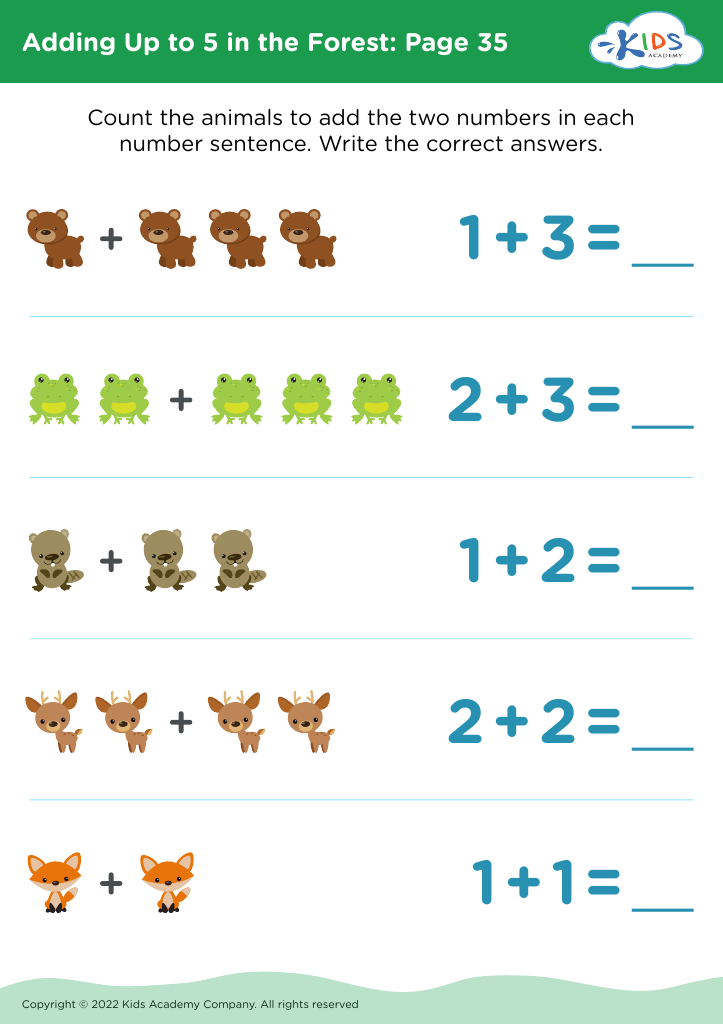
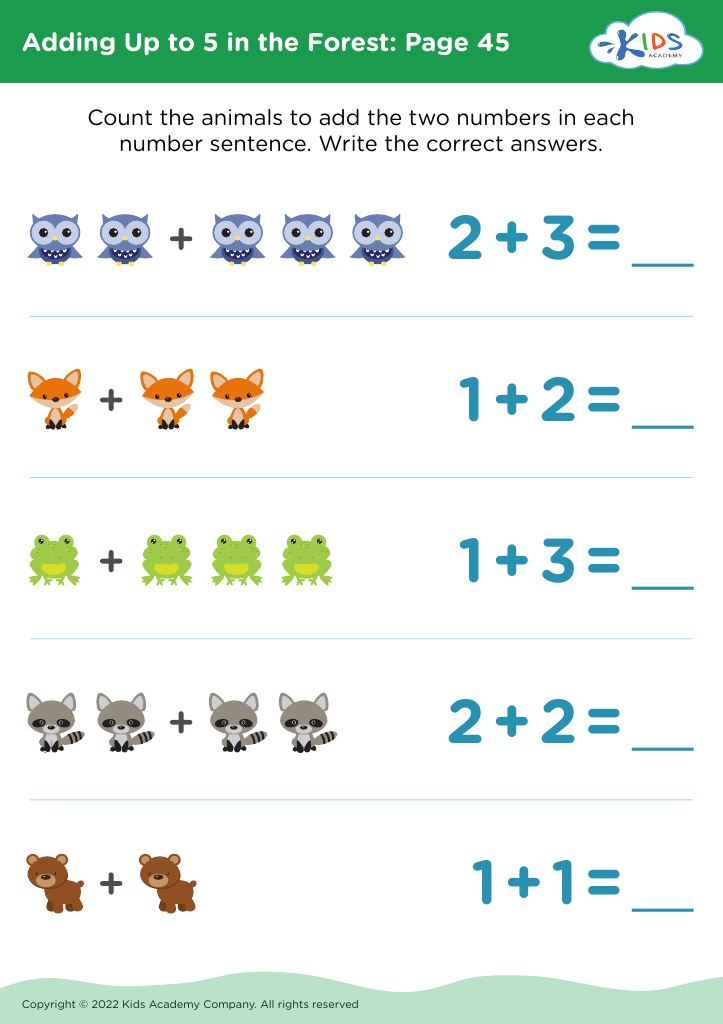
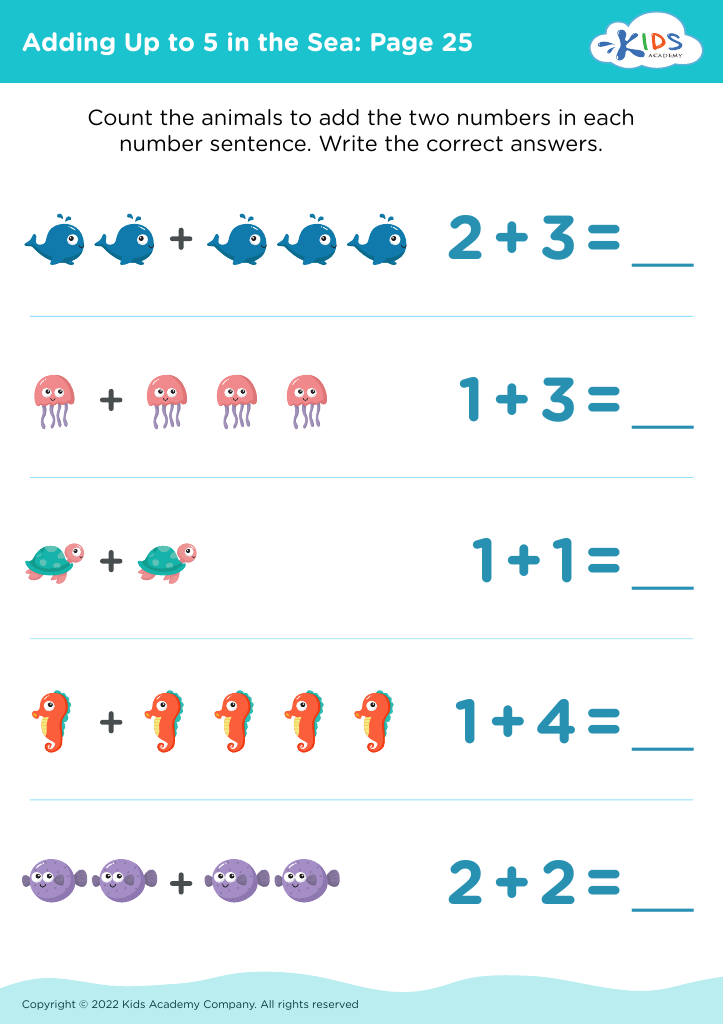
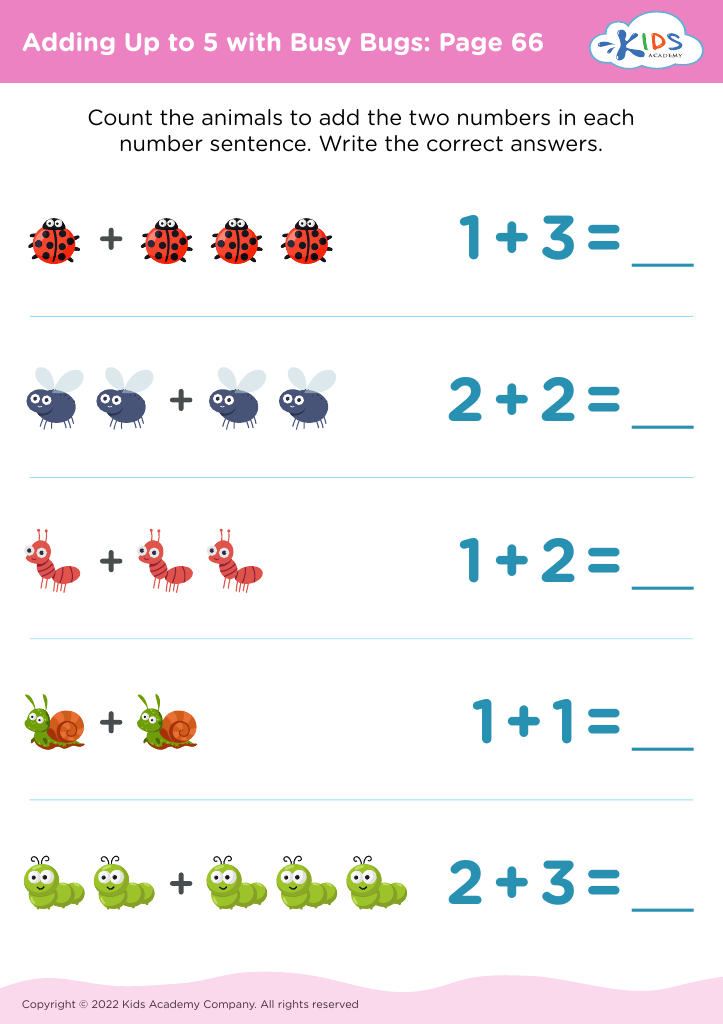
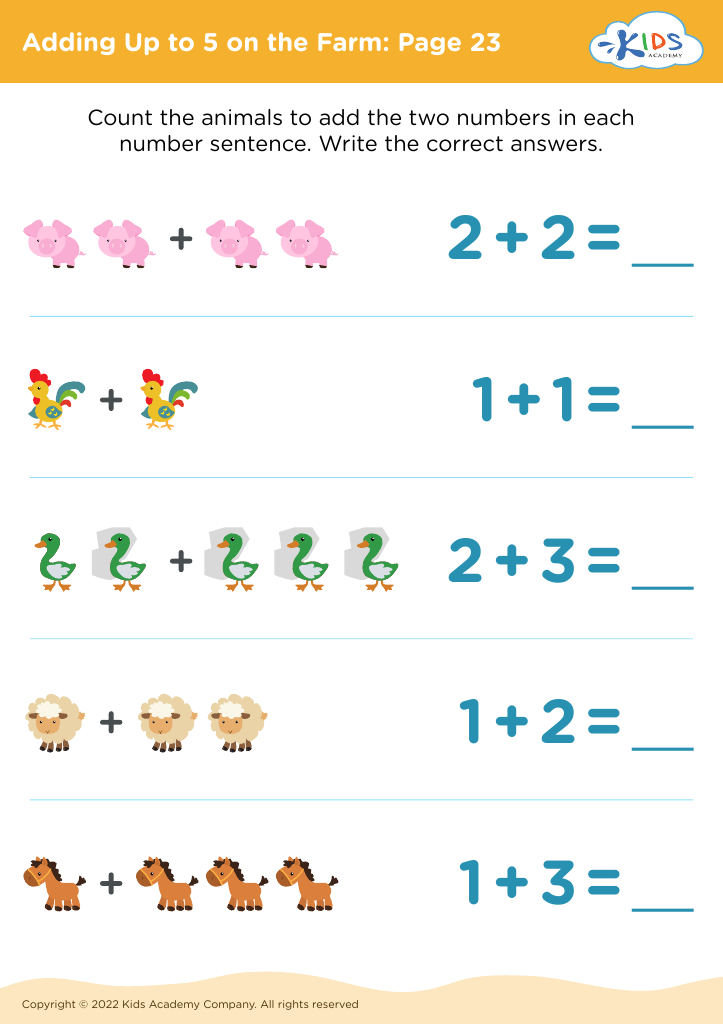
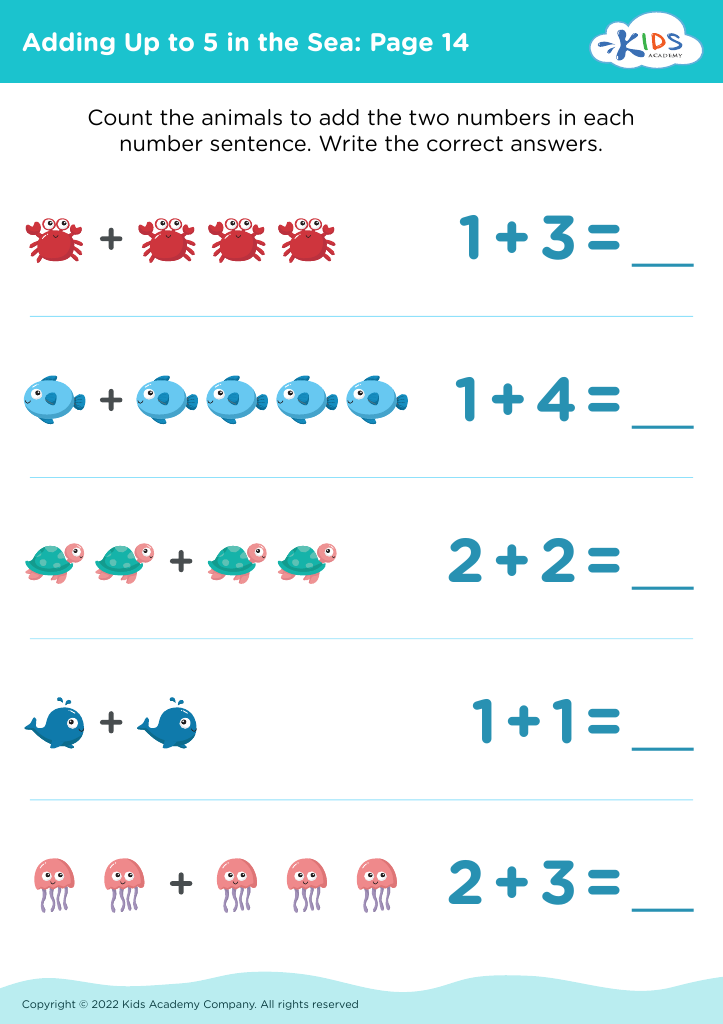
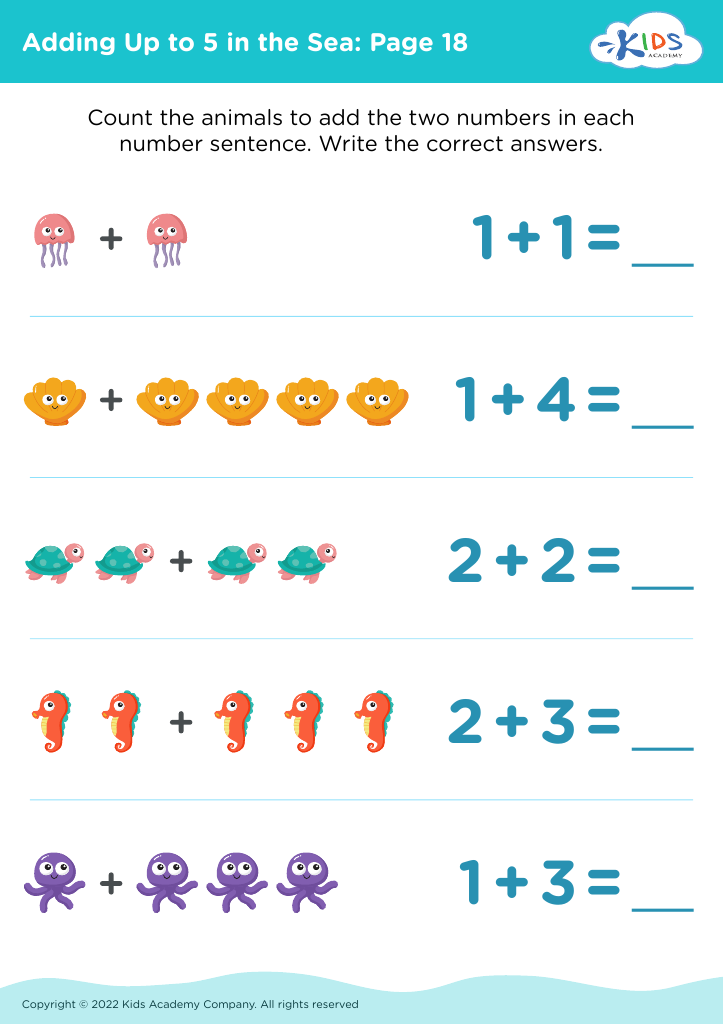
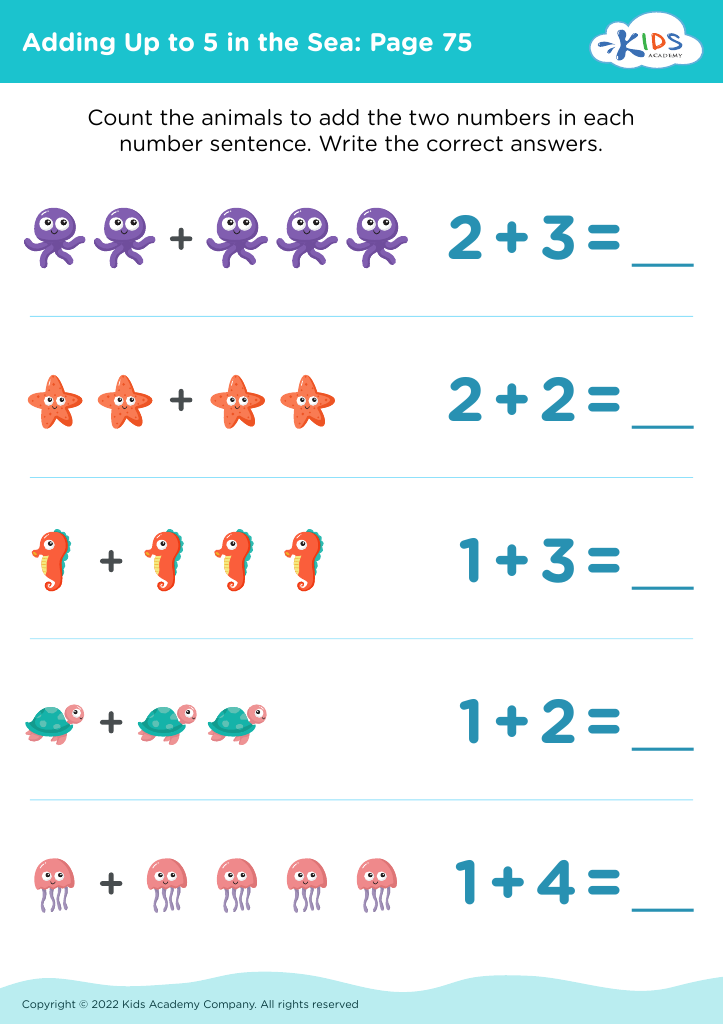
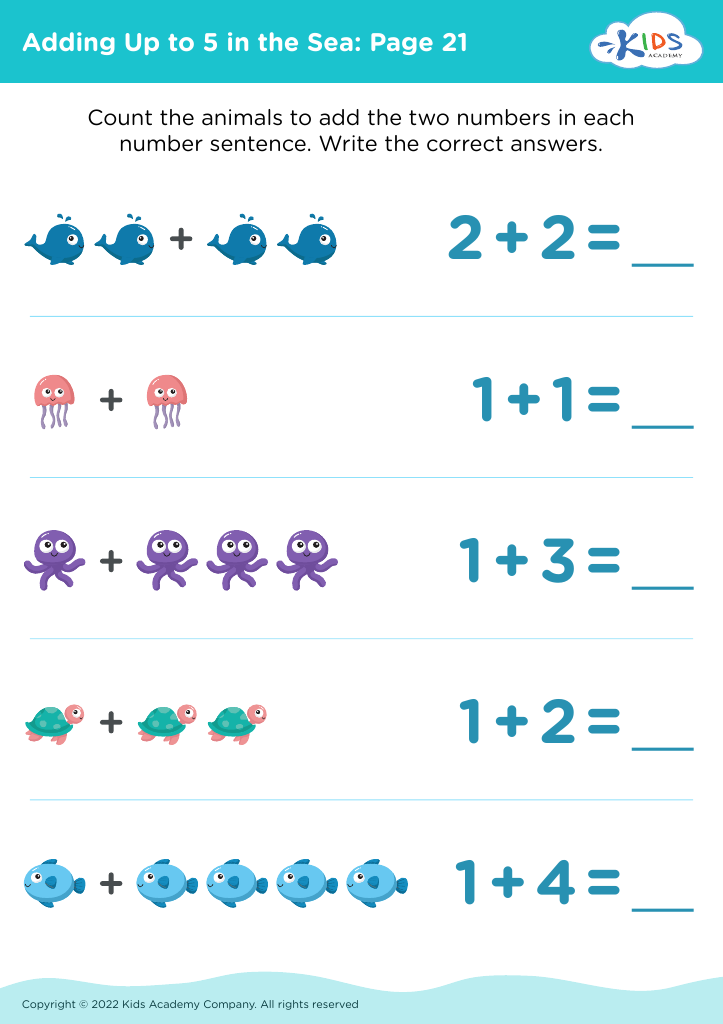
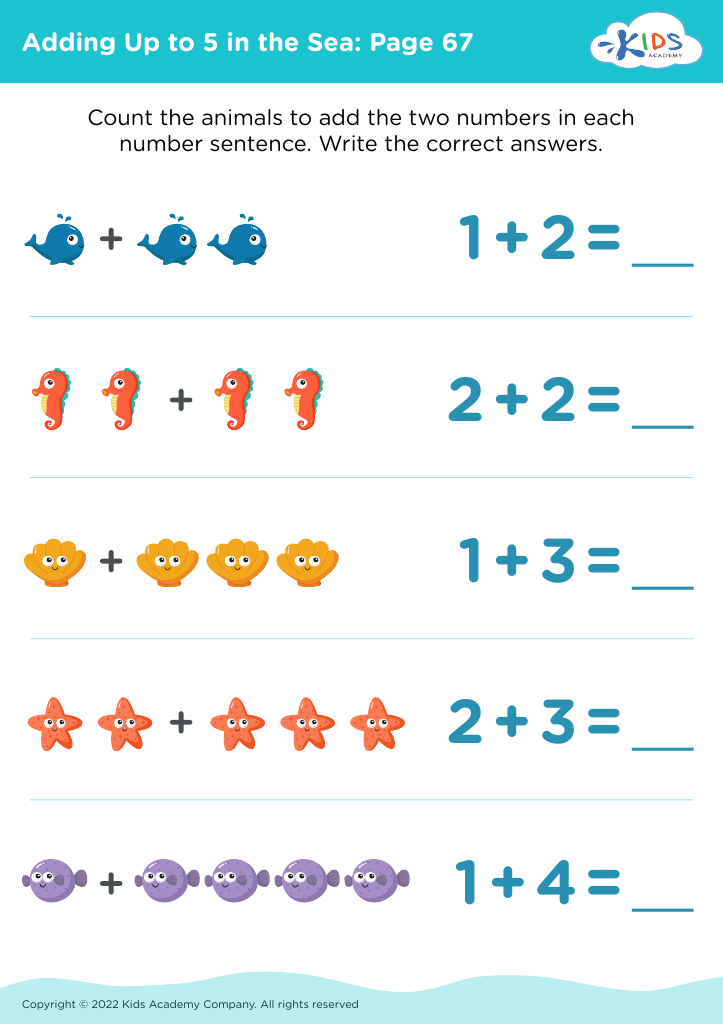
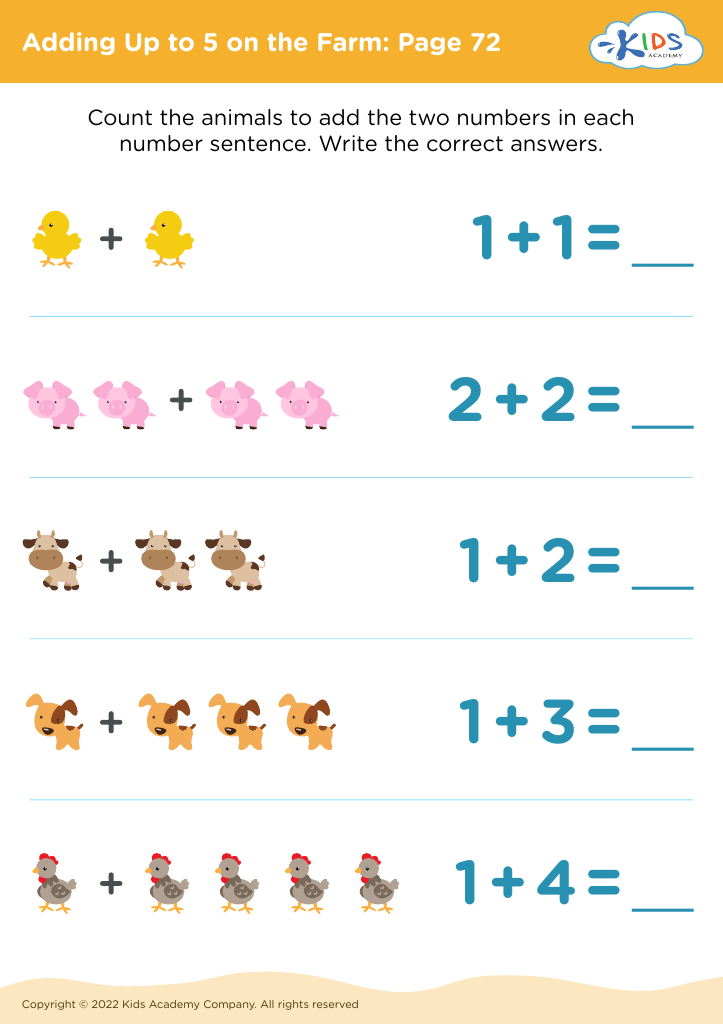
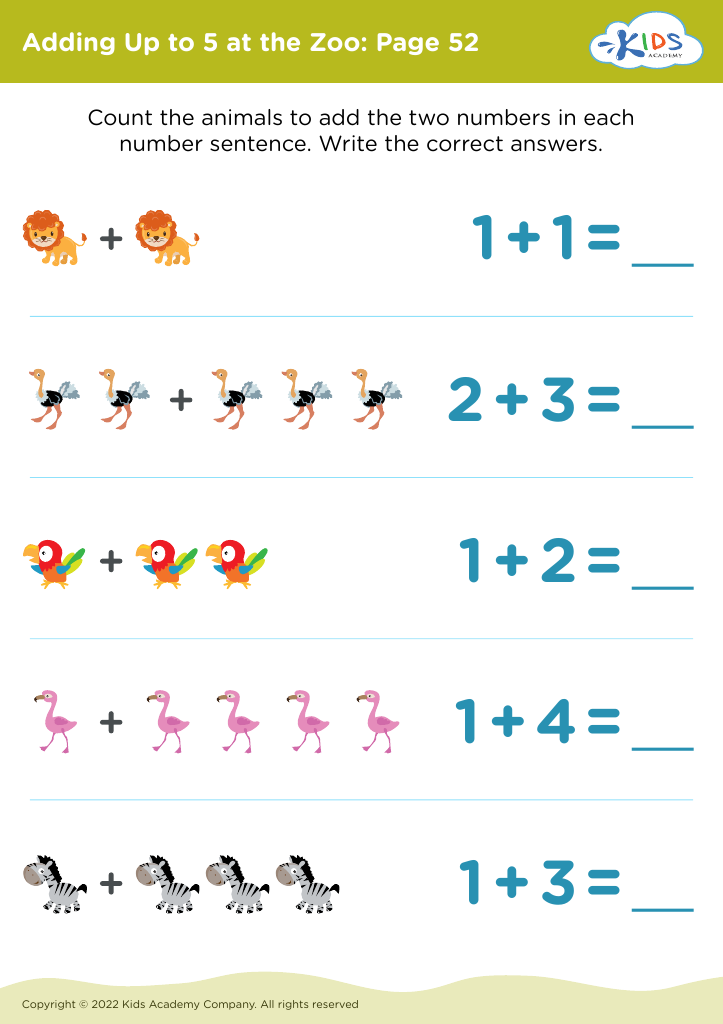
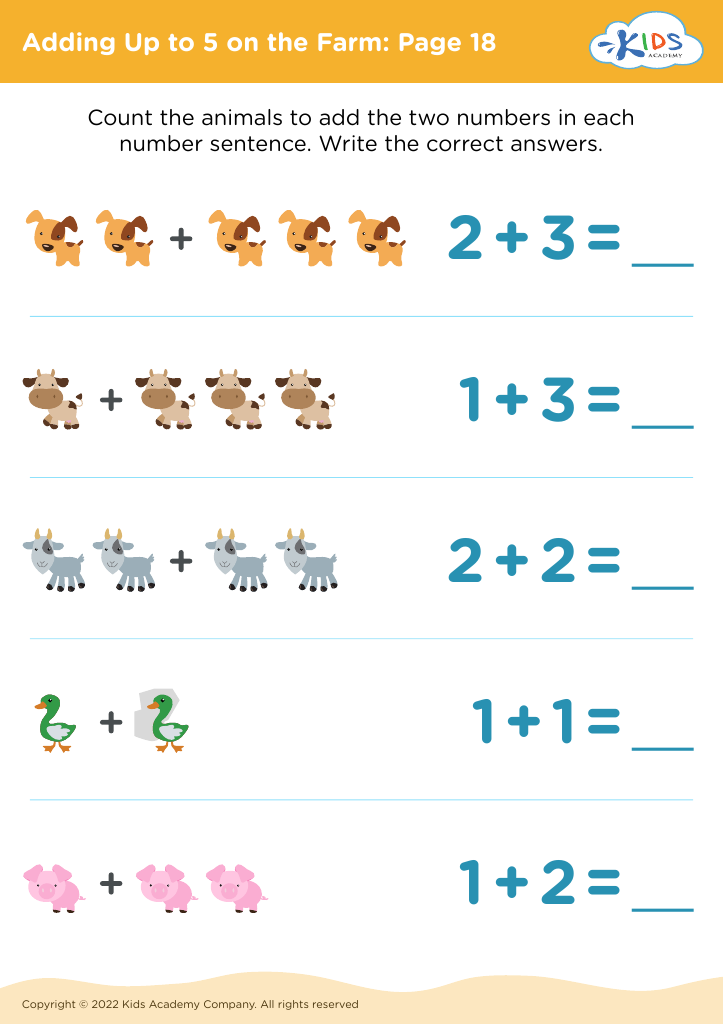






.jpg)

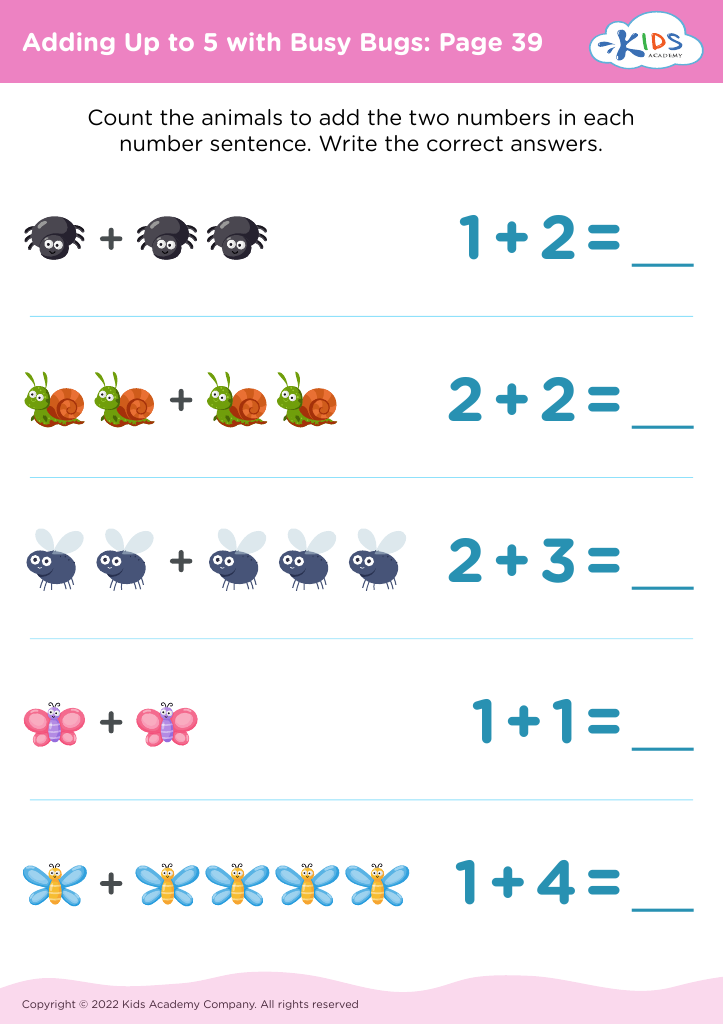
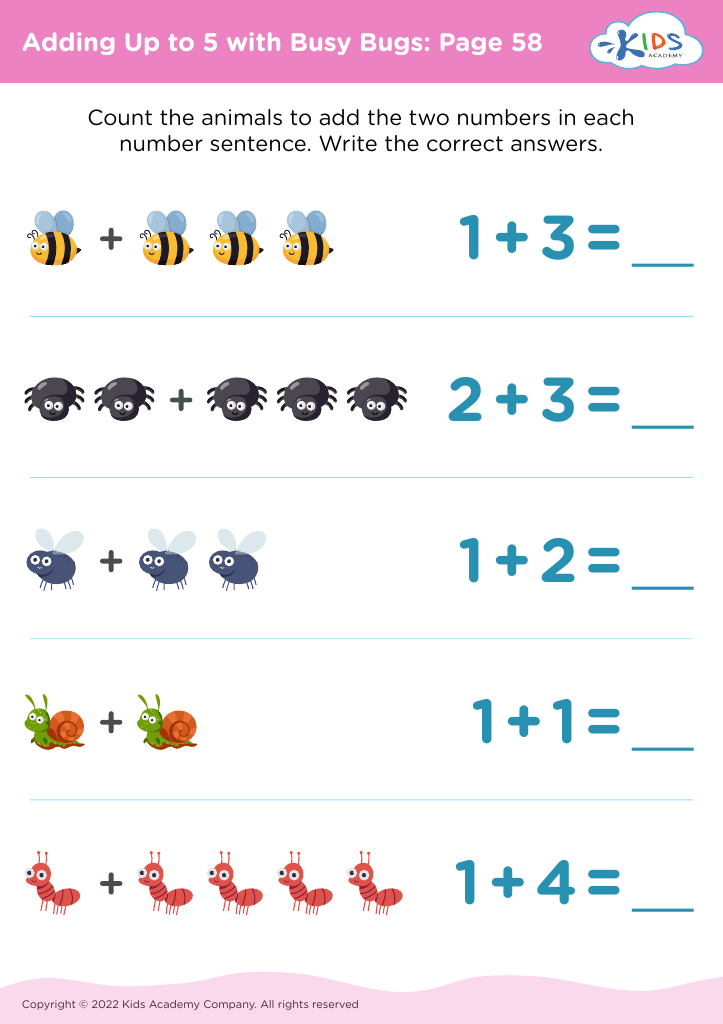
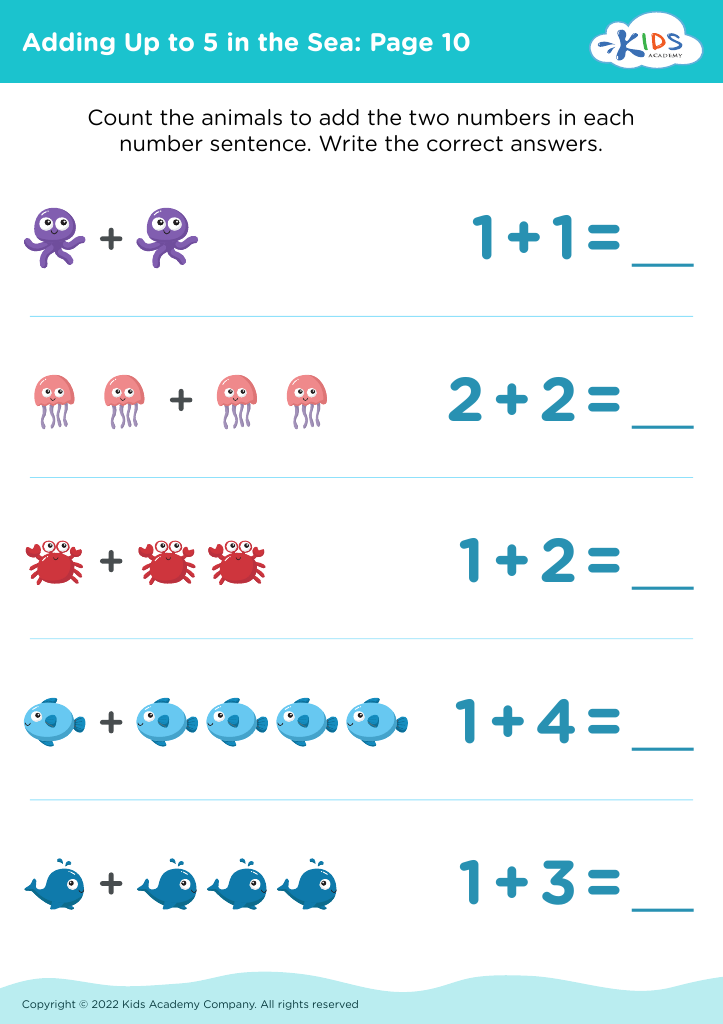
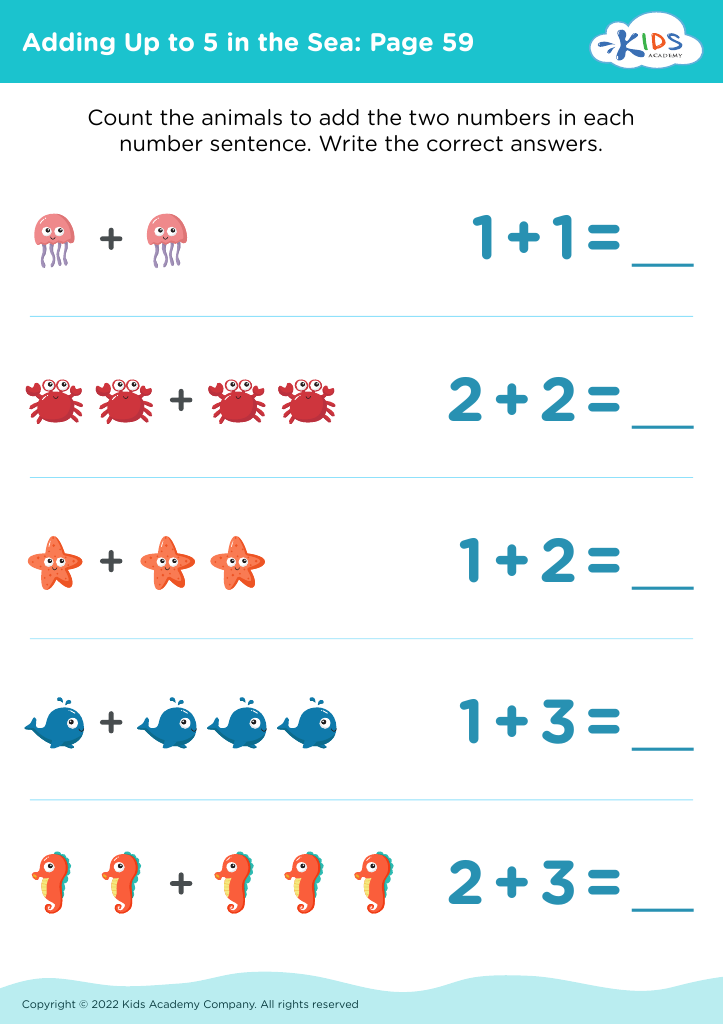
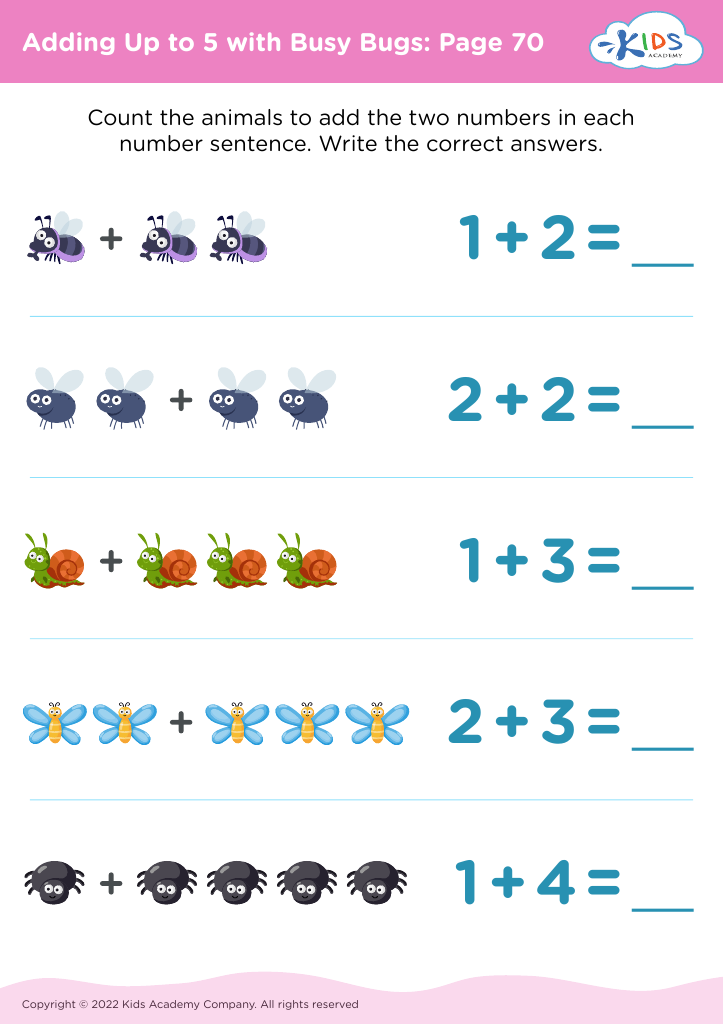
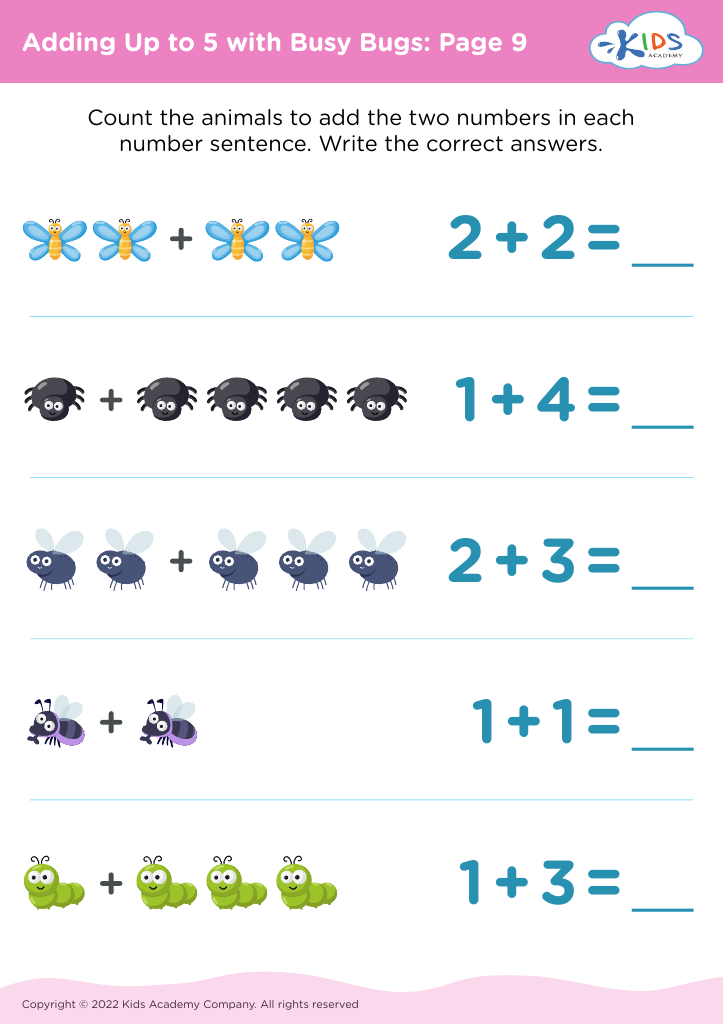
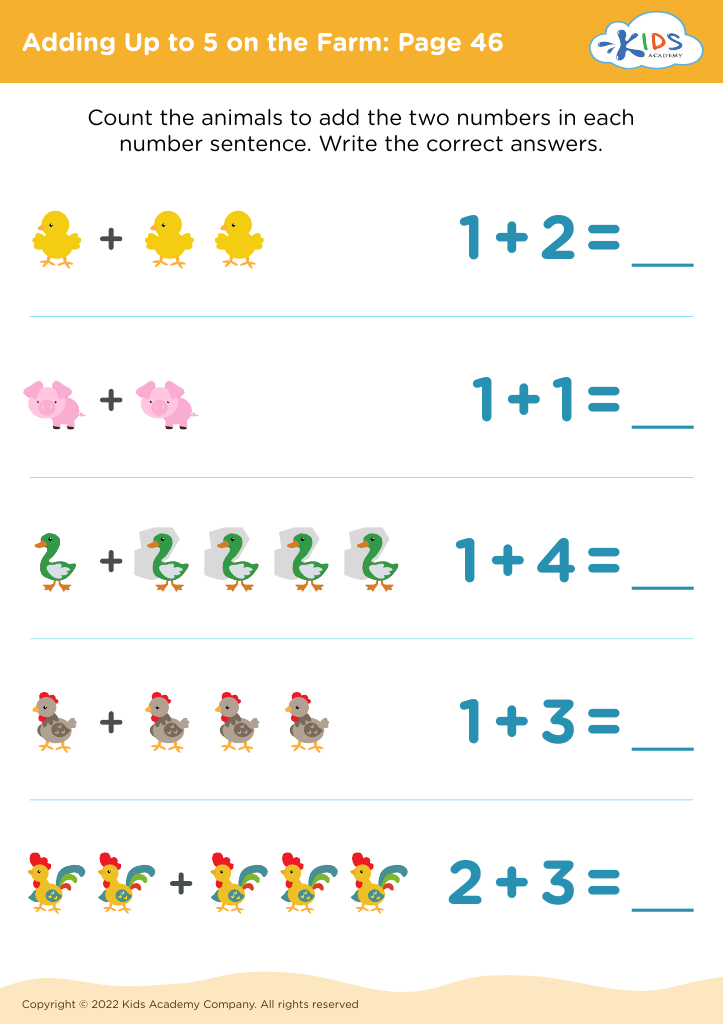
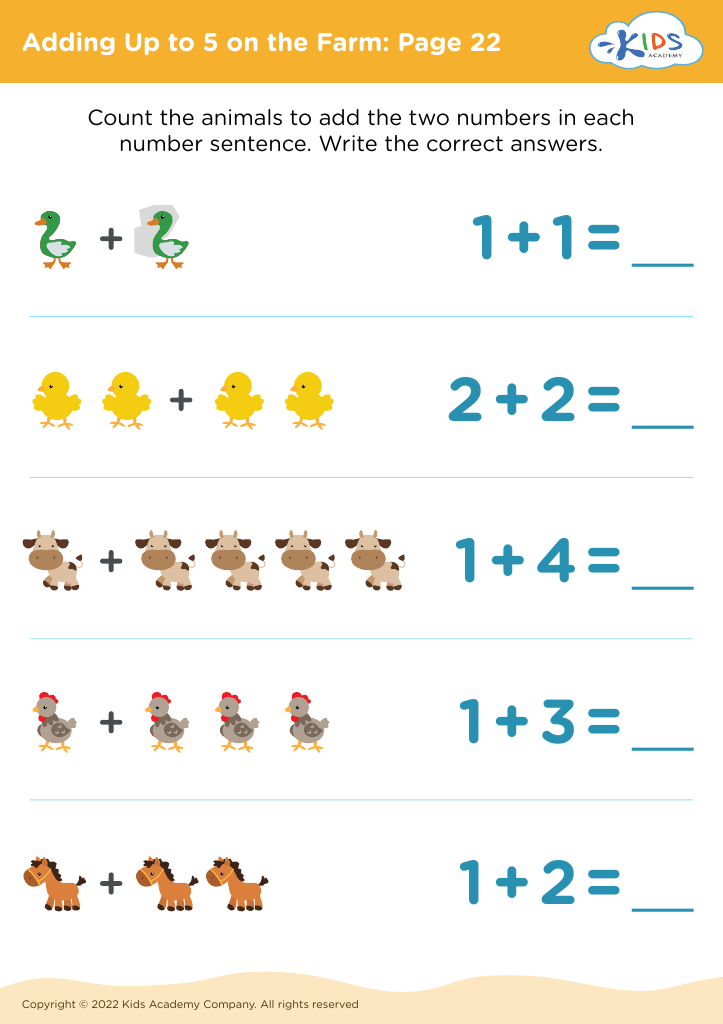
Visual learning is a crucial aspect of early childhood education that can significantly impact how effectively young children grasp foundational math concepts like addition. For 5-year-olds, traditional methods of learning math may be too abstract, making it challenging for them to understand and internalize basic arithmetic. Visual learning breaks down these barriers by presenting information in a way that is both engaging and easily understandable for young minds.
Parents and teachers should prioritize visual learning for addition because it helps children better understand the relationships between numbers. By using tools such as counting blocks, number lines, or pictorial representations, kids can see what adding two or more numbers actually looks like. This fosters a deeper comprehension, as visuals help bridge the gap between concrete experiences—such as counting objects—and abstract numerical concepts.
Moreover, visual learning caters to different learning styles and needs, particularly helping children who may struggle with traditional, text-based instruction. It builds a strong foundation that boosts confidence and encourages a positive attitude toward math. Engaging with numbers in a visual manner makes lessons more interactive and enjoyable, which enhances retention and fosters a lifelong interest in learning.
Investing in visual addition tools and techniques instills critical thinking skills and problem-solving abilities at an early age, setting children up for future academic success in more complex areas of math.








