Basic Arithmetic Numbers Worksheets for 5-Year-Olds
5 filtered results
-
From - To
Welcome to our Basic Arithmetic Numbers Worksheets for 5-Year-Olds! Our engaging worksheets are designed to help young learners master essential math skills through fun and interactive activities. These resources focus on foundational concepts like number recognition, counting, addition, and subtraction, tailored specifically for young minds. With colorful graphics and age-appropriate exercises, children will develop confidence in arithmetic while enhancing their problem-solving abilities. Perfect for homeschooling or supplemental learning, these worksheets make math enjoyable and accessible. Start your child's mathematical journey today with our thoughtfully crafted materials that promote a love for numbers! Explore the joy of learning with us!
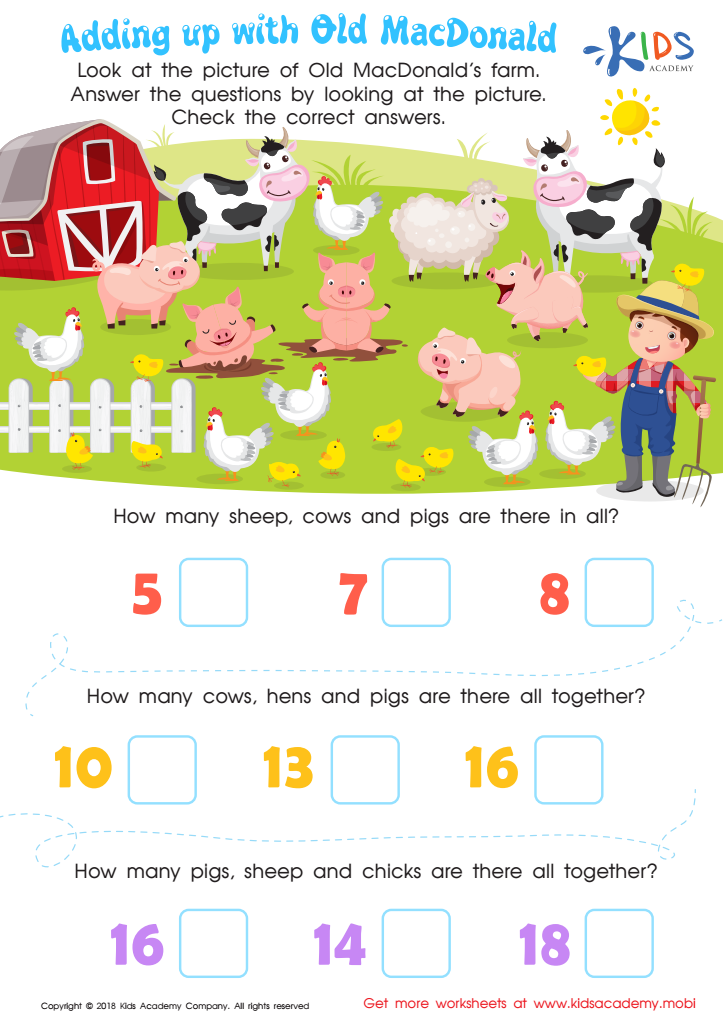
Adding Up with Old MacDonald Worksheet
 Assign to My Students
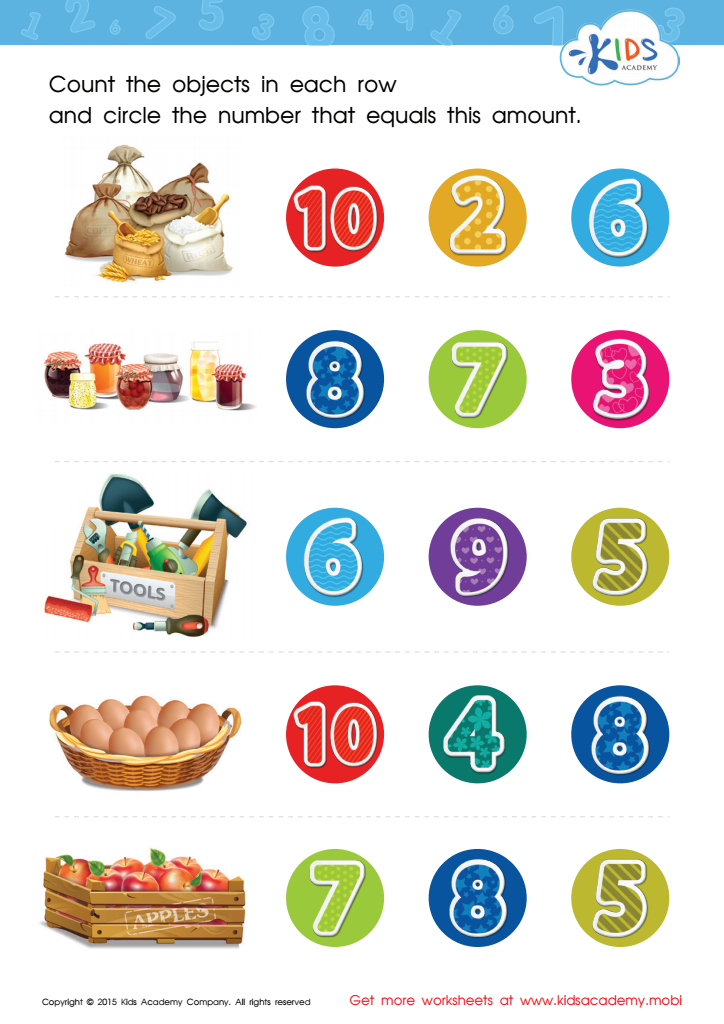
Count and Match 6 – 10 Math Worksheet
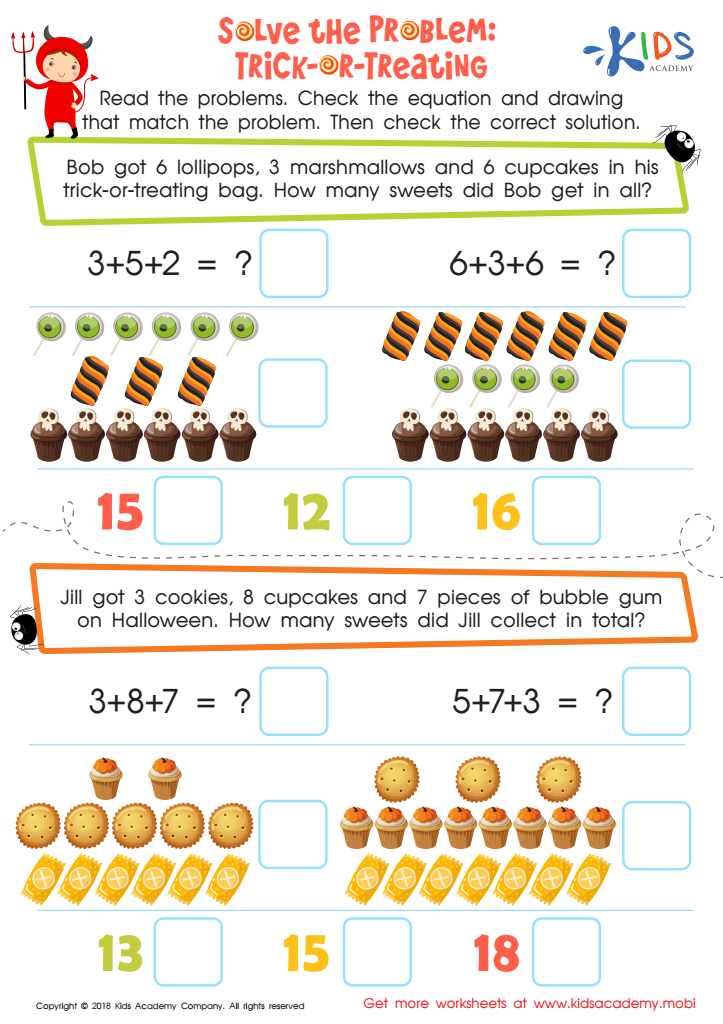
Solve the Problem: Trick–or–treating Worksheet
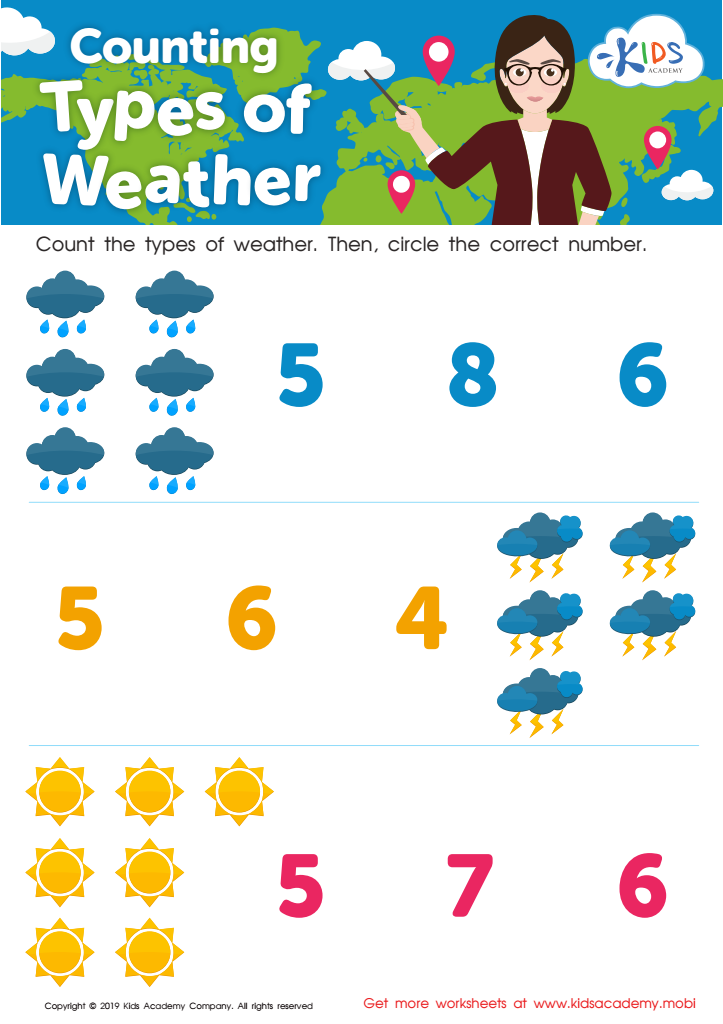
Counting Types of Weather Worksheet
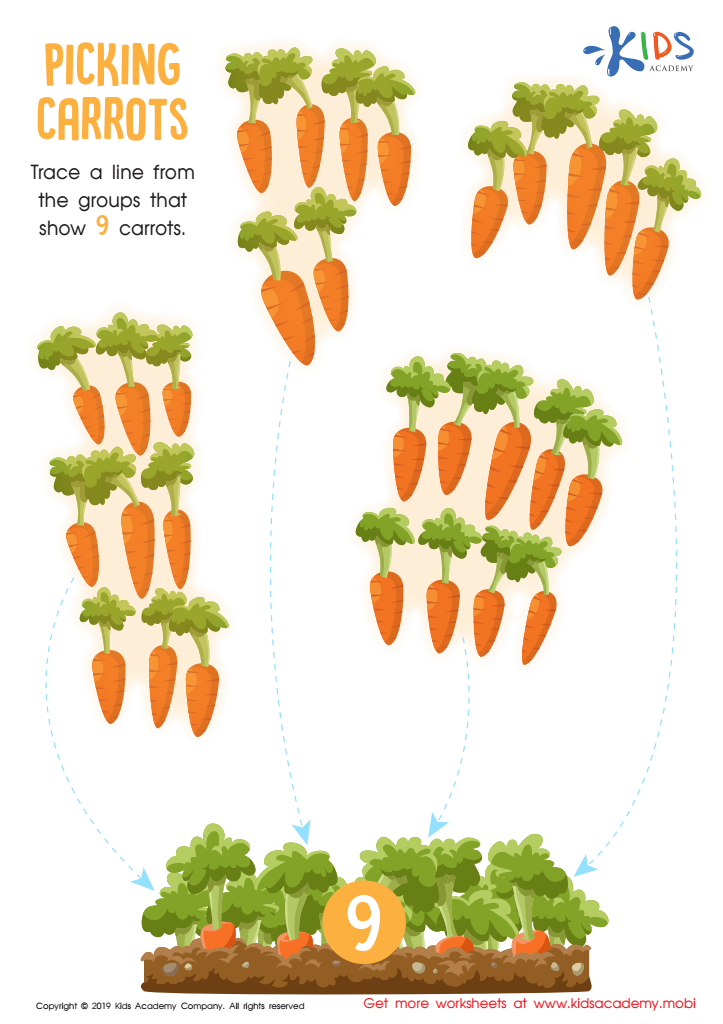
Picking Carrots Worksheet


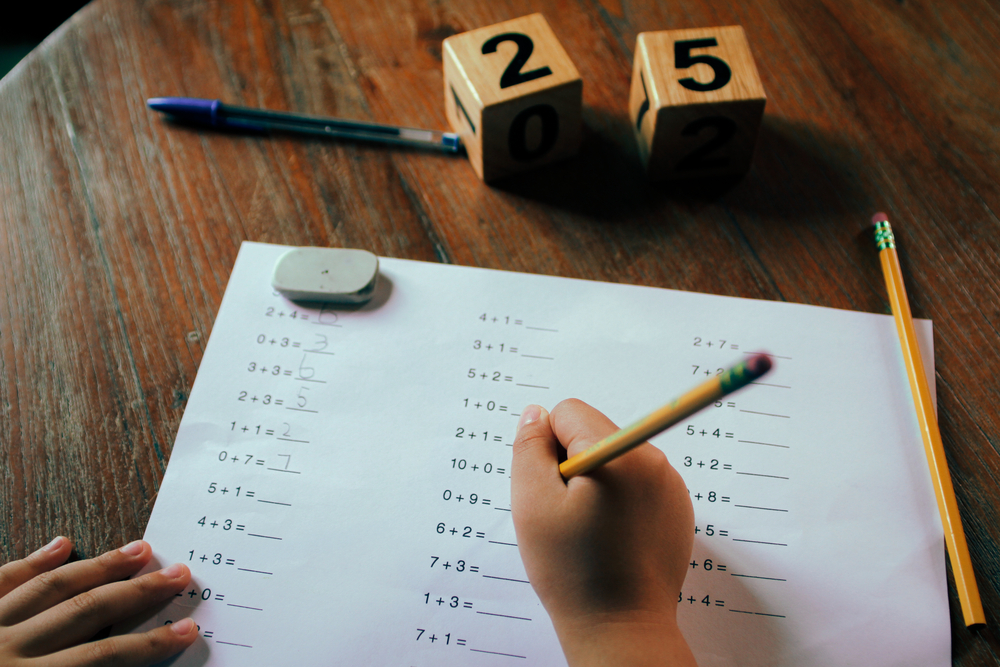





Parents and teachers should prioritize teaching basic arithmetic numbers to 5-year-olds as it lays the groundwork for future mathematical understanding and cognitive growth. At this age, children are naturally curious and eager to explore concepts, making it an ideal time to introduce numbers, counting, and simple operations like addition and subtraction. Building these foundational skills fosters critical thinking and problem-solving abilities essential for academic success.
Moreover, early learning in arithmetic enhances the development of a positive attitude toward mathematics. When children experience math through engaging activities and interactive play, they develop confidence and curiosity, reducing the anxiety that can often accompany math learning later on. Recognizing numbers and understanding value equips children with vital life skills, influencing their ability to manage money and make sense of everyday situations.
Engagement in basic arithmetic also nurtures fine motor skills, promotes language development through counting games, and encourages social interaction during group activities. Parents and teachers play a crucial role in creating a supportive learning environment that stimulates early math experiences. By caring about basic arithmetic readiness, they contribute significantly to a child's overall development and future academic achievement, ensuring a brighter educational pathway.








