Categorization skills Numbers Worksheets for 5-Year-Olds
4 filtered results
-
From - To
Enhance your 5-year-old's learning journey with our engaging categorization skills numbers worksheets! Designed to reinforce essential math concepts, these worksheets help young learners sort and categorize numbers creatively. By participating in fun activities, children will not only learn to recognize different numerals but also develop critical thinking and problem-solving skills. Each worksheet is tailored to inspire curiosity and reinforce numerical understanding through colorful illustrations and interactive tasks. Perfect for at-home learning or classroom use, these worksheets ensure that early math skills are both enjoyable and effective. Start building a strong foundation in math and categorization today!
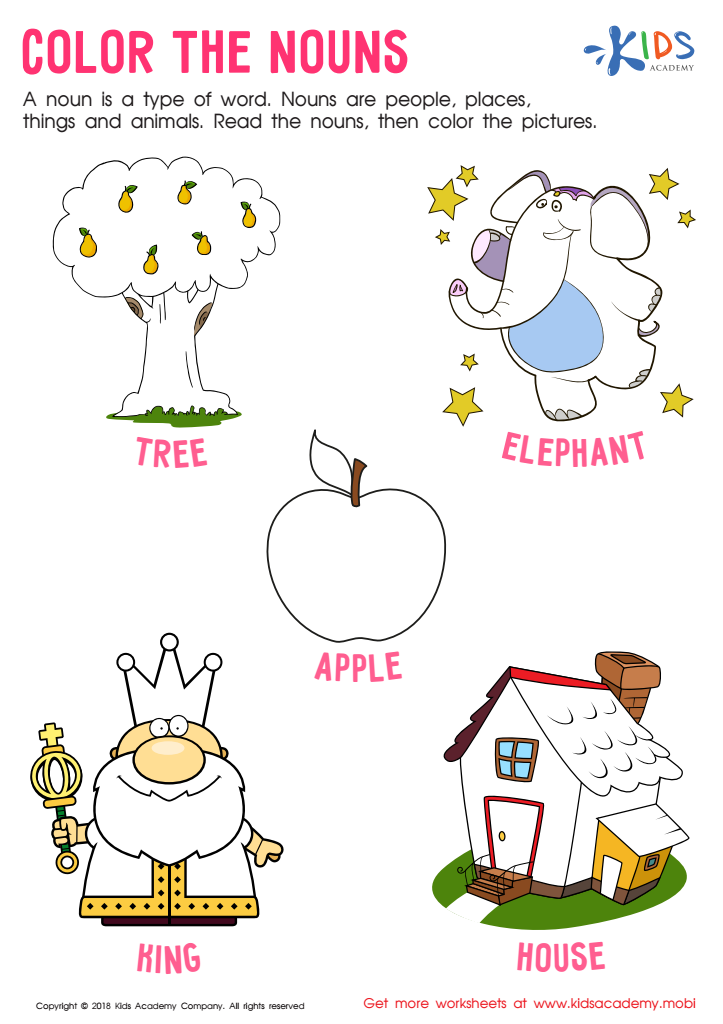
Color the Nouns Worksheet
 Assign to My Students
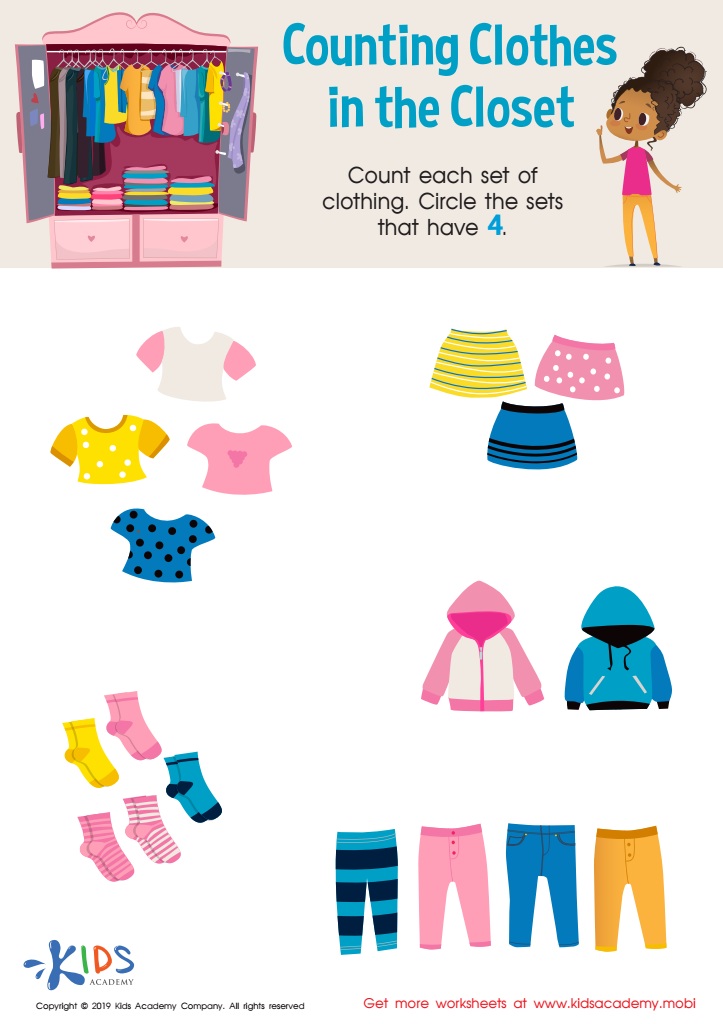
Counting Clothes Worksheet
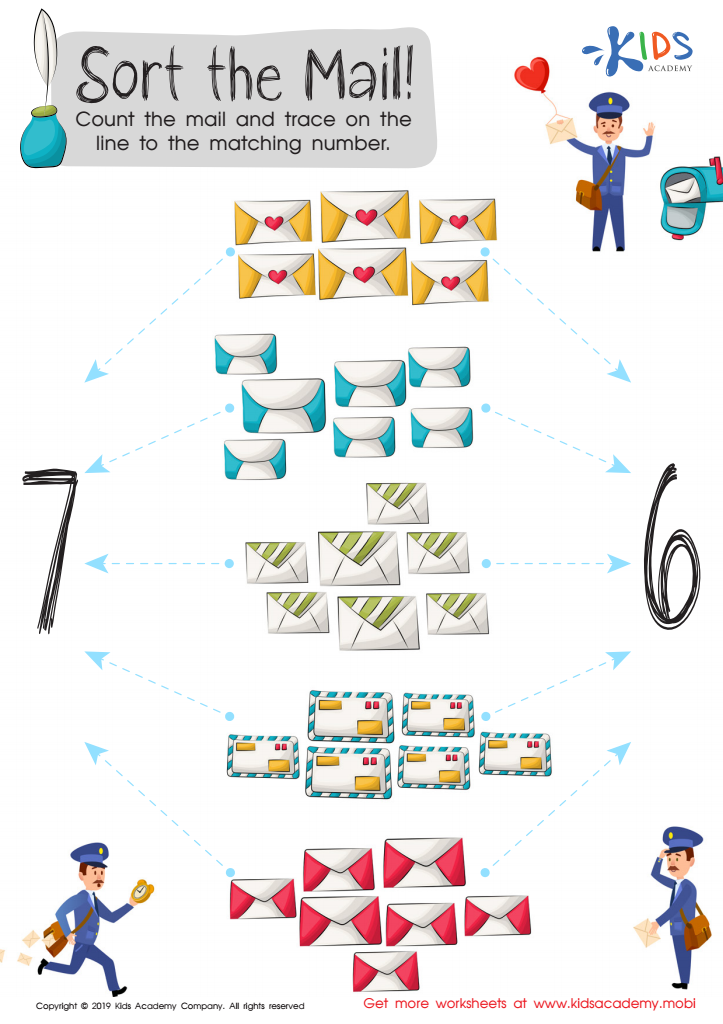
Sort the Mail Worksheet
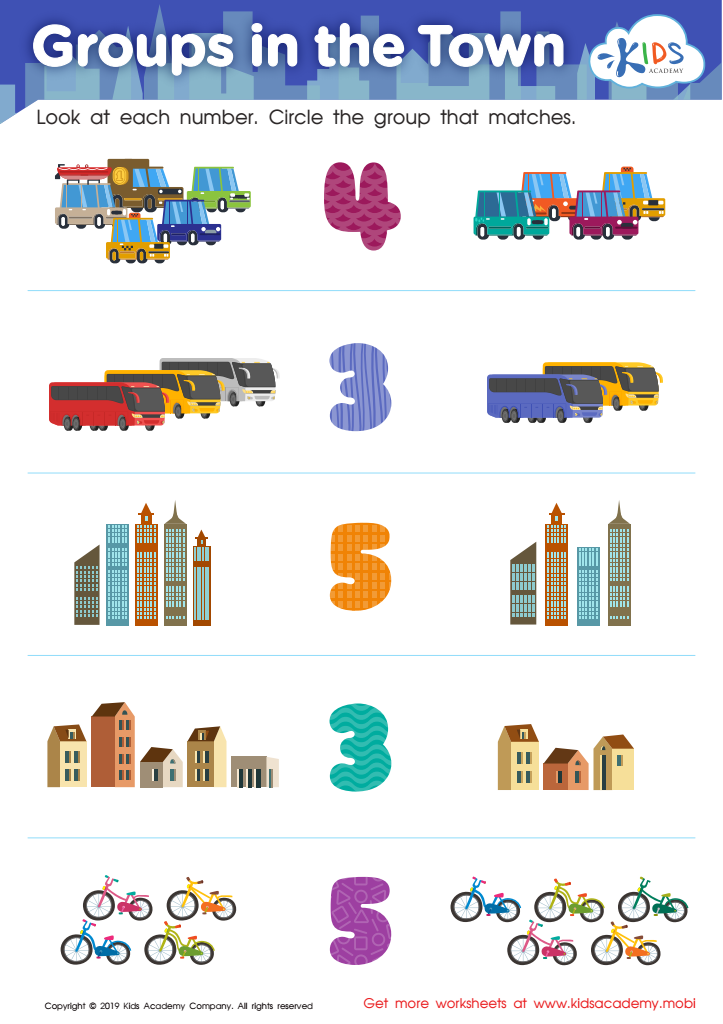
Groups in the Town Worksheet








Parents and teachers should prioritize categorization skills in numbers for 5-year-olds because these foundational abilities foster essential cognitive development. Categorization, or grouping items based on attributes, enhances children's critical thinking, problem-solving, and organizational skills. By learning to identify and classify numbers, children begin to understand concepts like quantity and value, which are building blocks for later mathematical operations.
Moreover, strong categorization skills contribute to early numeracy development. Familiarity with numbers allows children to sequence, classify, and understand patterns, essential elements in math readiness. Engaging in activities that promote categorization provides interactive learning experiences, helping children to retain information better.
Additionally, categorization promotes language development; as children verbalize their reasoning and groupings, they refine vocabulary and communication skills. These interactions also foster social skills, as children often work in groups during categorization activities, learning from peers and developing teamwork.
Ultimately, by nurturing categorization skills in numbers, parents and teachers lay the groundwork for a child’s academic success. The confidence gained through understanding these concepts can create an enthusiastic learner, ready to tackle more complex math challenges in the future. Therefore, investing in these skills has long-lasting benefits for children’s overall educational journeys.








