Logical thinking Numbers Worksheets for 5-Year-Olds
3 filtered results
-
From - To
Discover our engaging Logical Thinking Numbers Worksheets designed specifically for 5-year-olds! These worksheets help young learners develop essential critical thinking and problem-solving skills while exploring the world of numbers. Through fun and interactive activities, children will enhance their logical reasoning abilities, making learning an enjoyable experience. From pattern recognition to simple addition puzzles, our worksheets cater to every child's learning pace. Ideal for preschool and kindergarten settings, these resources simplify complex concepts, fostering a strong mathematical foundation. Explore our collection today and watch your child gain confidence and flexibility in their numerical understanding while having fun! Perfect for home or classroom use!
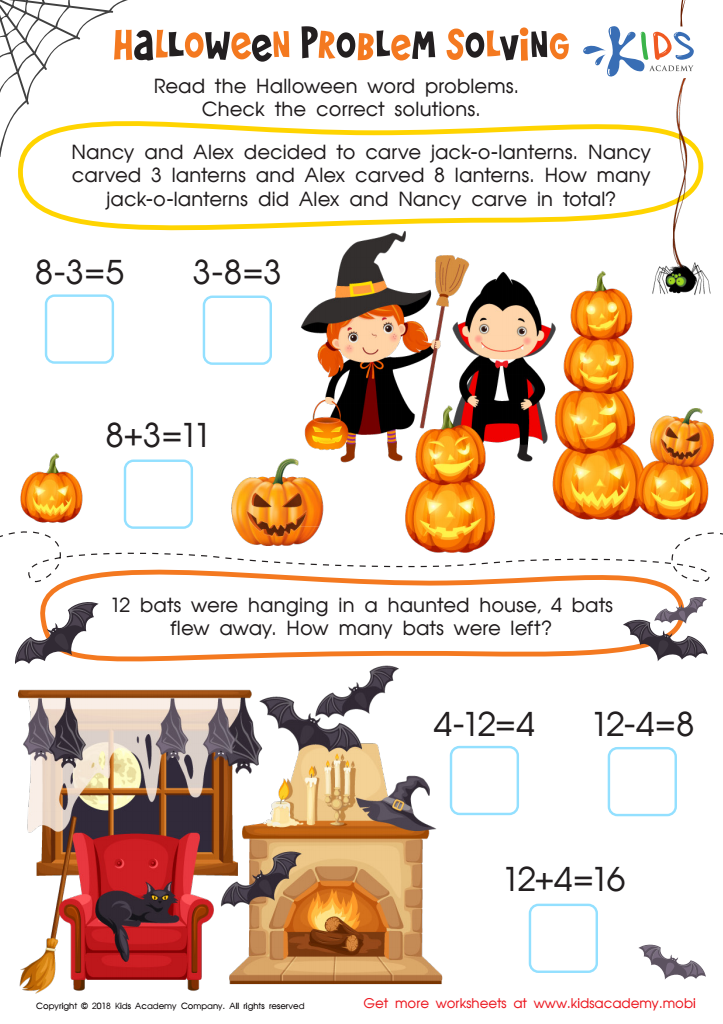
Halloween Problem Solving Worksheet
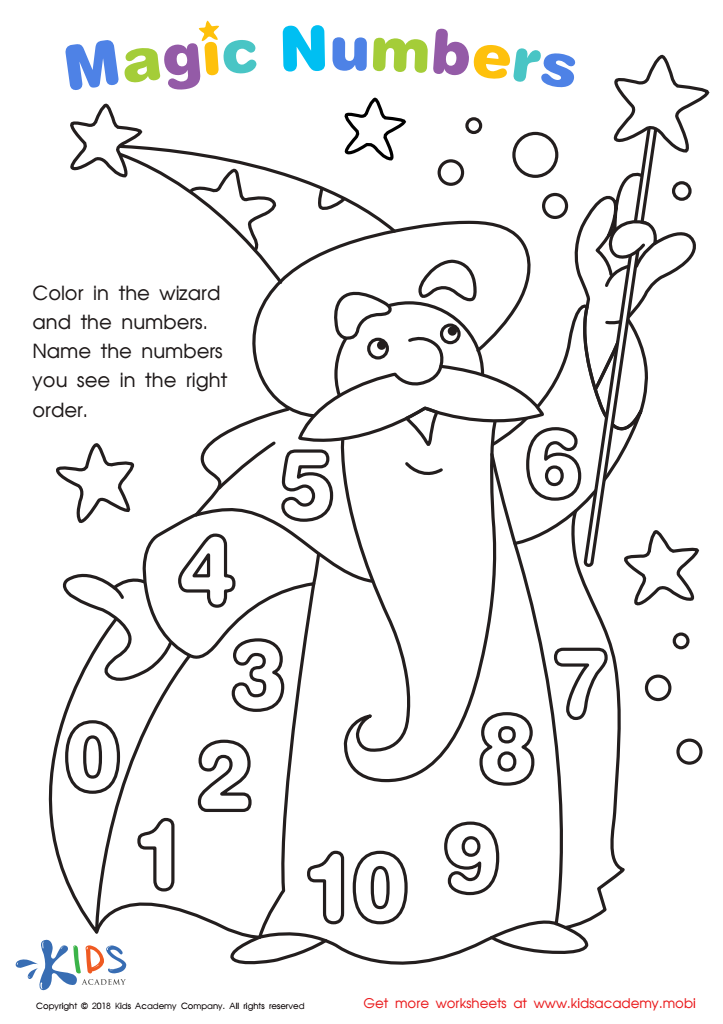
Magic Numbers Worksheet
 Assign to My Students

Transportation: Steps Worksheet







Logical thinking with numbers is essential for the cognitive development of 5-year-olds, and both parents and teachers play a pivotal role in fostering this skill. At this age, children are naturally curious and eager to explore concepts like counting, patterns, and problem-solving. Engaging them in activities that promote logical thinking not only nurtures their mathematical abilities but also enhances their critical thinking and reasoning skills.
Parents and teachers should care about this aspect of learning because it lays the foundation for future academic success. Developing logical thinking helps children understand relationships between numbers, recognize patterns, and approach problems systematically. These skills translate into confidence in math and other subjects, enabling them to navigate more complex challenges in later years.
Furthermore, logical thinking promotes creativity and innovation. When children learn to think logically about numbers, they also learn to approach problems from different angles, leading to greater flexibility in thinking. Collaborative games and activities can also strengthen social skills, as children learn to communicate their thoughts clearly and work with peers. In essence, promoting logical thinking with numbers in early childhood sets the stage for lifelong learning, problem-solving capabilities, and a robust mathematical mindset.








