Enhancing fine motor skills Math Worksheets for 5-Year-Olds
3 filtered results
-
From - To
Explore our collection of engaging math worksheets designed to enhance fine motor skills for 5-year-olds. These thoughtfully crafted activities combine fun with learning, helping young learners develop essential hand-eye coordination through coloring, tracing, and cutting exercises. As children navigate through numbers and patterns, they not only reinforce mathematical concepts but also strengthen their dexterity and control. Perfect for parents and educators, our worksheets provide an effective way to integrate fine motor skill development into daily practice. Foster your child’s confidence and creativity while building a solid foundation in math with our unique, interactive resources. Start their learning journey today!
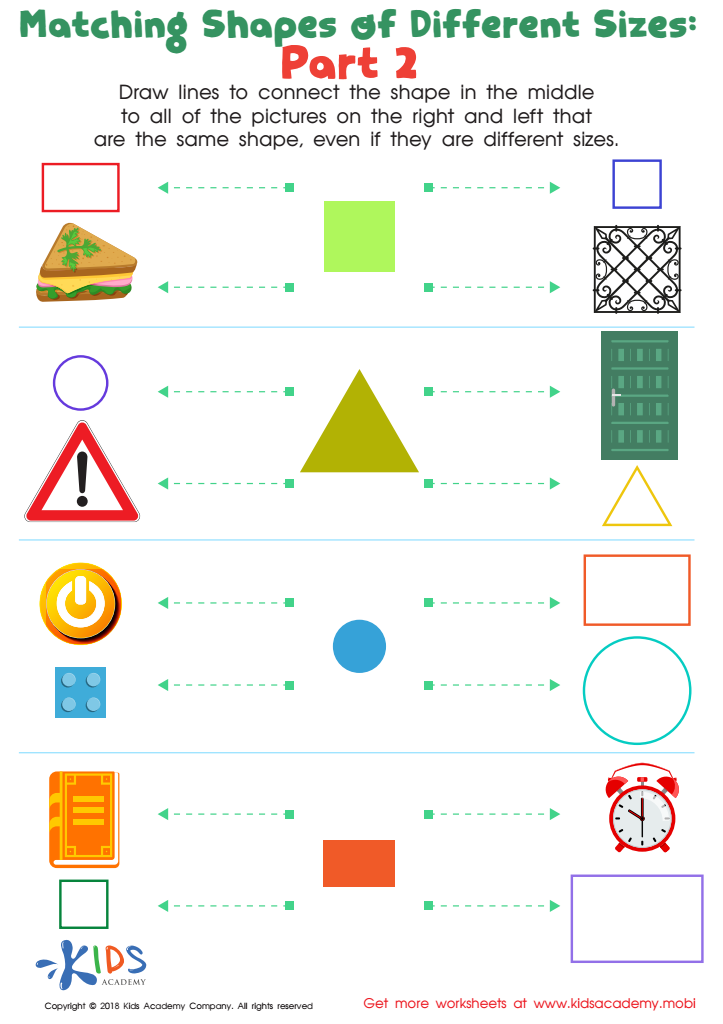
Geometry: Part 2 Worksheet
 Assign to My Students
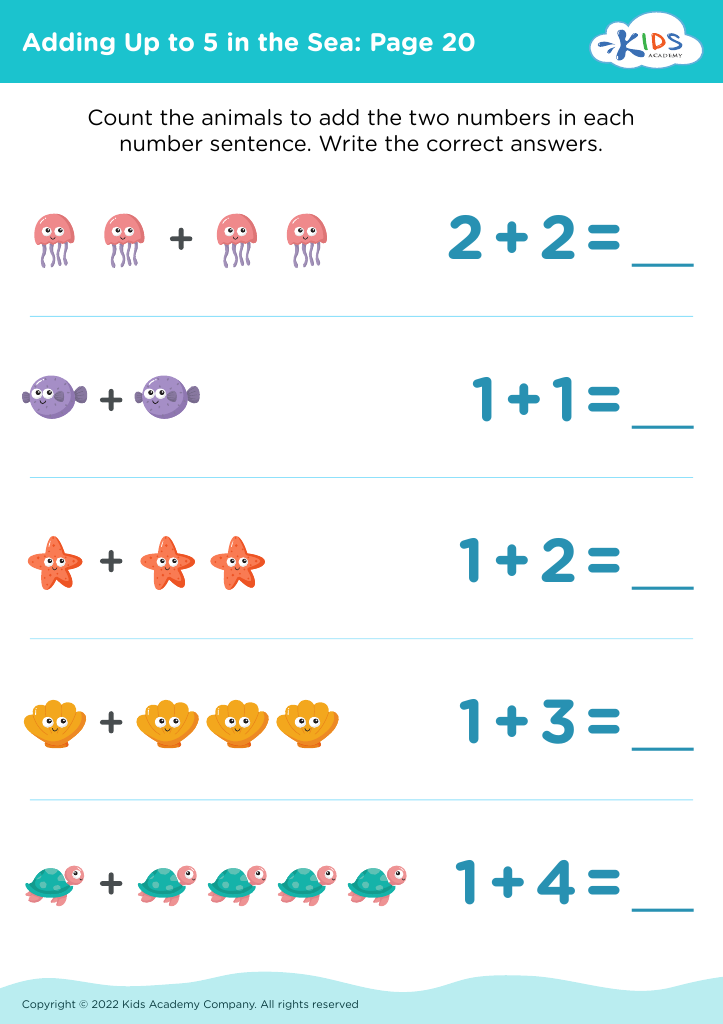
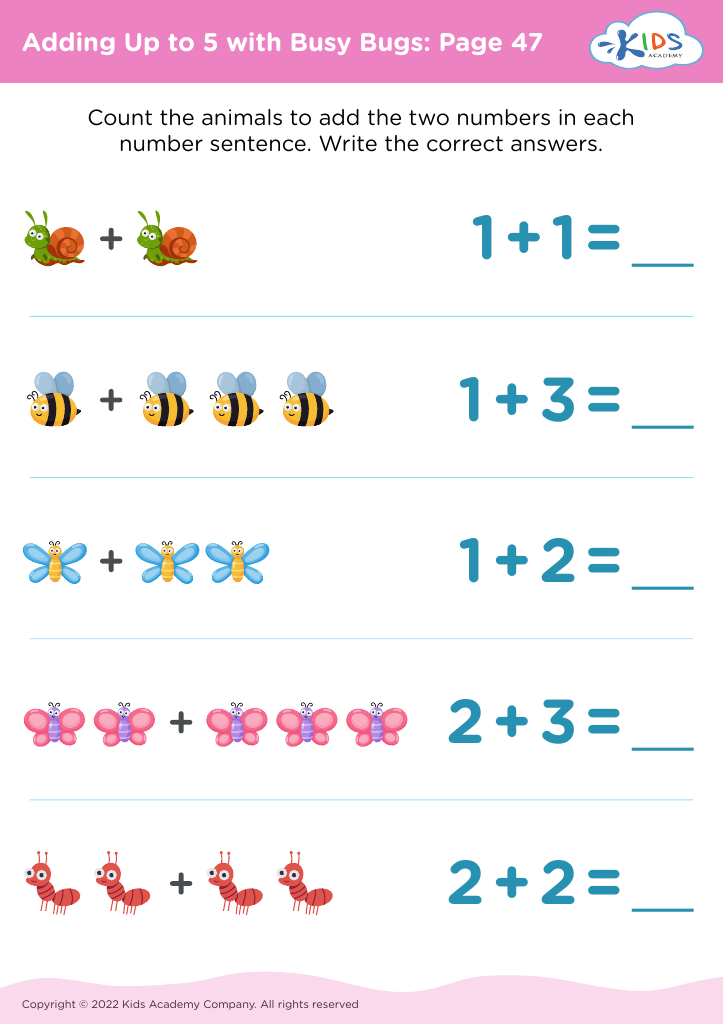




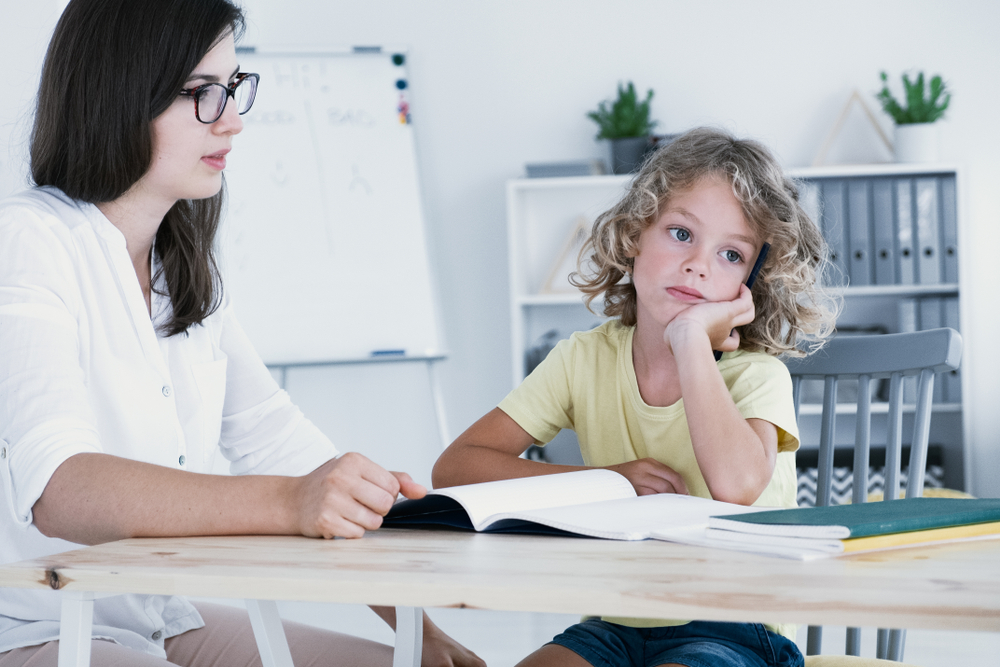



Enhancing fine motor skills in five-year-olds is crucial for their overall development and success in math. Fine motor skills refer to the ability to use small muscles for precise movements, which are essential for various tasks such as writing, manipulating objects, and problem-solving. For young learners, these skills lay the groundwork for mathematical activities like counting, sorting, and recognizing patterns.
When children engage in activities that improve their fine motor skills, such as drawing shapes, cutting with scissors, or using tweezers, they not only enhance their physical coordination but also develop cognitive skills related to math. These activities foster hand-eye coordination, dexterity, and concentration, all of which are vital for grasping mathematical concepts.
Moreover, integrating fine motor skill development into math reinforces learning and makes it more engaging. When parents and teachers prioritize these skills, they help children build confidence and independence, enabling them to tackle math challenges more readily. Ultimately, supporting fine motor skills equips children with a critical foundation that enhances their overall academic performance and prepares them for a successful educational journey in the years to come. Thus, fostering these skills should be a shared responsibility between parents and educators.








