Identifying objects Math Worksheets for 5-Year-Olds
3 filtered results
-
From - To
Discover our engaging "Identifying Objects Math Worksheets" designed specifically for 5-year-olds! These interactive resources support early math skills by helping young learners recognize and categorize everyday objects. With colorful illustrations and playful activities, children will engage in identifying shapes, sizes, and groupings, all while building critical thinking abilities. Each worksheet encourages independent learning, making it perfect for classroom use or at-home practice. Tailored to fit the developmental needs of preschoolers, these worksheets foster a love for math while preparing your child for future challenges. Get started today and watch your little one’s confidence and skills grow!
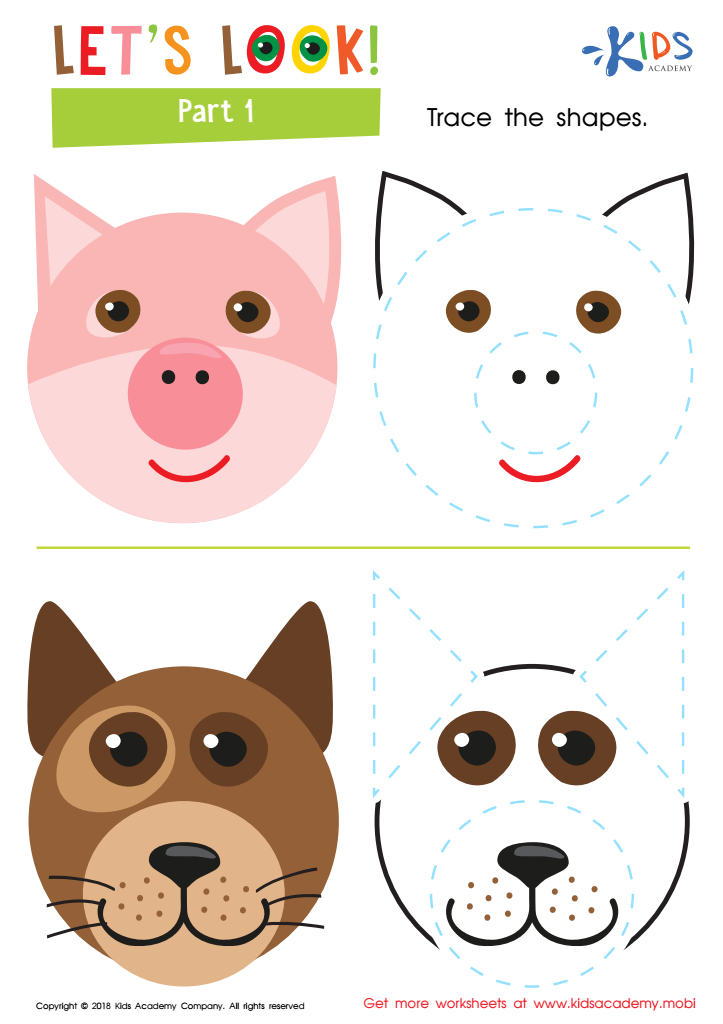
Let's Look! Part 1 Worksheet
 Assign to My Students
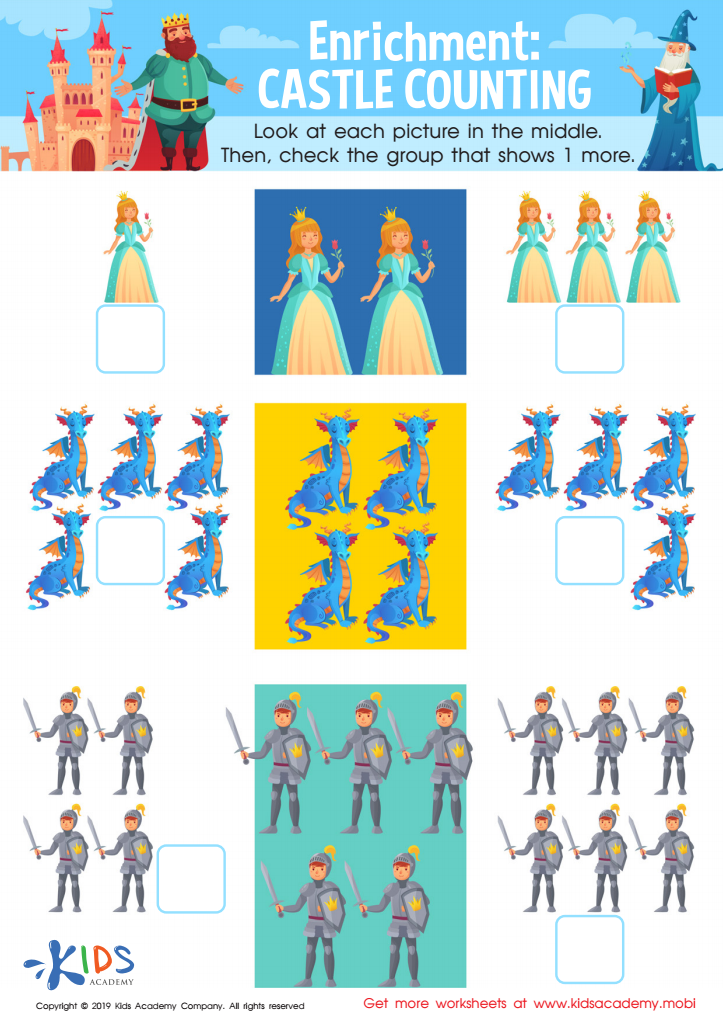
Enrichment: Castle Counting Worksheet
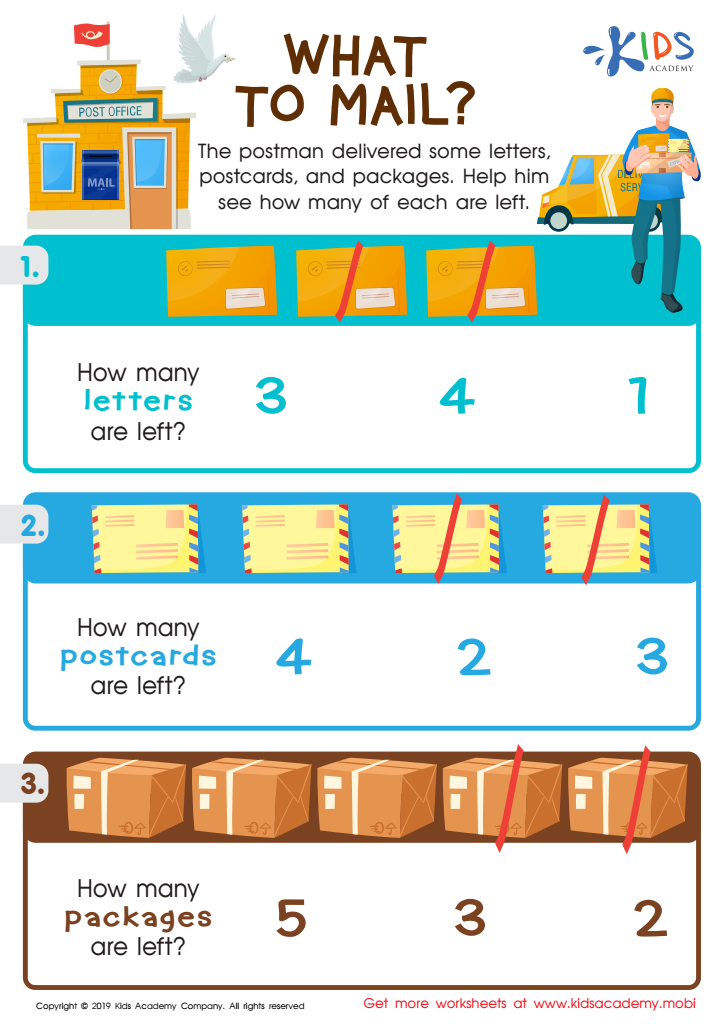
What to Mail? Worksheet



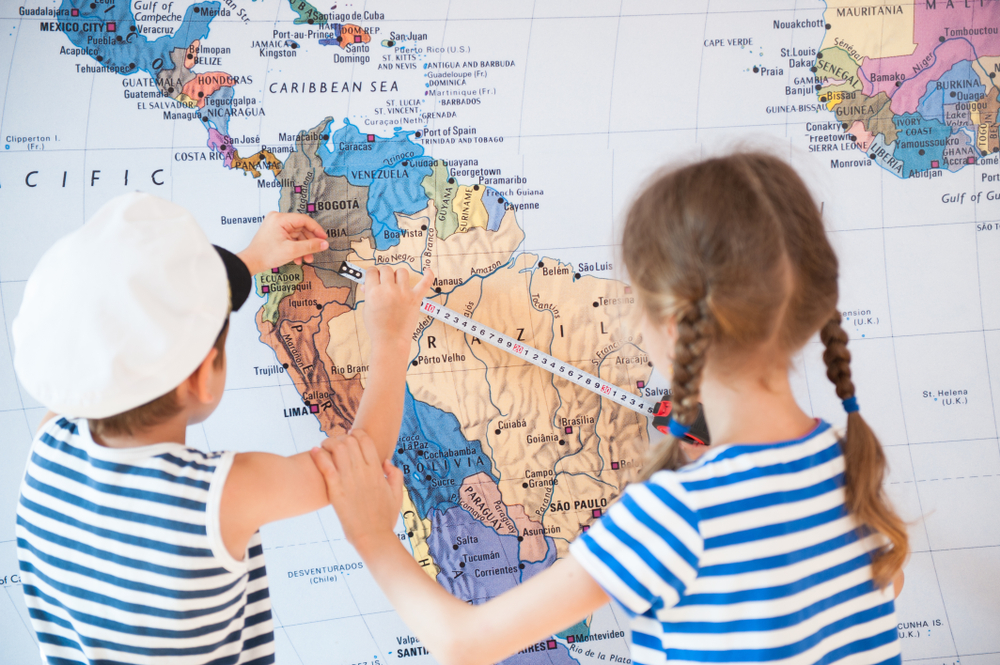

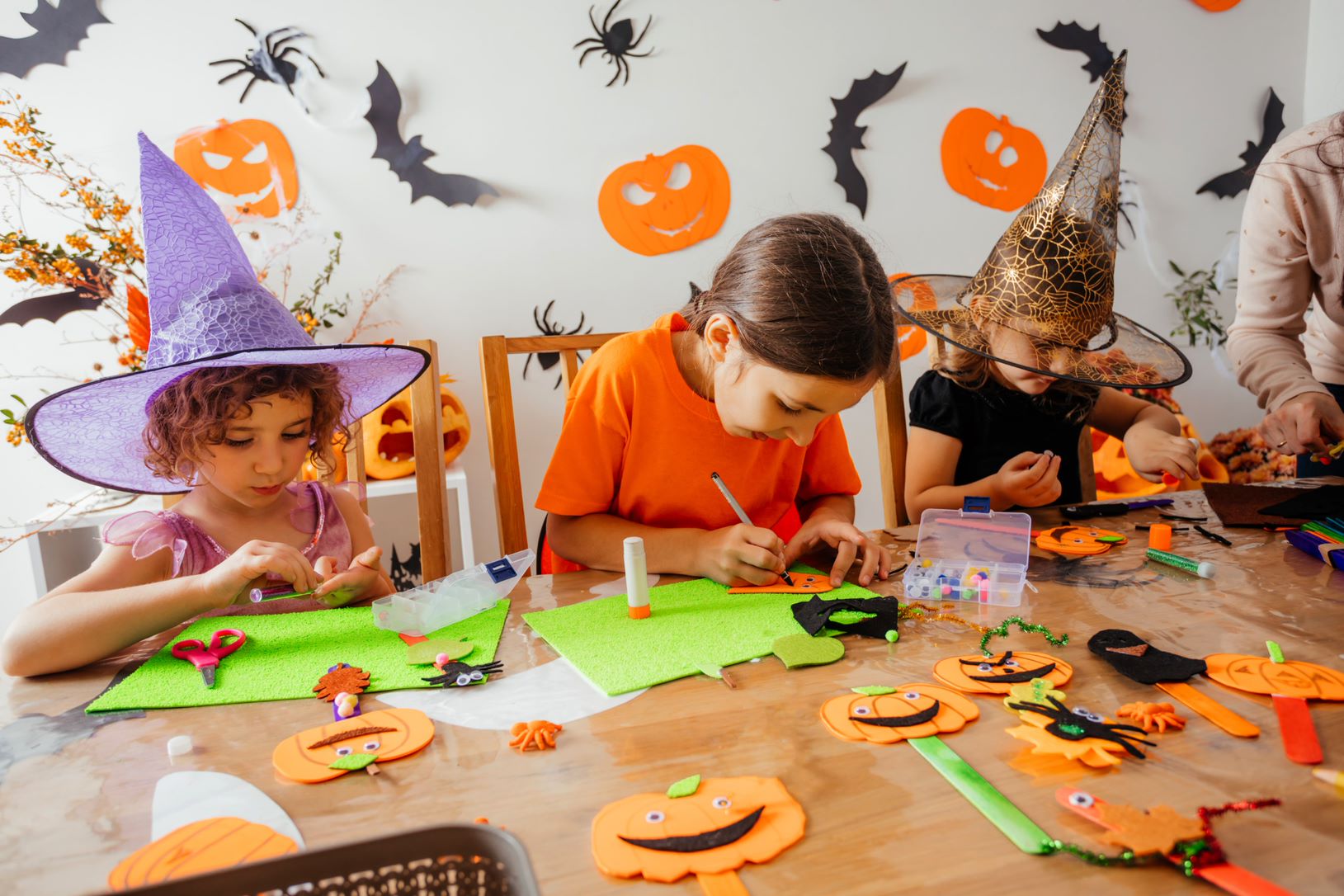

Identifying objects is a foundational math skill that plays a crucial role in the cognitive development of 5-year-olds. Parents and teachers should care about this skill as it lays the groundwork for more complex mathematical concepts. Through object identification, children learn to distinguish different shapes, sizes, and attributes, which enhance their critical thinking and observational skills.
Moreover, this activity integrates learning with everyday experiences, helping children connect math to the real world. By engaging with physical objects, children also develop their categorization abilities, paving the way for essential skills like sorting, counting, and understanding patterns. This initial exposure fosters a positive attitude towards math, reducing anxiety and building confidence.
Additionally, collaborative activities centered around identifying objects promote social skills, encouraging teamwork and communication among peers. As they share their thoughts and observations, children enhance their language development, too.
Finally, these foundational skills are linked to future academic success. Identifying objects is not just an isolated mathematical skill; it's a gateway to advanced problem-solving and reasoning abilities that are critical throughout a child's educational journey. By prioritizing this aspect of math learning, parents and teachers can cultivate a solid base for numeracy and lifelong learning.








