Number tracing Math Worksheets for 5-Year-Olds
3 filtered results
-
From - To
Explore our engaging Number Tracing Math Worksheets designed specifically for 5-year-olds! These fun and interactive worksheets help young learners develop essential writing and number recognition skills. By tracing numbers, children will strengthen their fine motor skills while enjoying colorful and captivating designs that keep them motivated. Our worksheets cater to various learning styles, fostering a seamless learning experience. Perfect for both classroom and home use, these resources can aid in preparing your child for future math challenges. Download and watch your little one's confidence soar as they master their numbers with joy! Start their math adventure today!
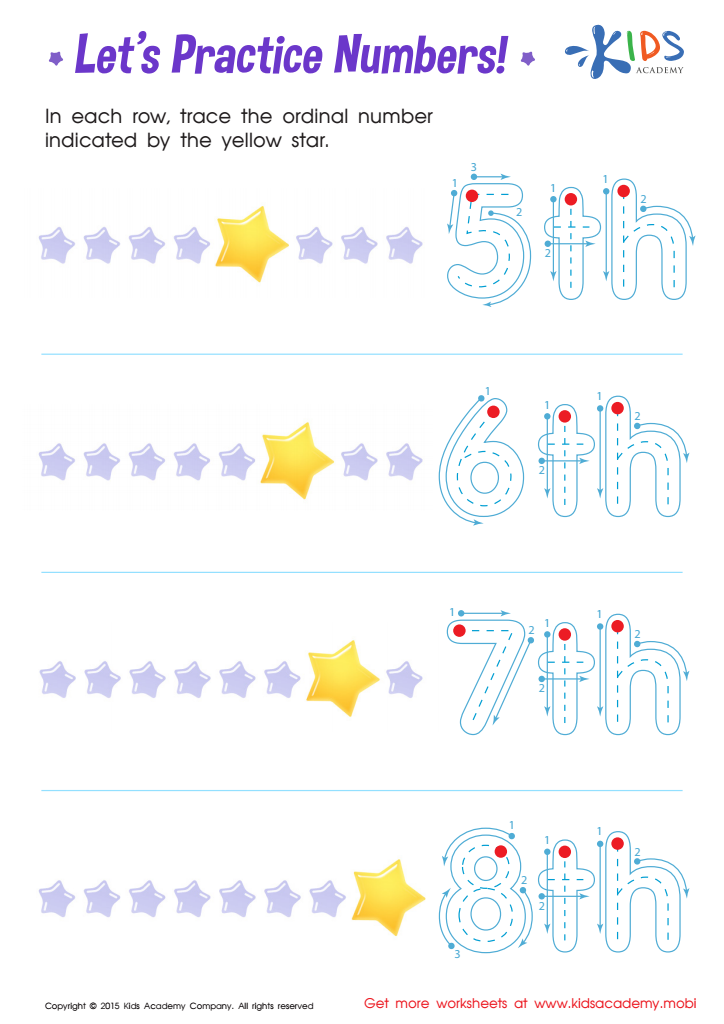
 Assign to My Students
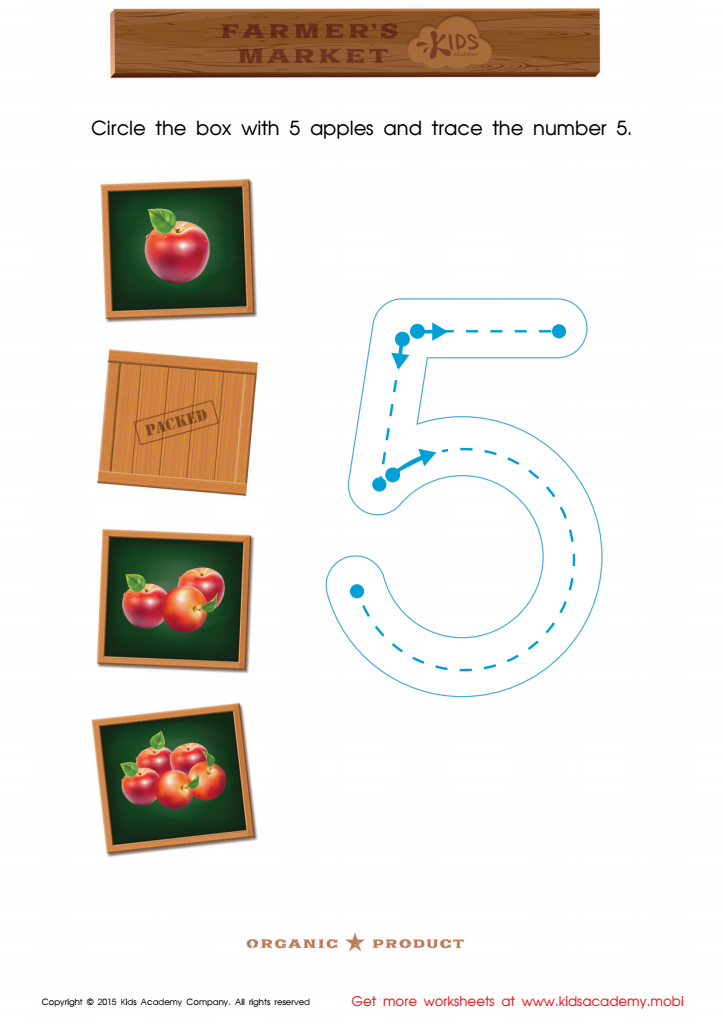
Count the Apples and Trace the Number 5 Printable
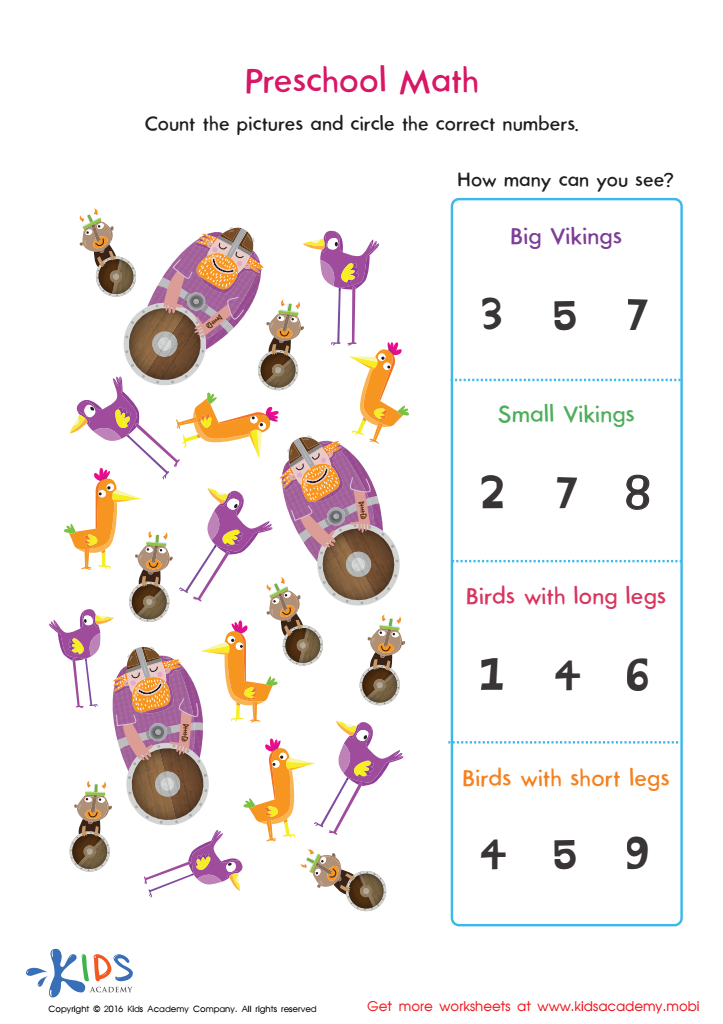




.jpg)



Number tracing is a vital activity for 5-year-olds because it lays the foundation for strong math skills and fine motor development. During this formative stage, children are naturally curious, and engaging them in number tracing introduces them to the world of numeracy in a fun, interactive way.
First, tracing numbers helps children understand shape and structure, reinforcing the visual and tactile learning process. As they trace, children learn how to form numbers correctly, which is essential for writing and mathematical calculations later on. This early practice helps them develop muscle memory, making it easier for them to write independently as they progress.
Additionally, number tracing activities hone fine motor skills, which are critical for overall handwriting and coordination. Improved dexterity laid during tracing translates into stronger skills for a variety of tasks, from writing to using utensils.
Moreover, number tracing fosters cognitive skills, enhancing number recognition and counting abilities. This early math proficiency builds confidence, encouraging children to engage more with math concepts as they advance.
In summary, number tracing is a foundational activity that promotes essential skills in writing, math understanding, and motor development, making it of significant importance for parents and teachers alike.








