Understanding symmetry Math Worksheets for 5-Year-Olds
3 filtered results
-
From - To
Unlock the magic of symmetry for your 5-year-old with our engaging math worksheets! Specially designed for young learners, these worksheets simplify the concept of symmetry through fun and interactive activities, using eye-catching images and shapes. They not only help your child recognize symmetrical patterns but also boost their critical thinking and spatial awareness skills. Perfect for hands-on practice at home or school, these worksheets make symmetry easy to understand and delightful to learn. Dive into the world of symmetry and watch your child's confidence in math soar! Download now for a fun educational experience.
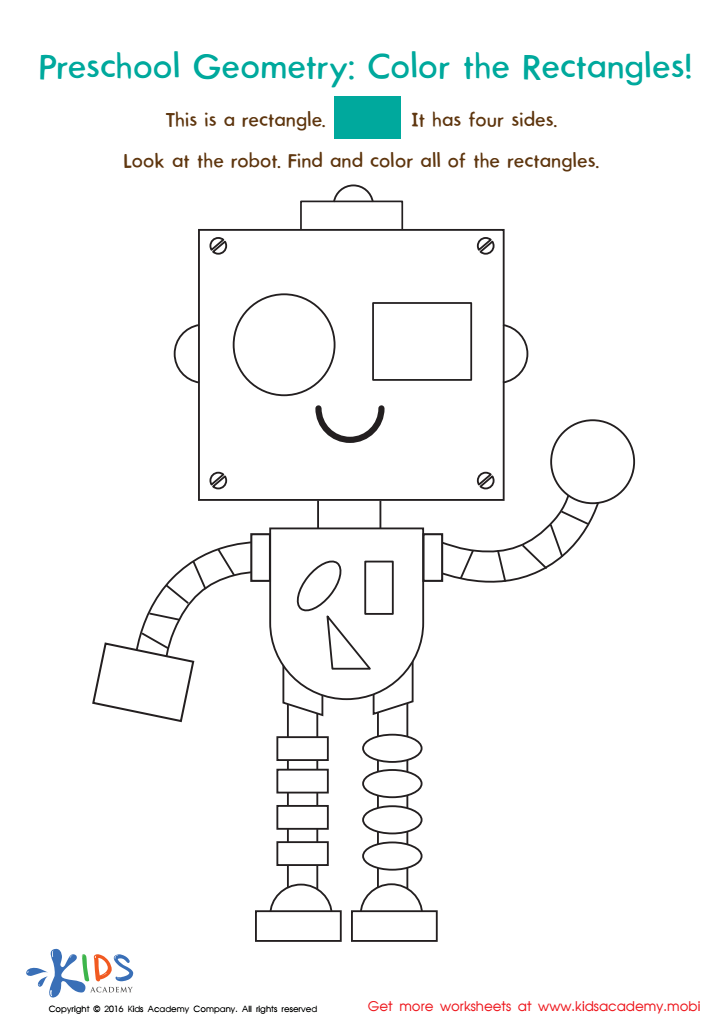
Geometry Worksheet
 Assign to My Students
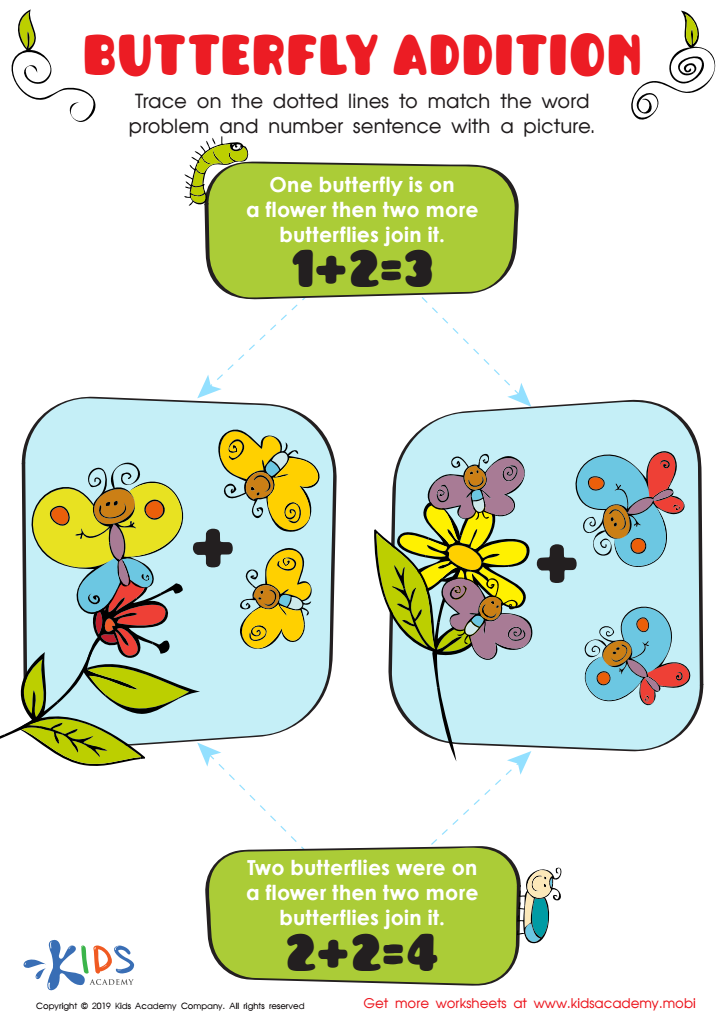
Butterfly Addition Worksheet
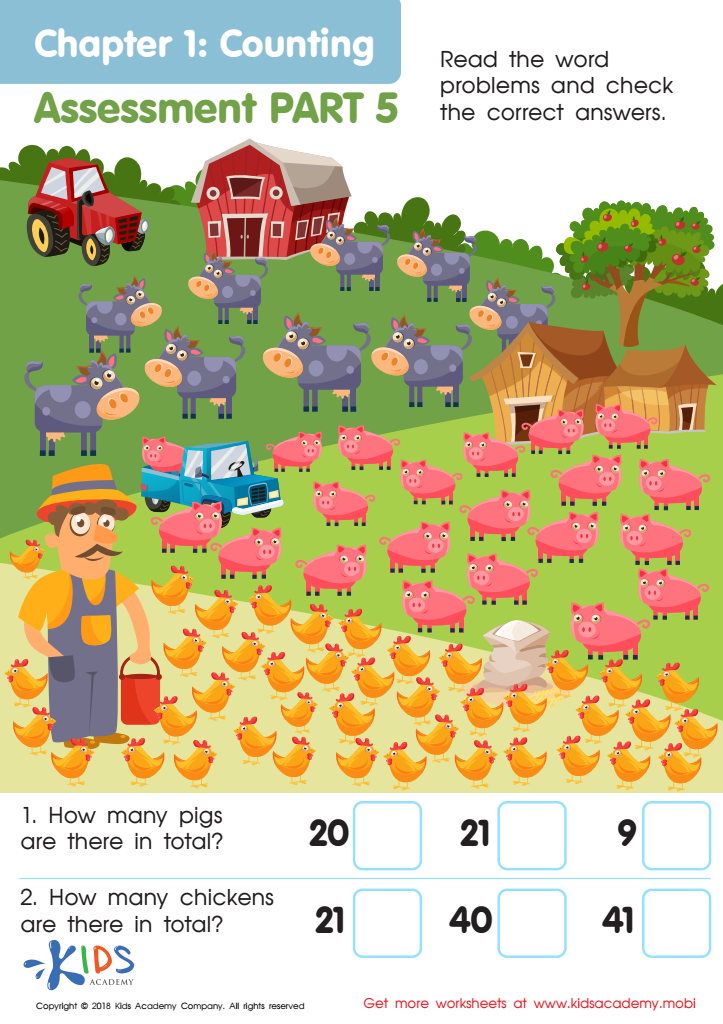
Counting: Assessment 5 Worksheet






Understanding symmetry in math for 5-year-olds is crucial for several reasons, benefiting both cognitive development and foundational math skills.
First, symmetry aids in visual perception and spatial awareness. Recognizing symmetrical shapes helps children develop stronger spatial reasoning abilities, which are essential skills for many areas of learning, including reading, writing, and higher-level math concepts.
Second, symmetry enhances problem-solving skills. When children recognize patterns and symmetrical relationships, they develop critical thinking and the ability to approach problems methodically. They learn to observe details, compare and analyze different parts of an object, and predict outcomes based on patterns they see.
Third, introducing symmetry at an early age lays the groundwork for future math concepts. It connects to fundamental ideas in geometry, such as understanding shapes, patterns, and transformations. As children progress in their education, these early lessons on symmetry become the building blocks for more advanced topics like reflections, congruence, and Cartesian coordinates.
Finally, teaching symmetry can make learning math more engaging and enjoyable. Activities involving symmetry can include drawing, painting, cutting, folding, or creating symmetrical structures with blocks or other materials. These hands-on experiences not only foster creativity but also make abstract concepts more concrete and accessible for young minds.
Overall, understanding symmetry helps develop a well-rounded mathematical foundation, essential for lifelong learning and problem-solving.








