Visual discrimination Math Worksheets for 5-Year-Olds
13 filtered results
-
From - To
Discover the perfect resource for young learners with our Visual Discrimination Math Worksheets for 5-Year-Olds. These engaging and educational worksheets are designed to enhance visual perception skills critical for mathematical learning. By identifying differences and patterns, children improve concentration and analytical thinking. Our fun activities include sorting, matching, and recognizing shapes and objects, ensuring a solid foundation for arithmetic abilities. Ideal for both classroom and home use, these worksheets make math exciting and accessible, sparking a lifelong love for learning. Equip your child with essential skills through interactive practice that blends education and fun seamlessly.
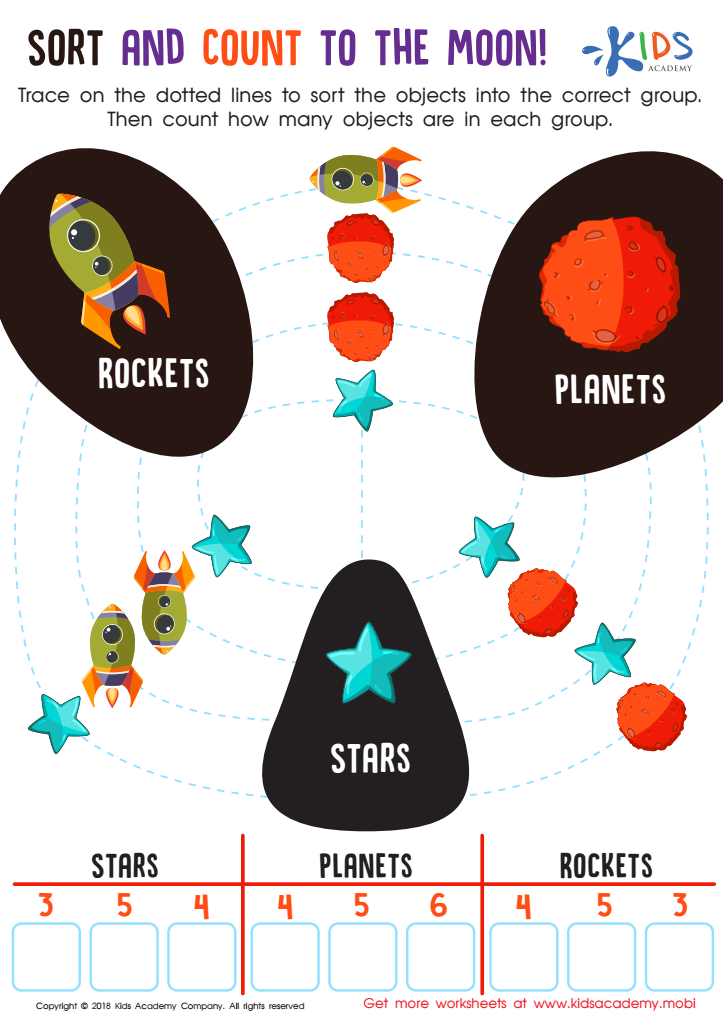
Sort and Count to the Moon Worksheet
 Assign to My Students
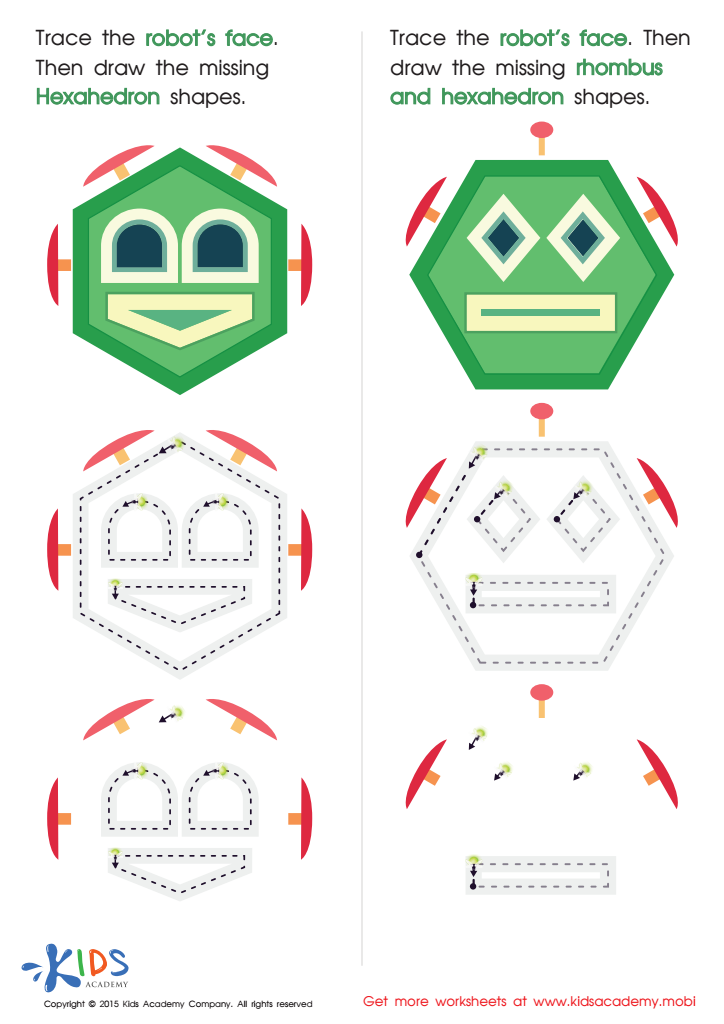
Practice Drawing Hexahedrons And a Rhombus Worksheet
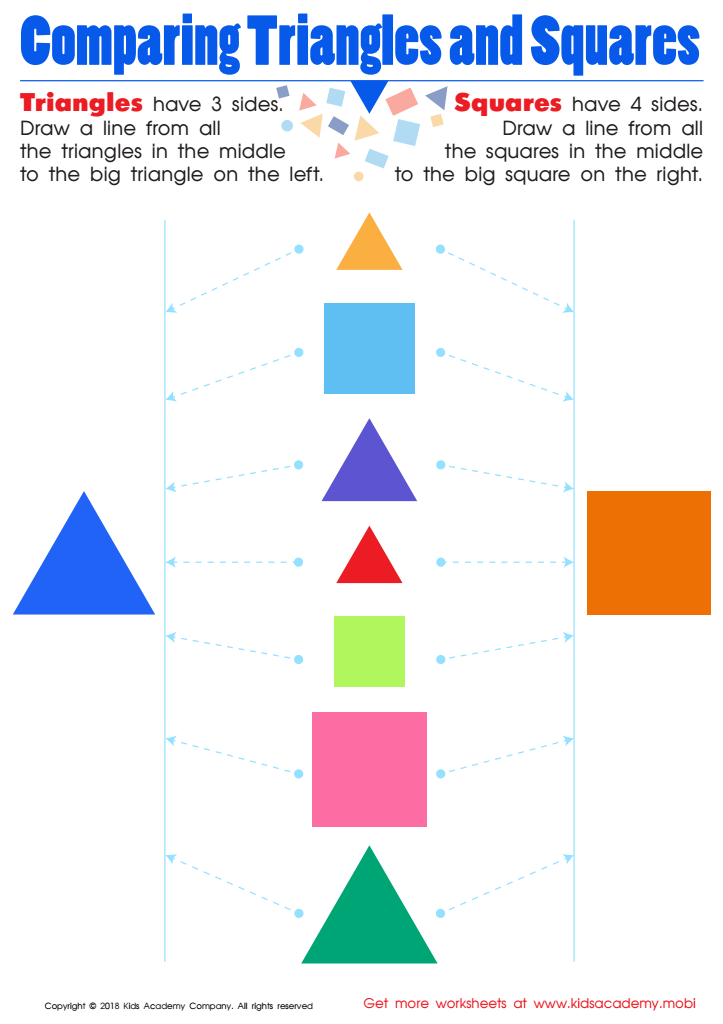
Comparing Triangles Squares Worksheet
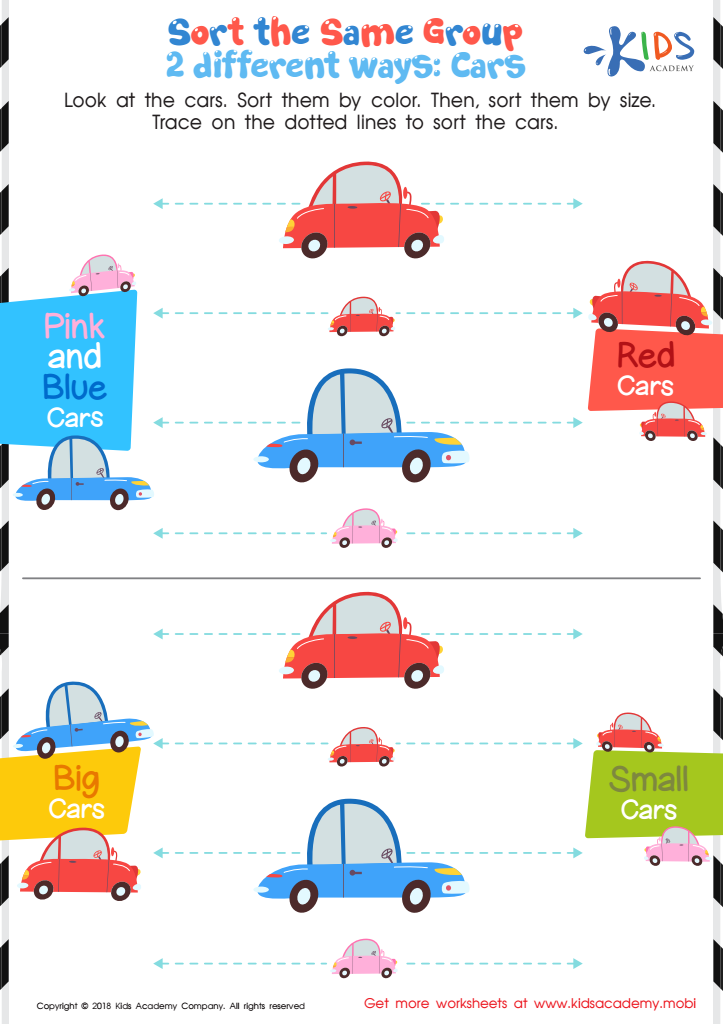
Sort the Same Group 2 Different Ways: Cars Worksheet
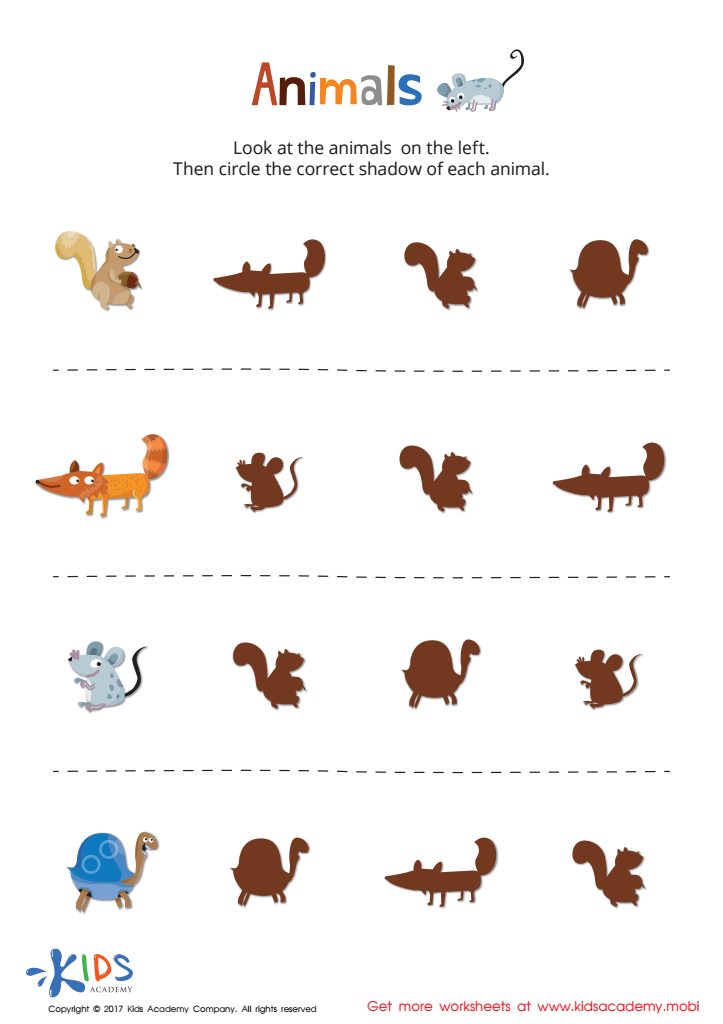
Animal Shadows Sorting Worksheet
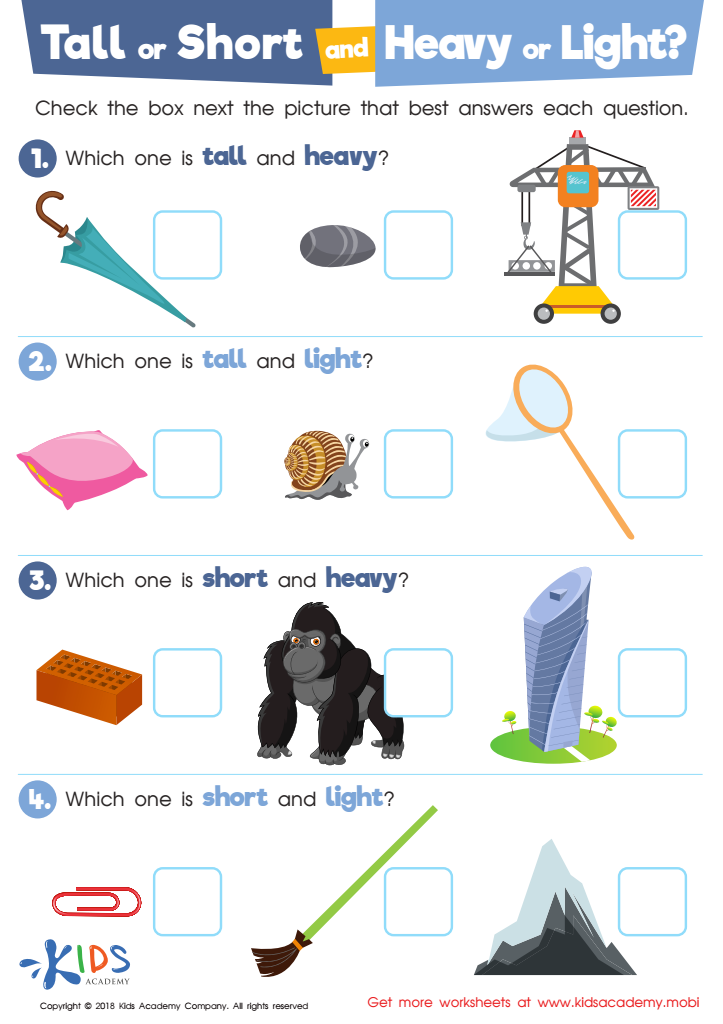
Tall or Short and Heavy or Light? Worksheet
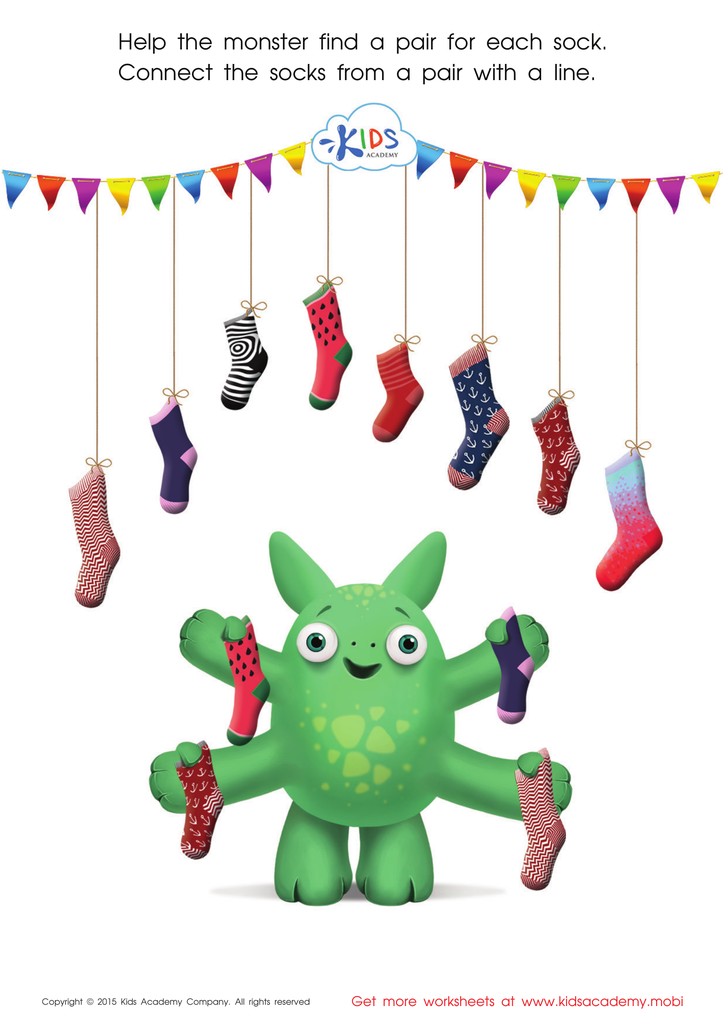
Math Matching Game: Monsterв's Socks Worksheet
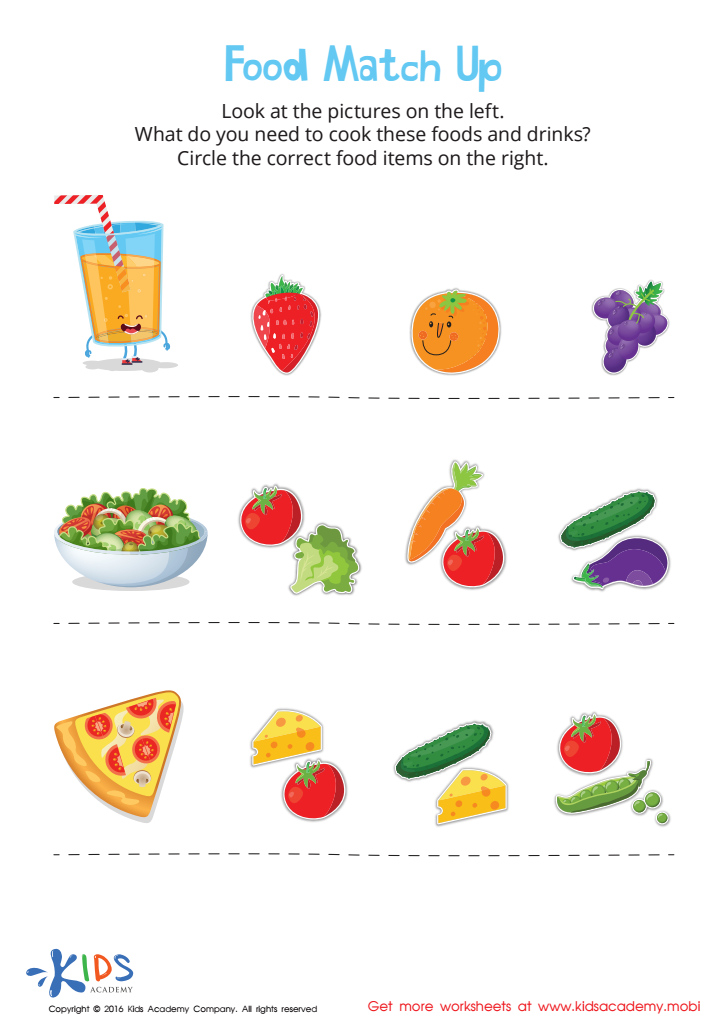
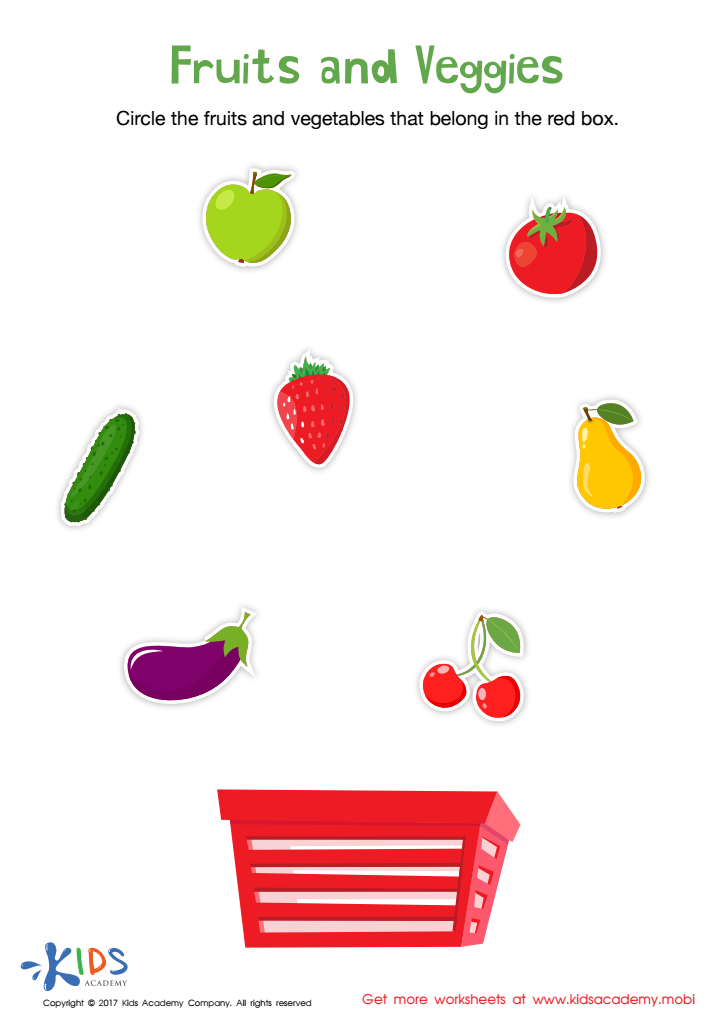
Food Match Up Worksheet
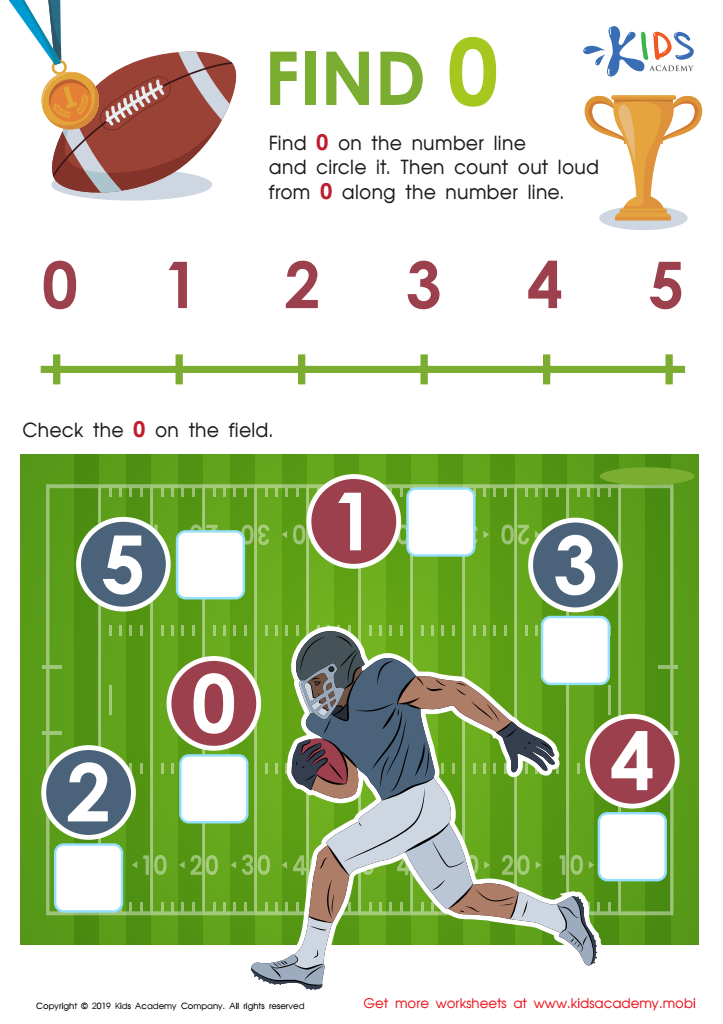
Find 0 Worksheet
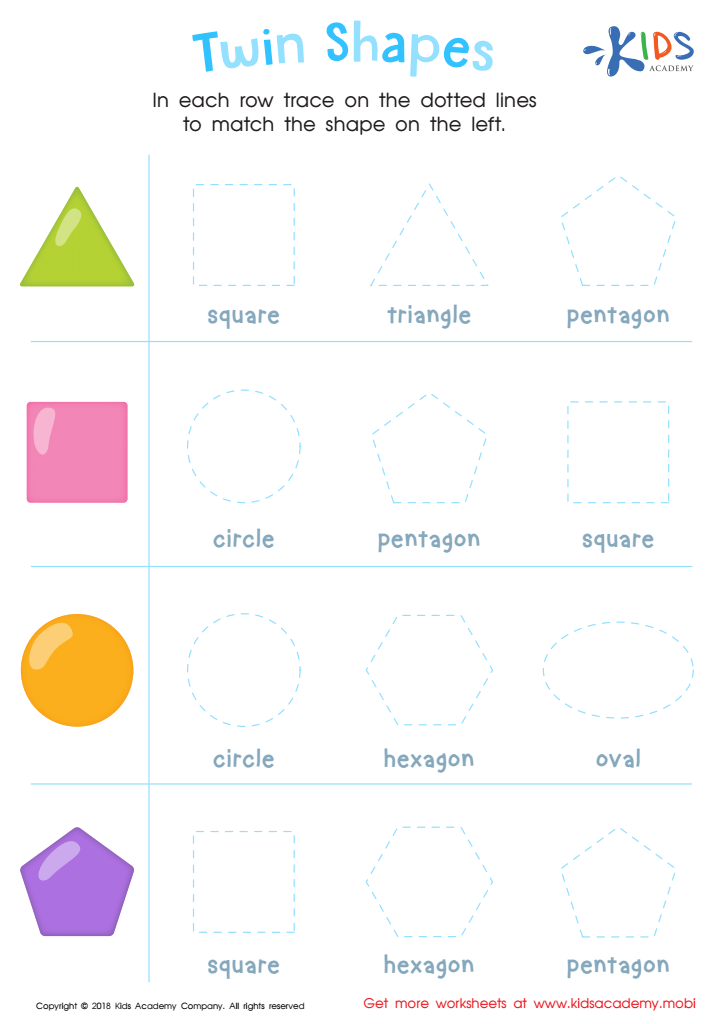
Twin Shapes Dot-to-Dot Worksheet
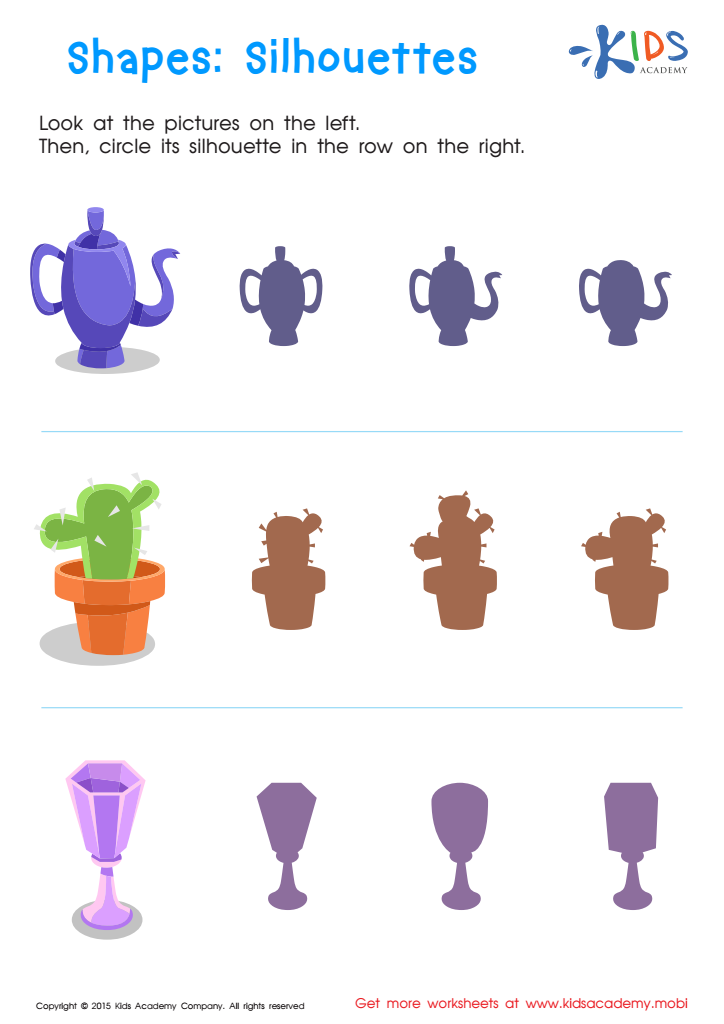
Silhouettes – Shapes Worksheet








Visual discrimination is the ability to recognize differences and similarities among shapes, objects, colors, and patterns. For 5-year-olds, developing strong visual discrimination skills is crucial for their overall cognitive development, particularly in math. At this age, children are introduced to foundational math concepts such as counting, sorting, and identifying shapes. When parents and teachers focus on visual discrimination, they equip children with the ability to understand and differentiate numbers, patterns, and geometric shapes more effectively.
Visual discrimination in math lays the groundwork for more advanced concepts. For instance, recognizing the difference between similar numbers like 6 and 9, or distinguishing geometric shapes such as squares and rectangles, is essential for accurate counting and problem-solving skills. These skills also enhance children's ability to follow directions, complete puzzles, and engage in activities that require attention to detail, all of which promote logical thinking and concentration.
Furthermore, visual discrimination fosters pre-reading abilities. Identifying letters and differentiating similar-looking words help bridge fine motor skills with cognitive recognition - critical for both reading and mathematical reasoning. By supporting these skills early on, parents and teachers ensure that children not only excel in math but also develop the comprehensive cognitive abilities necessary for lifelong learning.








