Understanding fractions Sorting Worksheets for 5-Year-Olds
3 filtered results
-
From - To
Discover our engaging "Understanding Fractions Sorting Worksheets" for 5-year-olds, designed to introduce young learners to the concept of fractions in a fun and interactive way. These worksheets encourage children to sort and classify shapes and objects based on their fractional parts. Not only do they enhance comprehension of basic fractional concepts, but they also promote critical thinking and fine motor skills. Each activity captures children’s attention with vibrant visuals and relatable scenarios. Perfect for both classroom and home learning, these sorting worksheets build foundational math skills that support future success in mathematics. Start your child's journey into fractions today!
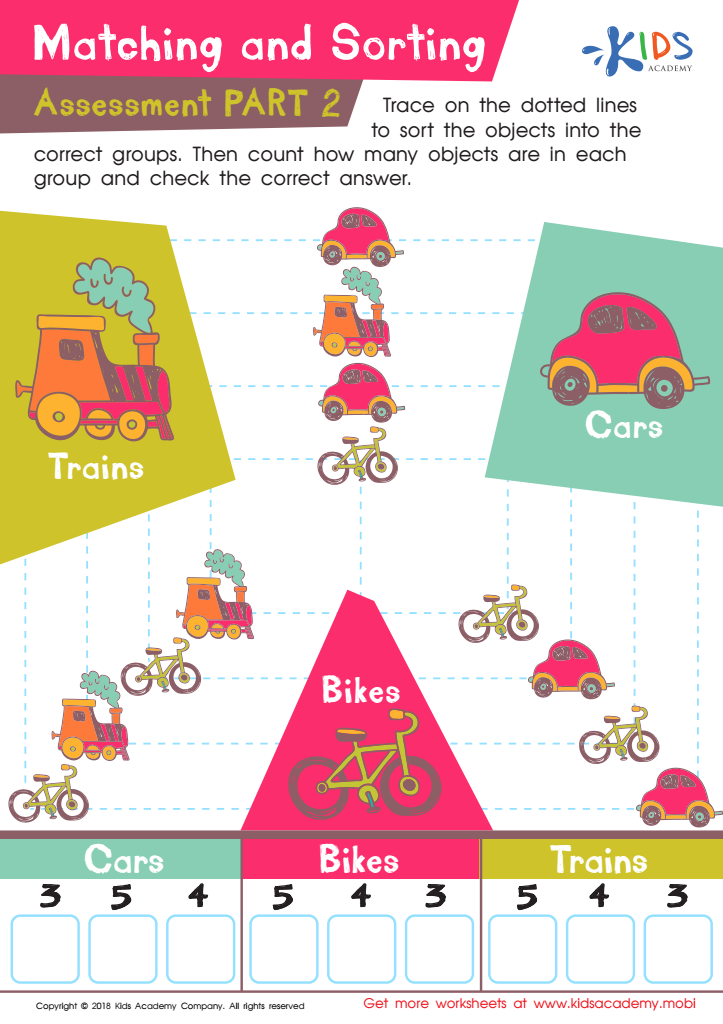
Matching and Sorting for Kindergarten: Assessment 2 Worksheet
 Assign to My Students
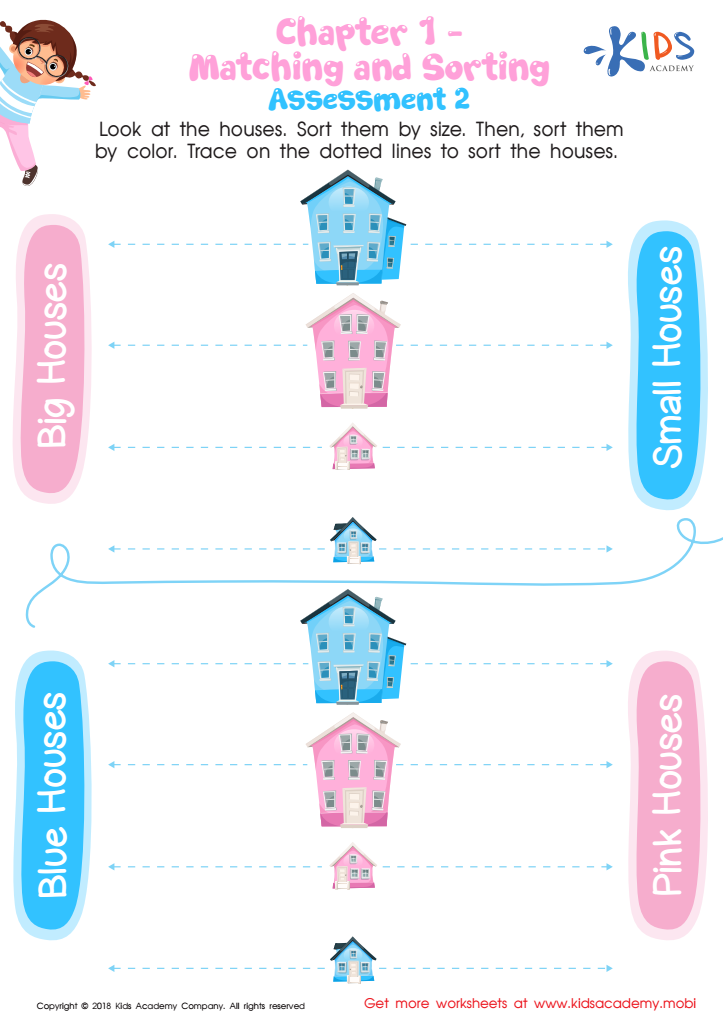
Matching and Sorting for Preschool: Assessment 2 Worksheet
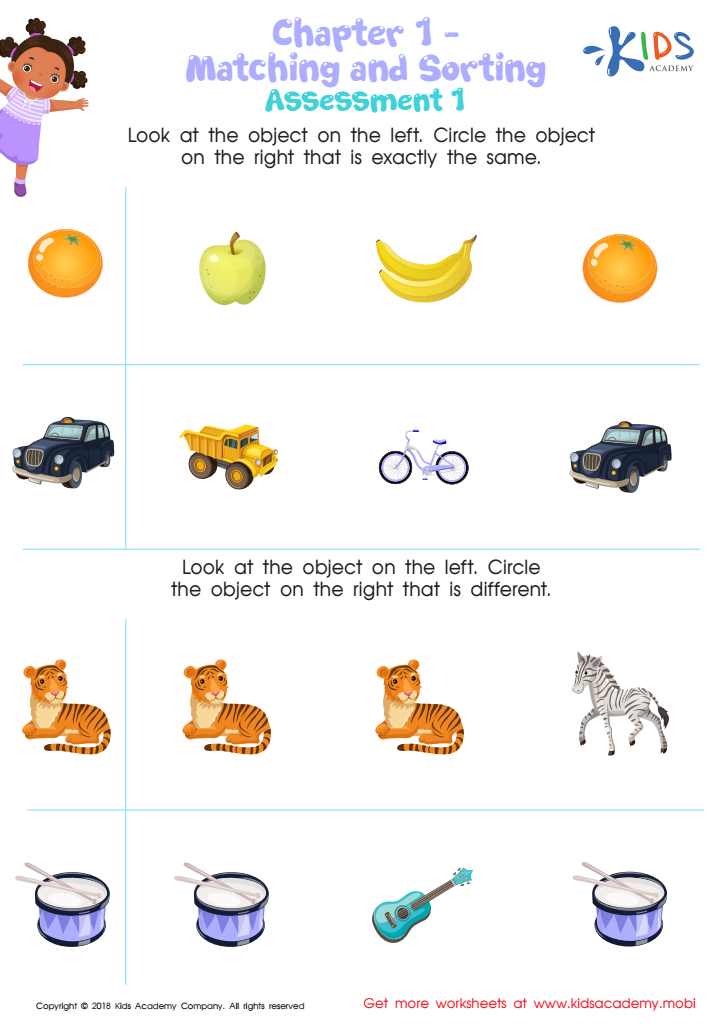
Matching and Sorting for Preschool: Assessment 1 Worksheet





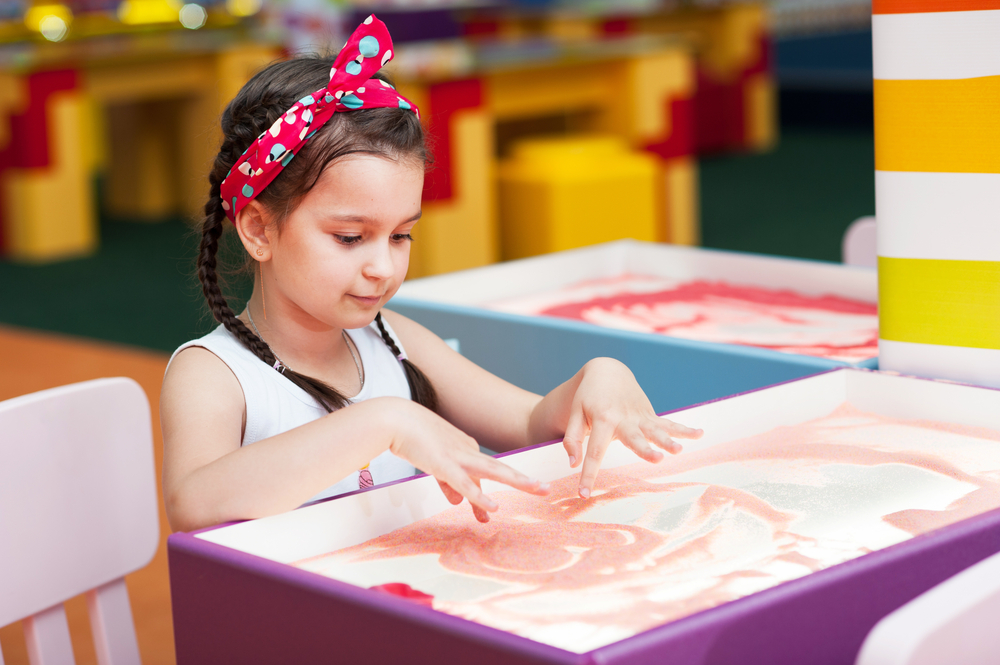

Understanding fractions at an early age is crucial for 5-year-olds as it lays the foundation for mathematical comprehension and critical thinking skills. When parents and teachers focus on teaching fractions through sorting activities, children learn to recognize parts of a whole in a tangible way. This hands-on experience can make abstract concepts more relatable and easier to grasp.
Sorting activities engage young children, allowing them to visually and physically manipulate materials, such as dividing objects, shapes, or even food items into halves or quarters. These activities promote cognitive development by improving problem-solving skills and enhancing spatial awareness. As children sort items by size or shape, they begin to develop an understanding of proportional relationships and comparisons.
Additionally, learning about fractions encourages important social skills as children work together, share their findings, and communicate their thought processes. By fostering interest in mathematics through engaging activities, parents and teachers can instill a positive attitude toward learning that will benefit children as they progress in their education.
Ultimately, early exposure to fractions not only supports academic growth, but also equips children with essential life skills, such as critical thinking and collaboration, which are indispensable for their overall development.








