Shape identification Tracing Shapes Worksheets for 5-Year-Olds
3 filtered results
-
From - To
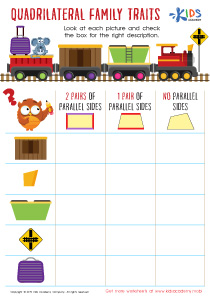
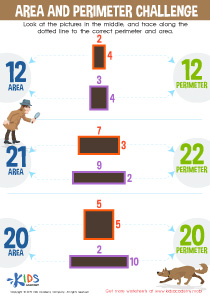
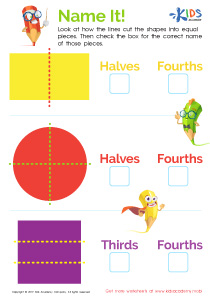
Welcome to our Shape Identification Tracing Shapes Worksheets for 5-Year-Olds! These engaging worksheets are designed to help young learners recognize and trace different geometric shapes, enhancing their fine motor skills and shape recognition abilities. Featuring vibrant illustrations and easy-to-follow tracing patterns, these activities make learning fun and interactive. Children will develop confidence in identifying circles, squares, triangles, and more, while enjoying a hands-on approach to early math concepts. Perfect for home or classroom use, these worksheets cater to diverse learning styles and prepare students for more advanced mathematical skills. Download now and give your child a head start in shape identification!
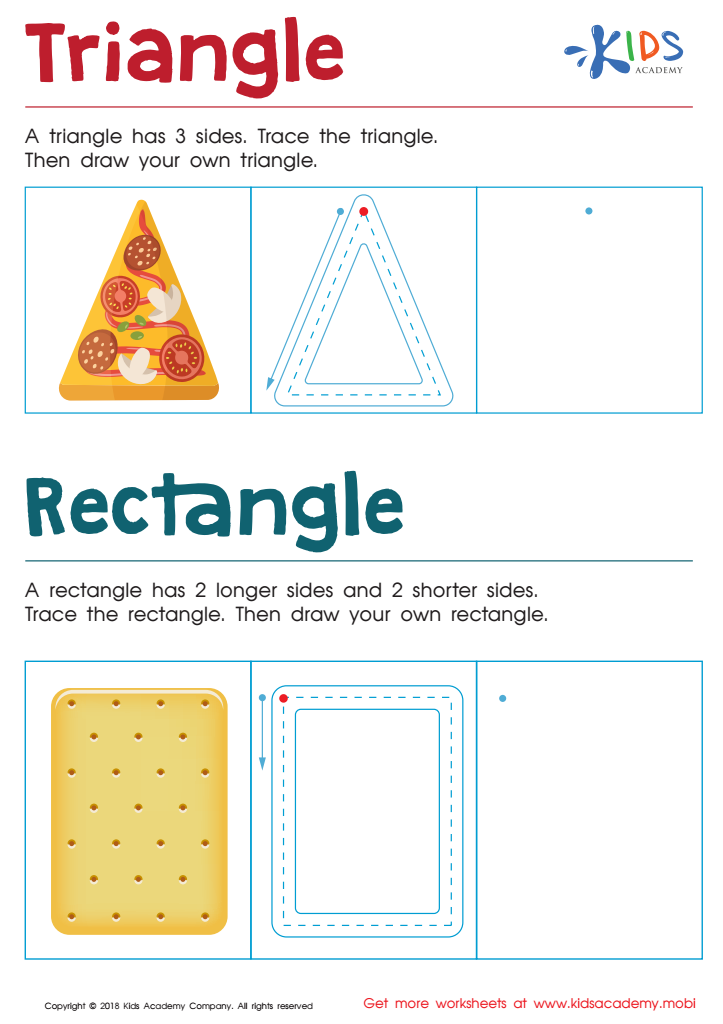
Triangle Rectangle Worksheet
 Assign to My Students
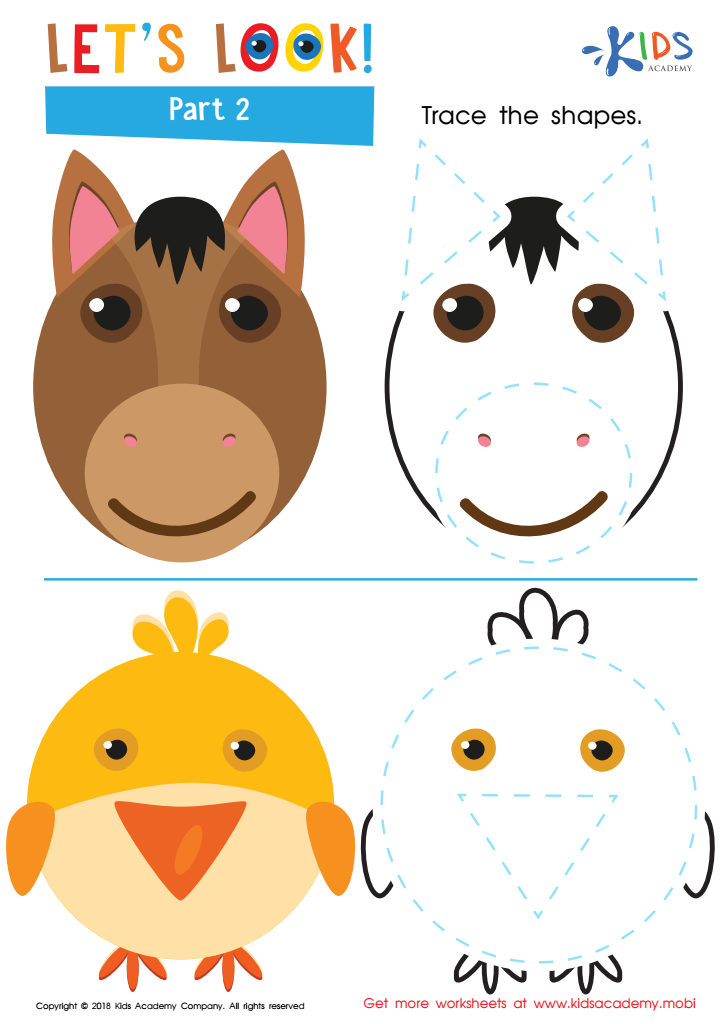
Let's Look! Part 2 Worksheet
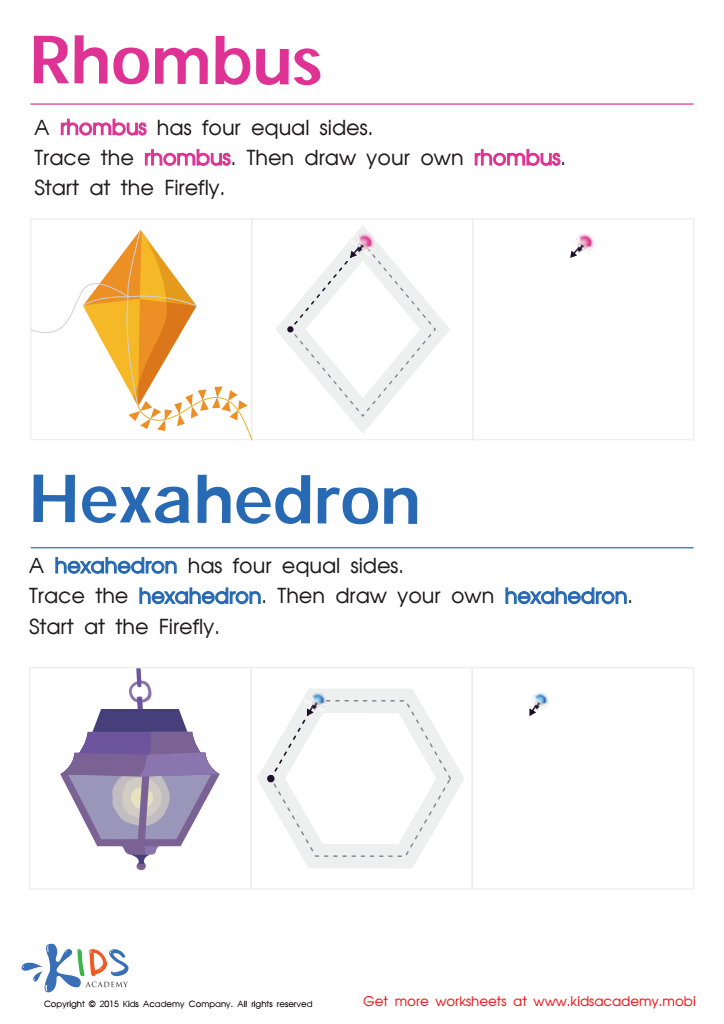
Draw a Rhombus And a Hexahedron Printable








Shape identification and tracing shapes are vital developmental activities for 5-year-olds that greatly benefit their cognitive, motor, and social skills. Firstly, recognizing shapes enhances a child's spatial awareness, which is fundamental for problem-solving and math skills in later years. When children can identify and categorize shapes, they begin to understand the basic building blocks of geometry and gain confidence in their mathematical abilities.
Furthermore, tracing shapes fosters fine motor skill development, crucial for writing and everyday tasks. As children engage in tracing, they strengthen their hand-eye coordination and dexterity, which lays the groundwork for more complex tasks, like holding a pencil and eventually writing letters and numbers accurately.
Additionally, these activities encourage creativity and imaginative thinking. Children can combine basic shapes to create complex figures or scenes, stimulating their artistic expression. In a classroom or home setting, shape activities also promote collaborative play, fostering social interaction and teamwork.
For parents and teachers, investing time in shape identification and tracing ensures children gain essential skills while making learning enjoyable. These foundational abilities not only support academic growth but also contribute to a child’s overall development and readiness for future educational challenges.