Hand-eye Coordination Building Vocabulary Worksheets for 5-Year-Olds
3 filtered results
-
From - To
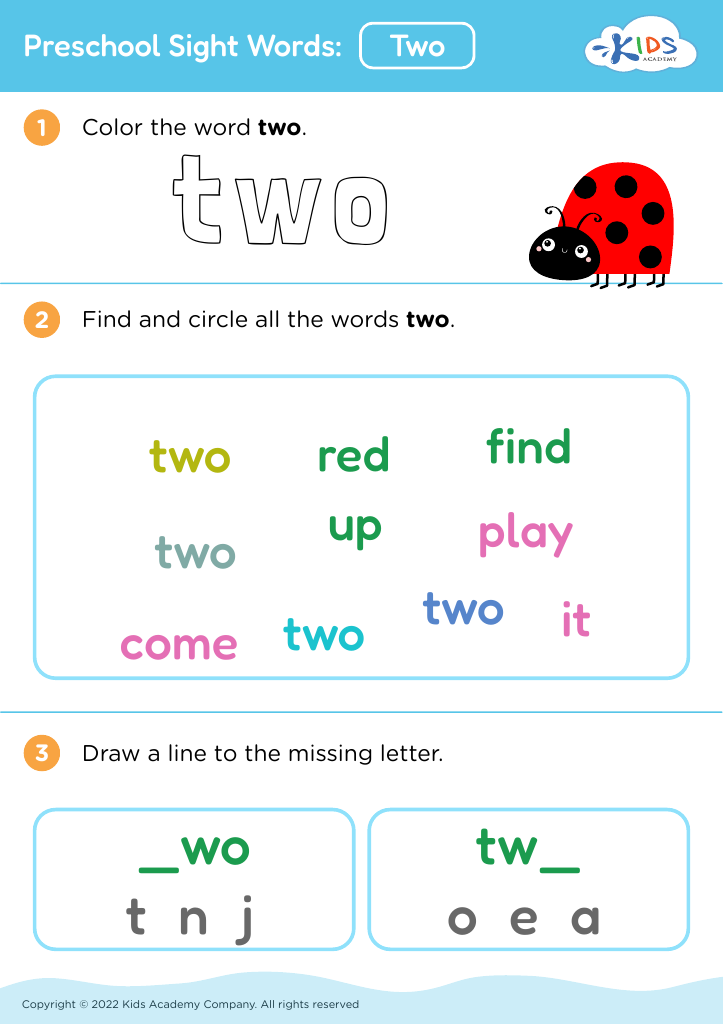
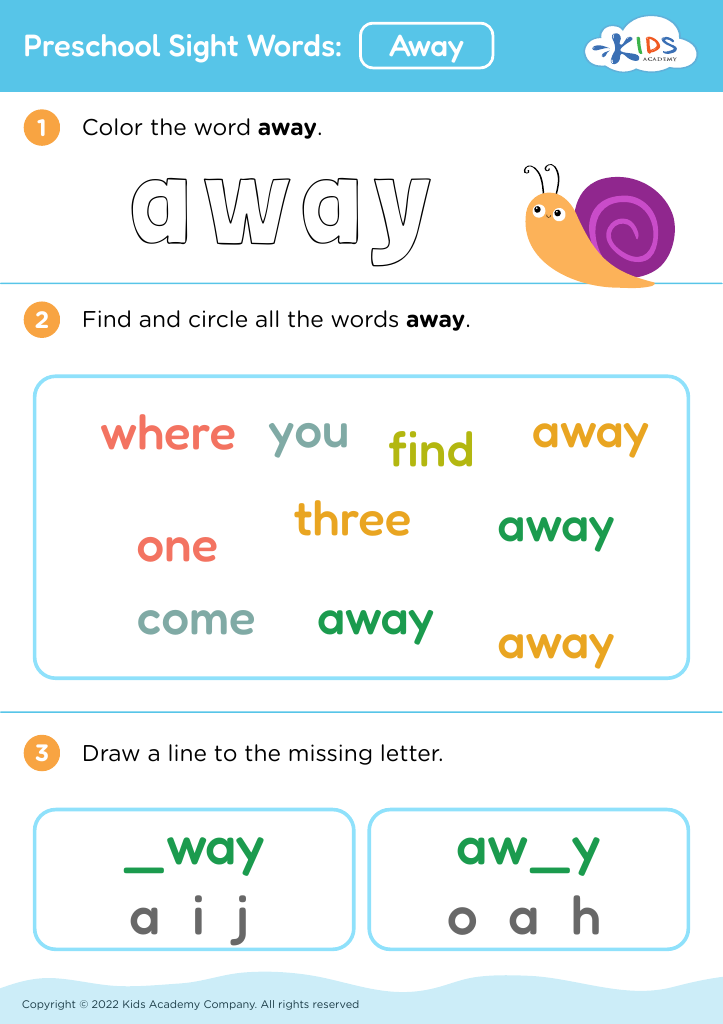
Enhance your child's vocabulary and fine motor skills with our Hand-Eye Coordination Building Vocabulary Worksheets for 5-Year-Olds. Specifically designed for early learners, these fun-filled, engaging worksheets help children seamlessly integrate new words into their vocabulary while practicing hand-eye coordination. With a variety of interactive exercises such as tracing, matching, and puzzle-solving, kids will boost their language development and improve their writing skills. Perfect for at-home learning or supplemental classroom activities, our worksheets provide a solid foundation for reading and writing success through playful practice. Give your little one the tools they need for a bright academic future!
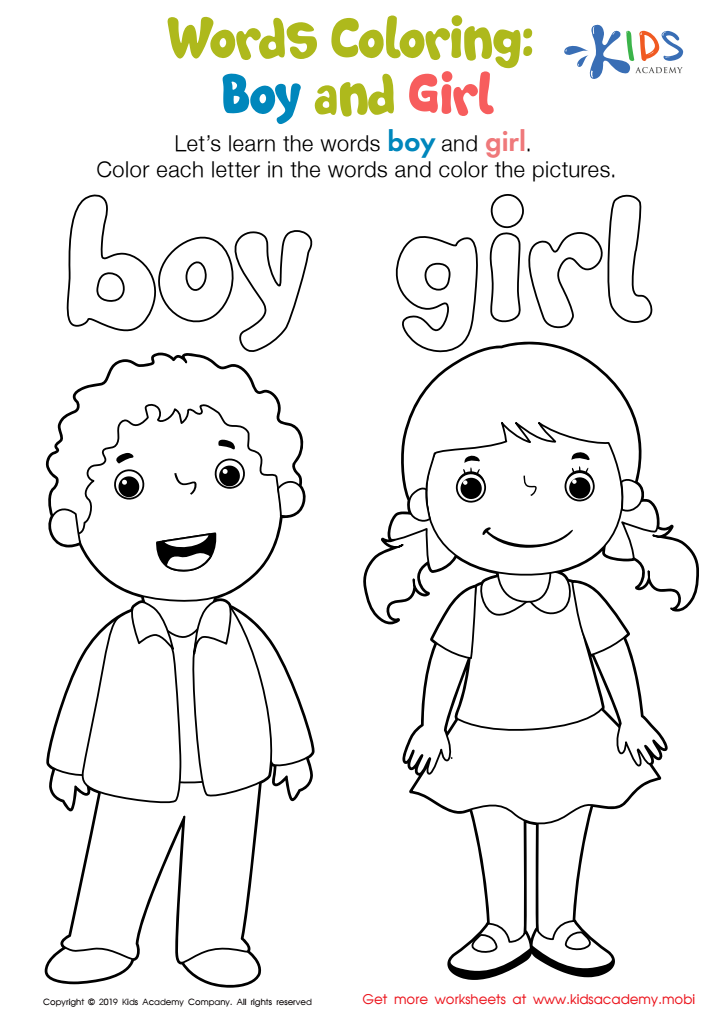
Boy and Girl Words Coloring Worksheet
 Assign to My Students

















.jpg)

Hand-eye coordination and building vocabulary are critical areas of development for 5-year-olds, setting a strong foundation for their educational journey and overall growth.
Fostering good hand-eye coordination is essential because it enables children to perform everyday tasks more efficiently and supports the development of fine motor skills necessary for writing, drawing, and other classroom activities. Improved coordination can also enhance a child’s confidence and independence, as they accomplish tasks like tying shoelaces or playing sports, thereby encouraging an active and healthy lifestyle.
Simultaneously, building a robust vocabulary opens doors to effective communication and literacy. A well-developed vocabulary enhances a child's ability to understand and articulate their thoughts, making social interactions smoother and reducing frustration. It also lays the groundwork for reading comprehension; children with a strong vocabulary are better equipped to understand stories, follow instructions, and engage with the curriculum. This linguistic competence is linked to later academic success and empowerment in expressing complex ideas.
In essence, investing time in developing hand-eye coordination and vocabulary at an early age can yield significant benefits, equipping children with essential skills for lifelong learning and interaction. Consequently, parents and teachers who emphasize these areas can help shape a more capable, confident, and communicative generation.








