Logical Reasoning Building Vocabulary Worksheets for 5-Year-Olds
7 filtered results
-
From - To
Enhance your child's cognitive abilities with our Logical Reasoning Building Vocabulary Worksheets designed for 5-year-olds. These engaging worksheets nurture critical thinking, problem-solving, and language skills by using fun, age-appropriate activities. The expertly crafted exercises focus on both vocabulary development and logical reasoning, promoting an essential educational foundation. Perfect for early learners, these printables are a great way to prepare your child for academic success in a stimulating and enjoyable way. Explore our collection of free, high-quality resources to support your child’s developmental milestones and inspire a love for learning. Try them today at Kids Academy!
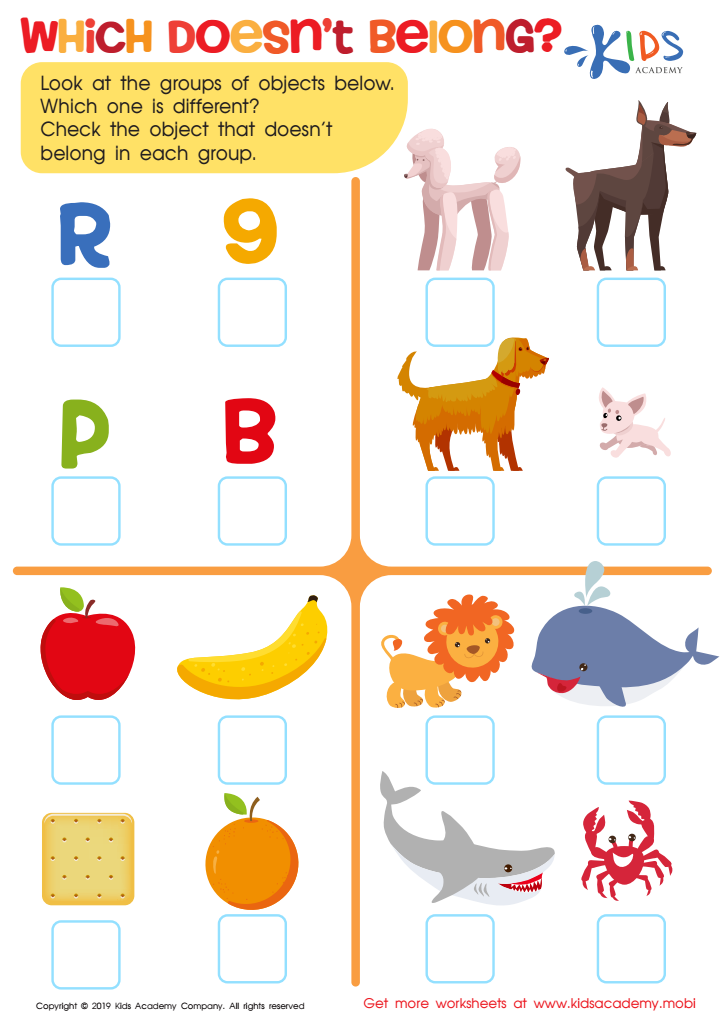
Which Doesn't Belong? Worksheet
 Assign to My Students











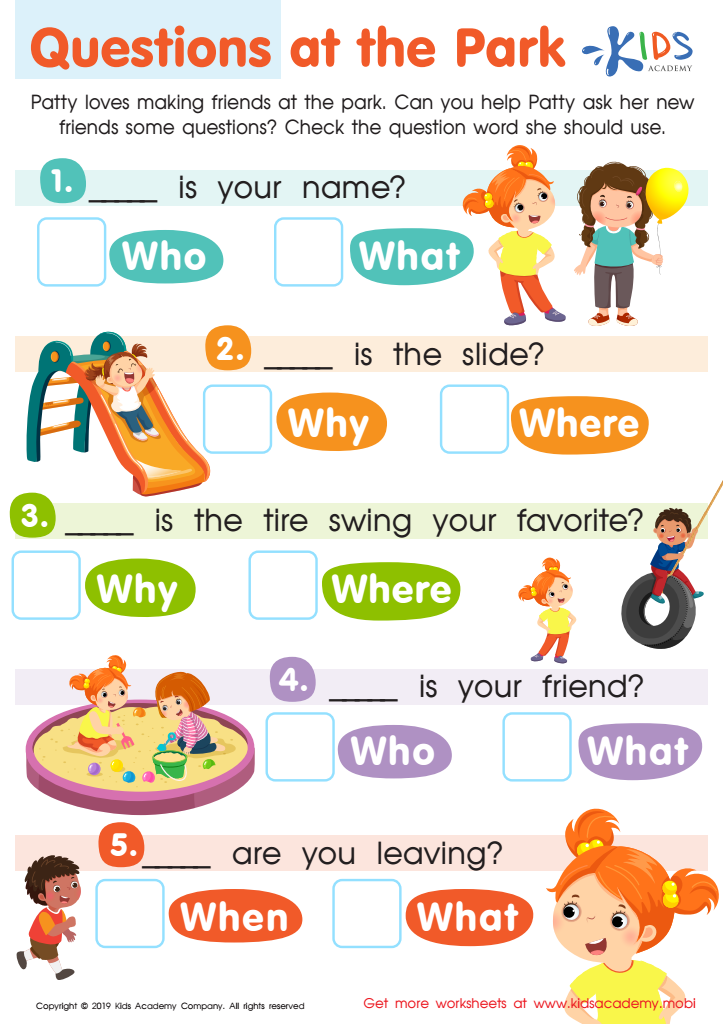
Questions at the Park Worksheet
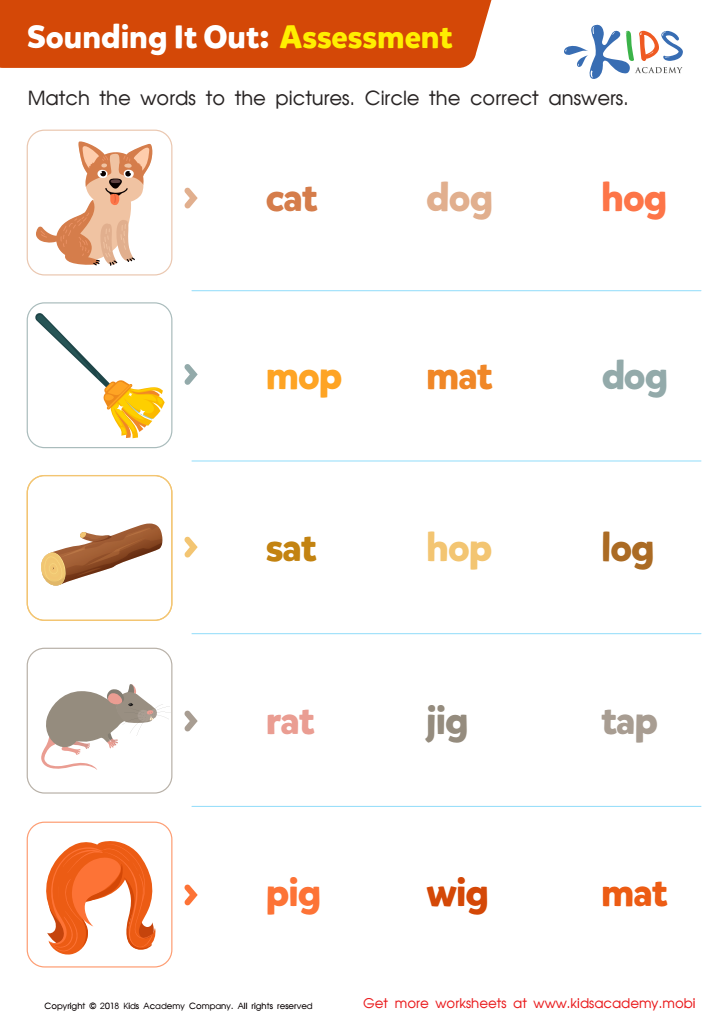
Sounding it Out: Assessment Worksheet
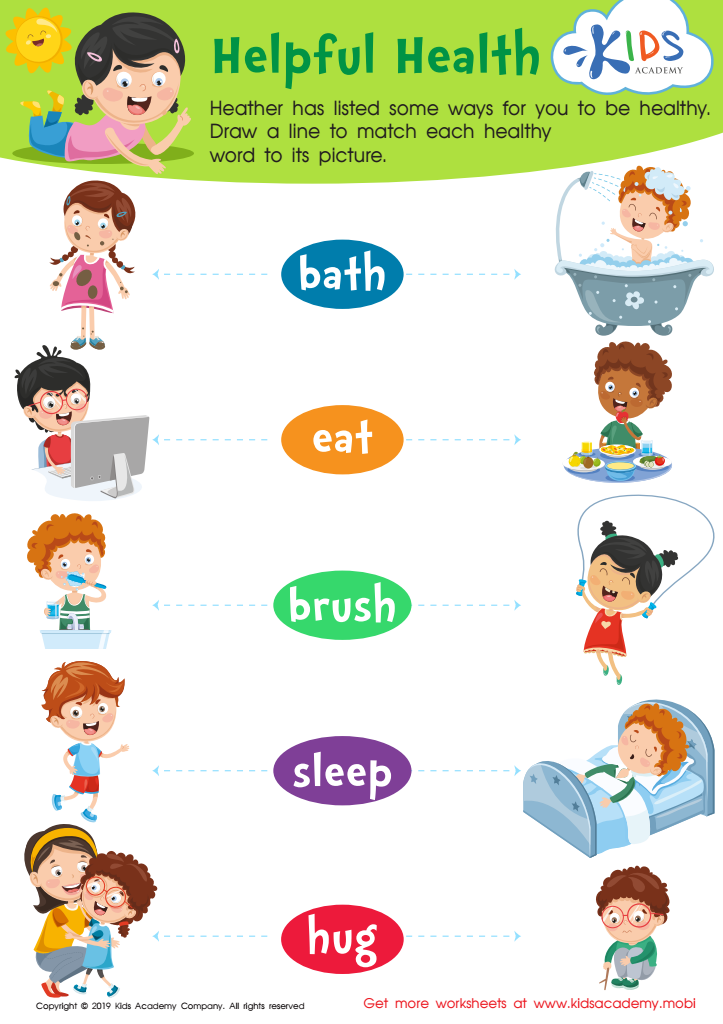
Helpful Health Worksheet


.jpg)
.jpg)




Parents and teachers should care about building logical reasoning and vocabulary for 5-year-olds because these skills are essential for early cognitive development and set the foundation for future learning. Children at this age are like sponges, rapidly absorbing information and learning how to explore and understand their world. Encouraging logical reasoning helps them to develop critical thinking skills, solve problems independently, and make connections between concepts. This cognitive development is crucial as it supports their ability to understand more complex ideas later in life.
Simultaneously, having a rich vocabulary equips children with the tools to express themselves clearly and effectively. This is important not just for academic success but also for social interactions and emotional competence. It helps them articulate their needs, understand instructions, and engage more meaningfully in conversations with adults and peers.
By focusing on these skills early on, parents and teachers can ensure that children are better prepared for the more structured learning environments of kindergarten and beyond. Activities and games that integrate logical reasoning and vocabulary building also make learning fun and engaging, fostering a positive attitude towards education that can persist throughout their academic journeys. Investing in these areas promotes a well-rounded development, giving children the best possible start in both school and life.








