
Understanding patterns Building Vocabulary Worksheets for 5-Year-Olds
4 filtered results
Difficulty Level
Grade
Age
-
From - To
Subject
Activity
Standards
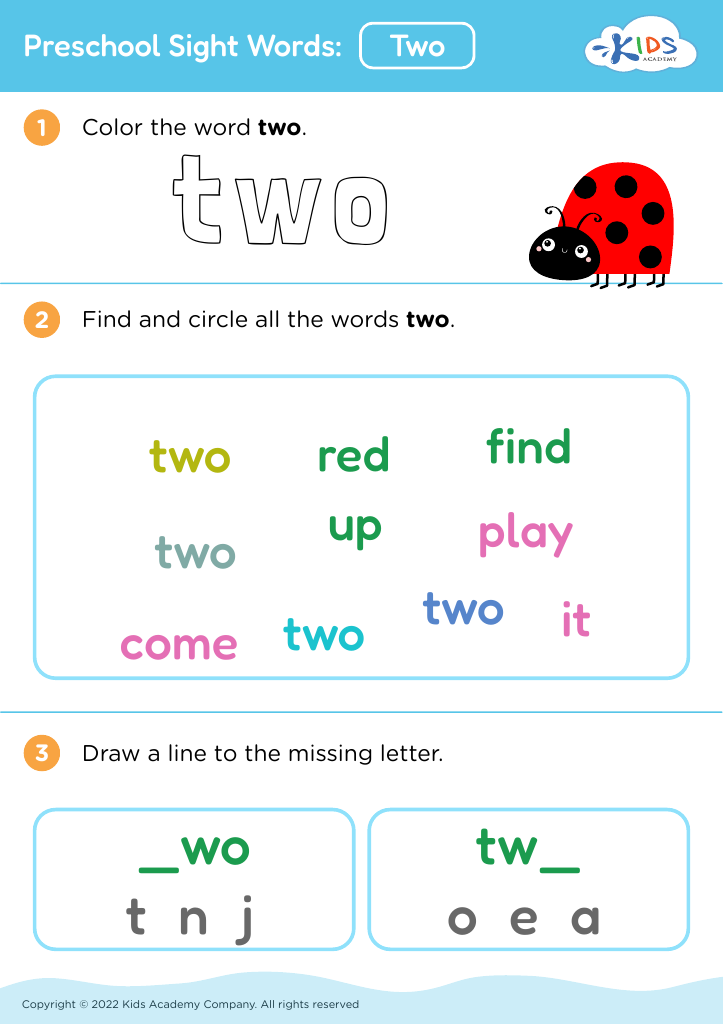
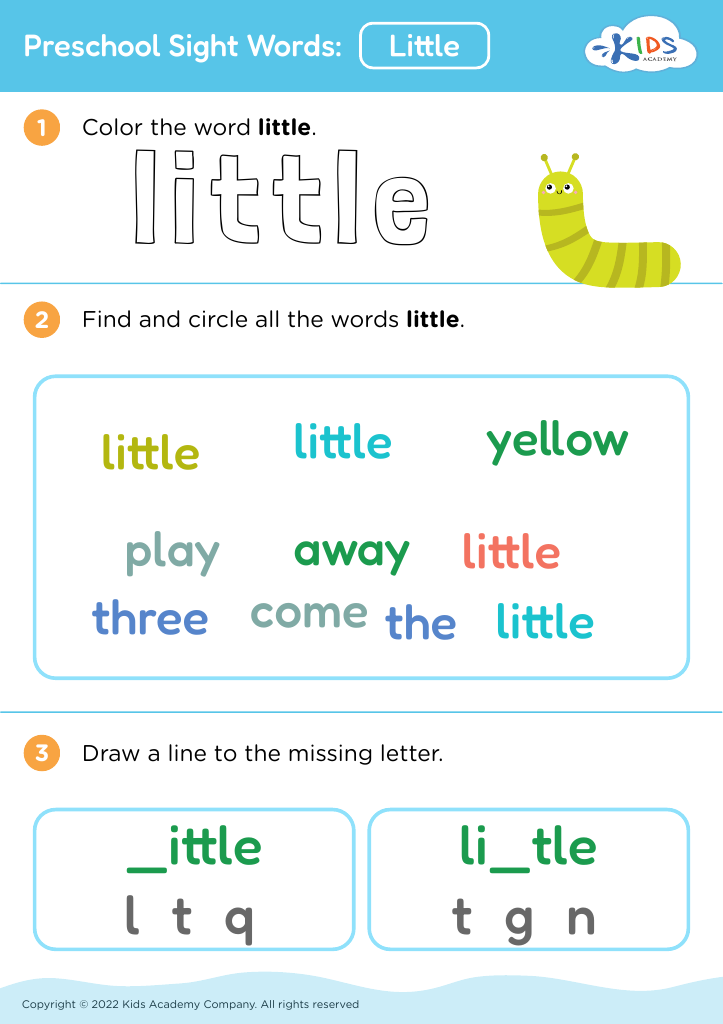
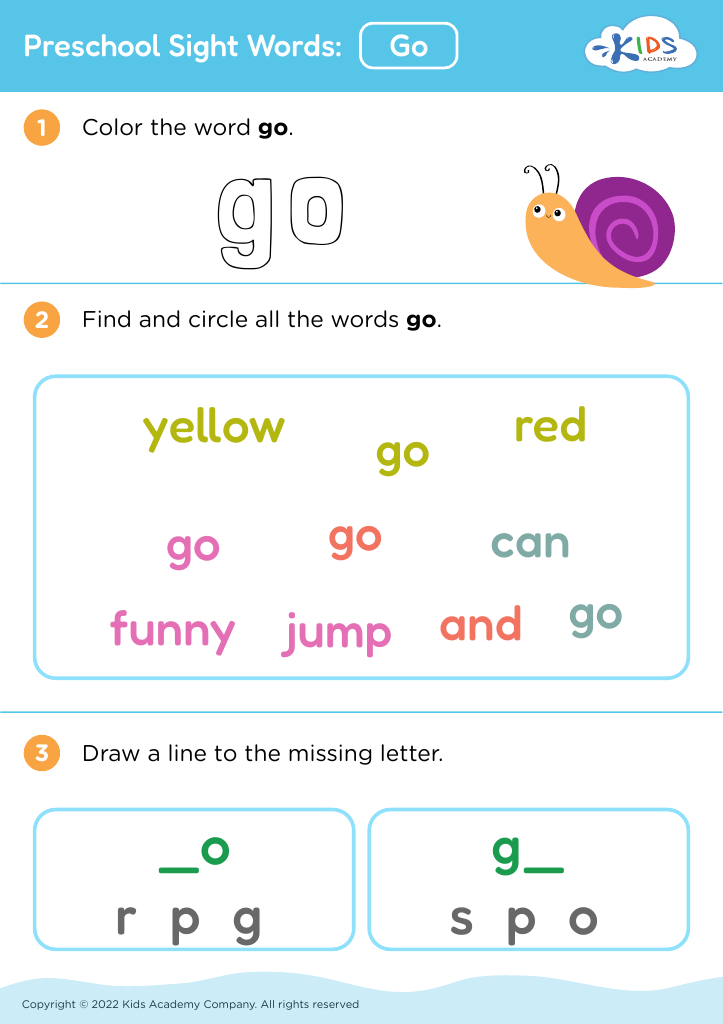
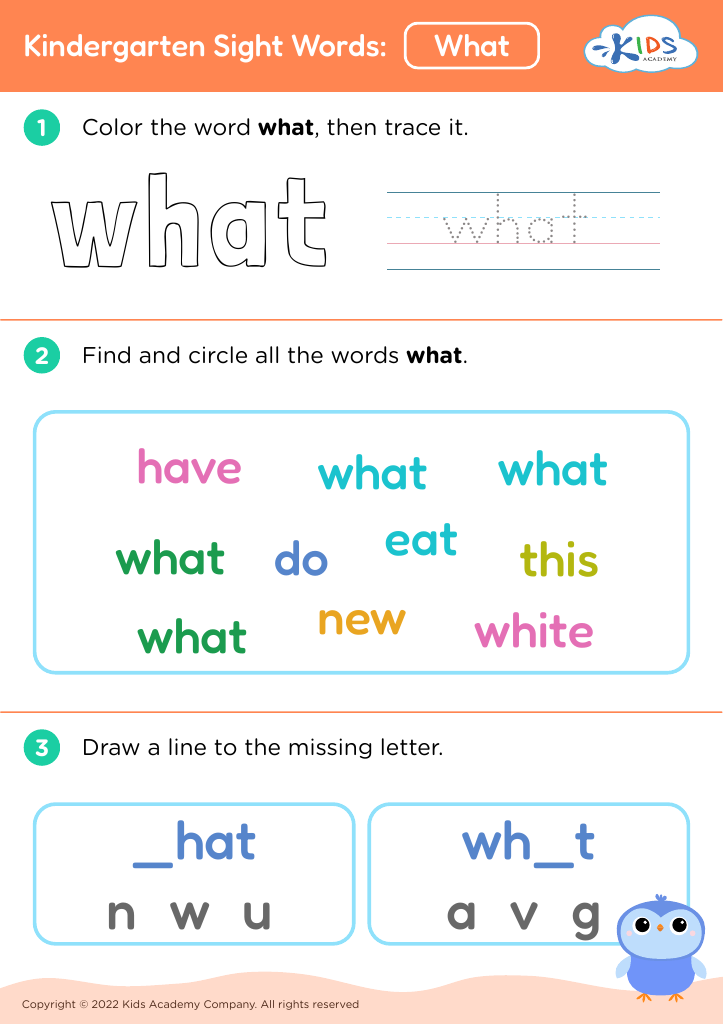
Unlock your child's potential with our "Understanding Patterns Building Vocabulary Worksheets" designed specifically for 5-year-olds! These interactive worksheets provide a fun and engaging way for young learners to explore the relationship between patterns and language. By identifying and completing patterns, children enhance their vocabulary, improve critical thinking skills, and boost cognitive development. Our curriculum aligns with early literacy goals, making it easy for parents and educators to support learning at home or in the classroom. Foster a love for language and develop essential skills in your child through our colorful, captivating worksheets today! Explore endless educational possibilities!
Favorites
With answer key
Interactive











Join Kids Academy for Free
Who is primarily going to use this learning content?



.jpg)




Understanding patterns and building vocabulary are crucial components of early childhood education that significantly influence a child's cognitive and language development. For parents and teachers, focusing on these areas fosters a strong foundation for lifelong learning.
Recognizing patterns helps children develop critical thinking and problem-solving skills. It enables them to predict outcomes, identify relationships, and understand sequences. For instance, recognizing patterns in nature, numbers, or shapes prepares them for math concepts and logical reasoning later in school.
Building vocabulary at a young age is equally essential. A rich vocabulary enriches communication skills, enhances reading comprehension, and boosts self-confidence. When children learn new words, they become better able to express their thoughts, needs, and emotions. This skill directly correlates with academic success; children with a strong vocabulary often outperform their peers in literacy and other subjects.
Additionally, when parents and teachers engage in vocabulary-building activities, such as reading together or playing word games, they foster a love of language and learning. As a result, children feel more confident and capable, setting them up for future academic and social success. By prioritizing understanding patterns and vocabulary, parents and educators play a vital role in shaping well-rounded, capable learners.








