Critical Thinking Reading Worksheets for 5-Year-Olds - Page 2
28 filtered results
-
From - To
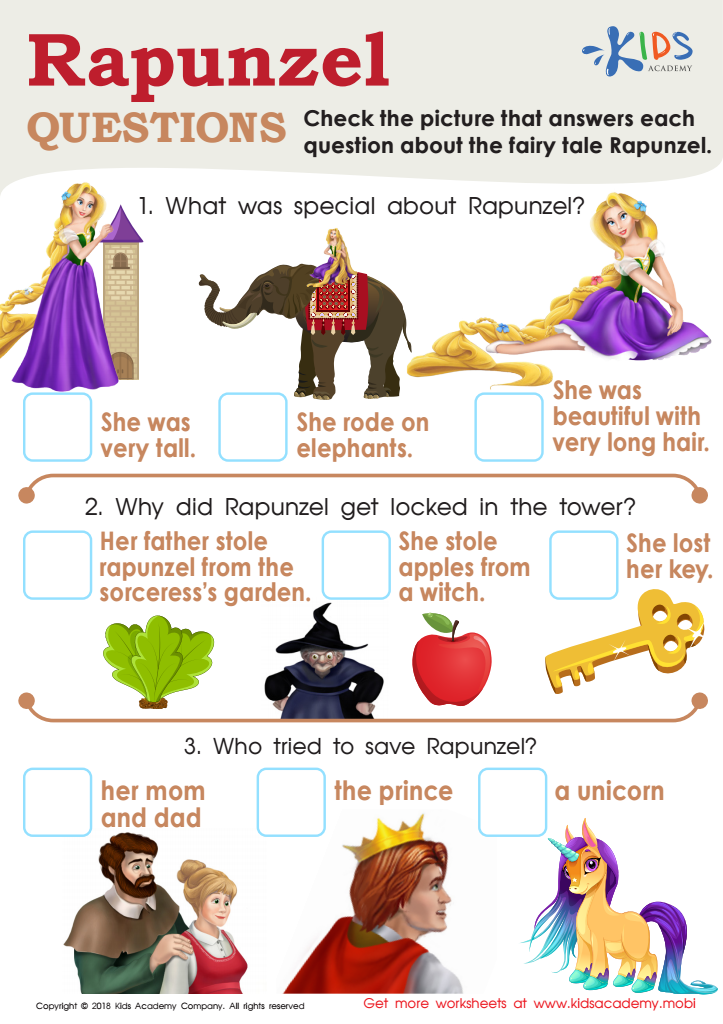
Rapunzel Questions Worksheet
 Assign to My Students
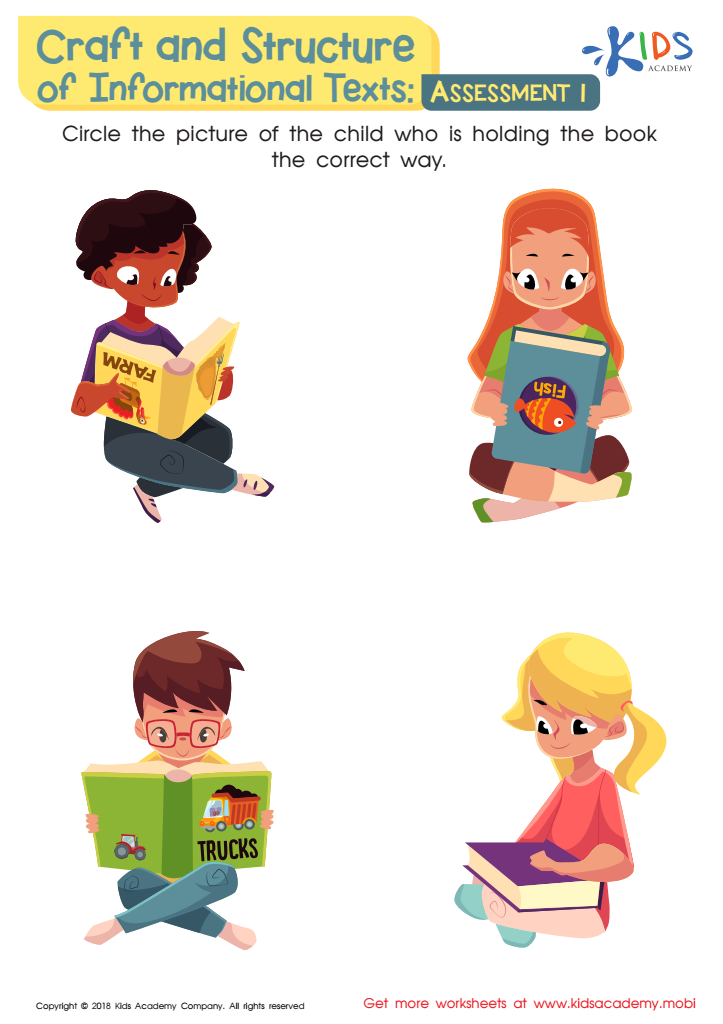
Craft and Structure of Informational Texts: Assessment 1 Worksheet
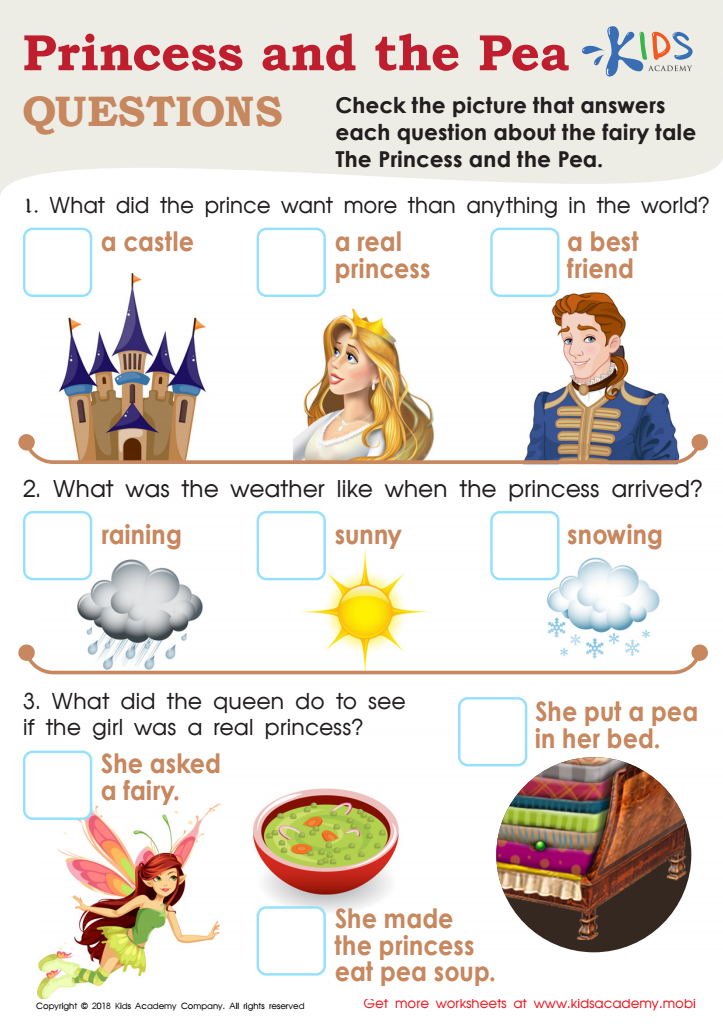
Princess and the Pea Questions Worksheet







Encouraging critical thinking reading for 5-year-olds is essential for their cognitive and emotional development. At this age, children's brains are highly receptive, rapidly absorbing information and forming foundational skills that will benefit them throughout their lives. Introducing critical thinking through reading enhances their ability to understand and process information, making them more curious and competent learners.
When children engage with stories, they're not just learning to decode words; they're learning to think about what those words mean. Critical thinking involves asking questions, making predictions, and considering different perspectives. By guiding young children to think critically about stories, characters, and scenarios, parents and teachers help them develop deeper comprehension skills. This practice fosters imagination, problem-solving abilities, and an appreciation for diverse viewpoints.
Moreover, these skills translate into everyday life where critical thinking aids in decision-making and understanding cause and effect. For example, a child who can think critically can better navigate social interactions and tackle new challenges with greater confidence and creativity.
Engaging in discussions about books cultivates communication skills and strengthens vocabulary, setting a strong foundation for academic success. Therefore, by nurturing critical thinking in young readers, parents and teachers set the stage for lifelong learning and reasoned decision-making, fundamental competencies in both personal and academic arenas.








