Fraction simplification Reading Worksheets for 5-Year-Olds
5 filtered results
-
From - To
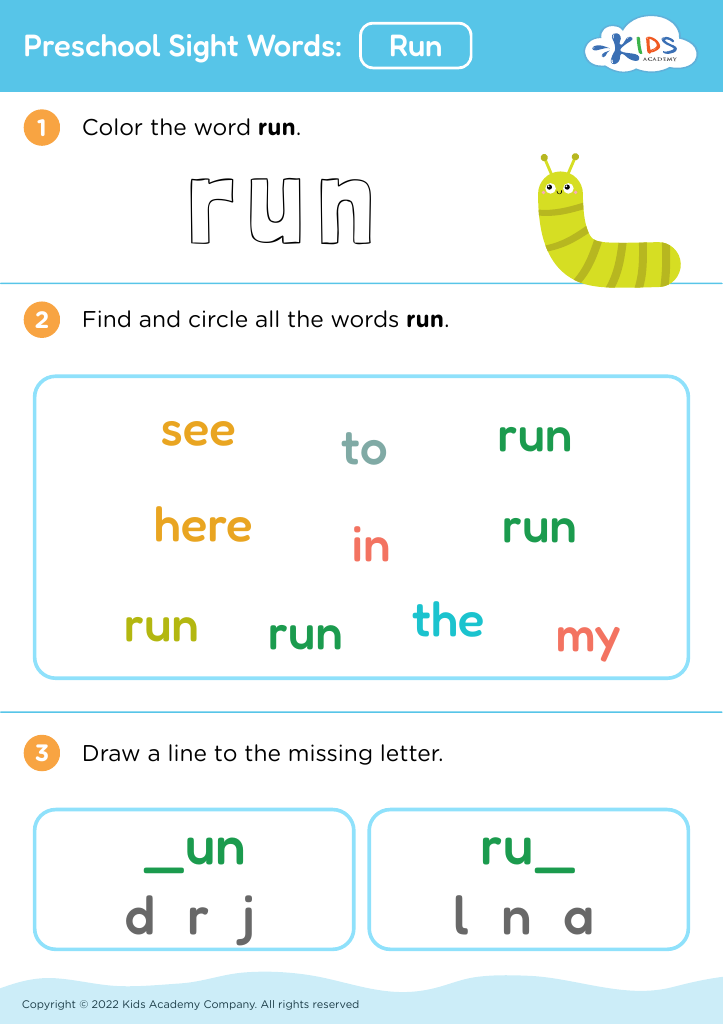
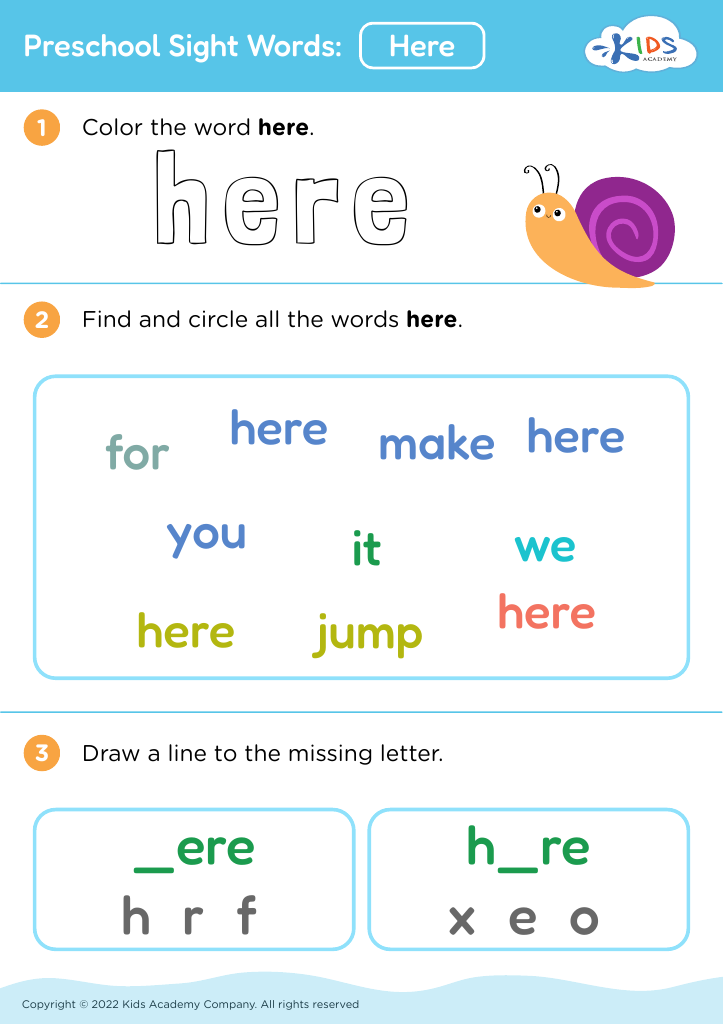
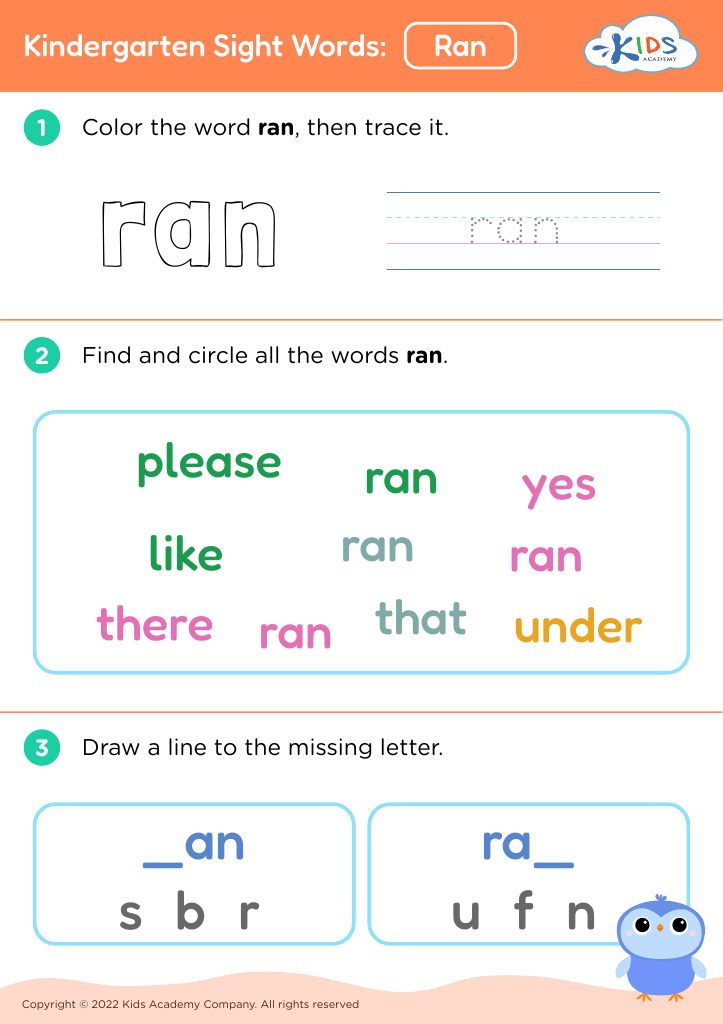
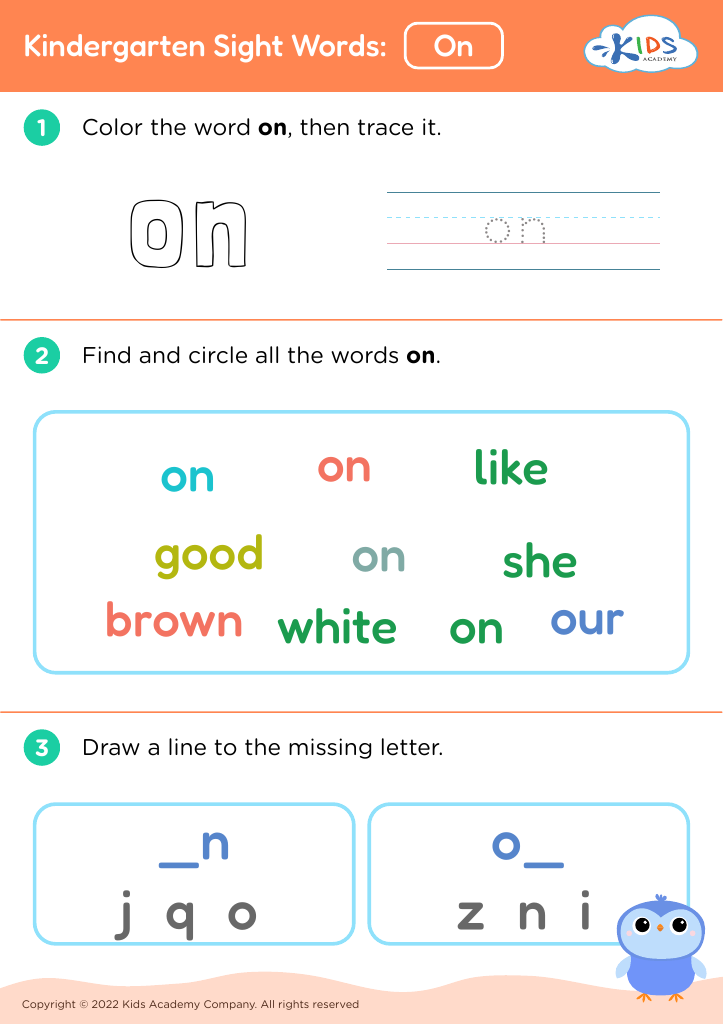
Our "Fraction Simplification Reading Worksheets for 5-Year-Olds" are crafted to introduce young learners to the concept of fractions in a fun and engaging way. Designed to build foundational math and reading skills, these worksheets utilize simple illustrations and hands-on activities to help children understand how to simplify fractions. Each worksheet includes step-by-step instructions, colorful visuals, and relatable examples that make learning intuitive and enjoyable. Perfect for classroom or at-home use, these printables foster confidence and curiosity in young mathematicians. Kickstart your child's fraction journey with our expertly designed, age-appropriate resources!







.jpg)
Teaching 5-year-olds about fractions and how to simplify them may seem ambitious, but it plays a crucial role in their cognitive and mathematical development. Introducing fractions at an early age fosters a foundational understanding of parts and wholes, which is a key mathematical concept. Children start to recognize that numbers can be divided into smaller parts, enhancing their ability to see relationships and patterns—a critical skill in problem solving both in math and real-life situations.
Moreover, early exposure to fractions helps build confidence in math. It counters the fear of math that can develop when children are suddenly introduced to complex topics later in their academic journey. Simplifying fractions specifically teaches children how to break down complicated problems into smaller, manageable pieces, which is a valuable life skill.
In addition, grasping fractions impacts everyday activities. For example, understanding the concept of dividing things equally comes in handy during playtime or sharing treats. It also relates to early concepts of time and measurement. This early grasp can ease future school transitions, where fractions form the groundwork for more advanced mathematical topics such as ratios, percentages, and even algebra.
Parents and teachers who nurture an early understanding of fractions ensure children maintain an enthusiasm for learning, set a positive groundwork for future math success, and equip them with essential life skills.








