Identifying shapes Reading Worksheets for 5-Year-Olds
5 filtered results
-
From - To
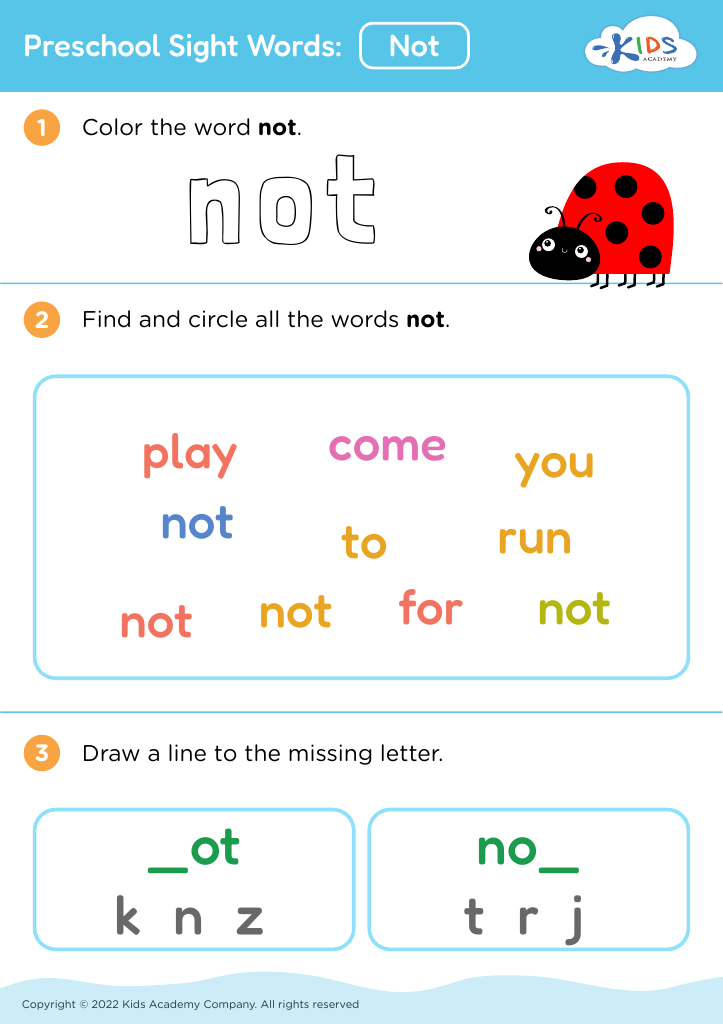
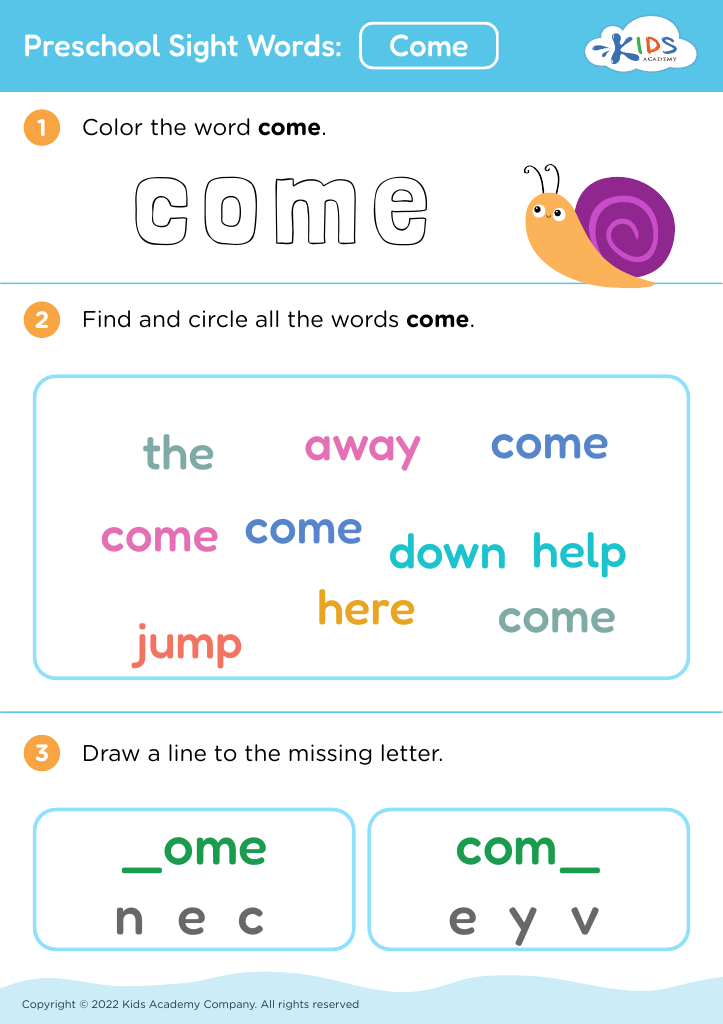
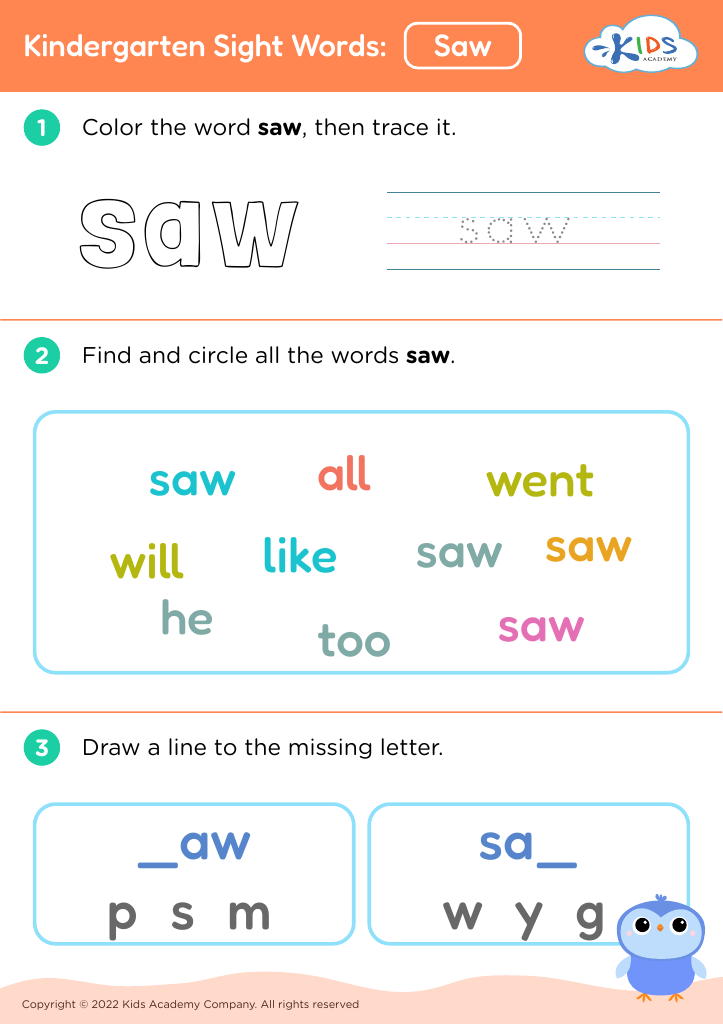
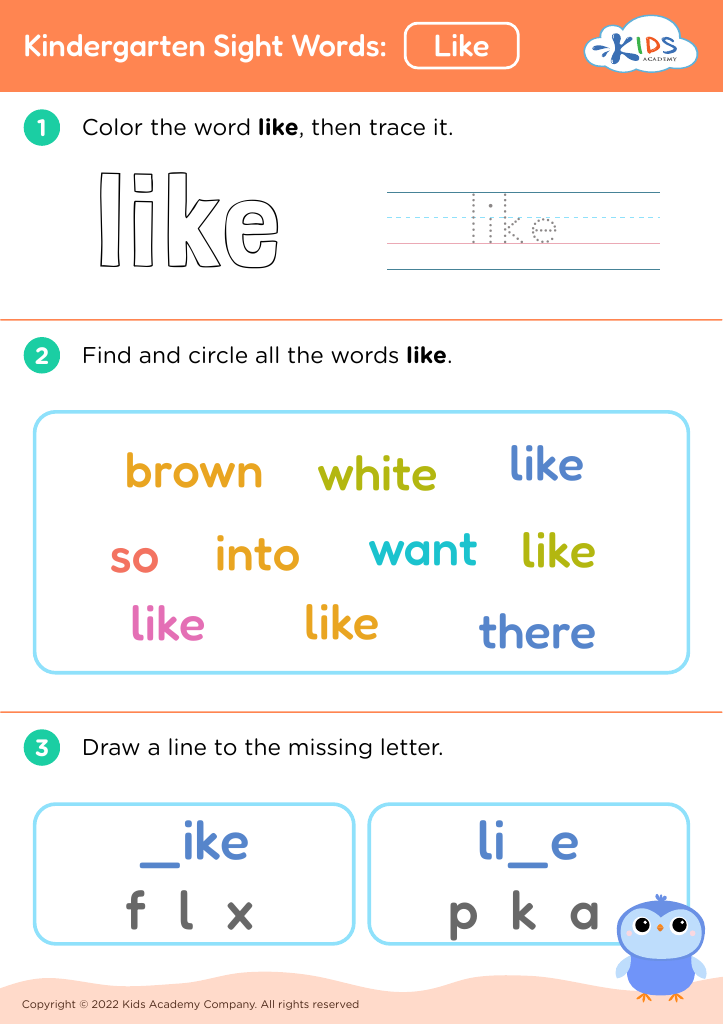
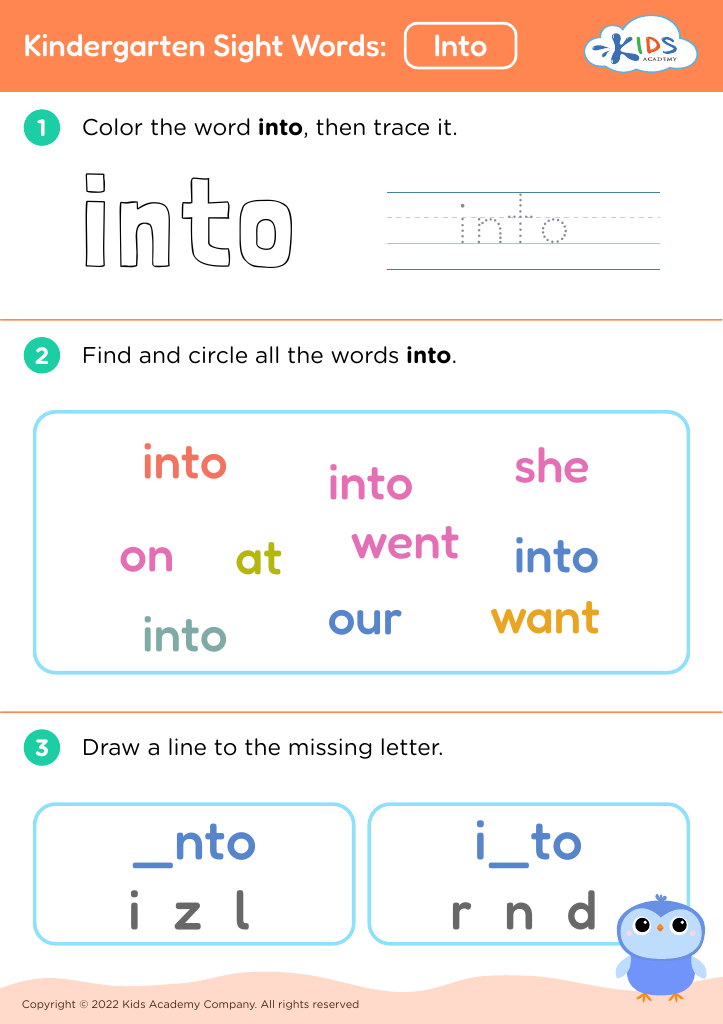
Welcome to our "Identifying Shapes Reading Worksheets" designed specifically for 5-year-olds! These engaging worksheets combine reading and shape recognition to foster early literacy and geometry skills. Children will explore various shapes like circles, squares, and triangles while enhancing their vocabulary through fun activities. Each worksheet is crafted to ensure age-appropriate challenges that captivate young learners. Simple instructions and colorful illustrations make learning enjoyable, encouraging kids to practice reading while identifying shapes in their environment. Perfect for at-home learning or classroom use, our worksheets lay the foundation for critical thinking and problem-solving skills. Start building your child's confidence today!







.jpg)
Identifying shapes is a fundamental skill for five-year-olds that plays a crucial role in their overall development and learning. Firstly, recognizing shapes helps children improve their visual-spatial skills, making it easier for them to understand how objects relate to one another in their environment. This skill is essential not just in math but also in areas like art and daily activities, fostering creativity and problem-solving abilities.
Moreover, identifying shapes lays the groundwork for mathematical concepts such as sorting, classifying, and eventually understanding geometry. As children engage with shapes, they develop critical thinking skills that are vital for academic success. By incorporating shape identification in reading activities, parents and teachers can enhance literacy skills, as many children’s books incorporate shapes in their narratives and illustrations.
Additionally, learning about shapes encourages language development. Children learn to articulate their observations and descriptions, enriching their vocabulary and communication skills. Engaging with shapes in a fun and interactive way promotes a love for learning, building confidence. Overall, investing time in teaching shape identification enables children to acquire essential foundational skills that pave the way for future educational achievements and everyday problem-solving.








