Sequencing Skills Reading Worksheets for 5-Year-Olds
5 filtered results
-
From - To
Enhance your child’s reading journey with our engaging Sequencing Skills Reading Worksheets designed specifically for 5-year-olds! These printable worksheets focus on improving comprehension and critical thinking by helping young learners arrange events in logical order. By practicing sequencing, children not only boost their reading skills but also develop creativity and narrative understanding. Our worksheets feature colorful illustrations and age-appropriate themes, ensuring a fun and effective learning experience. Perfect for classroom activities or at-home practice, our resources promote early literacy and make learning enjoyable. Equip your child with essential skills today and watch them flourish as confident readers!
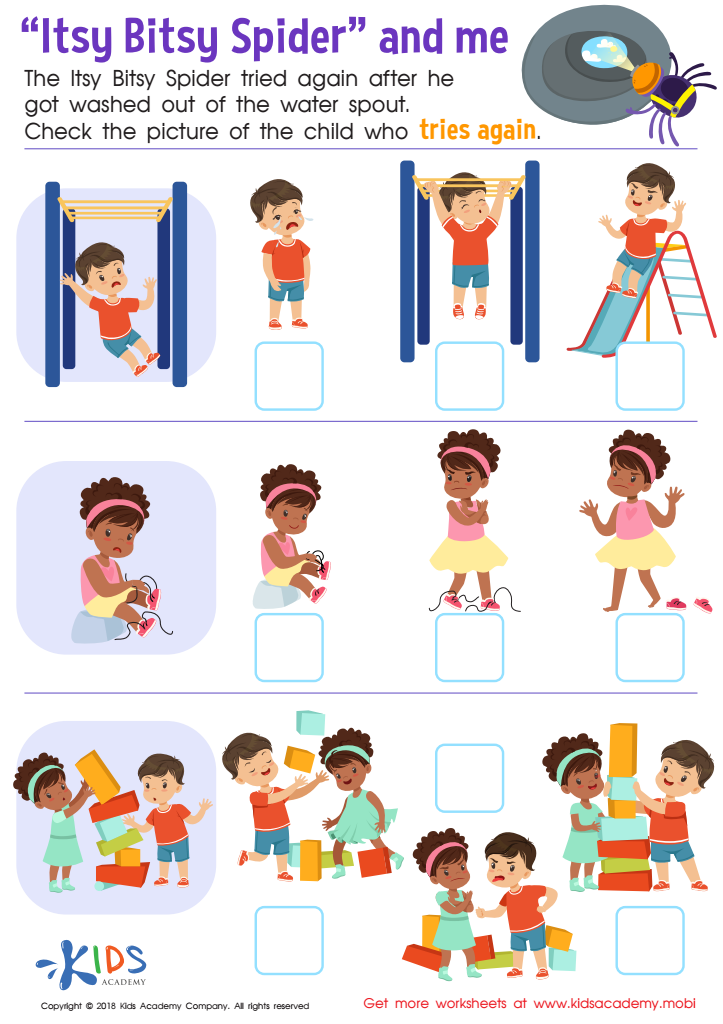
Itsy Bitsy Spider and Me Worksheet
 Assign to My Students
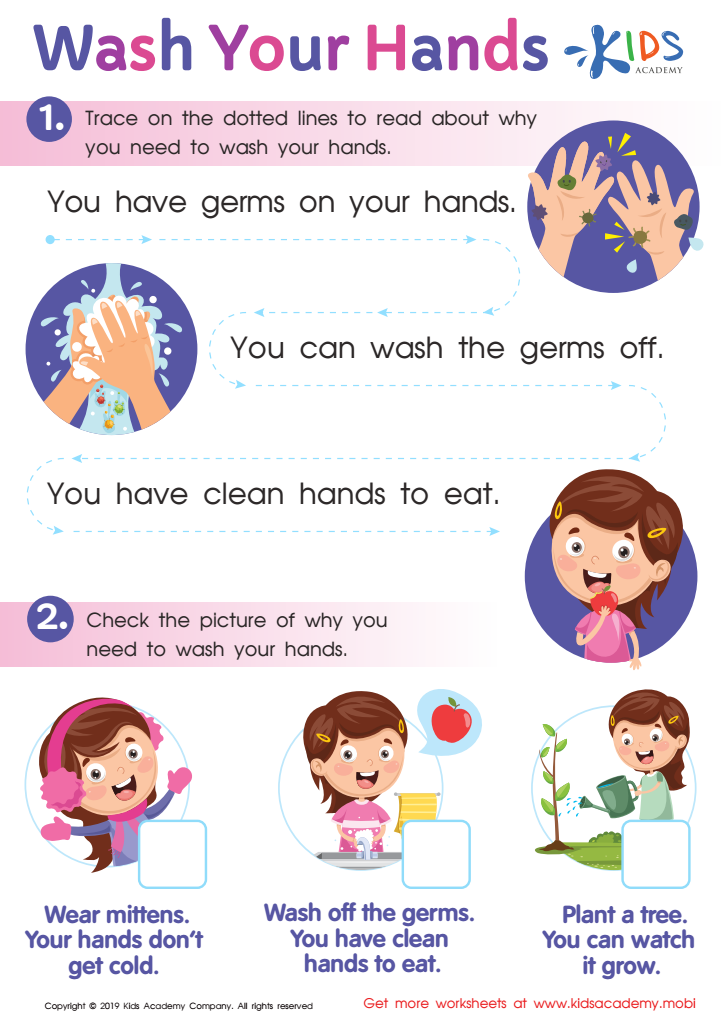
Wash Your Hands Worksheet
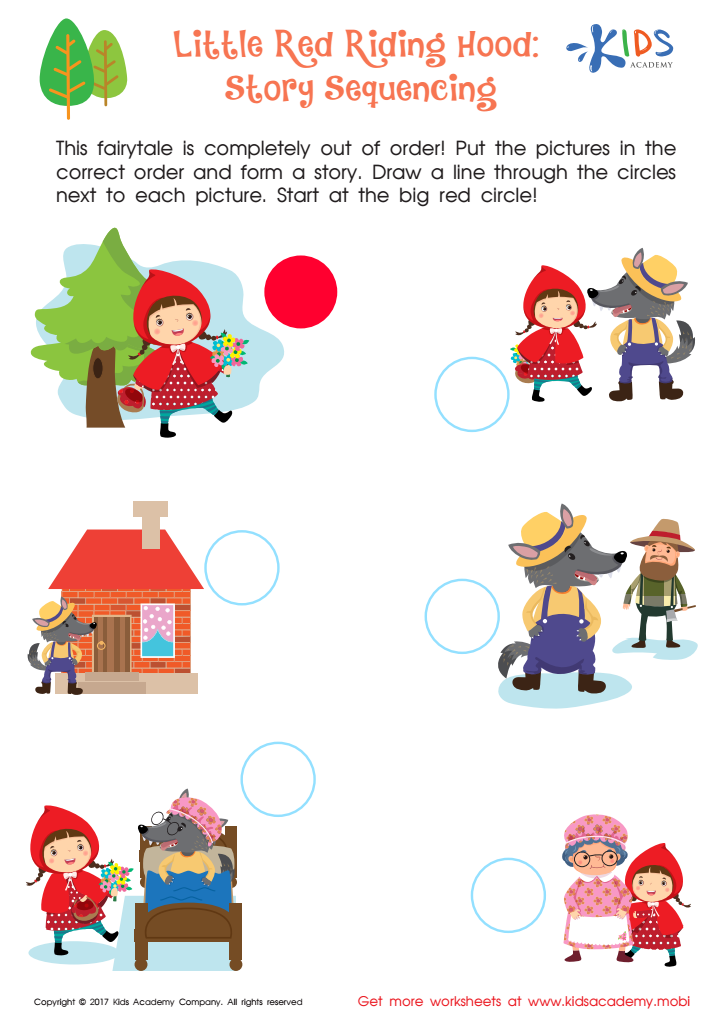
Story Sequencing Printable
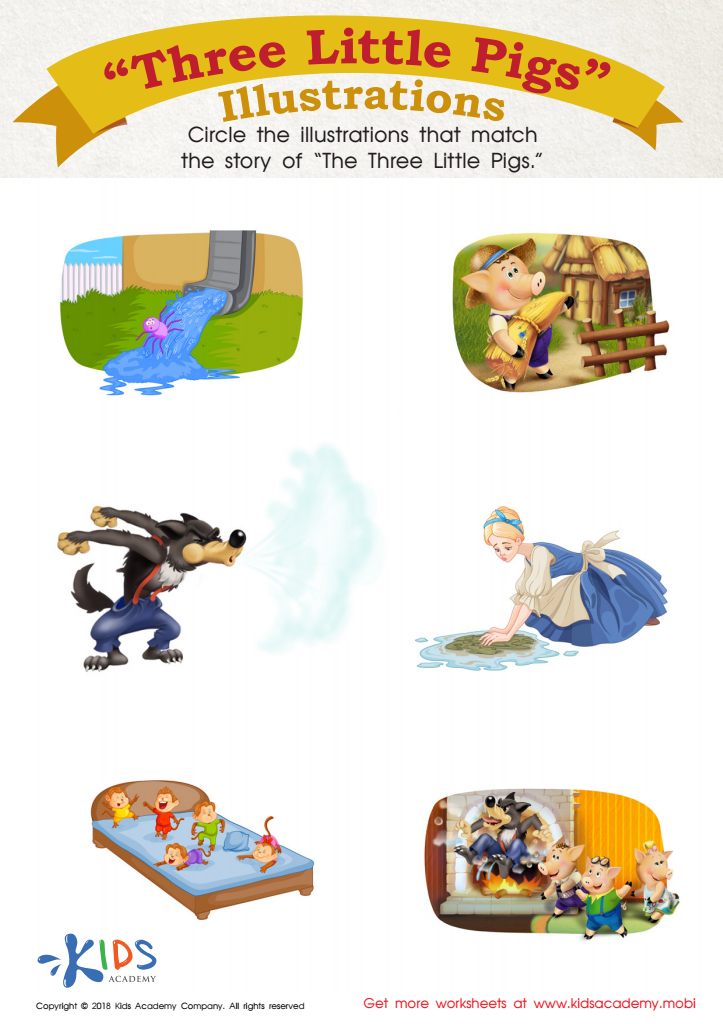
Three Little Pigs: Illustrations Worksheet
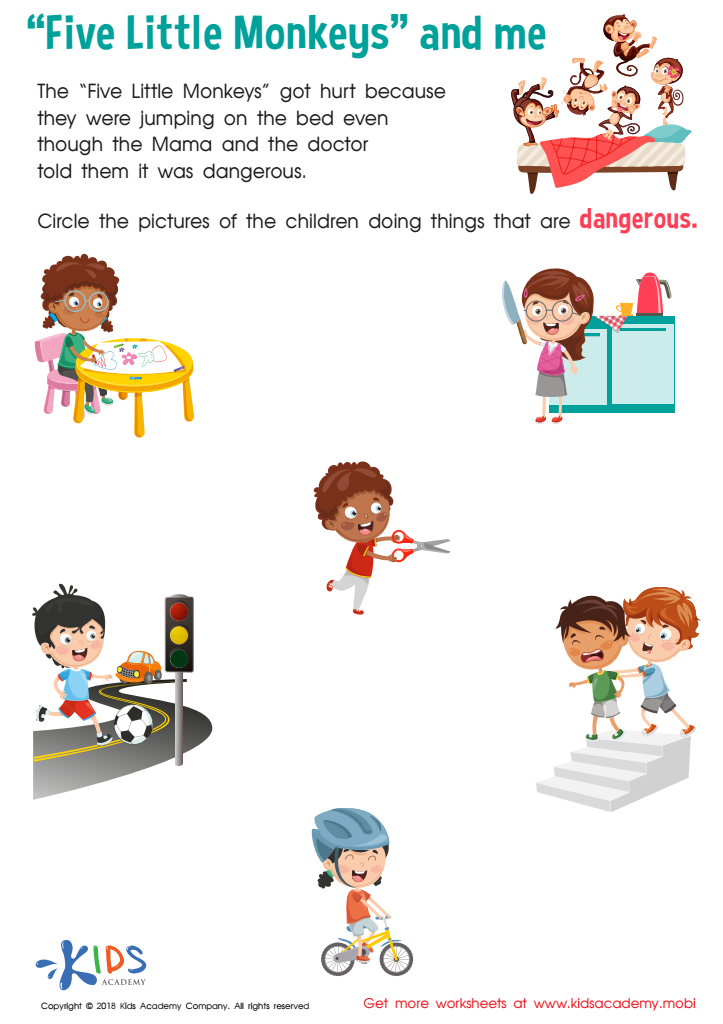
Five Little Monkeys and Me Worksheet





.jpg)

Sequencing skills are essential for 5-year-olds, forming a foundation for reading comprehension and critical thinking. At this age, children are developing essential cognitive skills, and their ability to understand the order of events enhances their narrative comprehension. When parents and teachers focus on sequencing skills, they help children better grasp stories, which encompasses identifying the beginning, middle, and end of a tale. This skill not only supports literacy development but also improves their oral language abilities, allowing them to retell stories with clarity.
Furthermore, strong sequencing skills are integral to problem-solving and decision-making. By recognizing patterns and understanding sequences, children can draw connections between different concepts and scenarios in their reading and daily lives. This ability is particularly important as they encounter increasingly complex texts in the future.
Additionally, sequencing activities can be made engaging and interactive, transforming dry learning into exciting experiences. From simple picture books to interactive storytelling, such skills foster a lifelong love for reading.
In essence, investing time in developing sequencing skills from an early age equips children with the tools they need for academic success and enhances their overall brain development, paving the way for effective communication and reasoning skills as they grow older.








