Story analysis Reading Comprehension Worksheets for 5-Year-Olds
4 filtered results
-
From - To
Unlock your child's potential with our engaging Story Analysis Reading Comprehension Worksheets designed specifically for 5-year-olds. These worksheets foster critical thinking, helping young learners analyze characters, settings, and plots in a fun, interactive manner. By exploring simple stories, children develop essential reading skills while enhancing their abilities to recall information and make connections. Each worksheet guides parents and educators with easy-to-follow prompts, promoting discussion and deeper understanding. Perfect for at-home learning or classroom use, our resources enrich literacy experiences and ensure that preschoolers gain the confidence they need to embark on their reading journey. Start helping your child grow today!
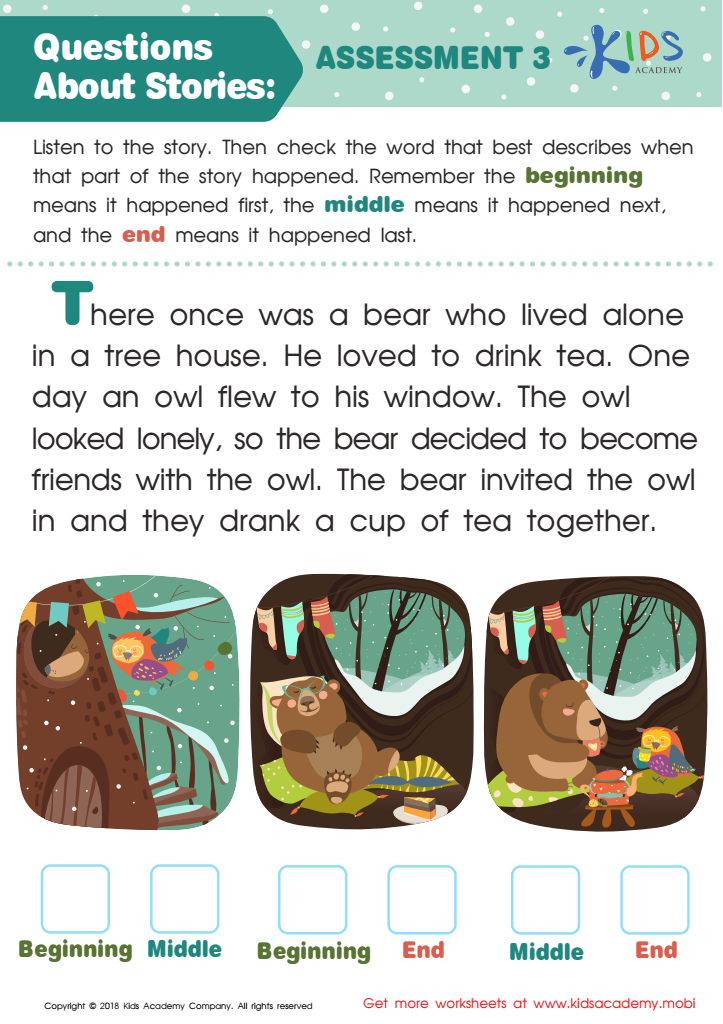
Questions About Stories: Assessment 3 Worksheet
 Assign to My Students
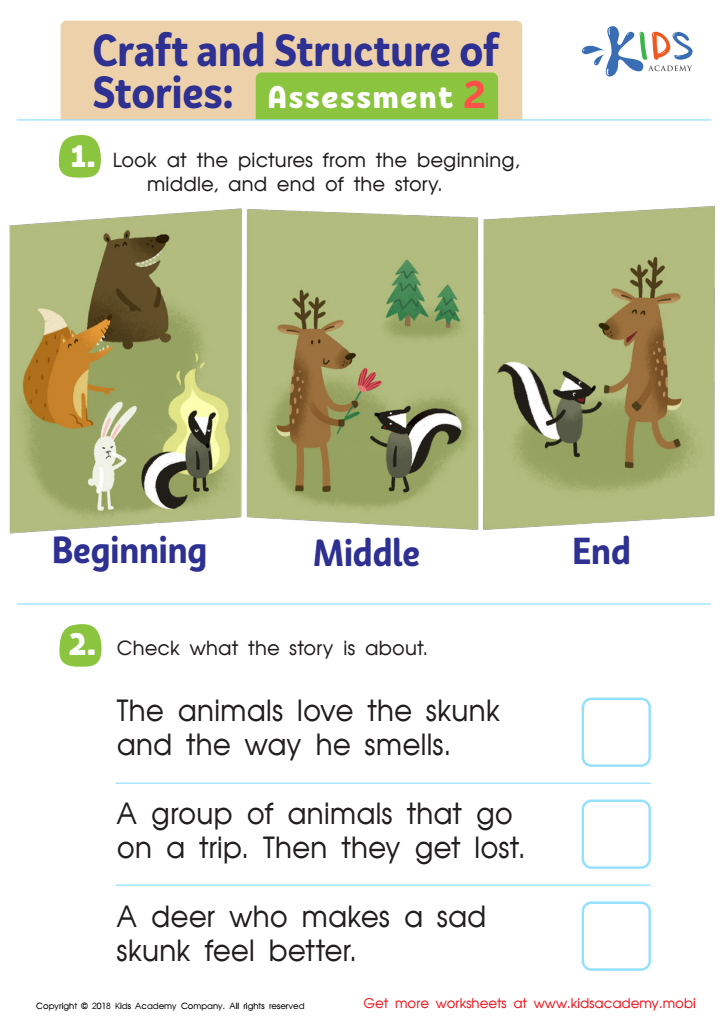
Craft and Structure of Stories: Assessment 2 Worksheet
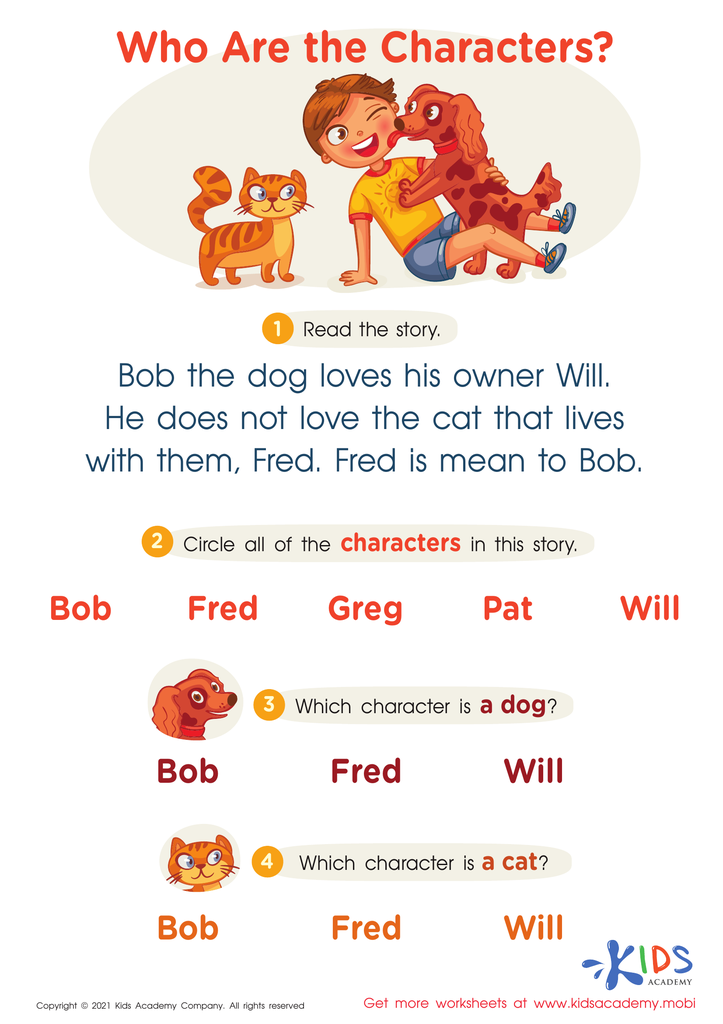
Who Are the Characters? Worksheet
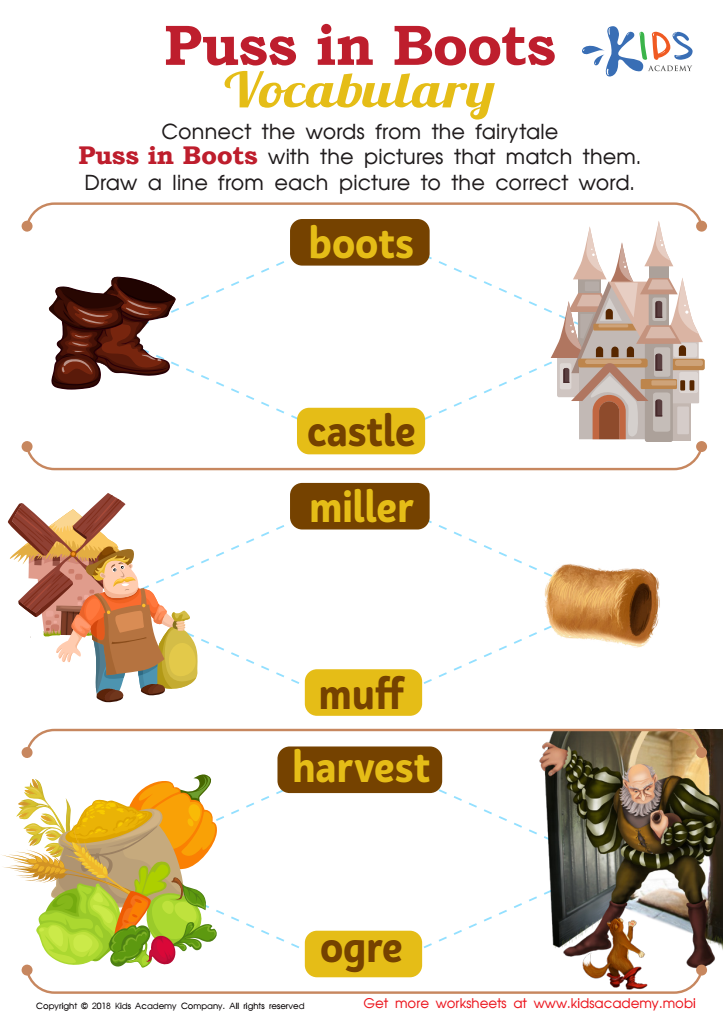
Puss in Boots Vocabulary Worksheet








Story analysis and reading comprehension are essential components of early childhood education, especially for 5-year-olds. At this age, children are developing their language and cognitive skills, and engaging with stories helps to nurture these abilities. By analyzing narratives, children learn to identify main ideas, understand character motivations, and recognize plot structures. This enhances their ability to make connections between stories and their own lives, fostering empathy and critical thinking.
Moreover, reading comprehension skills laid down in the early years pave the way for future academic success. Teachers and parents who prioritize story analysis can help children develop strong foundational literacy skills, paving the way for a lifelong love of reading. Through guided discussions about stories—asking questions, predicting outcomes, and exploring themes—children enhance their conversational abilities and vocabulary.
Finally, story analysis cultivates a child’s imagination and creativity, encouraging them to think beyond the text. For parents and teachers, this holistic approach to learning not only boosts literacy but also contributes to a child's emotional and social development, making it a vital focus in early education. Supporting story analysis ensures that children become confident, capable readers and thinkers as they grow.








