Logical Reasoning Social Studies Worksheets for 5-Year-Olds
6 filtered results
-
From - To
Introduce your 5-year-old to the world of logical reasoning with our engaging social studies worksheets. Designed to develop critical thinking and problem-solving skills, these worksheets offer fun, age-appropriate challenges that will captivate your child's interest. Each activity is crafted to enhance logical connections and understanding of social concepts through puzzles, matching games, and sequence tasks. Perfect for early learners, our worksheets encourage observational skills and cognitive growth in a playful, educational manner. Help your child build a strong foundation in logical reasoning while exploring the enriching world of social studies. Discover these invaluable resources now!
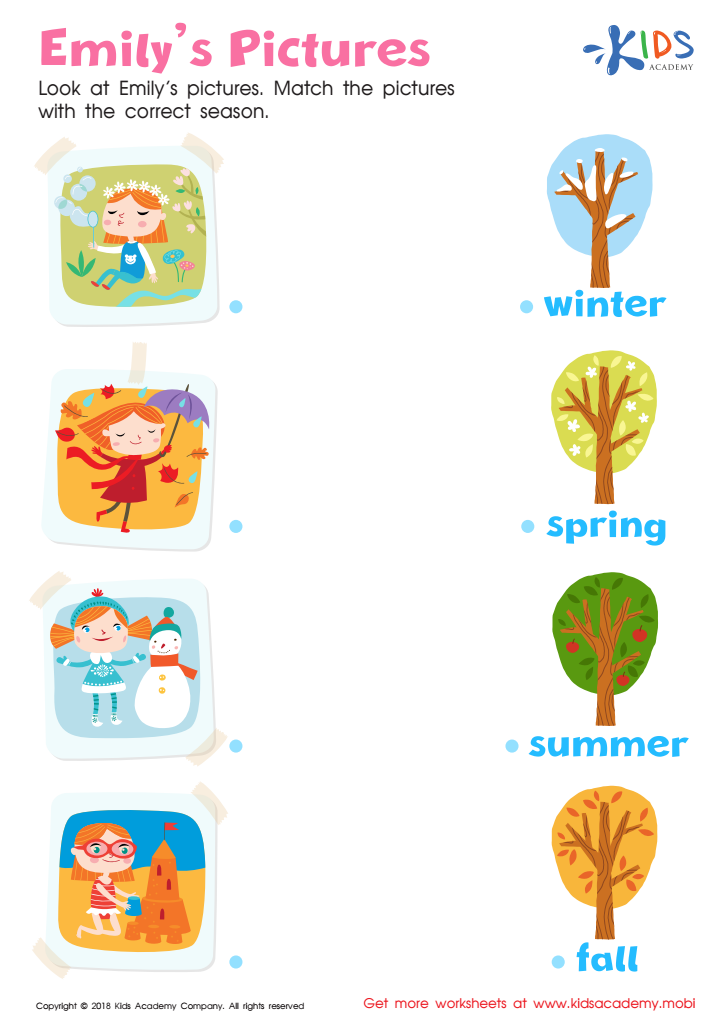
Emily's Pictures Worksheet
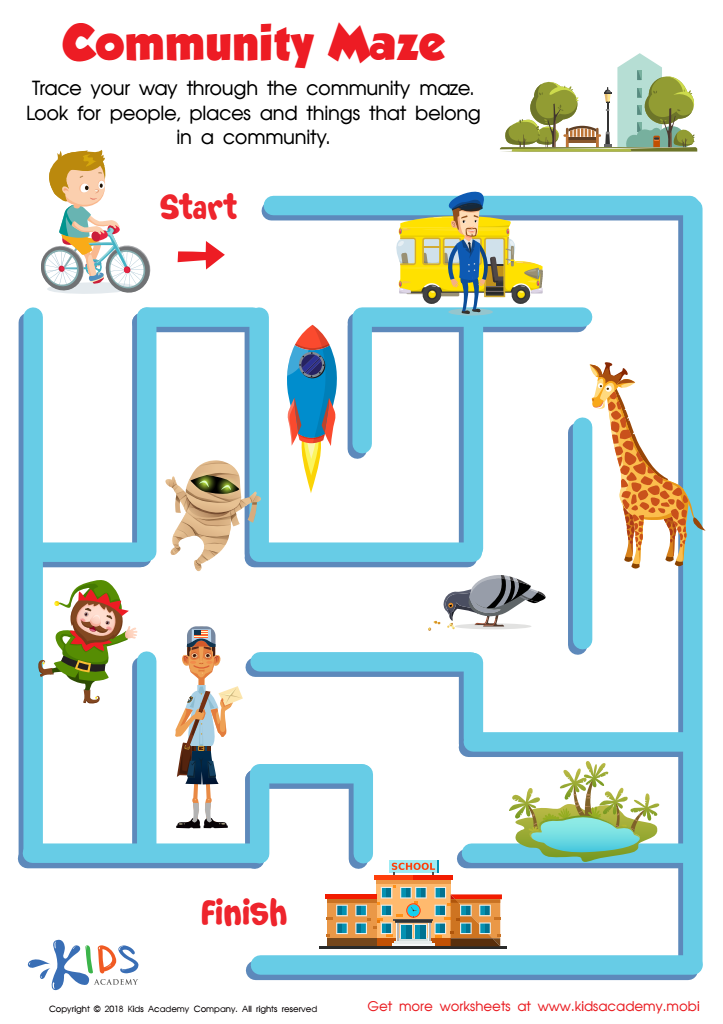
Community Maze Worksheet
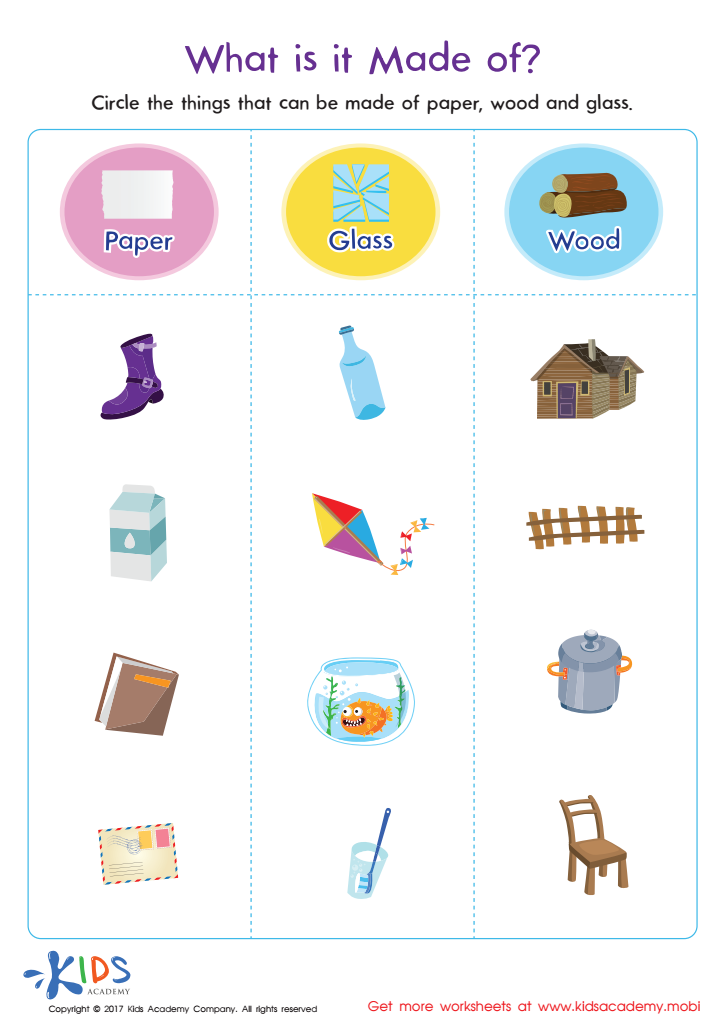
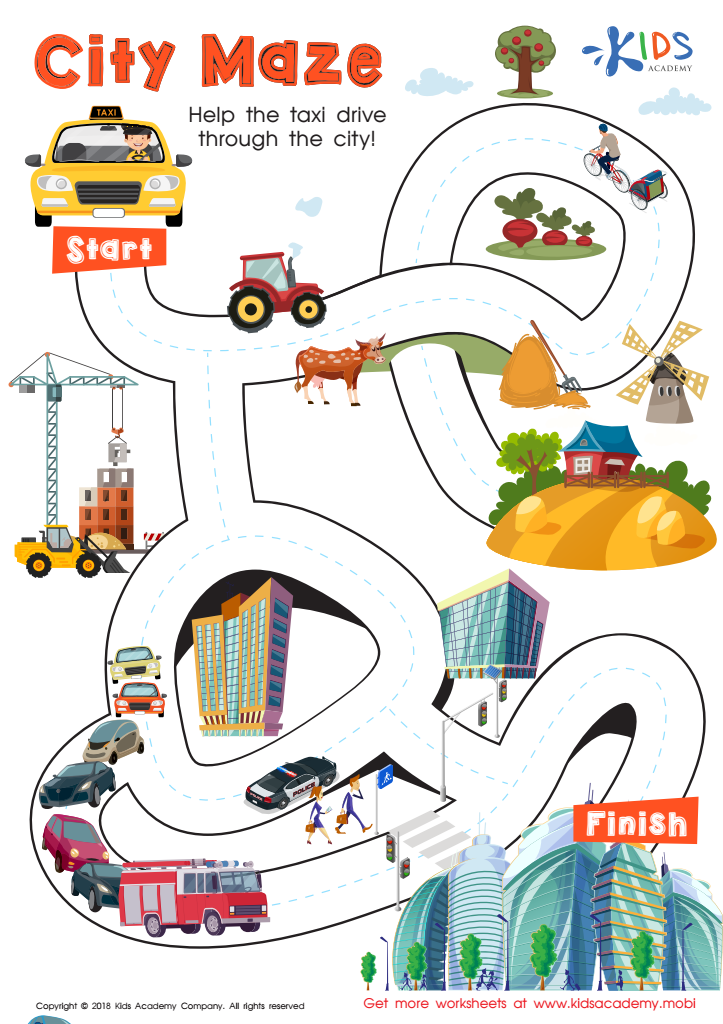
City Maze Worksheet
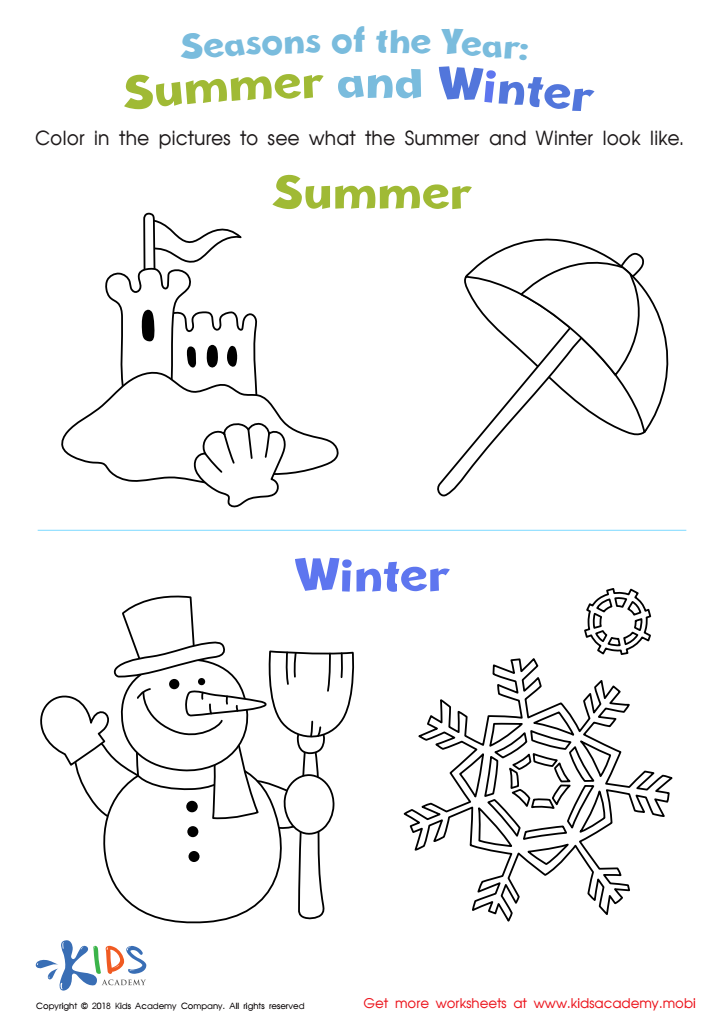
Summer and Winter Worksheet
 Assign to My Students
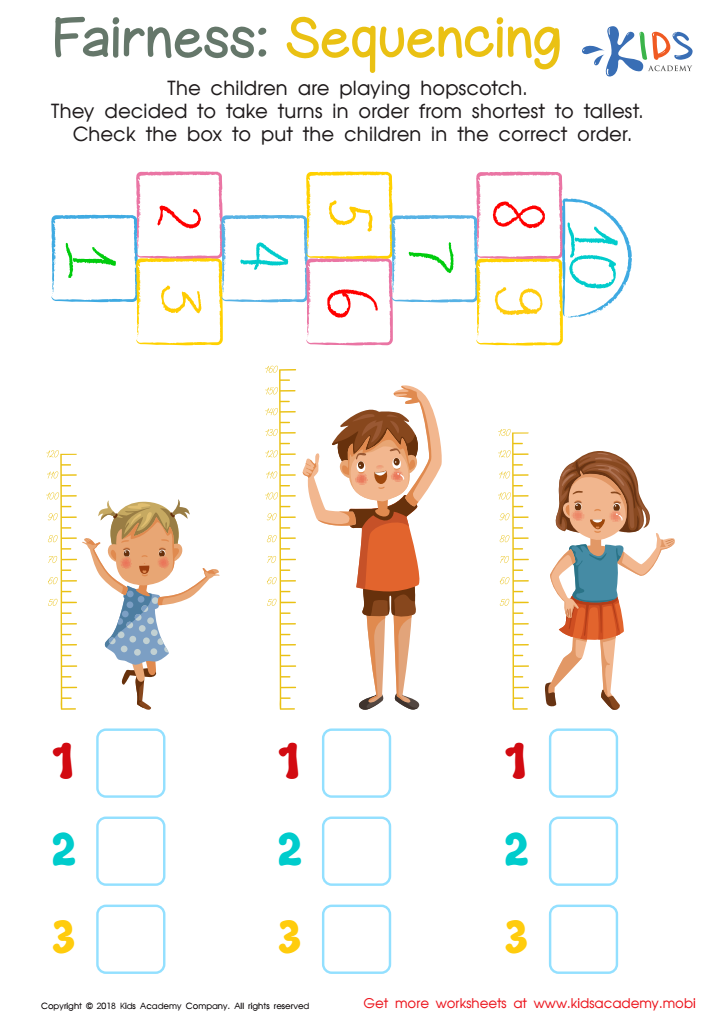
Fairness: Sequencing Worksheet








At the age of five, children are at a critical developmental stage where they form foundational cognitive and social skills. Logical reasoning in the context of social studies plays a vital role in shaping these early stages of intellectual and social growth.
First, teaching logical reasoning helps young children develop critical thinking skills. Through simple problem-solving tasks and recognizing patterns in social behavior, children learn to make sense of their world. They begin to understand cause-and-effect relationships, which is crucial for making informed decisions.
Second, incorporating social studies helps children grow socially and emotionally. By understanding societal norms, role models, and cultural histories, youngsters gain perspective on their own place in the world. They learn empathy and appreciate diversity, which are fundamental traits for communal living and collaboration.
Finally, these skills lay the groundwork for future academic success. Cognitive skills developed through logical reasoning translate to improved performance in subjects like math and science, while exposure to social studies enhances literacy and comprehension skills. In sum, by investing attention in logical reasoning and social studies for 5-year-olds, parents and teachers set the stage for a well-rounded, curious, empathetic, and academically capable future generation. Ensuring these foundational elements are part of early education paves the way for lifelong learning and social cohesion.








