Introduce your 6-7 year olds to the joy of learning with our Alphabet Sequencing Worksheets at Kids Academy! Carefully designed for young learners, these printable worksheets help children grasp the fundamentals of alphabetical order through engaging and fun activities. Each page offers an exciting challenge, enhancing kids' ability to recognize and sequence letters correctly. Perfect for both classroom settings and homeschooling, these worksheets support early literacy by promoting critical thinking and fine motor skills. Equip your little ones with a strong foundation in reading and writing, and watch their confidence soar with every new letter they master!

Check out this FREE Trial Lesson on Alphabet for age 6-7!

Tracing Lowercase letters j-r

Favorites
With answer key
Interactive
  • 6-7
  • Alphabet sequencing
  • Alphabet
Find Lowercase Letters g h i Worksheet

Find Lowercase Letters g h i Worksheet

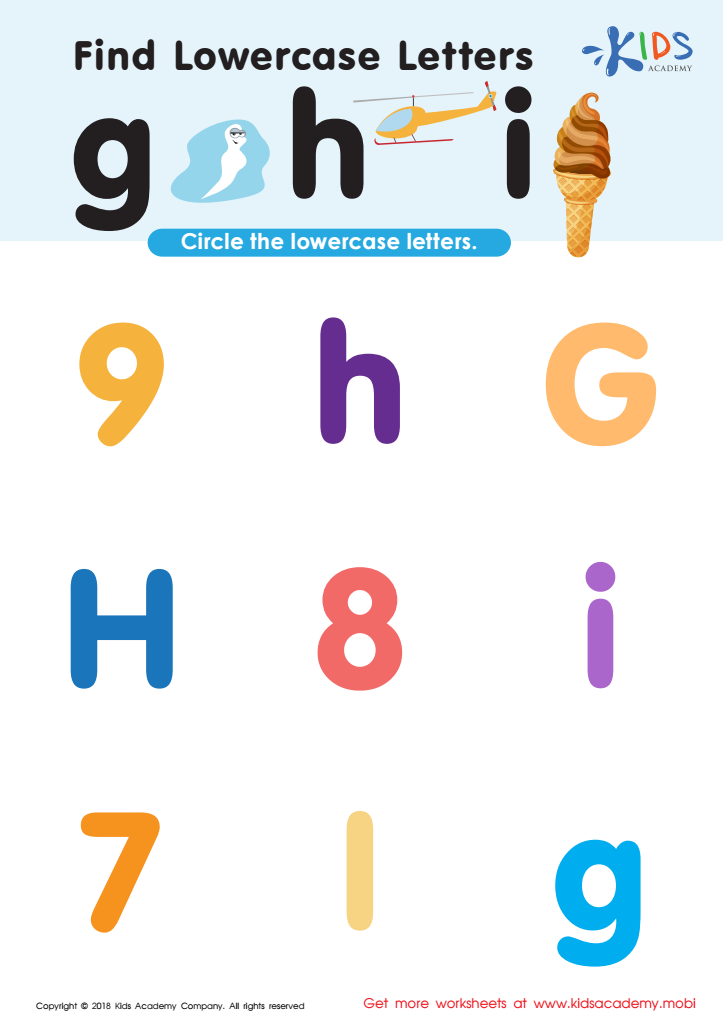
Turn learning into a fun journey with your child! Use this free worksheet to find and circle the lowercase letters hidden amongst uppercase letters and numbers. Your child will understand what you're teaching them as they enjoy the search.
Find Lowercase Letters g h i Worksheet
Worksheet
Lowercase Letters p q r Worksheet

Lowercase Letters p q r Worksheet

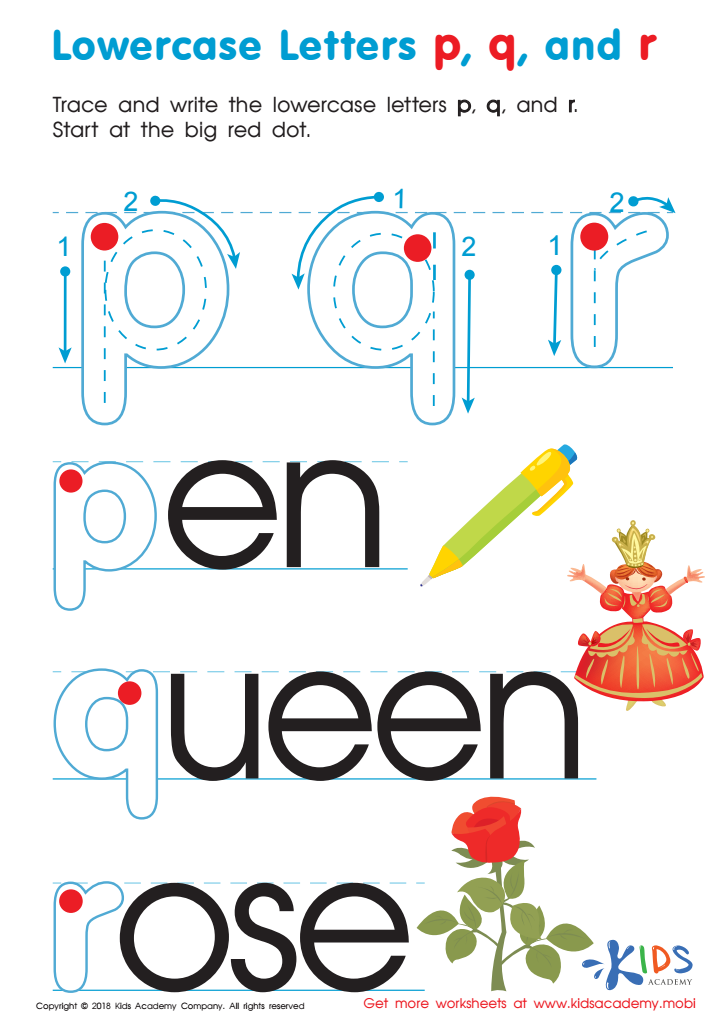
Trace and write lowercase letters p, q and r with this fun worksheet. Each letter has a large red dot to mark the start, and dotted lines to follow with a pencil. Colorful images and text make it an enjoyable way to learn.
Lowercase Letters p q r Worksheet
Worksheet
Uppercase Letters Maze Worksheet Preview

Uppercase Letters Maze Worksheet

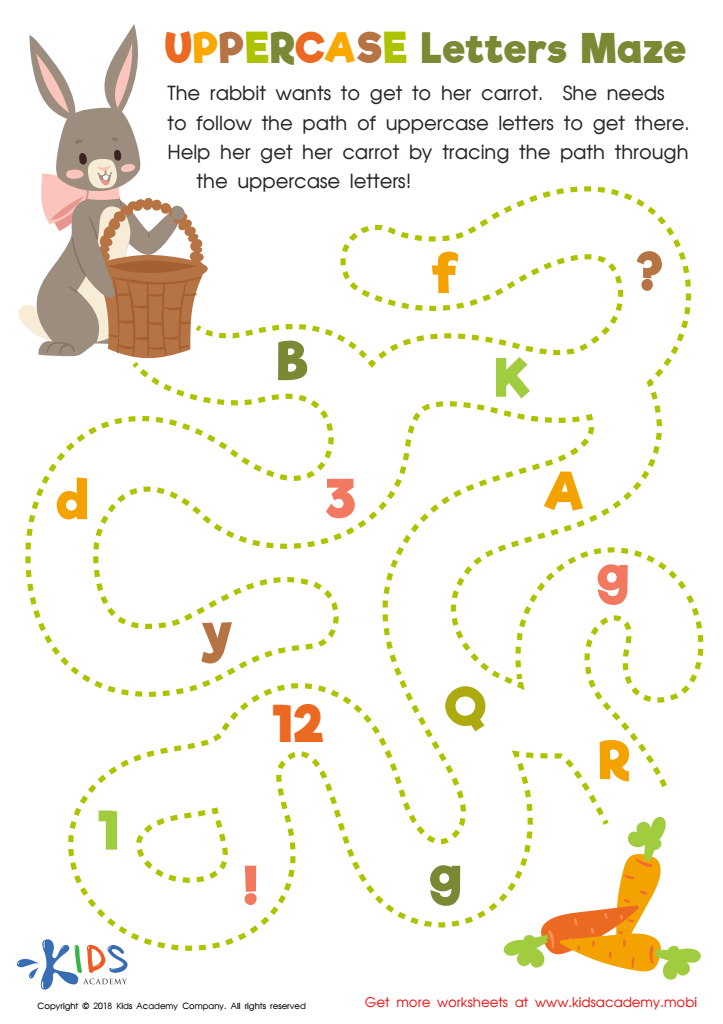
Kids can have fun helping a rabbit find her carrot by picking the path with uppercase letters. This worksheet teaches letter differentiation while building confidence. Kids will have a great time while getting an essential skill!
Uppercase Letters Maze Worksheet
Worksheet
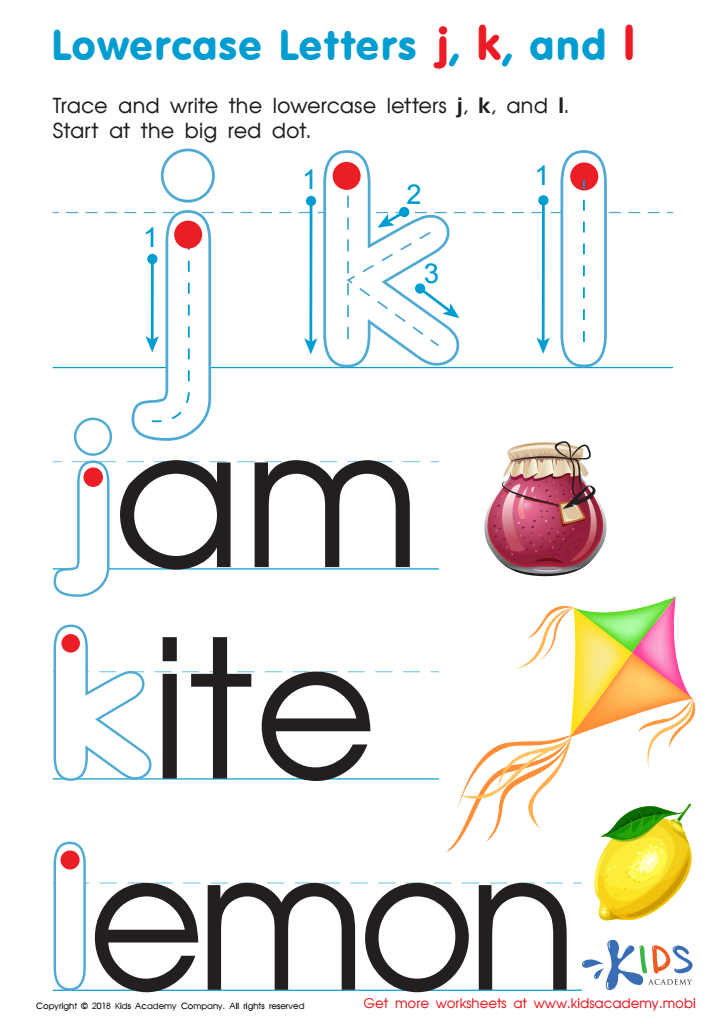
Lowercase Letters j k l Worksheet

Lowercase Letters j k l Worksheet

Teach your child the difference between uppercase and lowercase letters. Have them trace and write the lowercase letters j, k, and l, starting at the red dot. Guide your child's hand to form the letters correctly.
Lowercase Letters j k l Worksheet
Worksheet
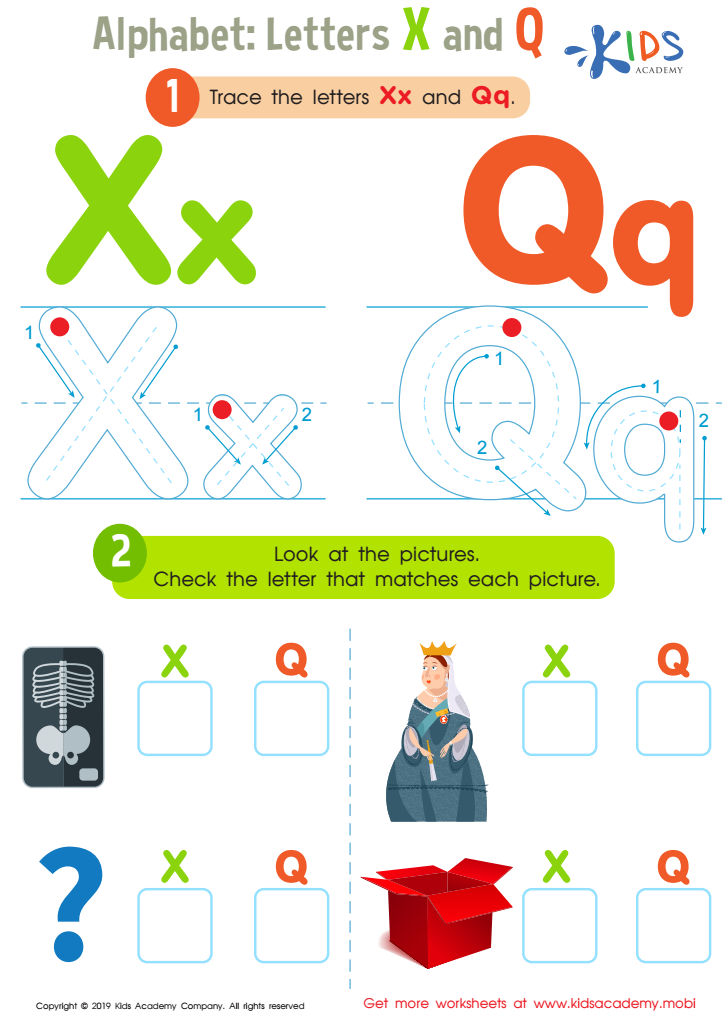
Letters X and Q Tracing Worksheet Preview

Letters X and Q Tracing Worksheet

Do you want your students to improve writing and letter recognition? This worksheet is a great place to start! Kids can trace the letters «X» and «Q» and identify pictures that match each letter. With a little encouragement, they'll do a great job!
Letters X and Q Tracing Worksheet
Worksheet
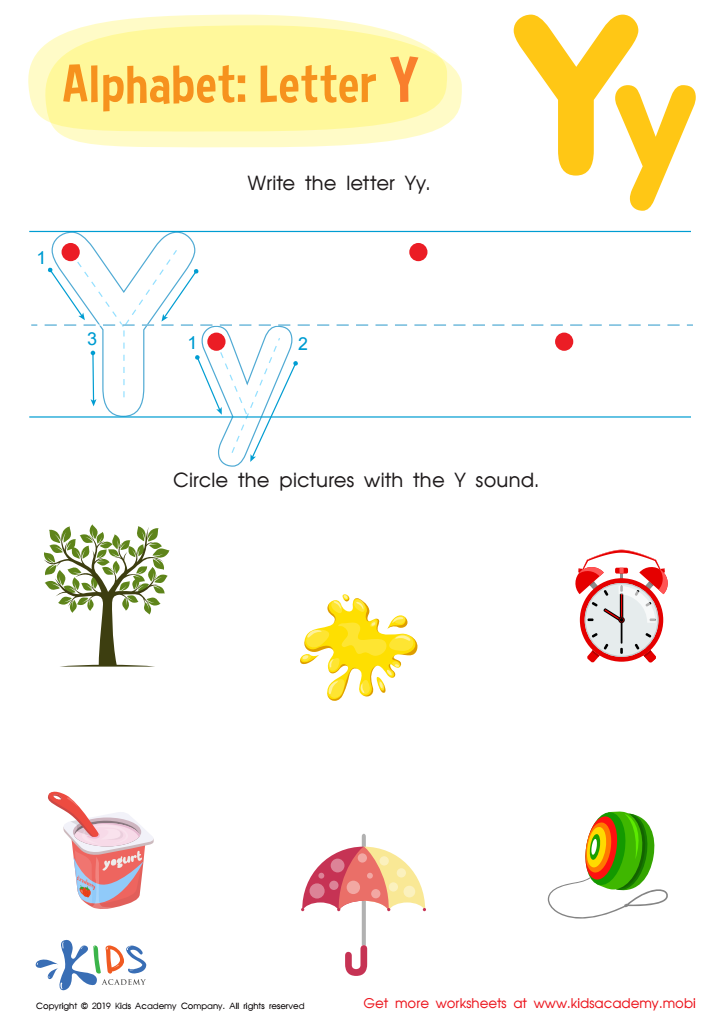
Letter Y Tracing Worksheet Preview

Letter Y Tracing Worksheet

Does your child need help with learning the final letters of the alphabet? This PDF worksheet is perfect then! Kids can practice tracing the letter «Y» and circle pictures that start with the same sound. Options include «yellow» and «yogurt». It's a great way of honing their letter-learning skills.
Letter Y Tracing Worksheet
Worksheet
Missing Letter Worksheet

Missing Letter Worksheet

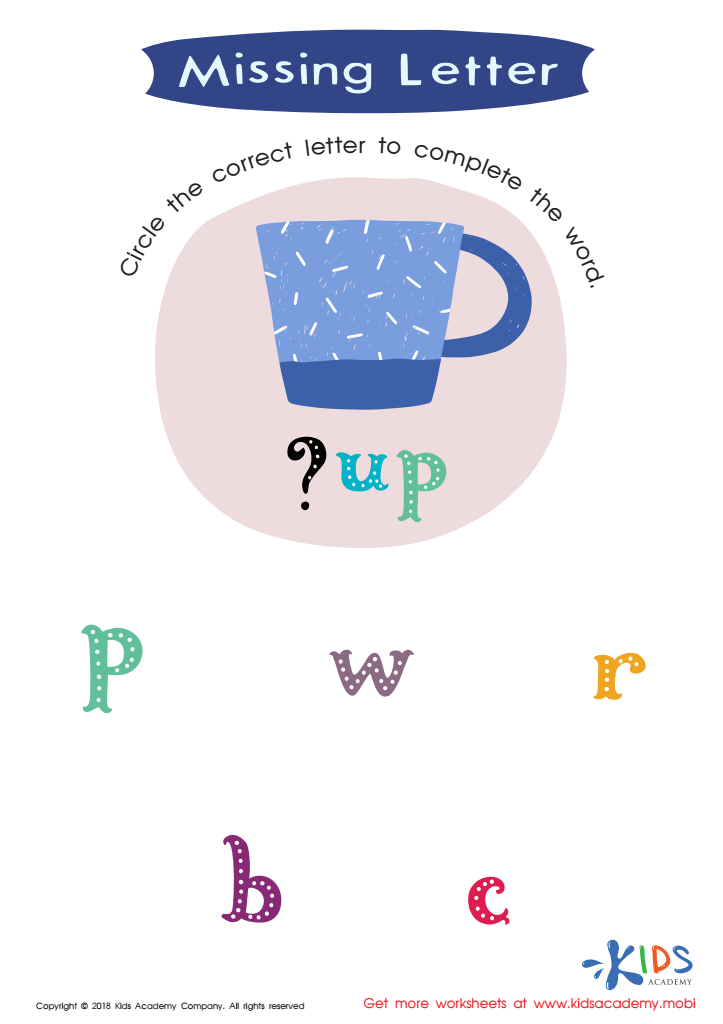
Congrats! If your kids can spell some small words, pat yourself on the back. Struggling with the alphabet? Help them learn with this simple worksheet. They'll have to find the missing letter to complete the word. Print this worksheet and help your little one find and circle the right letter.
Missing Letter Worksheet
Worksheet


Alphabet sequencing is a fundamental skill crucial for young children, particularly those aged 6-7. Mastery of the alphabet is more than just rote memorization; it forms the foundation for literacy, which is essential for future academic success. For parents and teachers, emphasizing alphabet sequencing ensures that children can recognize letters, understand their order, and eventually correlate them to sounds, fostering their reading abilities.

Alphabet sequencing aids in developing a child's organizational skills and memory. When children know the order of letters, they can more easily navigate tasks, such as looking up words in a dictionary or organizing information logically. Additionally, understanding alphabet order enhances phonological awareness, a critical pre-reading skill that helps children synthesize sounds and letters into words.

A solid grasp of alphabet sequencing also boosts children's confidence and independence as learners. They experience a sense of achievement when they can recite or arrange letters correctly, reinforcing a positive attitude toward learning. Furthermore, this foundational skill supports other areas of study, including spelling and writing, serving as a stepping stone to more advanced literacy skills.

In summary, focusing on alphabet sequencing for kindergarten-aged children streamlines their journey into literacy, enriches their cognitive processes, and builds essential academic and life skills.