Visual discrimination Alphabet Worksheets for Ages 6-7
5 filtered results
-
From - To
Enhance your child's alphabet recognition and visual discrimination skills with our specially designed worksheets for ages 6-7. These engaging activities challenge young learners to identify, match, and differentiate between letters, boosting their attention to detail and advancing their early literacy skills. Perfect for both classroom and home use, our worksheets are crafted to make learning fun and effective. By incorporating colorful images and creative tasks, children are motivated to complete exercises that not only entertain but also educate. Help your child build a strong foundation in reading and writing with our Visual Discrimination Alphabet Worksheets today!
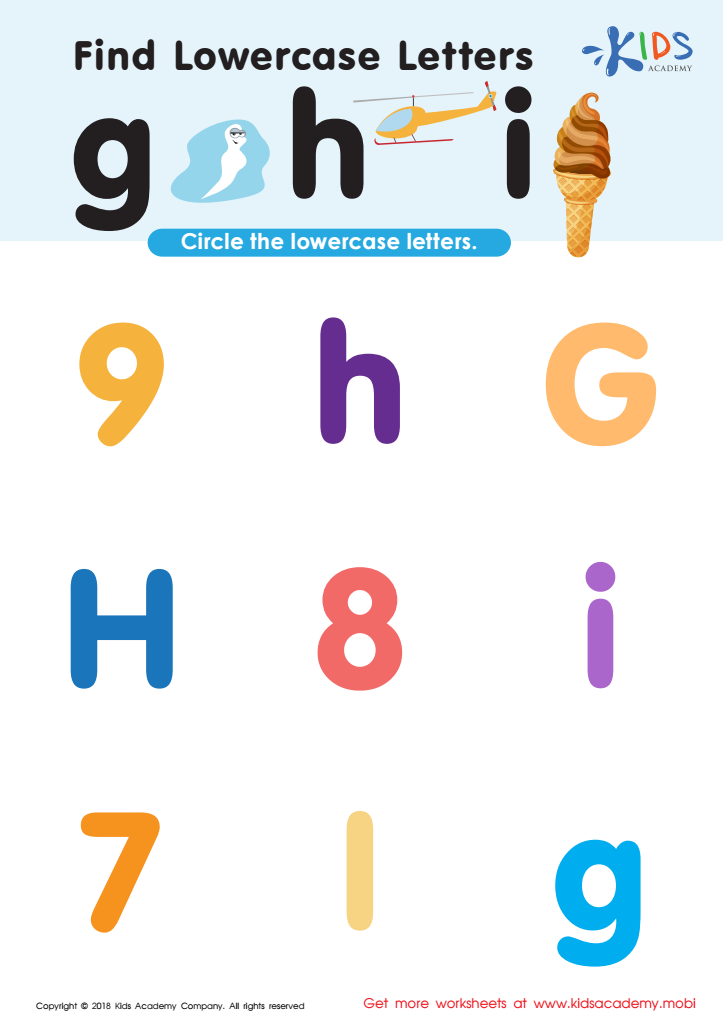
Find Lowercase Letters g h i Worksheet
 Assign to My Students
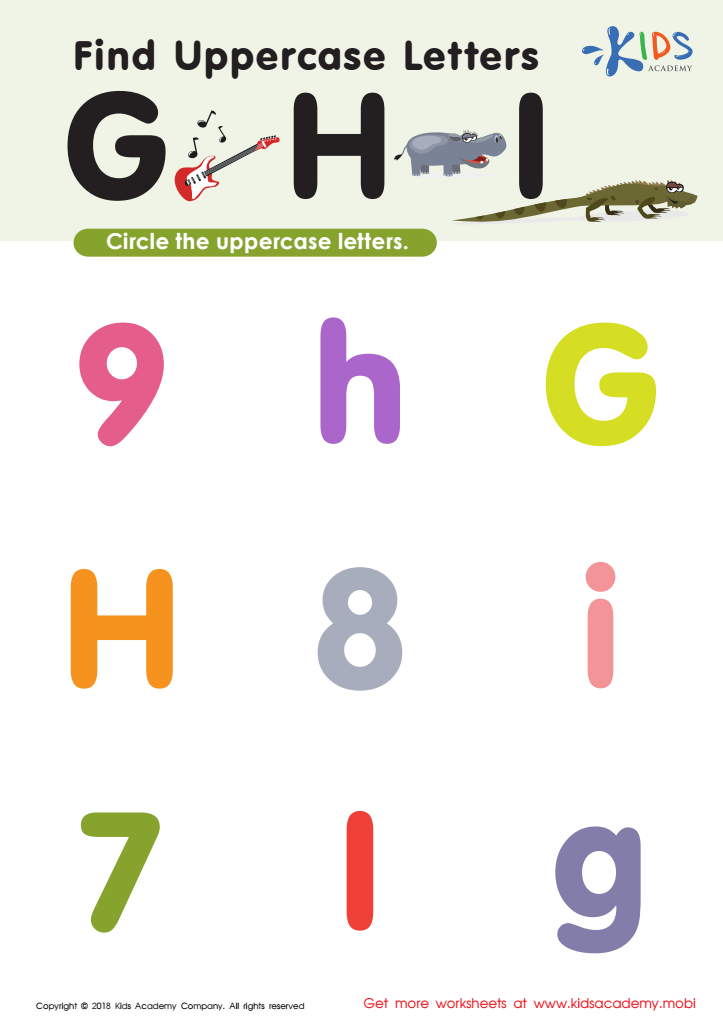
Find Uppercase Letters G, H, and I Worksheet
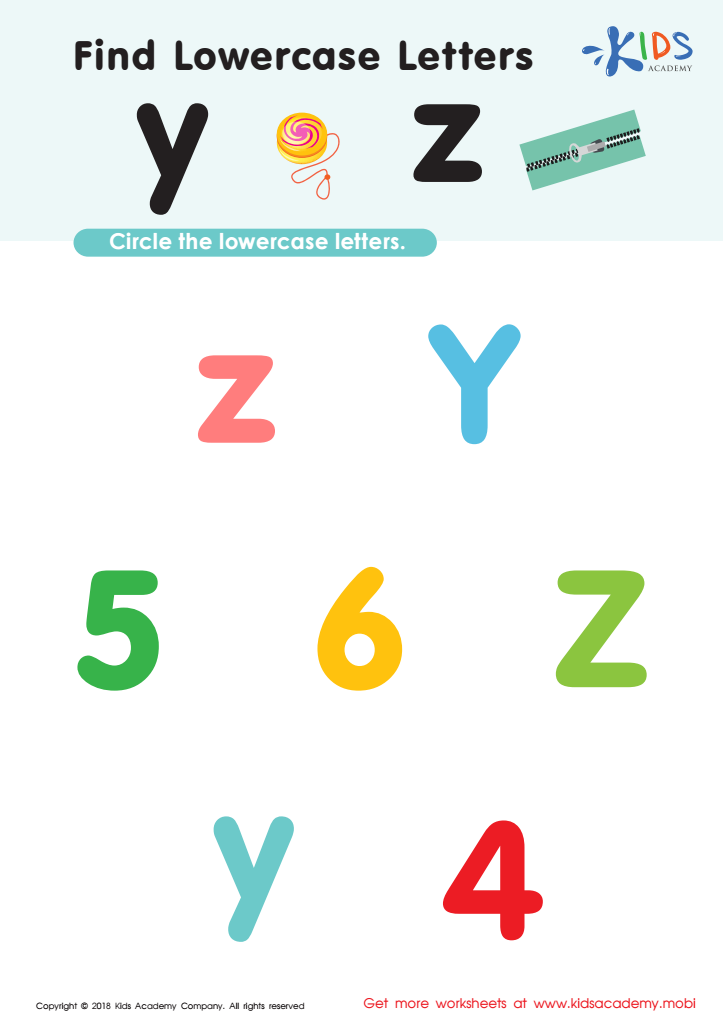
Find Lowercase Letters y z Worksheet
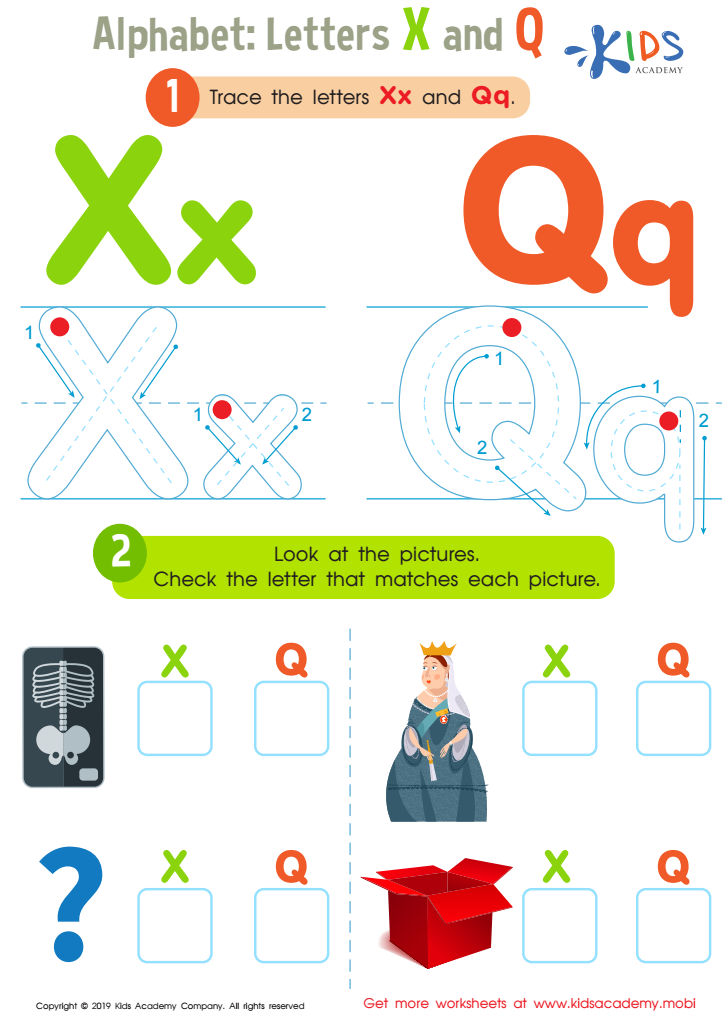
Letters X and Q Tracing Worksheet
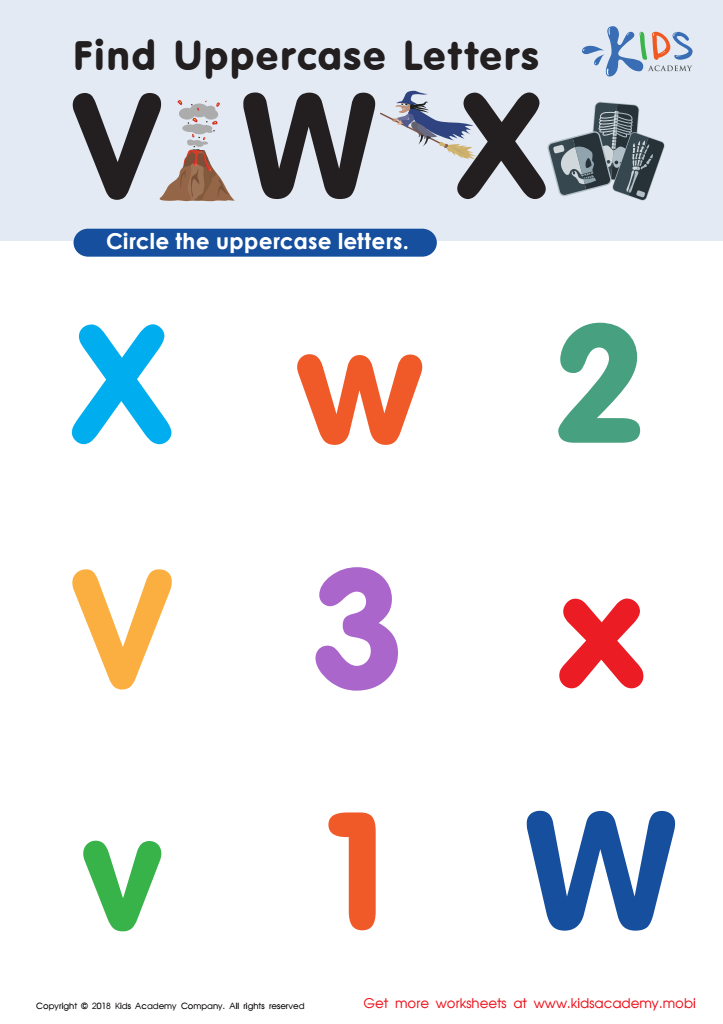
Find Uppercase Letters V, W, X Worksheet








Visual discrimination refers to the ability to recognize differences and similarities in shapes, colors, patterns, and forms. At ages 6-7, developing visual discrimination skills, especially with the alphabet, is essential for several reasons. First, it lays the foundation for reading and writing. Children need to discern between similar-looking letters such as 'b' and 'd', 'p' and 'q', or 'm' and 'n'. Mistaking these letters can lead to reading difficulties and affect comprehension skills.
Moreover, visual discrimination assists in improving attention to detail. This cognitive skill has broader implications beyond literacy. For instance, in math, children need to differentiate between numbers and symbols like '+' and 'x'. Accurate visual recognition helps improve focus and accuracy in various tasks, fostering overall academic success.
In a more holistic view, developing visual discrimination boosts children’s confidence. When kids can comfortably and correctly identify letters and words, they feel more competent and willing to engage in reading and learning activities. Therefore, parents and teachers should prioritize activities and tools that enhance visual discrimination. This can include puzzles, matching games, or even interactive apps that are designed to make learning these skills enjoyable. Establishing these abilities at an early age makes learning smoother and sets a strong educational foundation.







