Alphabet sequencing Letter Recognition Worksheets for Ages 6-7
5 filtered results
-
From - To
Our Alphabet Sequencing Letter Recognition Worksheets for ages 6-7 provide a fun and interactive way to enhance your child's literacy skills. These worksheets help kids recognize, sequence, and write letters, laying the foundation for reading and writing proficiency. Engaging activities such as matching, tracing, and ordering letters promote letter identification and fine motor skills development. Ideal for kindergarten and first-grade students, these worksheets make learning enjoyable with colorful visuals and captivating exercises. Equip your young learner with the tools they need to excel in their early educational journey. Download and print today from Kids Academy to kickstart their alphabet mastery!
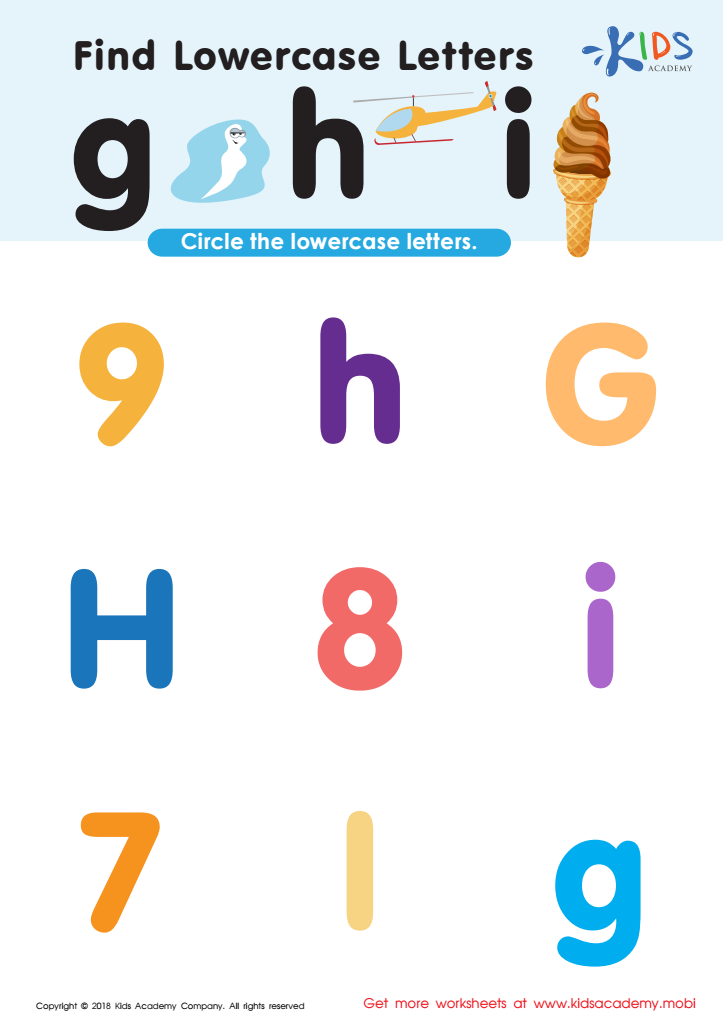
Find Lowercase Letters g h i Worksheet
 Assign to My Students
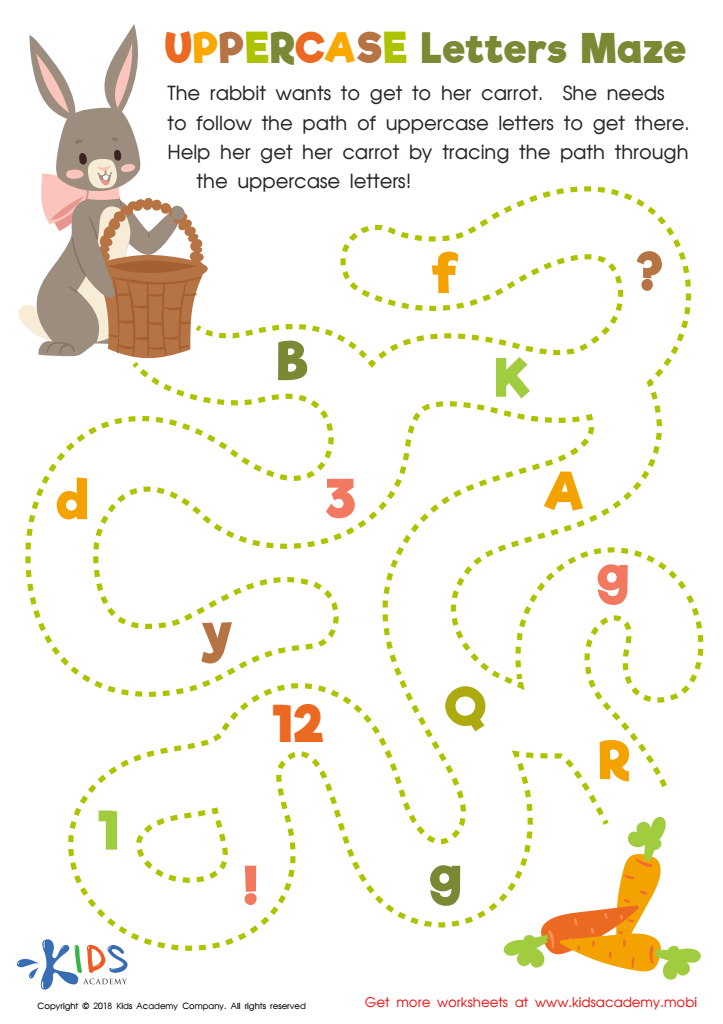
Uppercase Letters Maze Worksheet
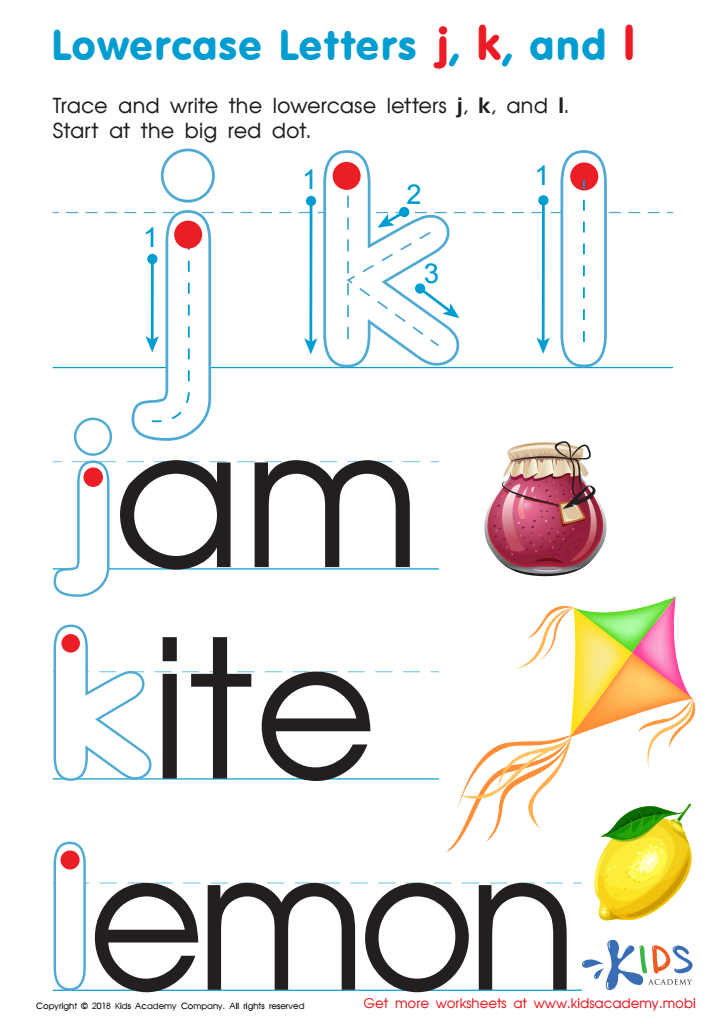
Lowercase Letters j k l Worksheet
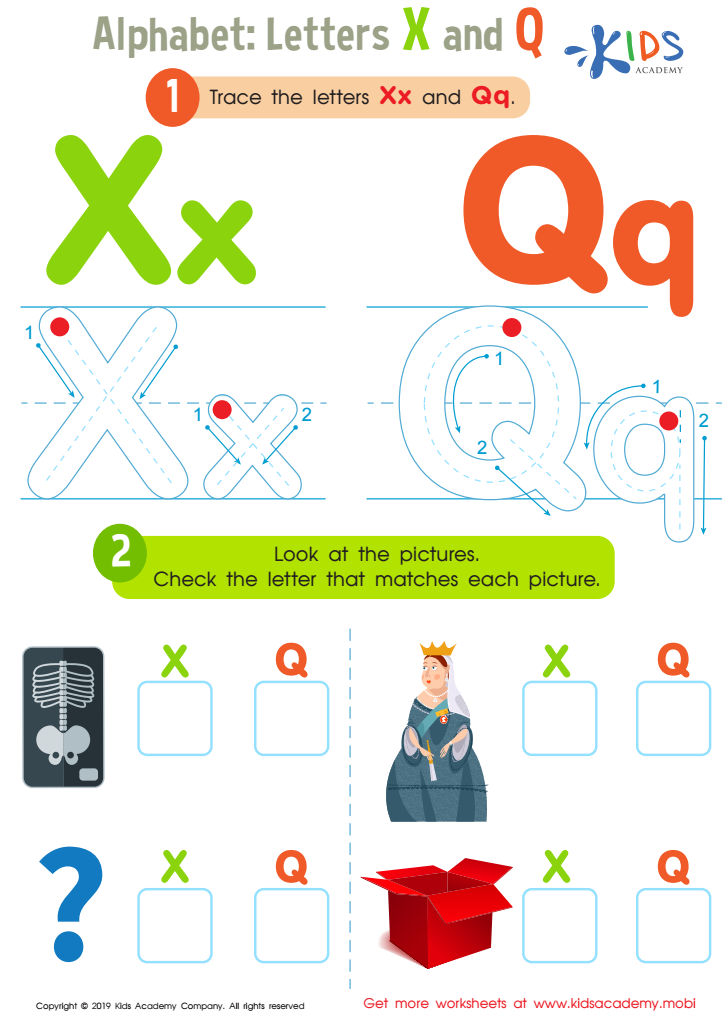
Letters X and Q Tracing Worksheet
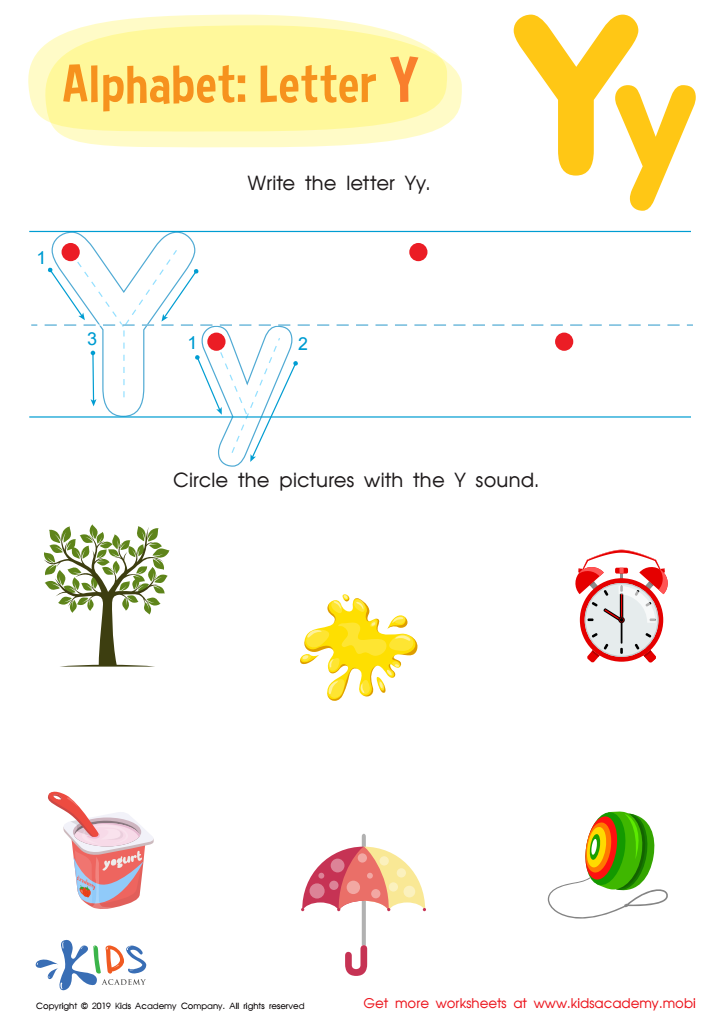
Letter Y Tracing Worksheet








Caring about alphabet sequencing and letter recognition for children aged 6-7 is essential for foundational literacy development. This age is crucial for building the skills necessary for reading and writing, which are pivotal for academic achievement and successful lifelong learning. Alphabet sequencing helps children understand the order of letters in the alphabet, which in turn aids in more rapid recognition of words and patterns in texts. It cultivates their ability to decode and spell words correctly, improving both reading fluency and comprehension.
Letter recognition goes hand-in-hand, as it enables children to identify and differentiate between letters quickly and accurately. Proficiency in recognizing letters and their corresponding sounds supports phonemic awareness, a critical aspect of early reading skills. Children who struggle with letter recognition often face difficulties in reading, which can lead to frustration and a decreased interest in learning.
Additionally, early mastery of these skills lays the groundwork for more complex literacy skills such as sentence structure, grammar, and eventually, critical thinking. Engaging children in activities like singing the alphabet song, sorting letters, or playing alphabet games can make this learning process enjoyable and effective. Thus, parents and teachers should prioritize these fundamental skills to foster a positive and successful educational journey for young learners.







