Motor skills development Letter Recognition Worksheets for Ages 6-7
5 filtered results
-
From - To
Discover our engaging Motor Skills Development Letter Recognition Worksheets designed for children aged 6-7! These thoughtfully crafted worksheets help young learners enhance their fine motor skills while promoting their letter recognition abilities. Through a variety of interactive activities such as tracing, coloring, and matching, children will gain confidence in identifying letters and developing proper handwriting techniques. Each worksheet is tailored to keep students entertained and motivated, making learning both fun and educational. Perfect for home or classroom use, our free printable resources support early childhood development and set the foundation for future literacy skills. Start your learning journey with us today!

Letter H Tracing Page
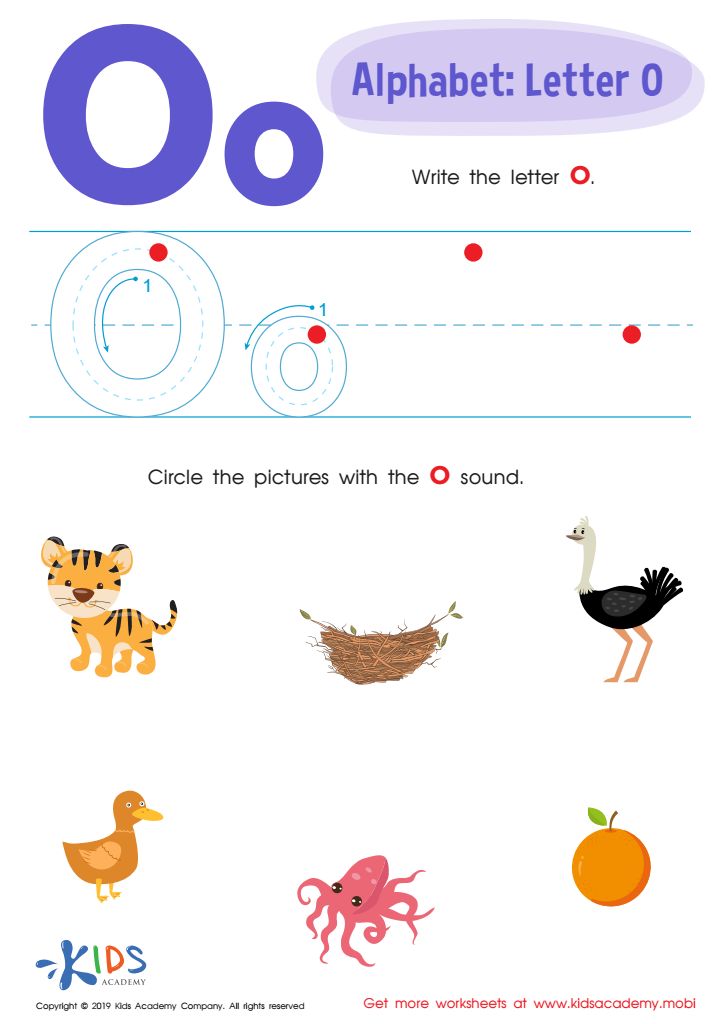
Letter O Tracing Worksheet
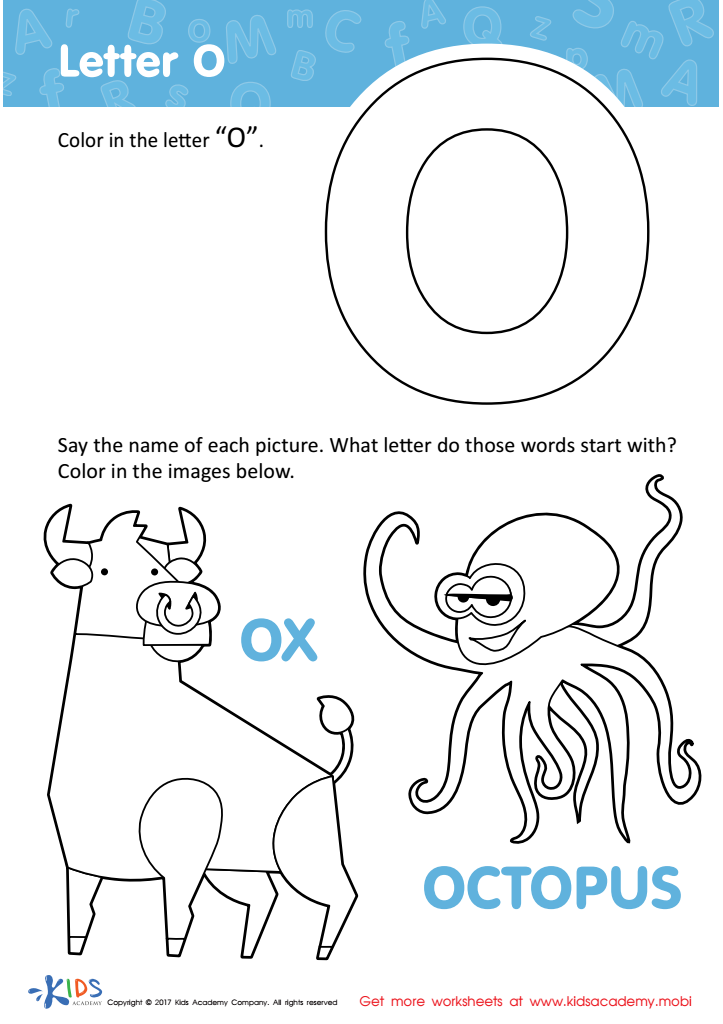
Letter O Coloring Sheet
 Assign to My Students
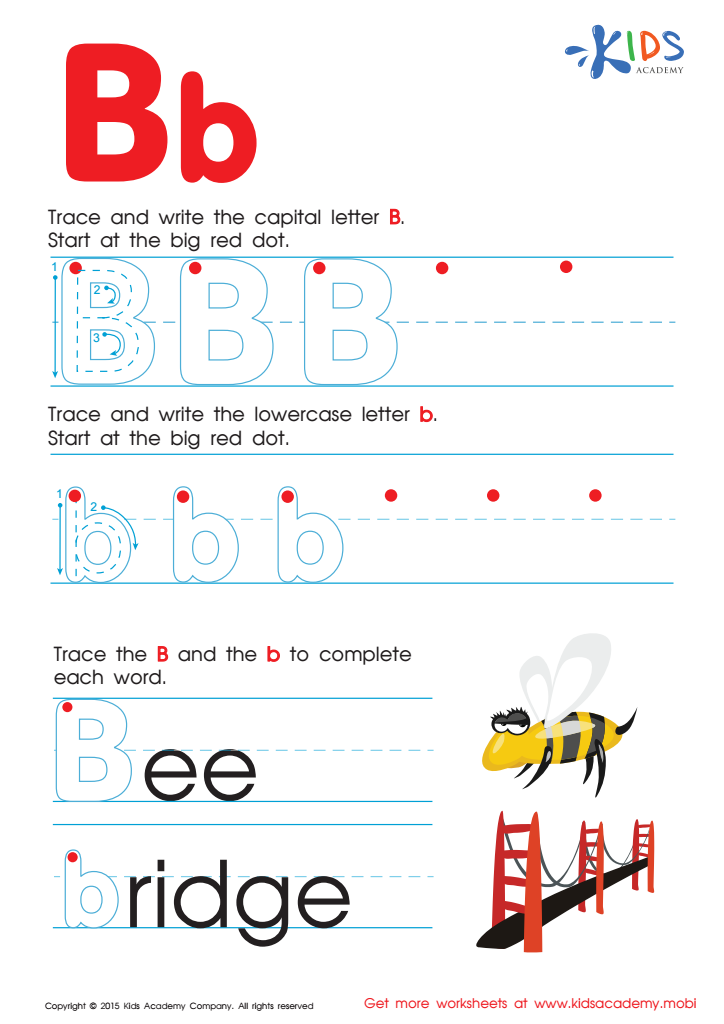
Letter B Tracing Page
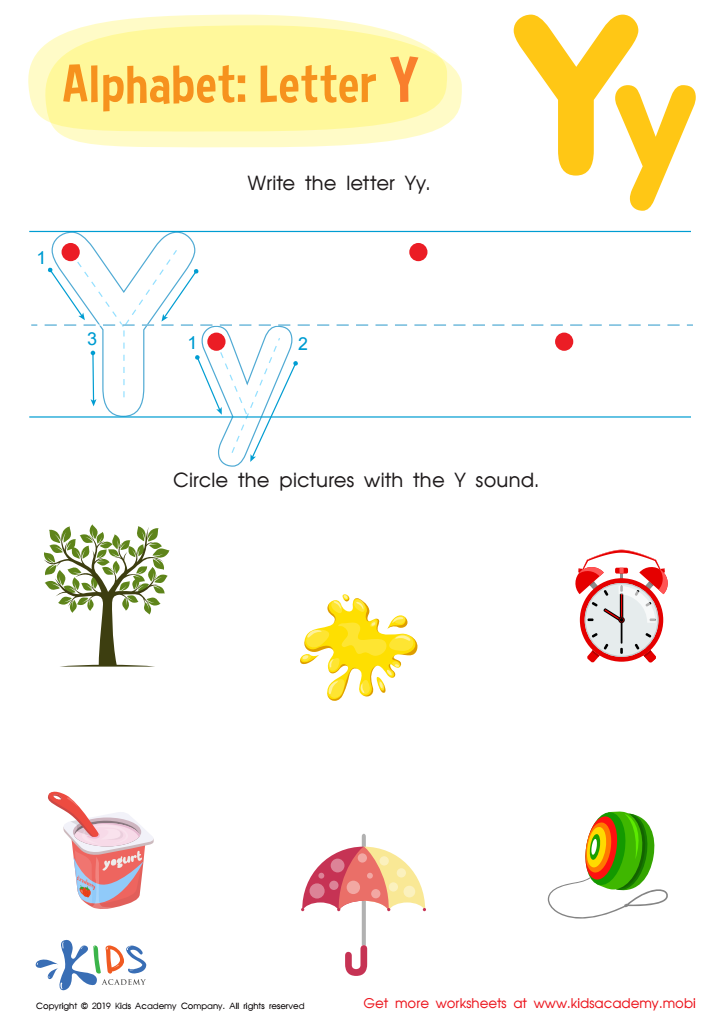
Letter Y Tracing Worksheet








Motor skills development and letter recognition are critical components of early childhood education, particularly for children aged 6-7. At this stage, children are refining both fine and gross motor skills, which are essential for various tasks such as writing, holding a pencil, and participating in physical activities. Encouraging the development of motor skills can enhance children's confidence, hand-eye coordination, and overall physical health.
Letter recognition is equally significant, serving as a foundation for literacy and reading skills. By recognizing letters, children can begin to understand phonetics, word formation, and spelling, which are crucial for effective communication and academic success. When children can confidently identify letters, they are more likely to engage in reading activities, fostering a love for literature and learning.
Parents and teachers play a vital role in promoting these skills. Engaging children in activities such as writing, drawing, and interactive letter games allows them to practice both motor skills and letter recognition in enjoyable contexts. Demonstrating care for these developments not only aids in academic achievement but also supports holistic growth, preparing children for the challenges of later schooling and life. Prioritizing these essential skills helps create a robust foundation for lifelong learning.







