Phonics practice Letter Recognition Worksheets for Ages 6-7
5 filtered results
-
From - To
Explore our engaging Phonics Practice Letter Recognition Worksheets designed specifically for children aged 6-7! These worksheets help young learners develop crucial reading skills by enhancing their understanding of the alphabet. Each printable activity is tailored to make letter recognition fun and interactive, featuring vibrant illustrations and engaging exercises. As children work through the worksheets, they’ll improve their phonemic awareness, identify letters consistently, and develop a strong foundation in literacy. Ideal for home or classroom use, our phonics worksheets promise to boost confidence and make learning enjoyable. Start your child's literacy journey today with our dynamic and effective resources!
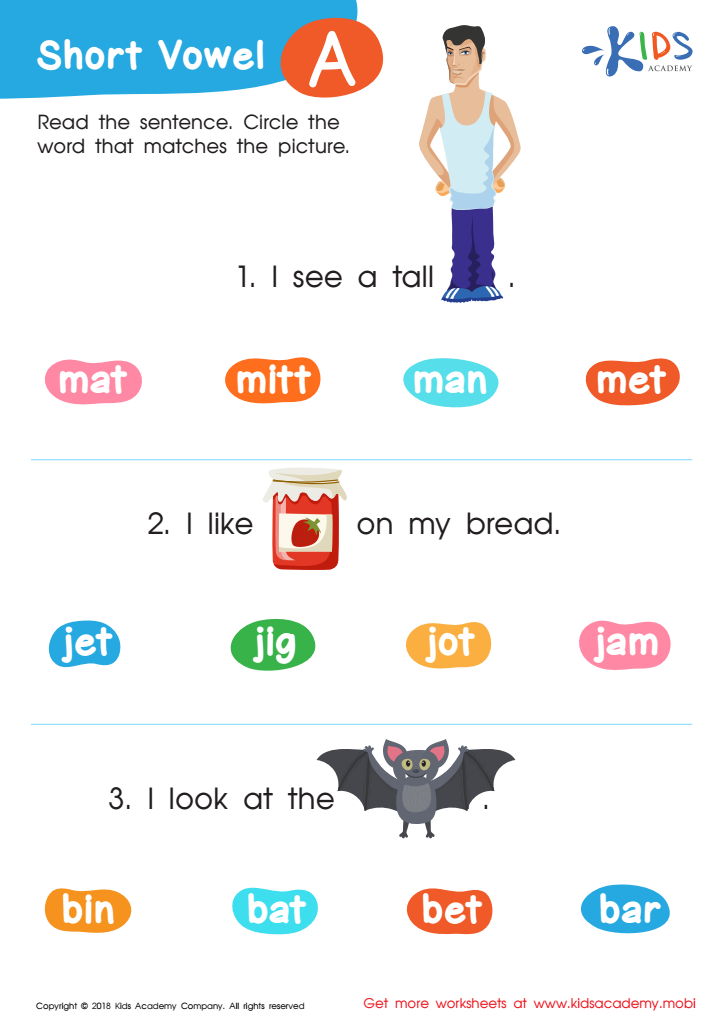
Short Vowel /a/ Worksheet
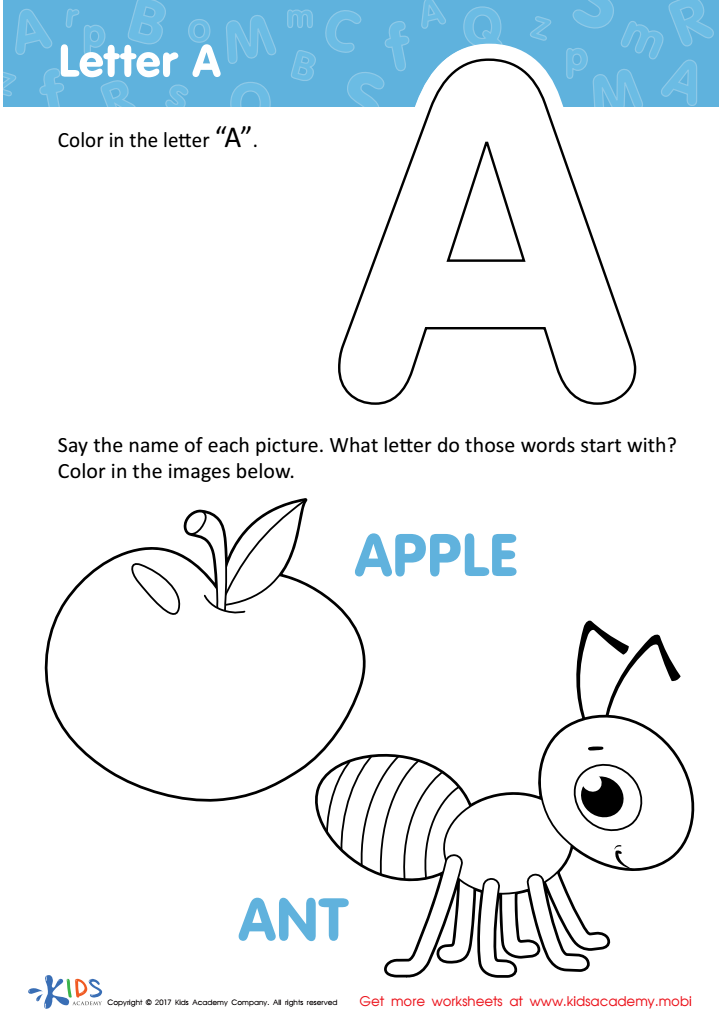
Letter A Coloring Sheet
 Assign to My Students
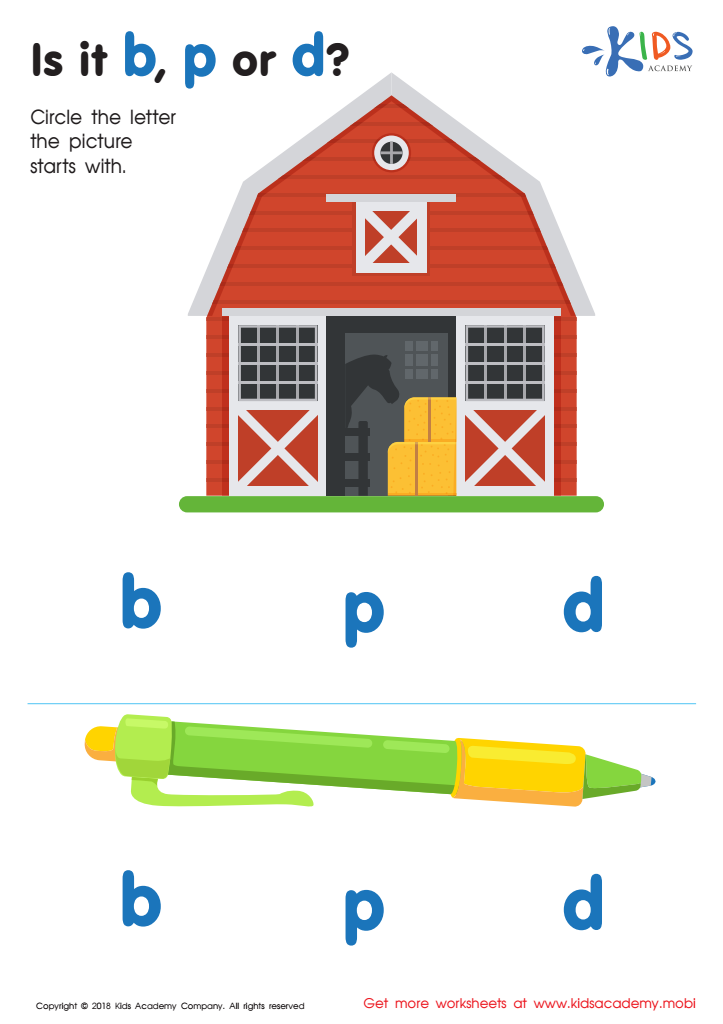
Is it b, p or d? Worksheet
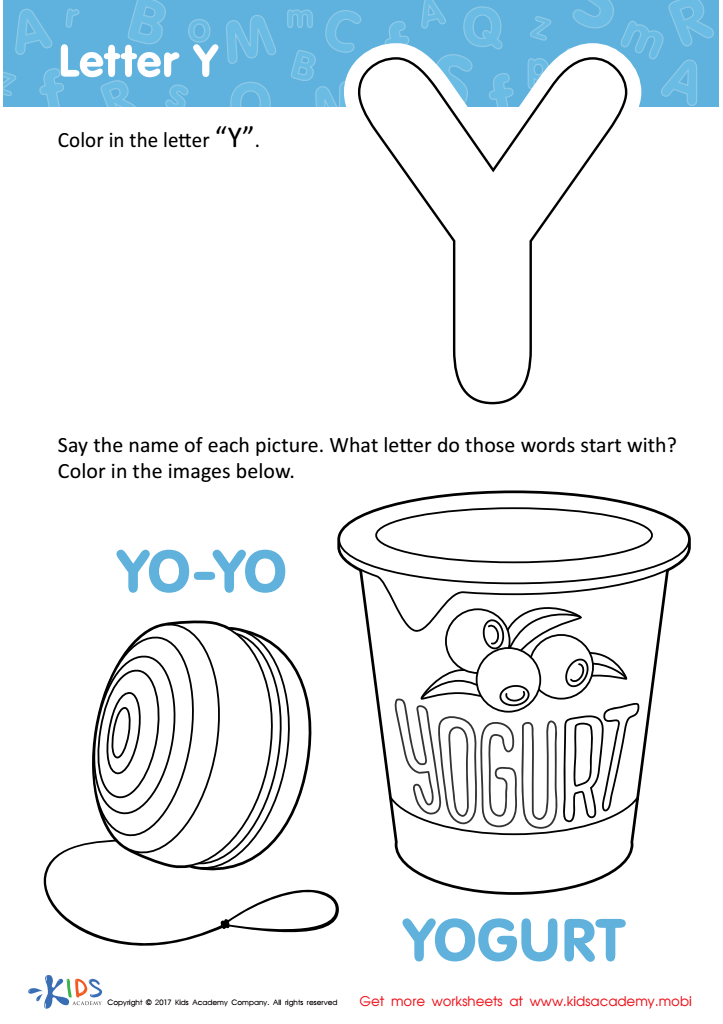
Letter Y Coloring Sheet
Assign to My Students
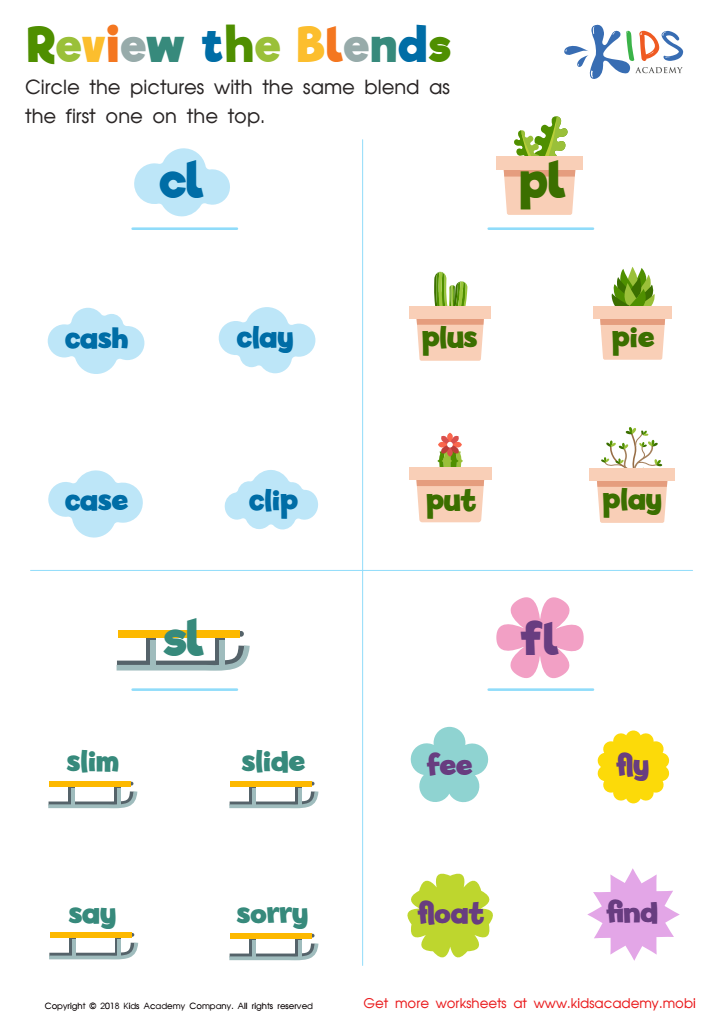
Review the Blends Worksheet








Phonics practice and letter recognition are crucial for children aged 6-7 as they form the foundation for reading and writing skills. At this age, children begin to transition from learning to read to reading to learn. Mastering letter recognition allows them to identify the sounds letters represent, facilitating the ability to decode new words. Consistent phonics practice helps children develop strong reading habits, enabling them to tackle more complex texts as they progress in school.
Moreover, letters are the cornerstone of language; recognizing them enhances vocabulary and spelling skills while boosting confidence in literacy. Children who struggle with letter recognition may experience difficulties in academic performance and self-esteem, leading to a cycle of frustration and disengagement with learning.
By engaging in phonics practice, parents and teachers can foster a love for reading, creating a supportive environment in which literacy flourishes. Read-aloud sessions, phonics games, and practice worksheets serve as effective tools to motivate children, encouraging curiosity and helping them build foundational skills necessary for future academic success. Ultimately, prioritizing phonics and letter recognition from ages 6-7 ensures that children are equipped with the essential skills necessary for their lifelong learning journey.







