Reading comprehension Missing Vowels Worksheets for Ages 6-7
3 filtered results
-
From - To
Enhance your child's reading skills with our "Missing Vowels Worksheets" designed for ages 6-7! These engaging worksheets focus on reading comprehension by challenging young learners to identify missing vowels in words, promoting vocabulary development and critical thinking. Perfect for home or classroom use, our resources encourage kids to decode words and improve fluency while making learning fun. Each worksheet offers varying levels of difficulty to cater to different skill levels, ensuring every child finds success. Download our printable worksheets today and help your little learners become confident readers while mastering essential literacy skills! Perfect for early education and skill-building!
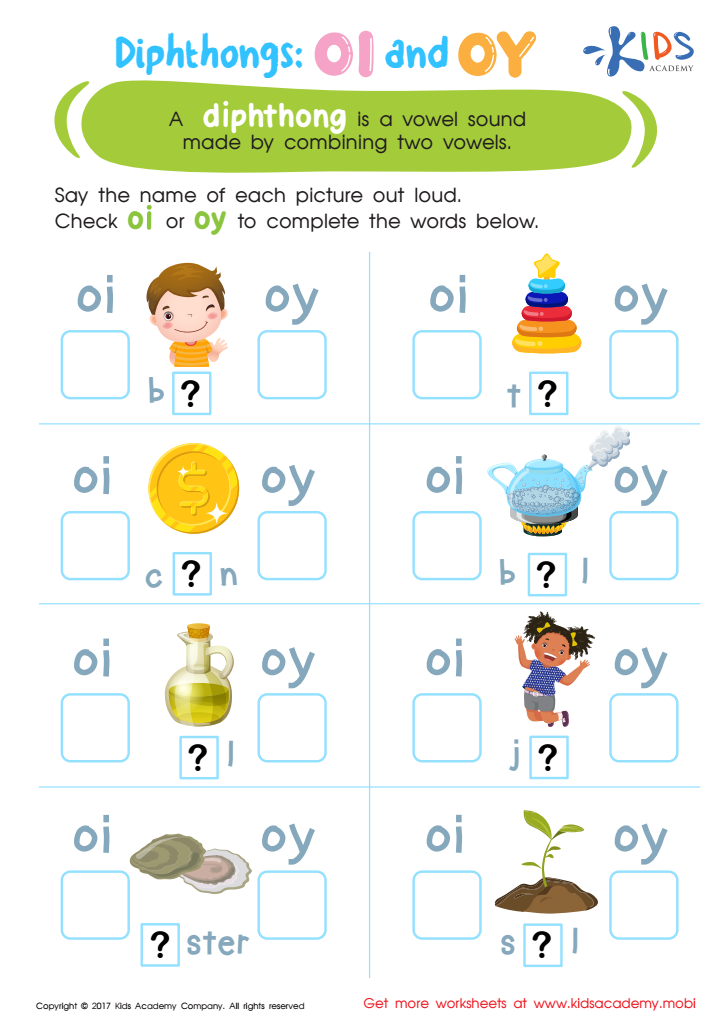
Vowel Diphthongs OI OY Worksheet
 Assign to My Students
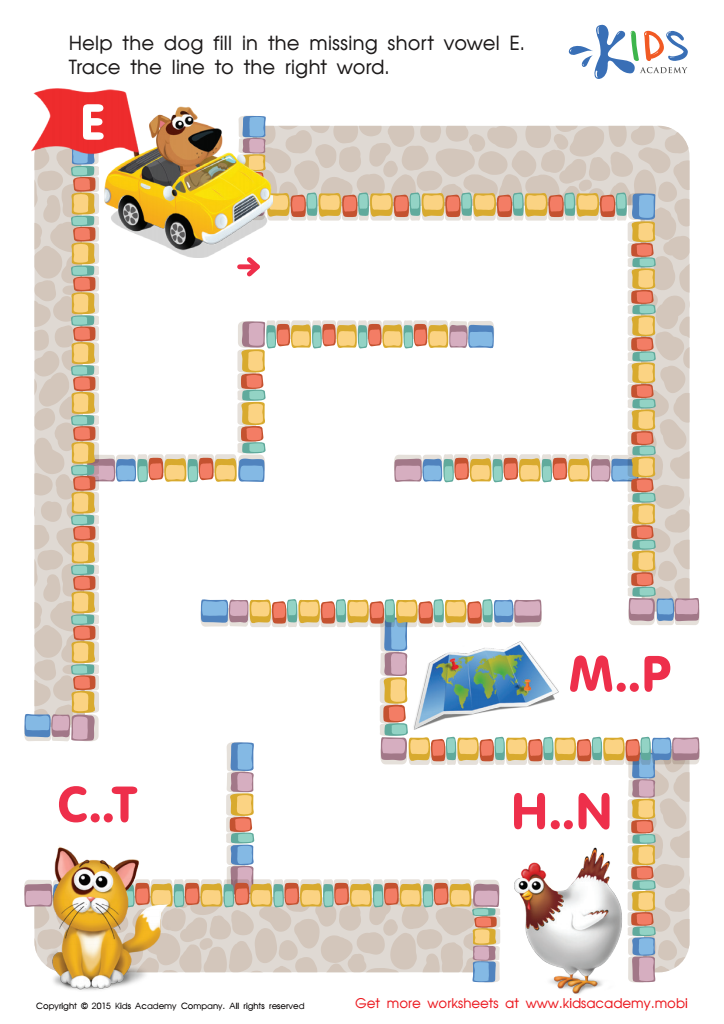
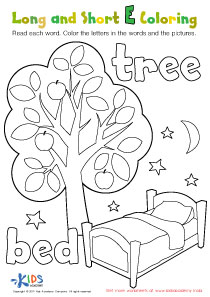
Short Vowel Sound E Worksheet
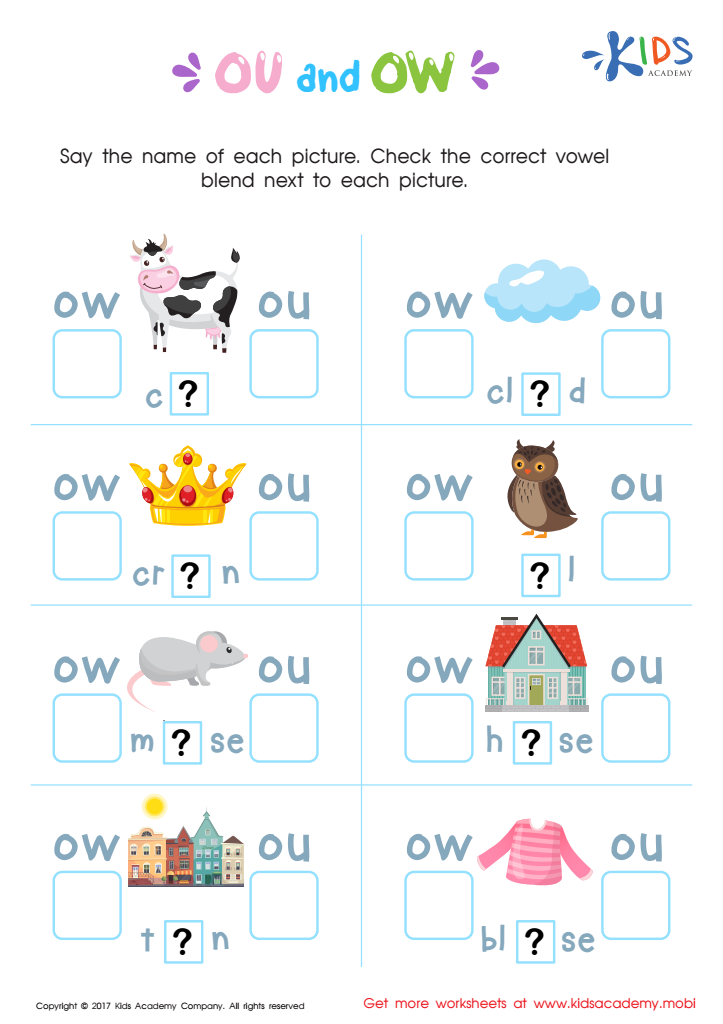
OU and OW Words Worksheet


Parents and teachers should prioritize reading comprehension, particularly through activities like 'Missing Vowels,' for children aged 6-7 because it lays the foundation for literacy skills essential for academic success. This age group is critical for cognitive development, as children start transitioning from learning to read to reading to learn. 'Missing Vowels' exercises engage young learners by making the process interactive and fun, while reinforcing their understanding of phonics and word structure.
These activities enhance vocabulary acquisition and decode words effectively, contributing to improved fluency. When children fill in missing vowels, they practice recognizing patterns and context clues, stimulating critical thinking necessary for comprehension. Furthermore, as children learn to read independently, the ability to understand what they read becomes increasingly important for their overall learning experience.
By focusing on reading comprehension through games like 'Missing Vowels,' parents and teachers can help foster a love for reading while equipping students with the skills needed to excel academically. Supportive reading environments boost confidence and motivation, setting the stage for lifelong learning. Ultimately, investing in reading comprehension at this early stage can positively impact a child’s educational trajectory and personal development.