Letter-sound association Tracing Letters Worksheets for Ages 6-7
5 filtered results
-
From - To
Enhance your child's literacy skills with our Letter-Sound Association Tracing Letters Worksheets designed for ages 6-7! These engaging worksheets combine fun tracing activities with essential phonics practice, promoting letter recognition and sound association. As children trace each letter, they build fine motor skills while reinforcing their understanding of how letters correspond to sounds. Ideal for home or classroom use, our printable worksheets support early learners by making writing and phonics an enjoyable experience. Help your child develop a strong foundation in reading and writing through interactive and effective practice. Explore our collection and set them on the path to literacy success!
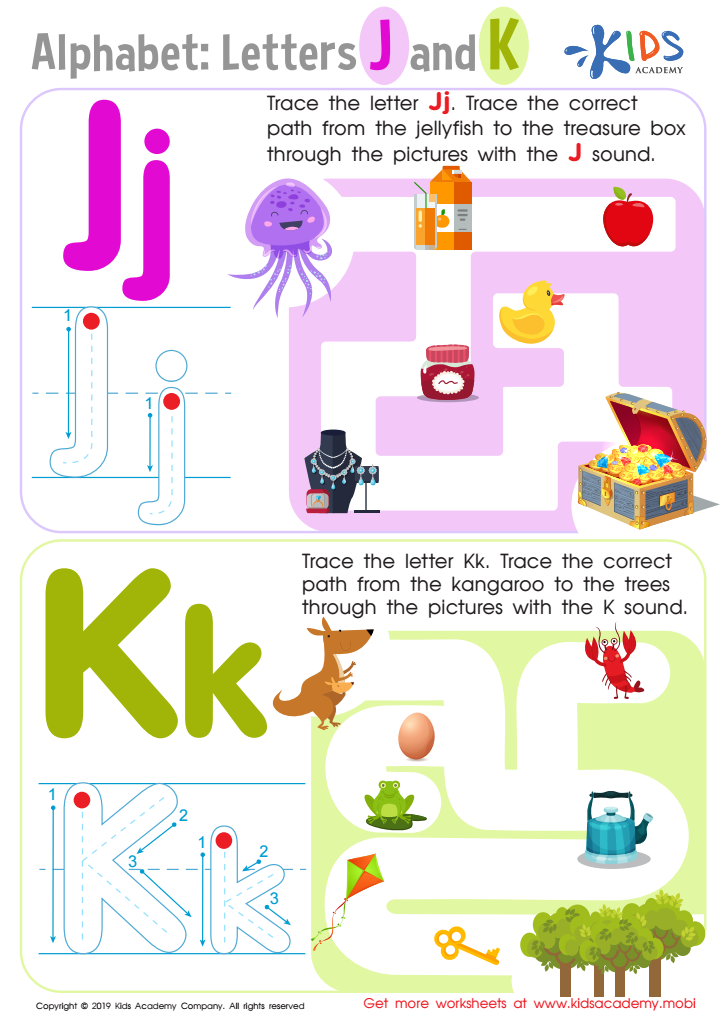
Letters J and K Tracing Worksheet
 Assign to My Students
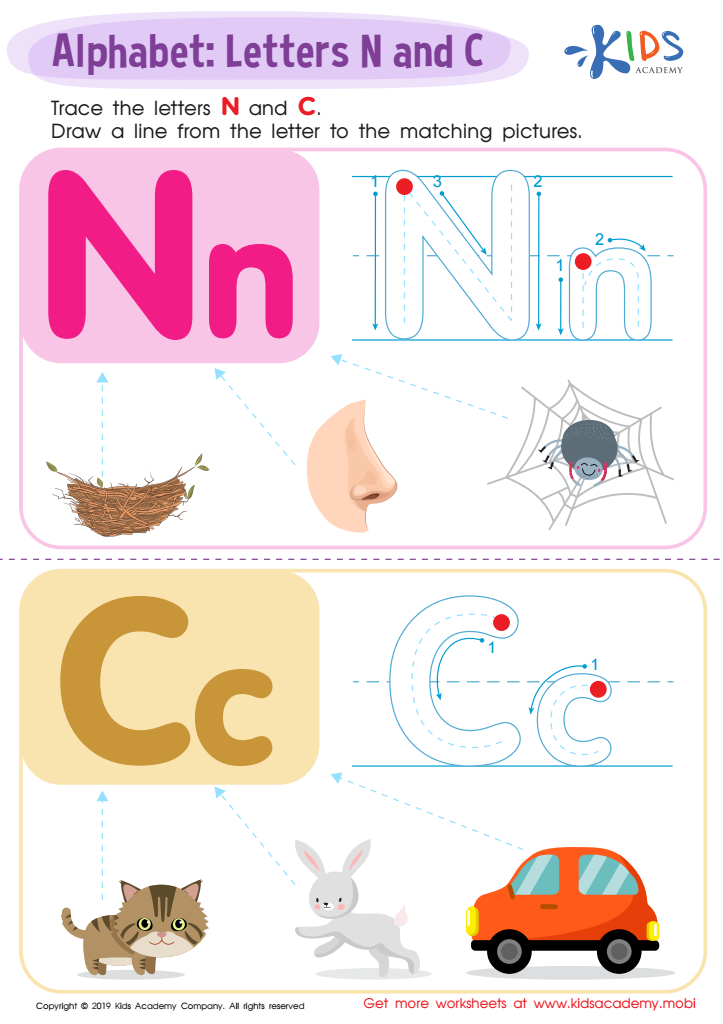
Letter N and C Tracing Worksheet
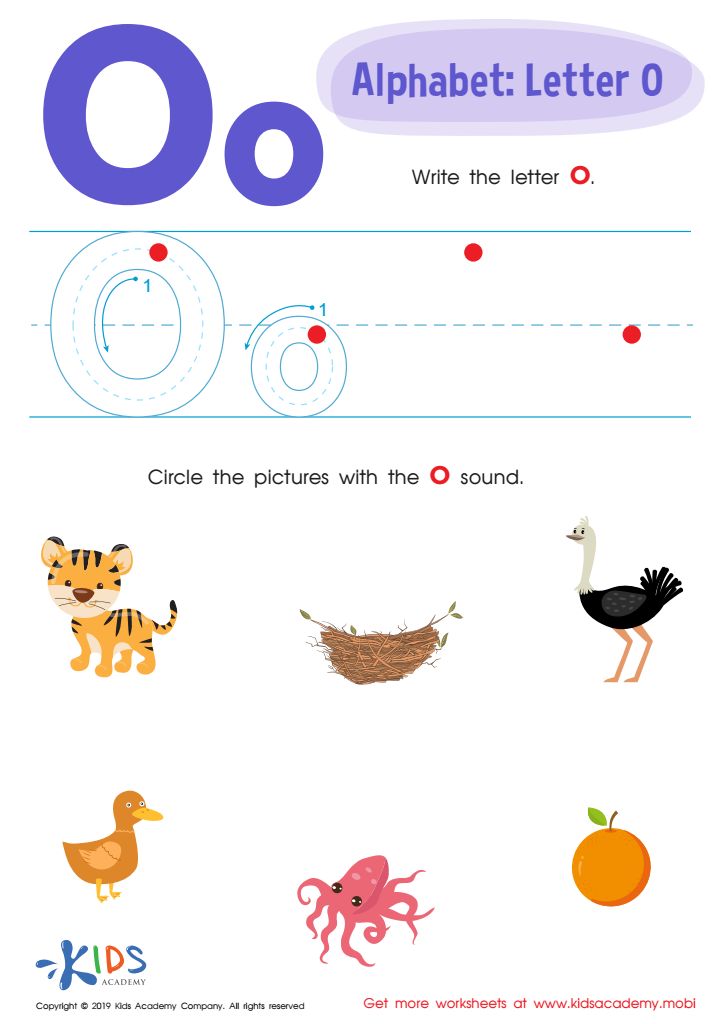
Letter O Tracing Worksheet

Lowercase Letters m n o Worksheet
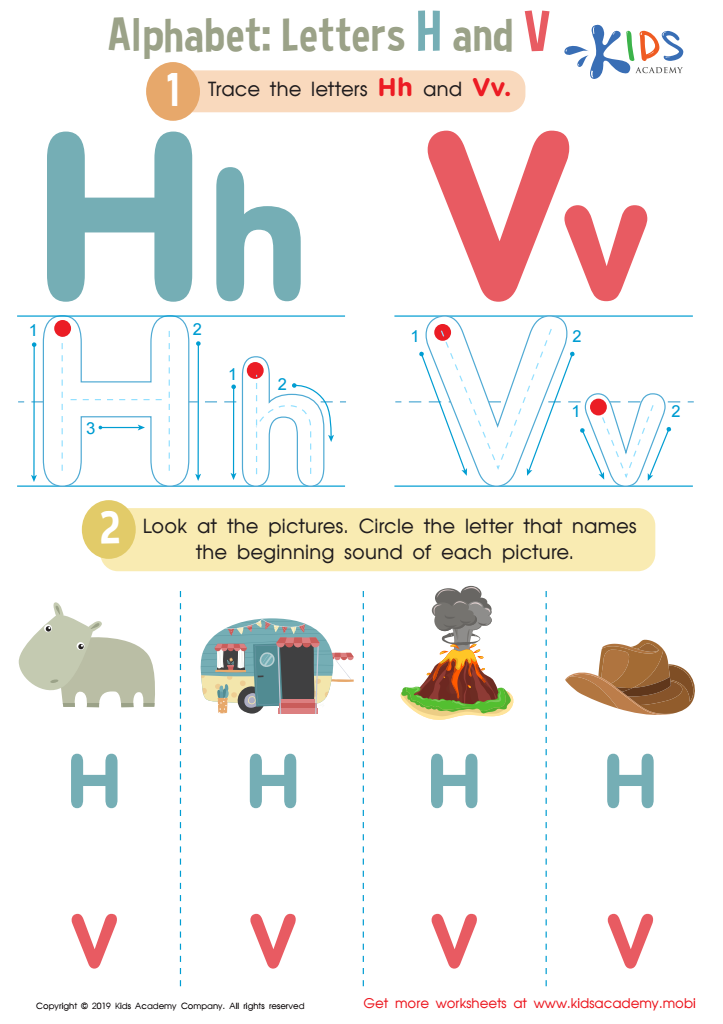
Letters H and V Tracing Worksheet








Letter-sound association and tracing letters are fundamental skills for children aged 6-7, integral for their reading and writing development. At this age, children are transitioning from learning letters in isolation to understanding their sounds and how they form words. By practicing letter-sound associations, children begin to decode words, an essential skill that supports their transition into fluent reading.
Tracing letters reinforces this learning by enhancing fine motor skills, which are vital for effective handwriting. As children trace, they develop muscle memory that lays the groundwork for writing letters independently, promoting confidence in their abilities. Moreover, engaging in tracing activities often captures children's interest, providing a tactile and visual learning experience that makes literacy fun and effective.
For parents and teachers, nurturing these skills is crucial. A solid foundation in letter-sound associations helps prevent future reading difficulties, supporting overall academic success. Encouraging early literacy also fosters a lifelong love for reading, paving the way for a brighter educational future. By prioritizing letter recognition and tracing during these formative years, parents and teachers actively contribute to enhancing cognitive skills, language development, and critical thinking—cornerstones of holistic education.








