Letter Tracing Practice Tracing Letters Worksheets for Ages 6-7
5 filtered results
-
From - To
Enhance your child's handwriting and letter recognition with our engaging "Letter Tracing Practice Worksheets" tailored for ages 6-7. These comprehensive resources provide children with the perfect opportunity to master each letter of the alphabet through fun tracing activities. Designed to support fine motor skill development, our worksheets feature colorful illustrations to keep young learners motivated. As children trace both uppercase and lowercase letters, they will build confidence in their writing abilities and vocabulary. Ideal for at-home practice or classroom use, our activities make learning enjoyable while ensuring children gain essential literacy skills. Start your child's writing journey today!
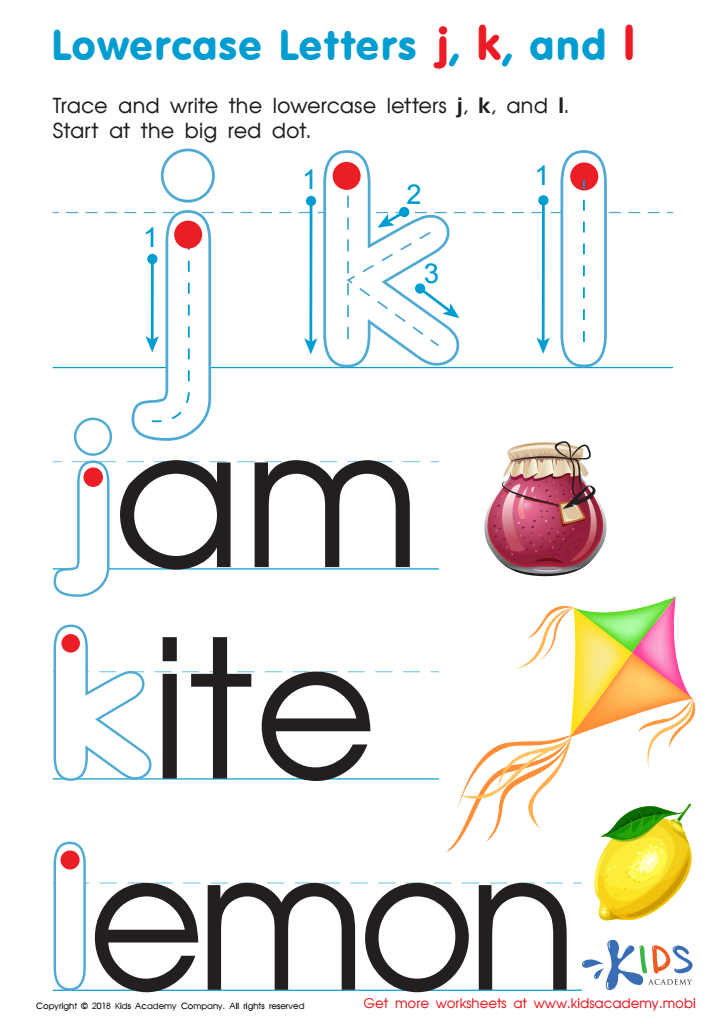
Lowercase Letters j k l Worksheet
 Assign to My Students
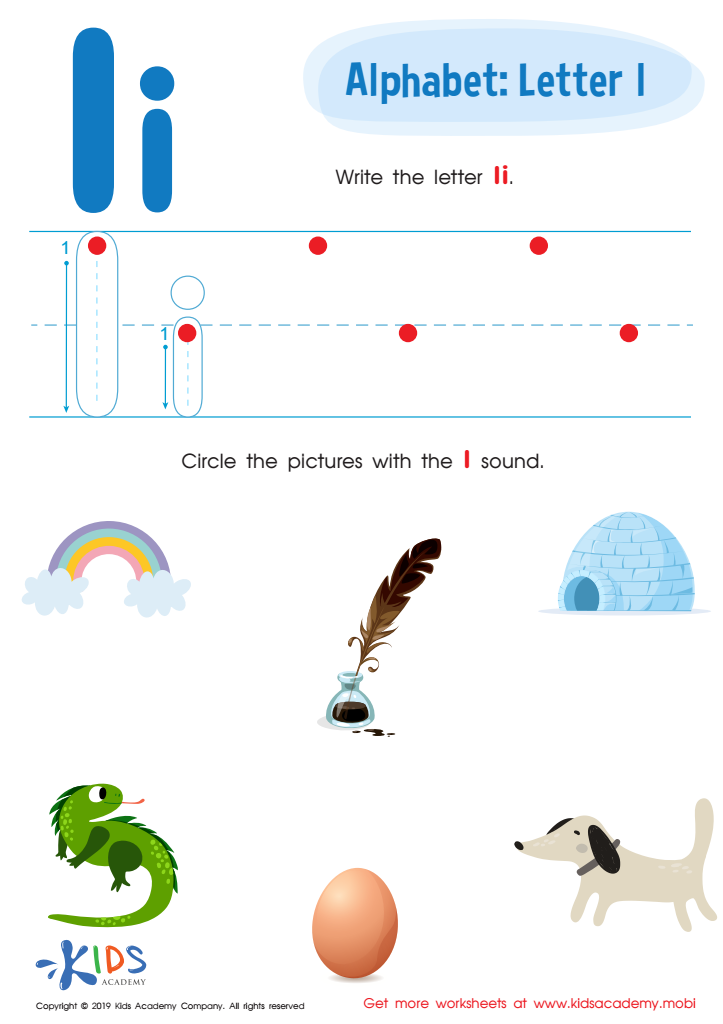
Letter I Tracing Worksheet
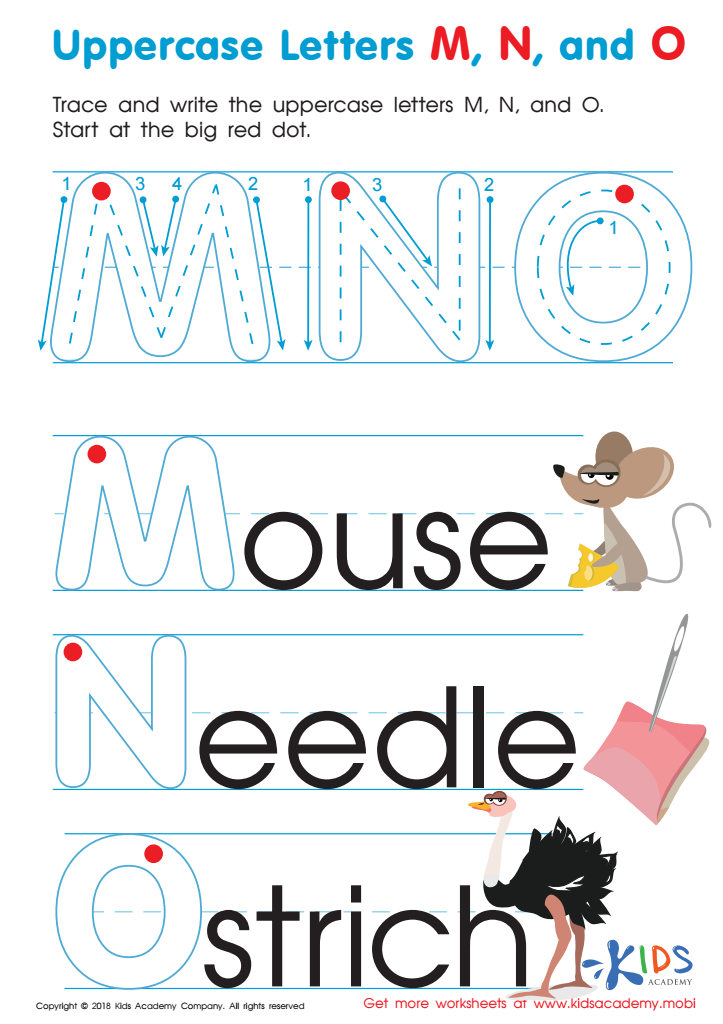
Uppercase Letters M, N, and O Worksheet
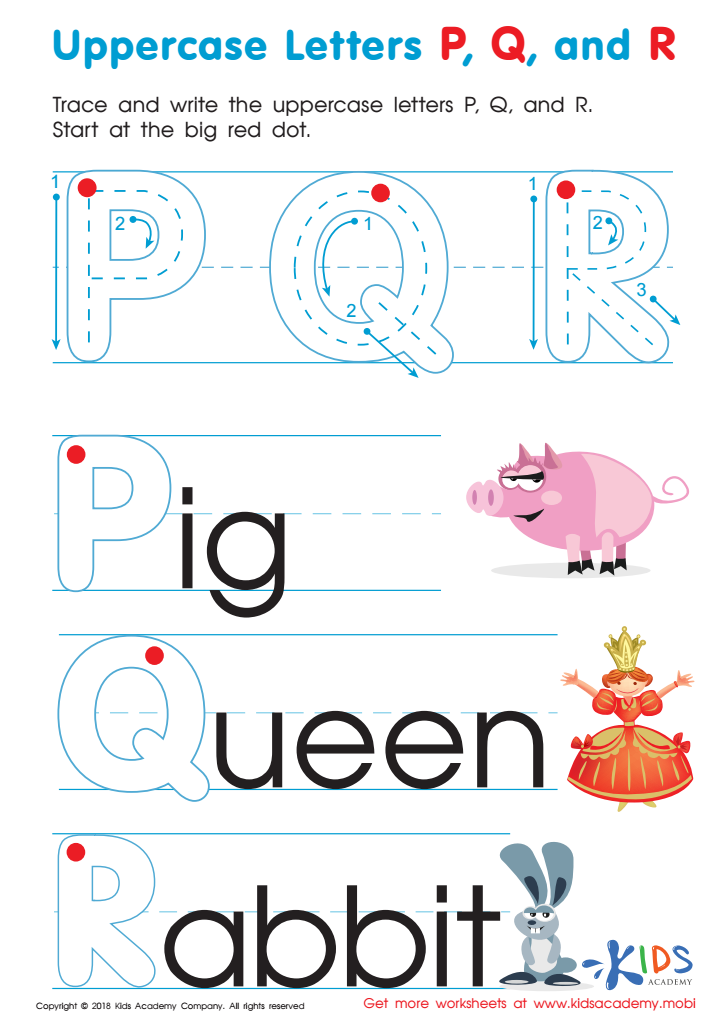
Uppercase Letters P, Q, and R Worksheet
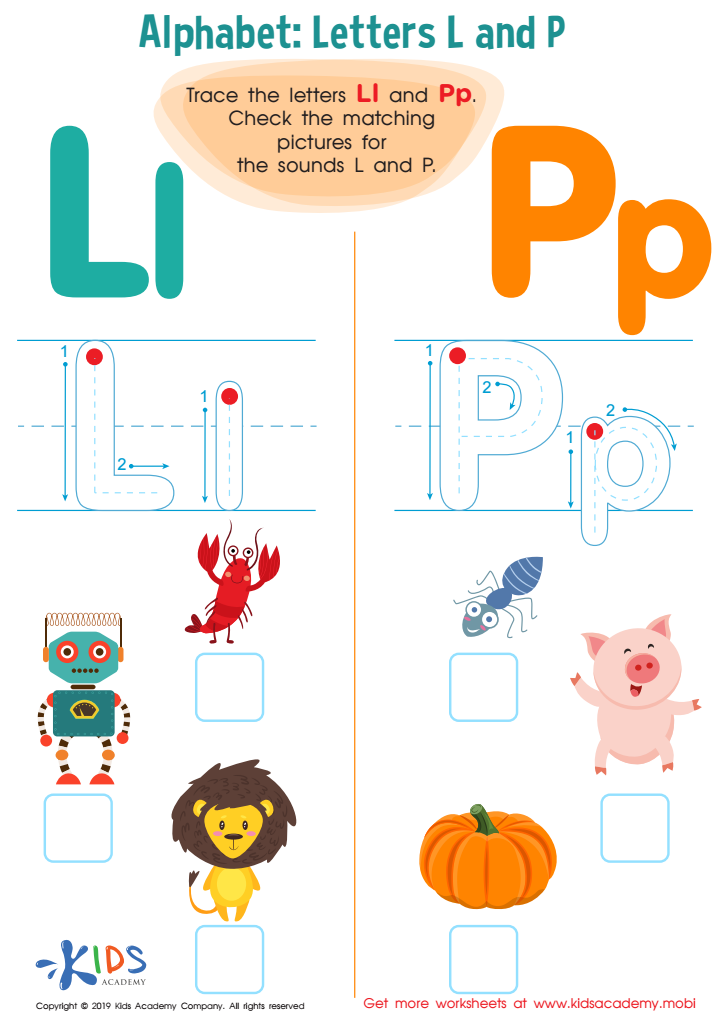
Letter L and P Tracing Worksheet







Letter tracing practice is an essential activity for children aged 6-7, laying a strong foundation for their literacy skills. As children learn to write, developing proper letter formation is crucial for clear communication. Tracing helps them practice the shapes and structures of letters, reinforcing muscle memory, fine motor skills, and hand-eye coordination—skills vital for writing fluidly and efficiently.
Additionally, tracing letters promotes phonetic awareness. As children trace, they often say the letter sounds or the words they represent, oltting them to better connect the written form with its pronunciation. This connection boosts reading readiness by enhancing their understanding of language and vocabulary.
Furthermore, tracing activities can be engaging and enjoyable, making learning feel like play rather than a chore. This positive experience motivates children to invest time in their literacy development, fostering a love for reading and writing.
For parents and teachers, incorporating letter tracing into daily learning routines can address various learning styles and adapt to children's individual paces. Ultimately, nurturing foundational writing skills through effective letter tracing practice sets children up for academic success and confidence in their abilities, reinforcing their language development critical for their future learning journey.








