Following instructions English for Beginners Worksheets for Ages 6-7
6 filtered results
-
From - To
"Following Instructions English for Beginners Worksheets for Ages 6-7" offer engaging and educational activities designed to enhance young learners' English skills. These interactive worksheets help children effectively follow directions while building their vocabulary, comprehension, and critical thinking. Each worksheet focuses on practical scenarios, enabling kids to apply their learning creatively. Ideal for young ESL students, these resources are structured to make language acquisition both enjoyable and effective. Perfect for home or classroom use, these worksheets lay a solid foundation for confident communication in English. Explore our collection today and watch your child’s language skills flourish.
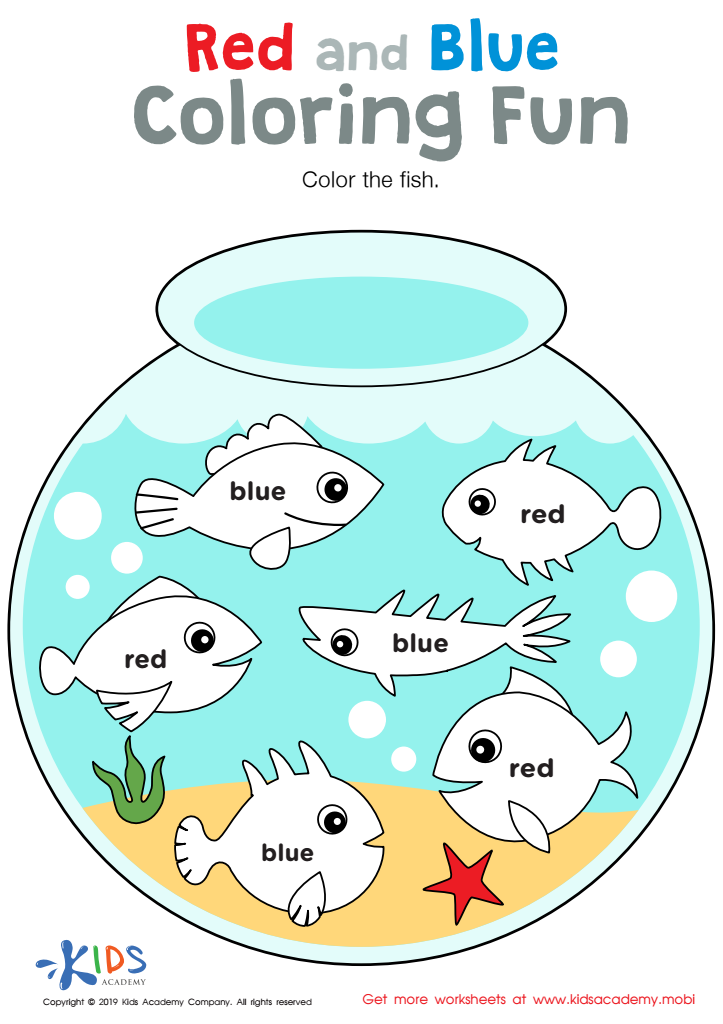
Red and Blue Coloring Fun Worksheet
 Assign to My Students
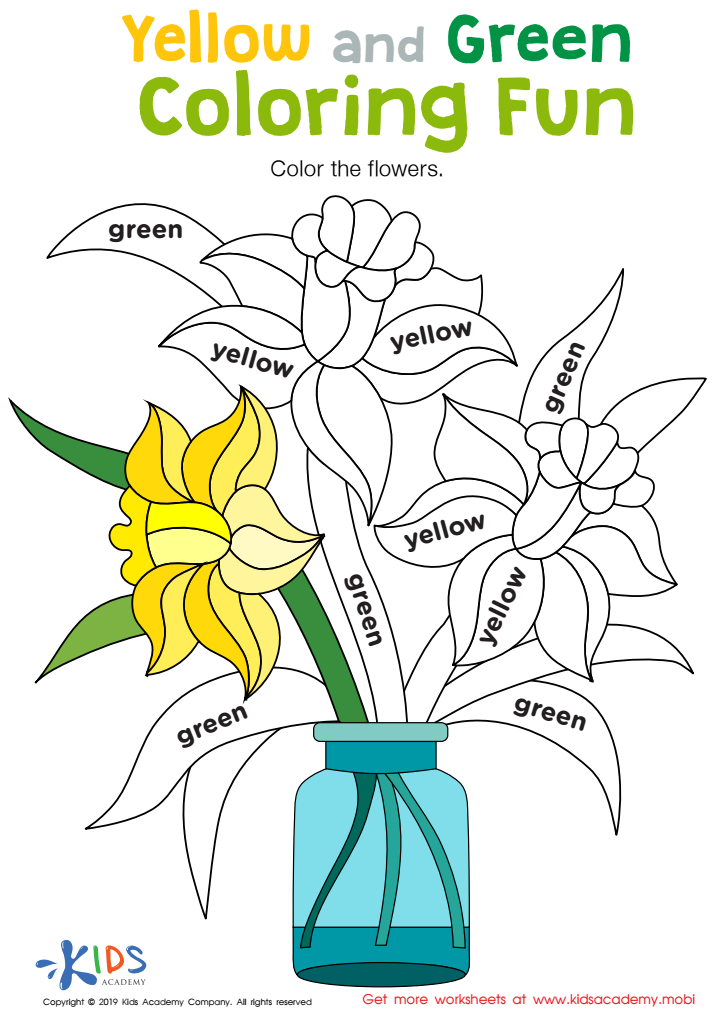
Yellow and Green Coloring Fun Worksheet
Assign to My Students
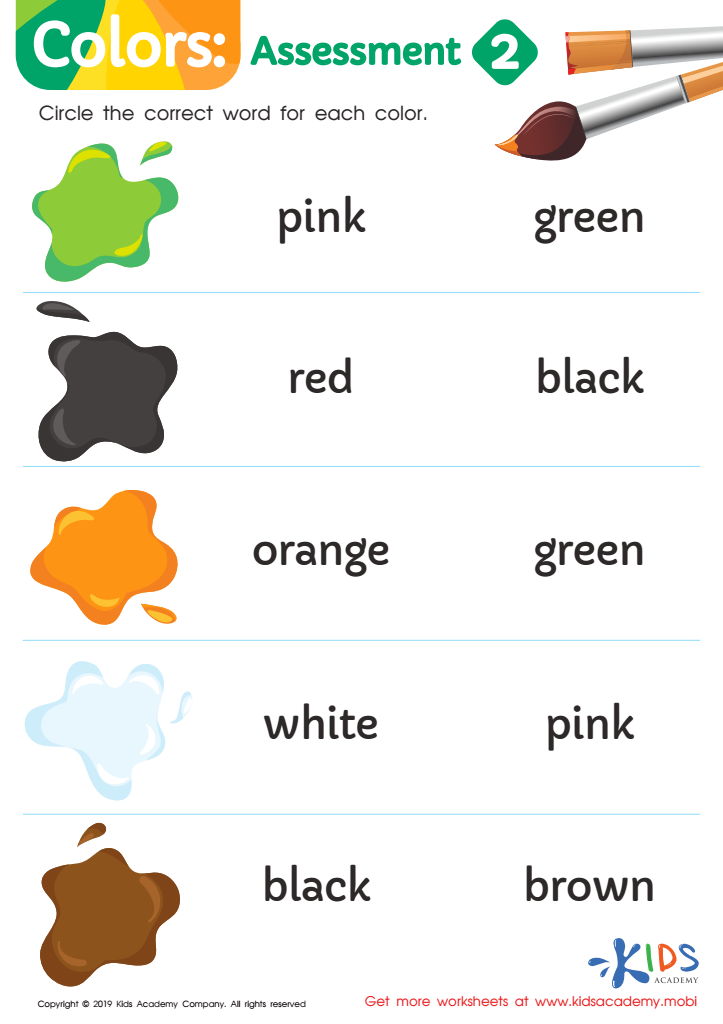
Colors: Assessment 2 Worksheet
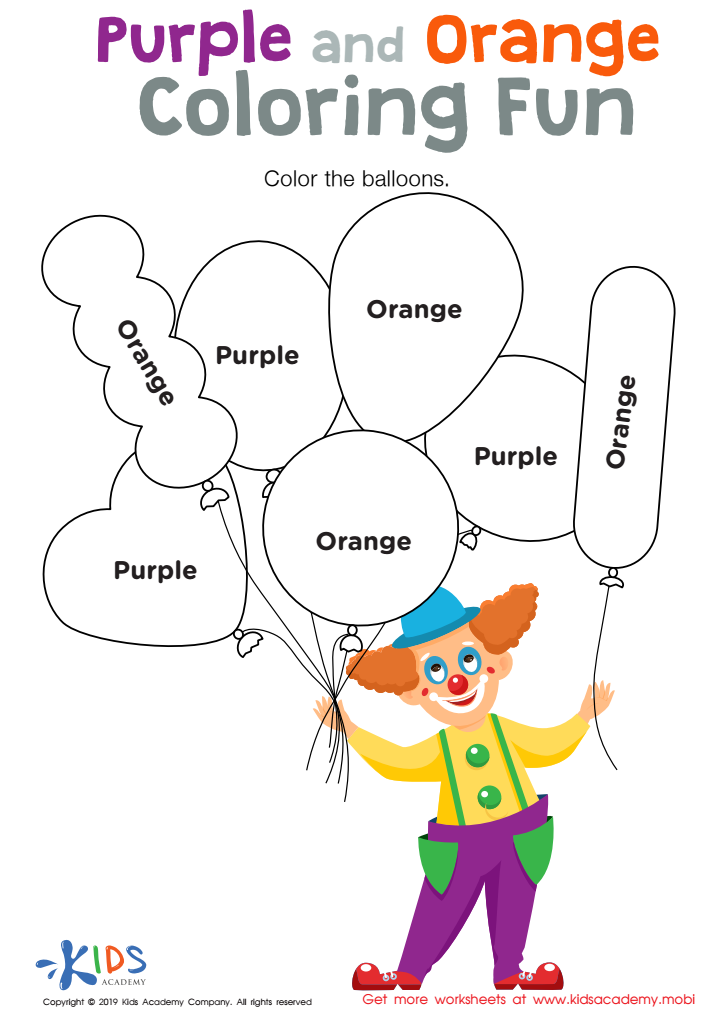
Purple and Orange Coloring Fun Worksheet
Assign to My Students
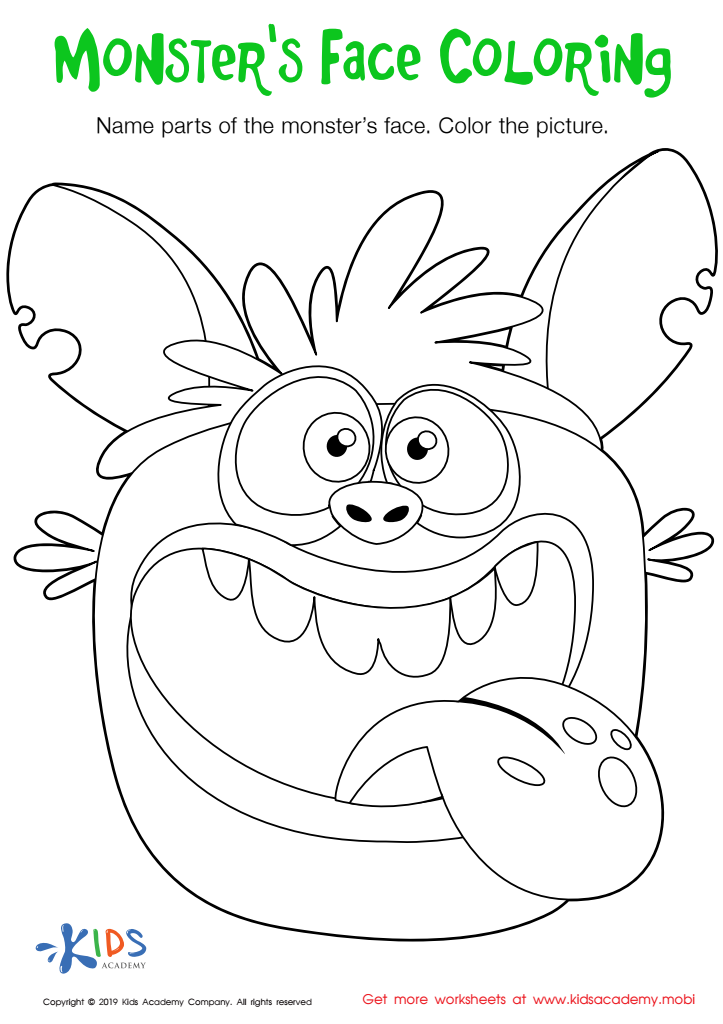
Monster's Face Coloring Worksheet
Assign to My Students
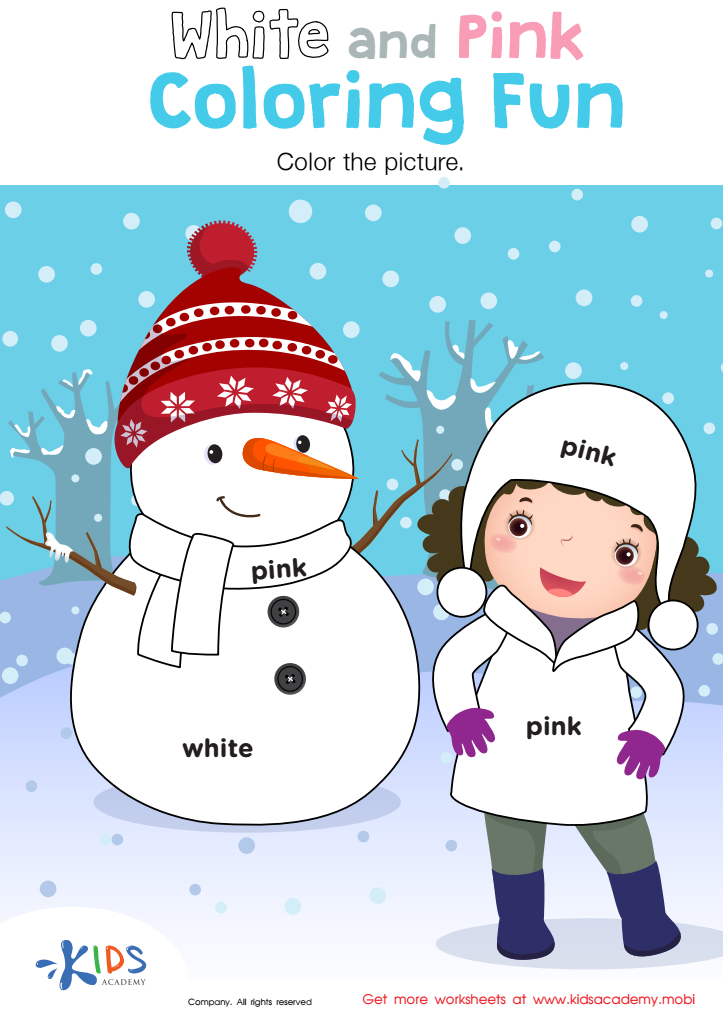
White and Pink Coloring Fun Worksheet
Assign to My Students




It's essential for parents and teachers to prioritize "Following Instructions in English" for children aged 6-7, as it's a foundational skill with ripple effects across various aspects of learning and daily life. At this delicate developmental stage, proficiently following instructions enhances literacy and language acquisition. By engaging with simple activities that require understanding and executing instructions, children learn new vocabulary, sentence structures, and concepts—boosting their comprehension skills and expanding their linguistic abilities.
Moreover, this skill builds cognitive abilities. It helps children to improve their focus, memory, and problem-solving skills, as they process instructions, retain key information, and sequence actions correctly. Mastering this art fosters independence and confidence, empowering children to tackle challenges methodically.
Socially and emotionally, following instructions cultivates respect for authority and societal norms. Through exercises like games, classroom tasks, and home chores, children comprehend the importance of listening attentively and responding appropriately—facilitating smoother interactions and better behavioral outcomes.
Overall, the ability to follow instructions seamlessly integrates with every learning activity, laying the groundwork for academic success, relational harmony, and personal growth. For this reason, scaffolding this skill from an early age is an investment in a child's future, promising multifaceted benefits as they navigate various stages of education and beyond.