Analyzing data Worksheets for Ages 6-7
5 filtered results
-
From - To
Boost your child's data analysis skills with our "Analyzing Data Worksheets for Ages 6-7." Designed to engage young minds, these colorful and interactive worksheets make learning fun and effective. Your child will explore basic concepts of data collection, sorting, and interpretation through playful exercises like pictograms, bar charts, and line graphs. Each worksheet is crafted to develop critical thinking, enhance problem-solving skills, and promote logical reasoning. Perfect for classroom supplements or additional practice at home, these resources are aligned with educational standards to ensure your child gains foundational mathematical skills in an enjoyable way. Explore our collection today!
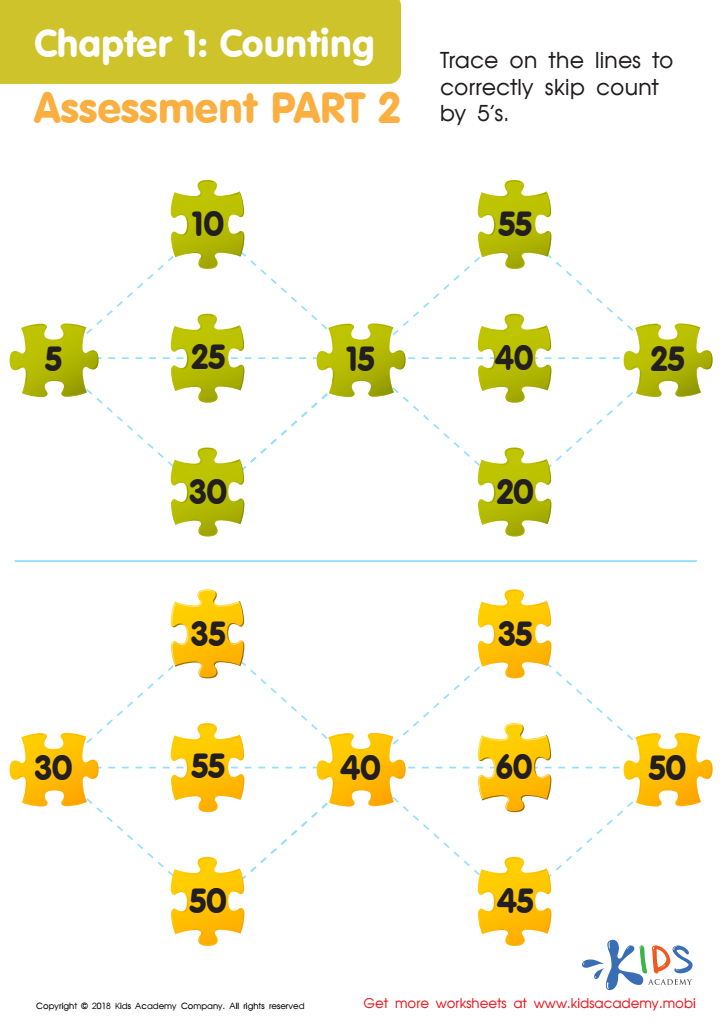
Counting: Assessment 2 Worksheet
 Assign to My Students
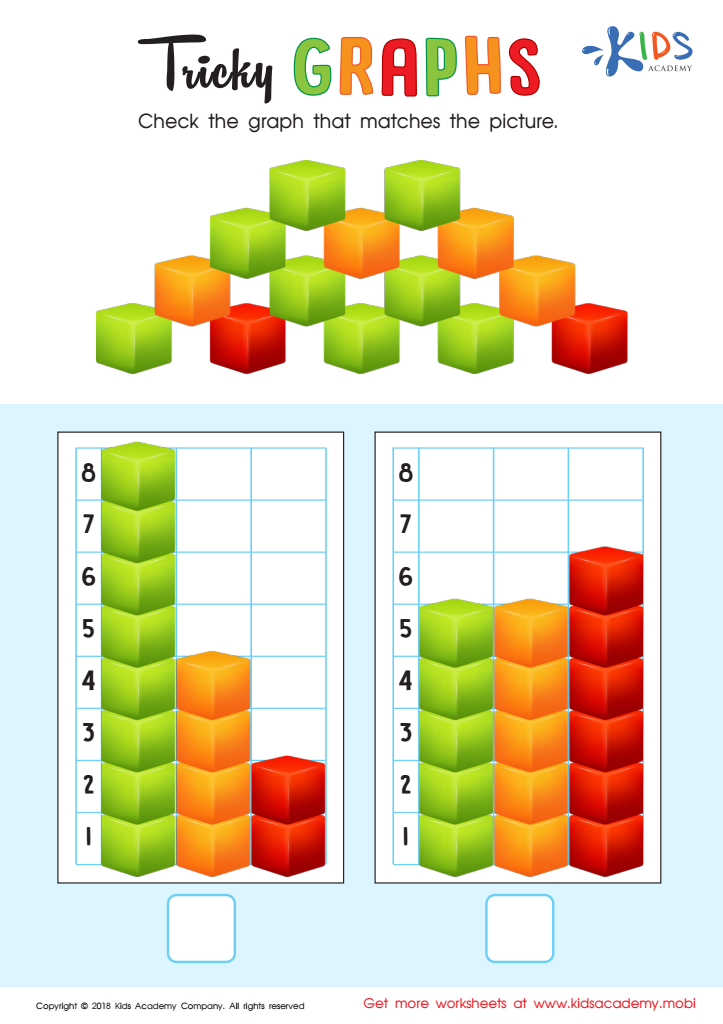
Tricky Graphs Worksheet
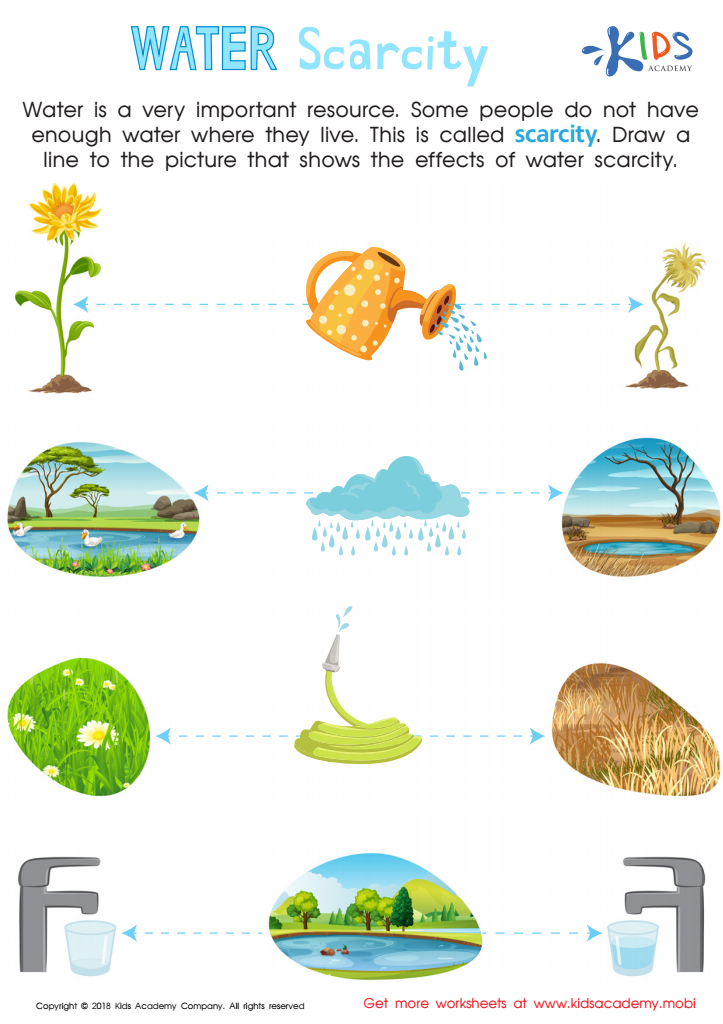
Water Scarcity Worksheet
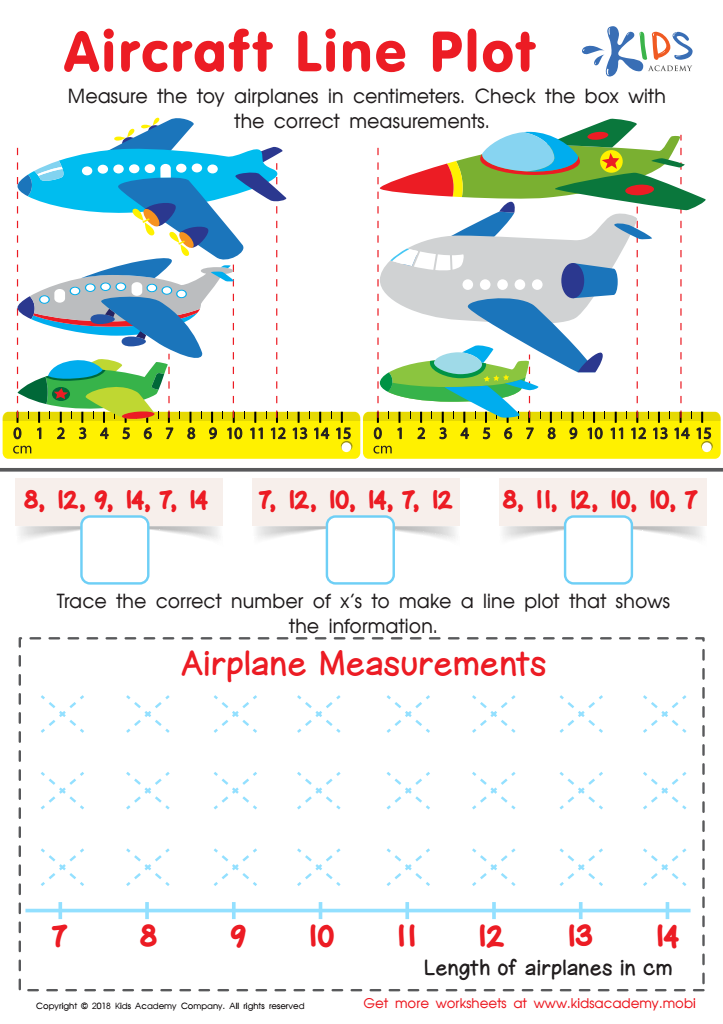
Aircraft Line Plot Worksheet







Analyzing data for children ages 6-7 is vital for parents and teachers as it not only enhances their educational journey but also aids in identifying developmental milestones and potential challenges. This age is pivotal for foundational learning, especially in areas such as literacy, numeracy, and social skills. By systematically collecting and analyzing data on children's performance, attendance, behavior, and participation, educators and parents can tailor educational approaches to meet the individual needs of each child.
Data-driven insights can highlight early signs of learning difficulties or giftedness, enabling timely intervention and support which is crucial for minimizing future struggles. For example, if a child consistently scores lower in reading comprehension, data can direct targeted support such as additional reading resources or programs. Alternatively, identifying a child excelling in certain areas can lead to opportunities for advanced learning programs to keep them engaged and challenged.
Moreover, analyzing data fosters better communication between parents and teachers. It provides a common ground for discussions, allowing them to work collaboratively towards the child’s growth. Having concrete data makes it easier to set realistic goals, track progress, and celebrate achievements, thereby ensuring a supportive and enriching learning environment tailored to each child’s needs.








