Animal recognition Worksheets for Ages 6-7 - Page 2
26 filtered results
-
From - To
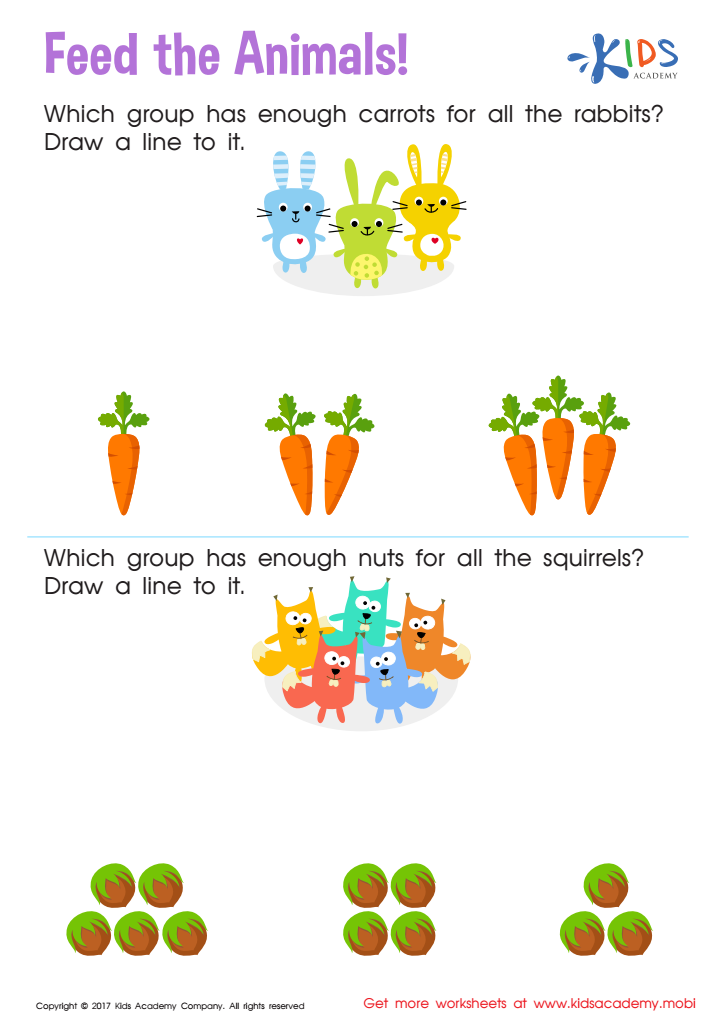
Count and Match: Feed the Animals Worksheet
 Assign to My Students
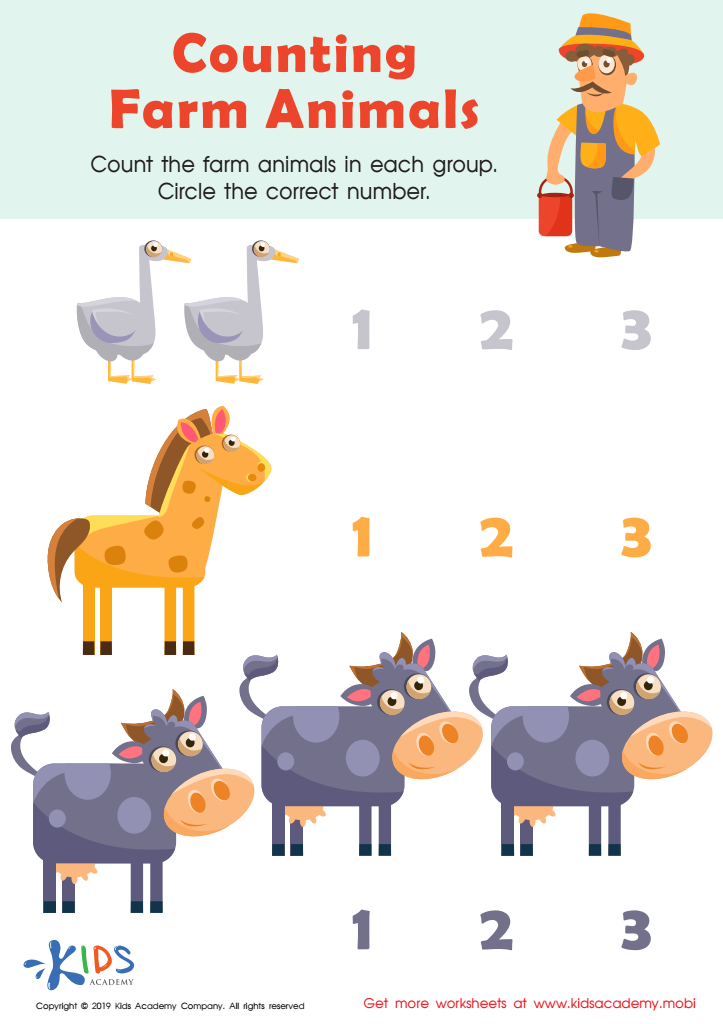
Counting Farm Animals Worksheet






Animal recognition is vital for children ages 6-7, as it enriches their learning and understanding of the world. At this developmental stage, children are naturally curious and eager to explore their environment. Teaching them to identify various animals fosters their observational skills and encourages mindfulness about nature. Recognizing animals can stimulate interest in biology and conservation, laying the groundwork for respect and empathy towards living beings.
Moreover, animal recognition supports cognitive development. It enhances vocabulary as children learn the names of different species, their habitats, and feeding habits. This knowledge can be integrated into other subjects, such as geography and science, promoting interdisciplinary learning. Furthermore, identifying animals can also facilitate social interaction. Activities centered around animal recognition often involve cooperative learning, where children can engage in discussions, share experiences, and work together to complete tasks.
For parents and teachers, fostering animal recognition is an excellent opportunity to bond with children. It can lead to outings in nature, trips to the zoo, or engaging in interactive educational resources. Ultimately, caring about animal recognition helps develop a child's critical thinking, nurtures their innate curiosity, and cultivates a lifelong appreciation for the diversity of life on our planet.








