Answering questions Worksheets for Ages 6-7
3 filtered results
-
From - To
Enhance your child’s critical thinking with our "Answering Questions Worksheets" designed for ages 6-7. These engaging printables help young learners develop essential comprehension skills by encouraging them to respond to questions based on various texts and illustrations. By practicing with these worksheets, kids will improve their ability to articulate thoughts, make inferences, and understand different contexts, all while enjoying fun and interactive exercises. Perfect for homeschoolers or as supplementary material for classroom activities, our worksheets foster a love for learning and boost confidence. Explore our collection today and watch your child's analytical skills soar!
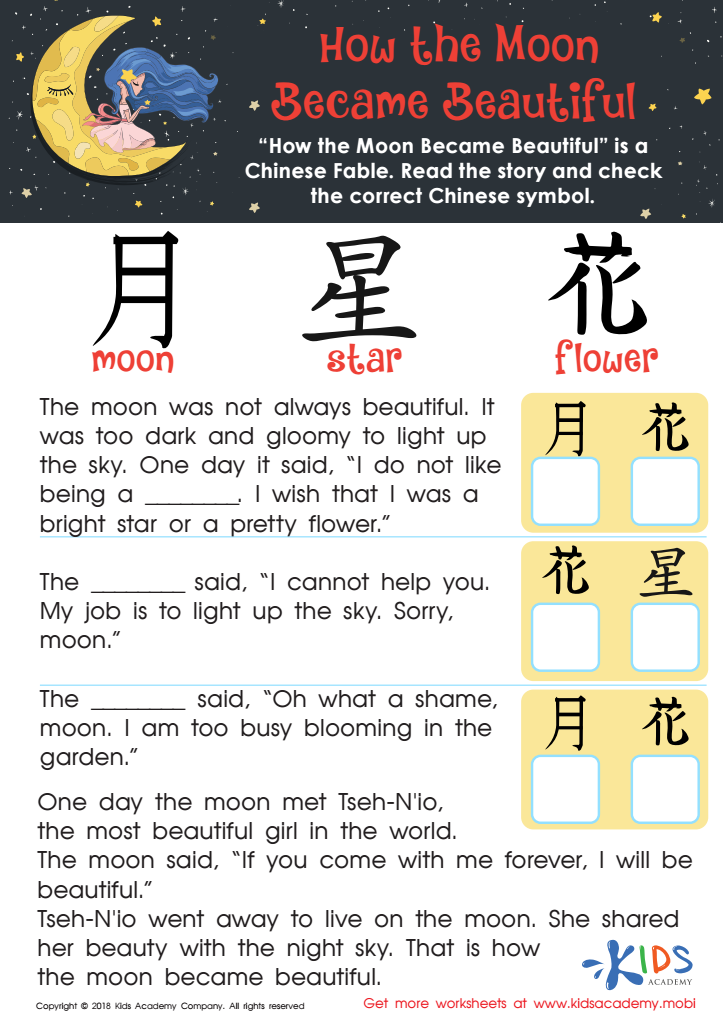
How the Moon Became Beautiful Worksheet
 Assign to My Students
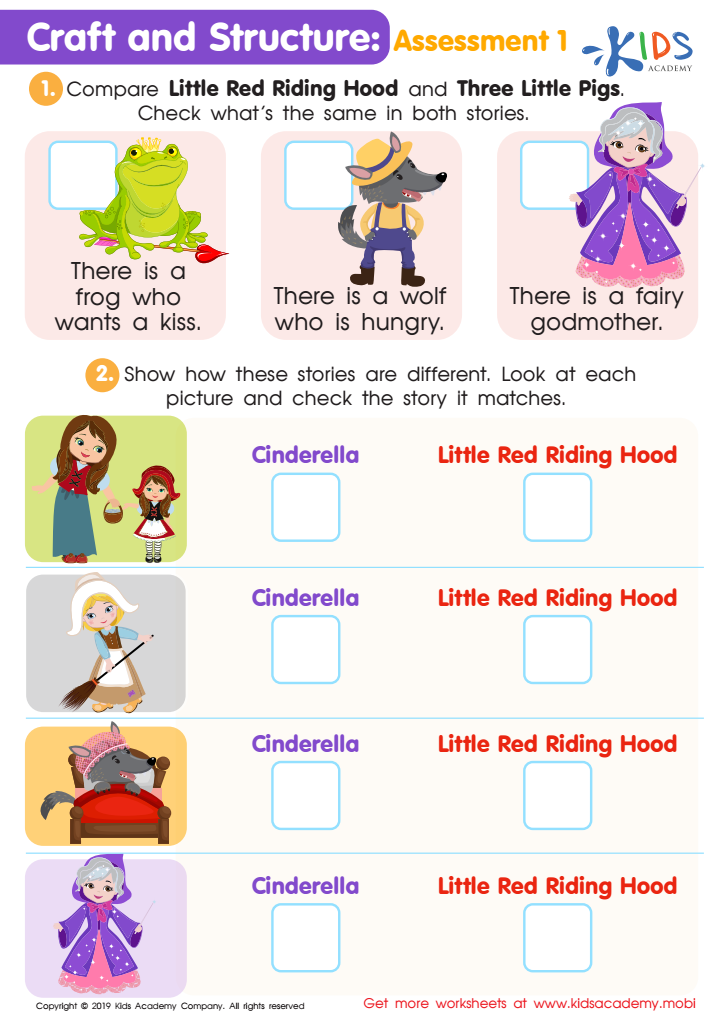
Craft and Structure: Assessment 1 Worksheet





.jpg)


Parents and teachers should care about answering questions from children aged 6-7 because this stage marks a crucial period in cognitive and emotional development. Children are naturally curious, seeking knowledge and understanding about the world around them. Responding thoughtfully to their inquiries fosters a positive learning environment and enhances critical thinking skills.
When adults take the time to answer questions, it communicates to children that their thoughts and curiosities are valued, boosting their self-esteem and encouraging further exploration. This engagement nurtures an inquisitive mindset, instilling a love for learning that can last a lifetime.
Additionally, answering questions can help build language skills as children articulate their thoughts and understand new concepts. It strengthens the bond between adults and children, fostering trust and healthy communication.
Finally, discussing various topics and perspectives helps children form their own opinions and develop social skills, crucial for their interactions with peers. Educators and parents play an integral role in shaping a child's comprehension and worldview; hence, actively participating in this learning dialogue is vital for their overall development. In this way, nurturing curiosity not only enhances academic success but also prepares children for future challenges.








