
Counting objects Worksheets for Ages 6-7
12 filtered results
Difficulty Level
Grade
Age
-
From - To
Subject
Activity
Standards
Discover our engaging Counting Objects Worksheets designed specifically for children ages 6-7! These educational resources help young learners enhance their counting skills by identifying and counting a variety of everyday objects. Perfect for home or classroom use, our printable worksheets combine fun visuals with practical counting exercises that promote early math skills and number recognition. From fruits to animals, each worksheet provides opportunities for children to practice counting, coloring, and writing numbers. Encourage your child’s numerical literacy and boost their confidence in math with our interactive and enjoyable counting materials. Start their counting adventure today!
Favorites
With answer key
Interactive
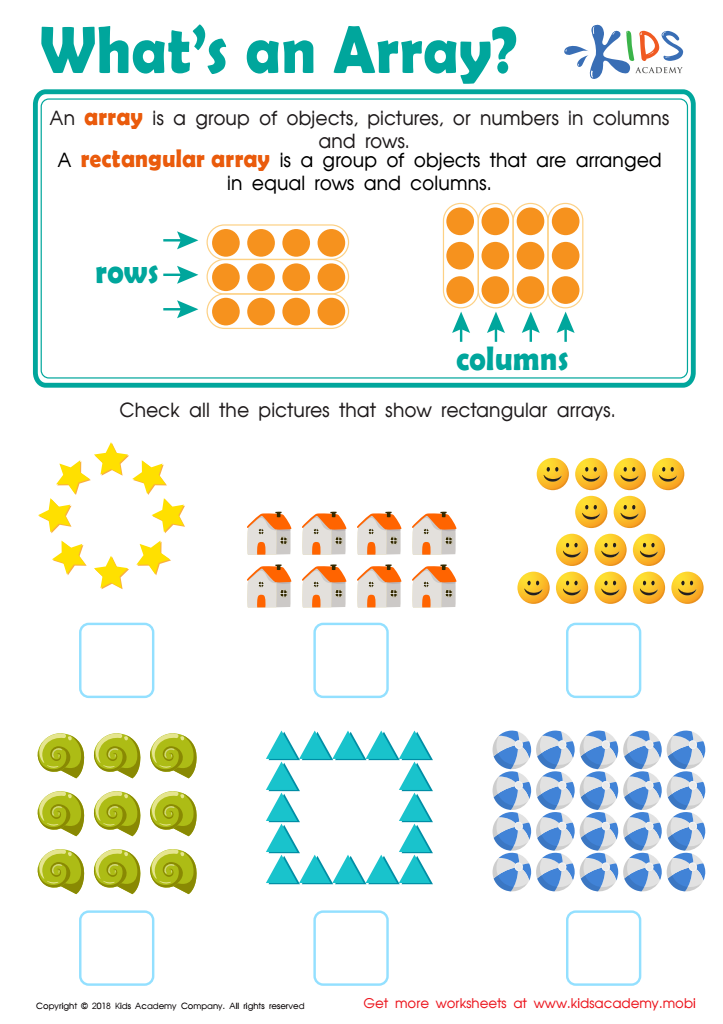
What's an Array? Worksheet
Explain to your child that an array is a group of objects, pictures, or numbers in columns and rows. Show them a rectangular array is a group of objects in equal rows and columns. Guide them to check the pictures in the worksheet to spot any rectangular arrays. Help them remember this concept.
 Assign to My Students
What's an Array? Worksheet
Worksheet
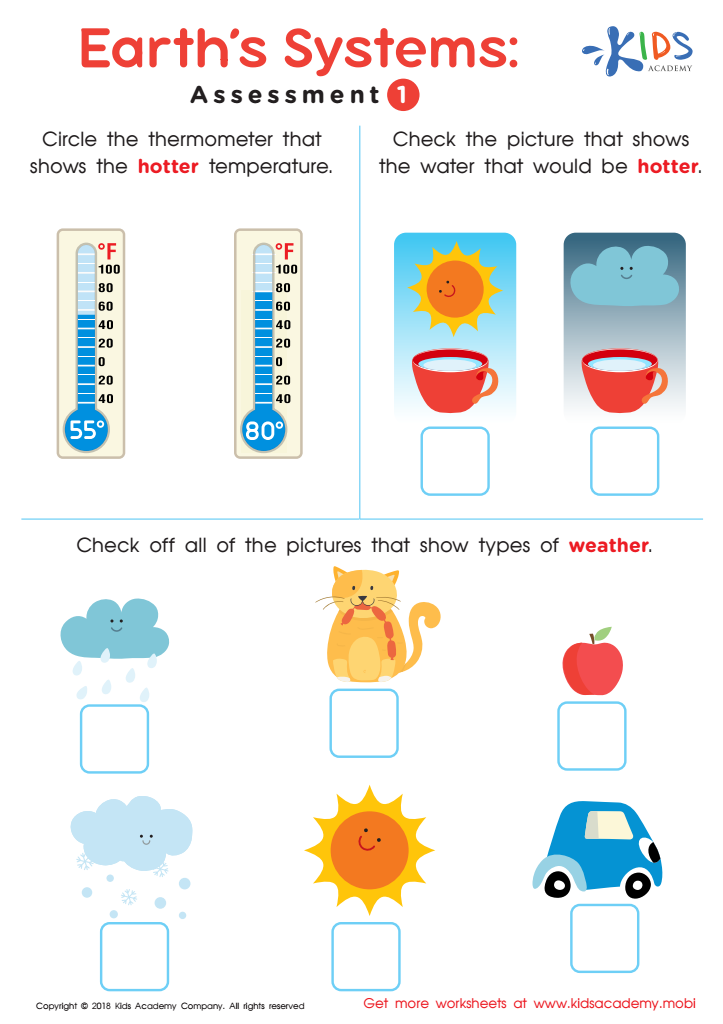
Earth's Systems: Assessment 1
Check your child's knowledge of weather basics with this quick printable worksheet! Using colorful pictures, instruct them to determine which thermometer shows a hotter reading and if water would be warmer in the sun or under clouds. Encourage kids to identify types of weather on the bottom of the page. Assess their readiness to move on!
Earth's Systems: Assessment 1
Worksheet
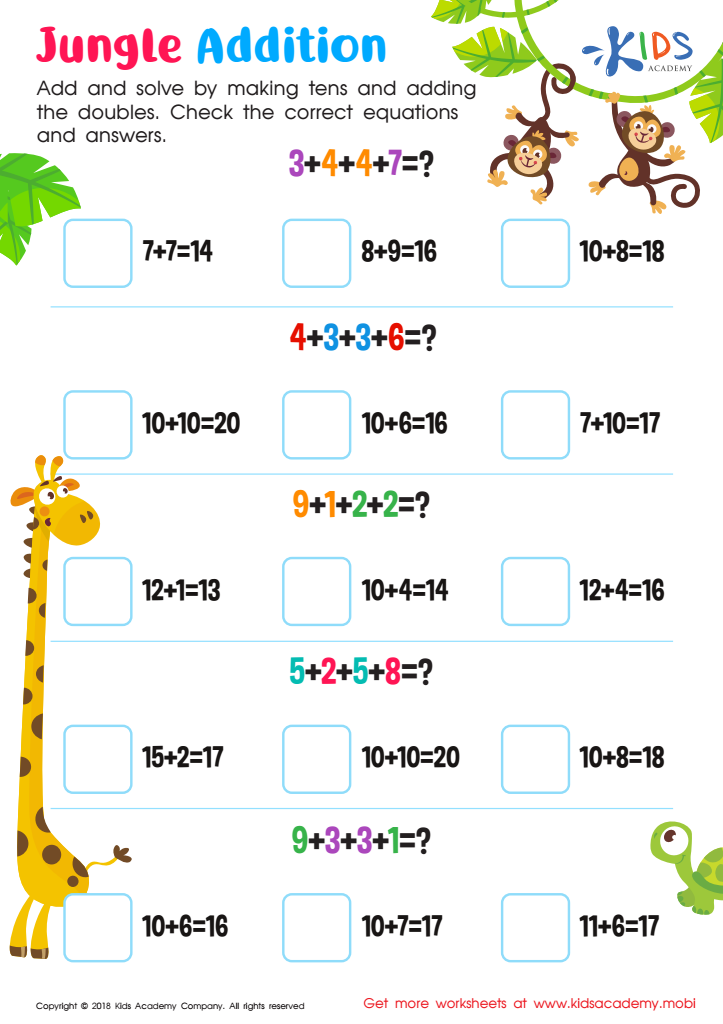
Jungle Addition Worksheet
With this worksheet, kids can use the strategies of making tens and adding doubles to add numbers with more than three addends. They'll practice choosing the right method and become more confident in their calculations, enabling quicker, more efficient computation.
Jungle Addition Worksheet
Worksheet
Join Kids Academy for Free
Who is primarily going to use this learning content?



.jpg)


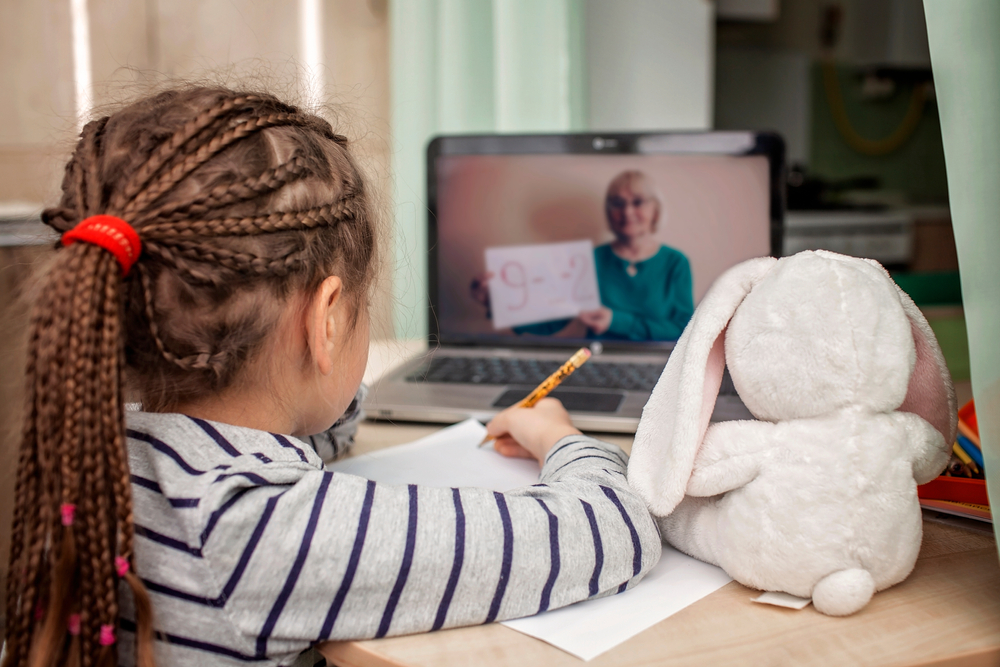
Counting objects is a fundamental skill for children aged 6-7 that lays the groundwork for mathematical understanding and cognitive development. At this age, children are transitioning from learning to count to understanding the principles of number relationships and basic arithmetic operations. Engaging in counting activities helps strengthen their number sense, enabling them to recognize patterns, compare quantities, and develop problem-solving skills.
Parents and teachers should prioritize counting because it fosters logical thinking and boosts children's confidence in handling numbers. When children count objects—like blocks or toys—they visualize quantities, which enhances their ability to grasp more complex mathematical concepts later on. Additionally, counting in real-life scenarios, such as during shopping or cooking, helps children make connections between mathematics and their everyday lives, making learning relevant and enjoyable.
Furthermore, counting promotes fine motor skills through the manipulation of objects, and encourages language development as children learn to articulate number names and concepts. By staying engaged with counting, parents and teachers not only support academic growth but also nurture a positive attitude towards mathematics, setting the stage for lifelong learning and curiosity in STEM subjects. Cultivating these skills early can lead to greater academic success in the future.








