Critical thinking skills Worksheets for Ages 6-7 - Page 2
28 filtered results
-
From - To
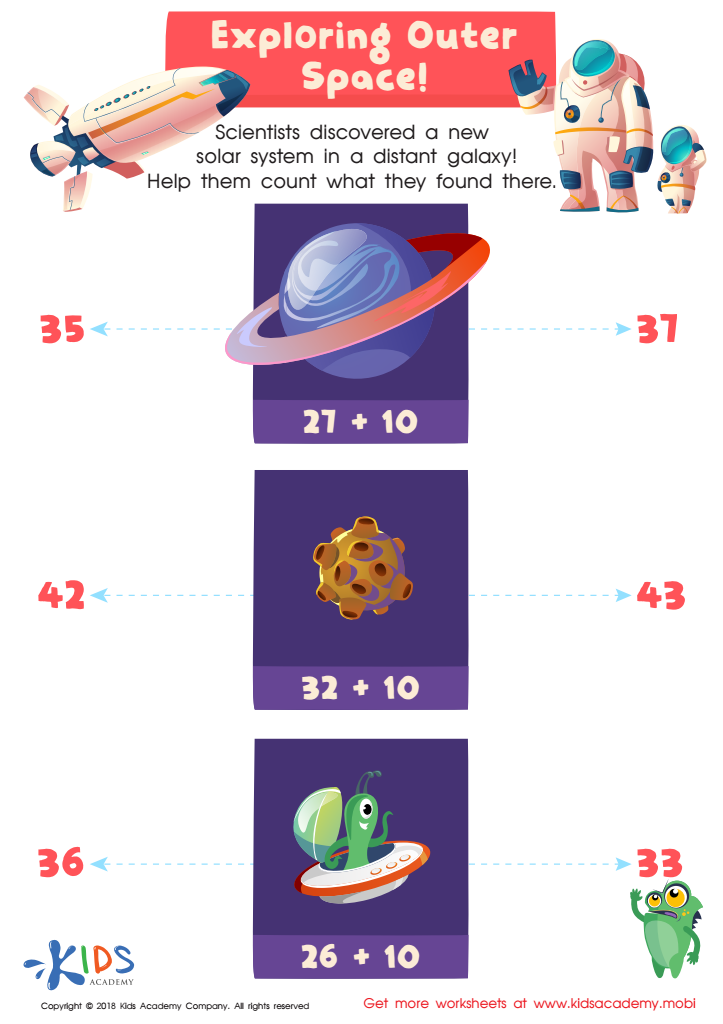
Exploring Outer Space Worksheet
 Assign to My Students
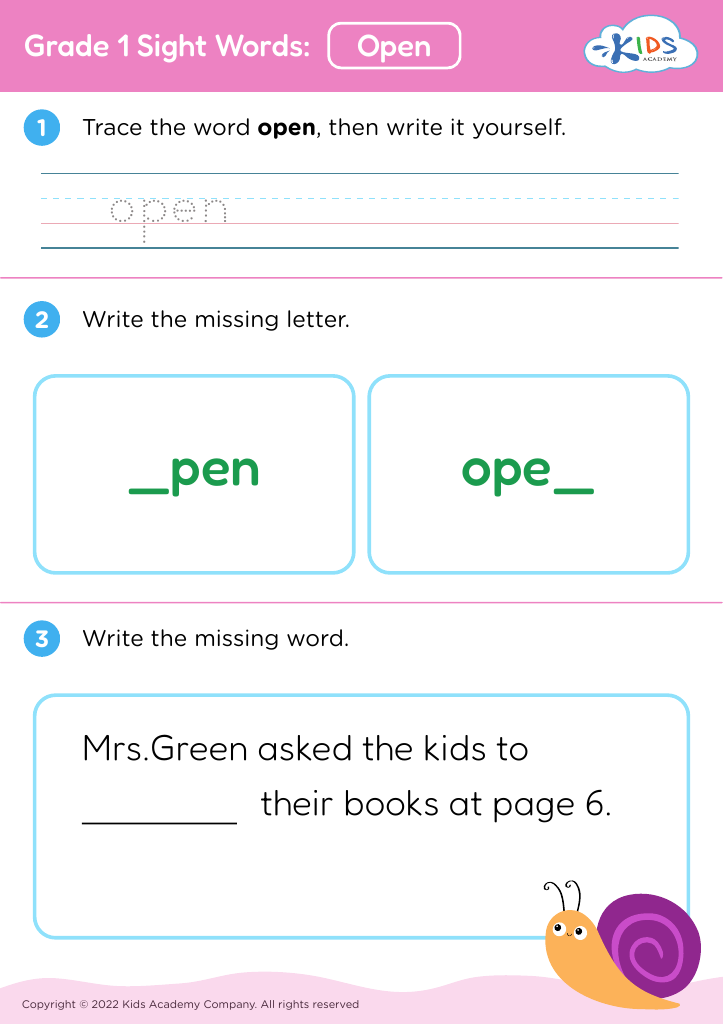
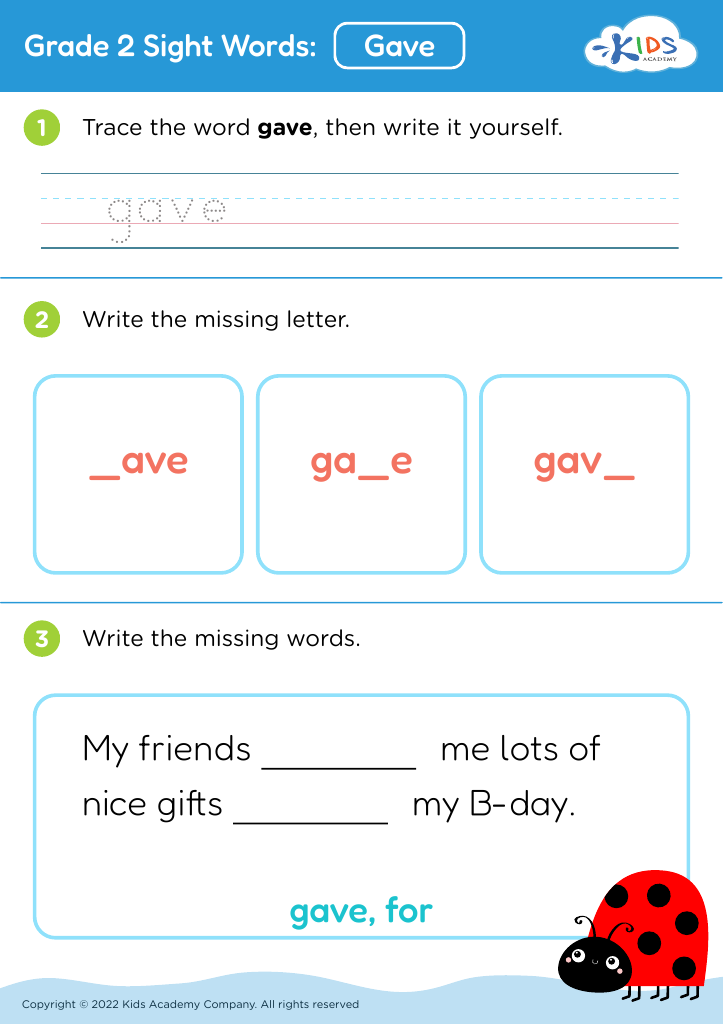
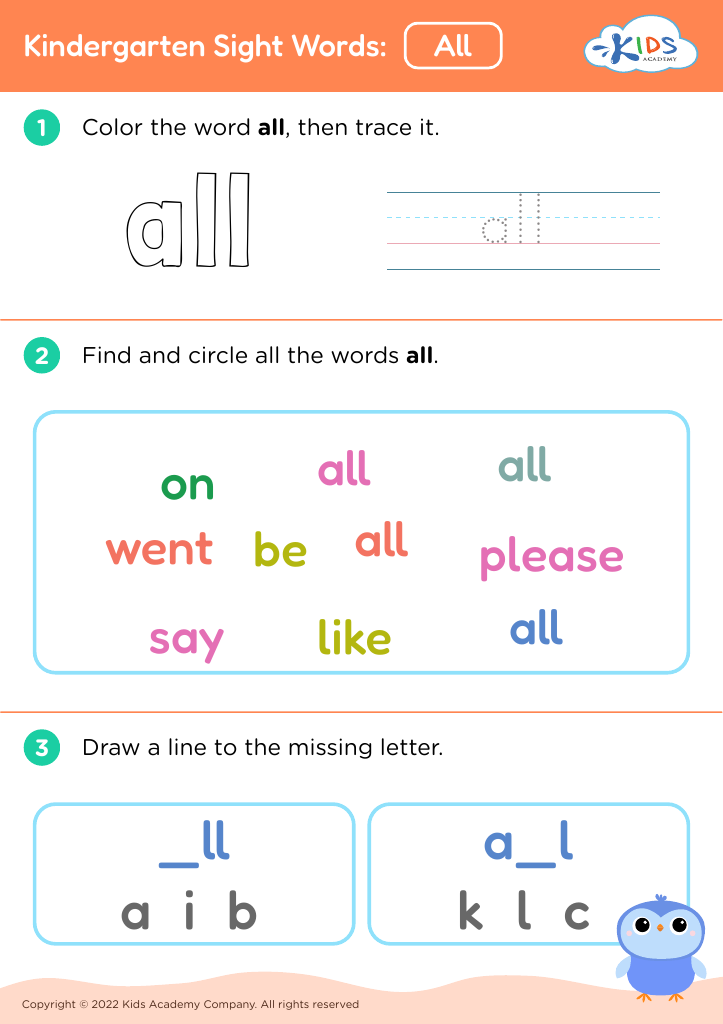







Critical thinking skills are essential for children aged 6-7 as they form the foundation for lifelong learning and problem-solving capabilities. At this developmental stage, children are becoming more independent thinkers and are capable of questioning the world around them. Encouraging critical thinking helps them analyze situations, make informed decisions, and develop healthy skepticism regarding information and opinions they encounter.
By fostering critical thinking, parents and teachers empower students to engage in deeper learning rather than rote memorization. It promotes curiosity, encourages them to ask questions, and pushes them to explore different viewpoints—skills crucial in the diverse society they’ll navigate as they grow.
Additionally, these skills aid in emotional development, teaching children to evaluate their feelings and understand the perspectives of others. This can lead to better social interactions and conflict resolution abilities, contributing to a positive classroom and home atmosphere.
Moreover, integrating critical thinking into everyday learning cultivates creativity and innovation, making children more adaptable in an ever-changing world. For parents and teachers invested in a child's future success, nurturing critical thinking skills is essential for fostering confident, competent, and socially aware young learners.








