Cultural Understanding Worksheets for Ages 6-7
3 filtered results
-
From - To
Explore our engaging Cultural Understanding Worksheets designed for children ages 6-7! These thoughtfully crafted resources promote awareness and appreciation of diverse cultures, helping young learners develop empathy and respect for others. Each worksheet features fun activities, such as coloring, matching, and drawing, that introduce various cultural traditions, customs, and celebrations from around the world. By integrating cultural understanding into early learning, we aim to empower children with the knowledge and skills necessary for meaningful intercultural interactions. Perfect for classrooms or at-home learning, these worksheets foster curiosity and open-mindedness in young minds. Start nurturing global citizens today with our dynamic resources!
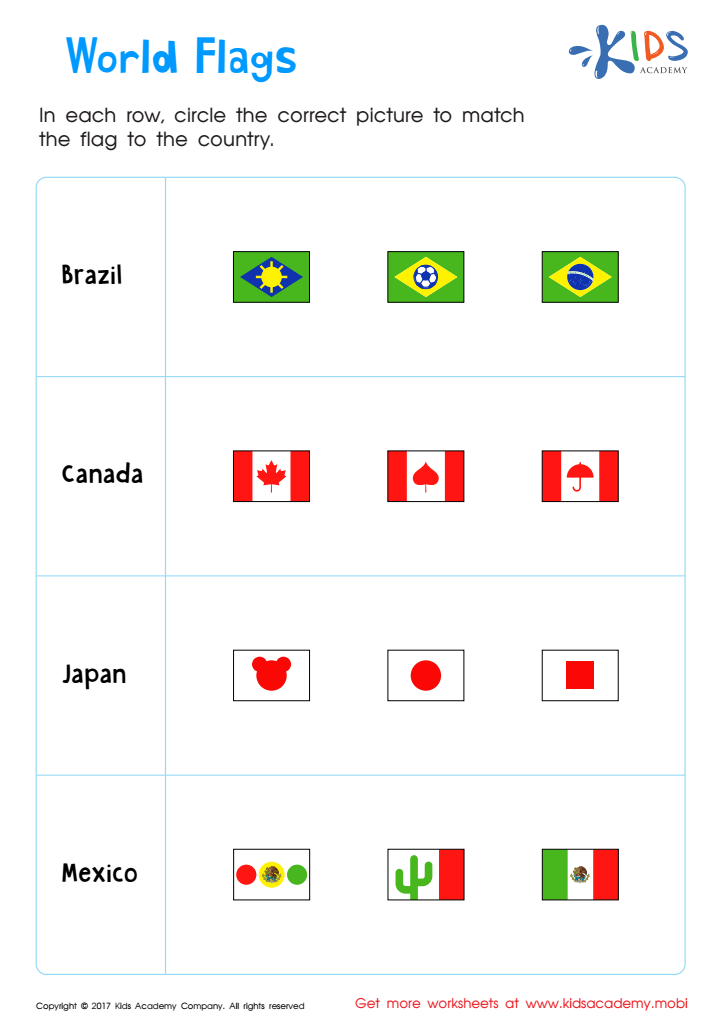
World Flags Printable
 Assign to My Students
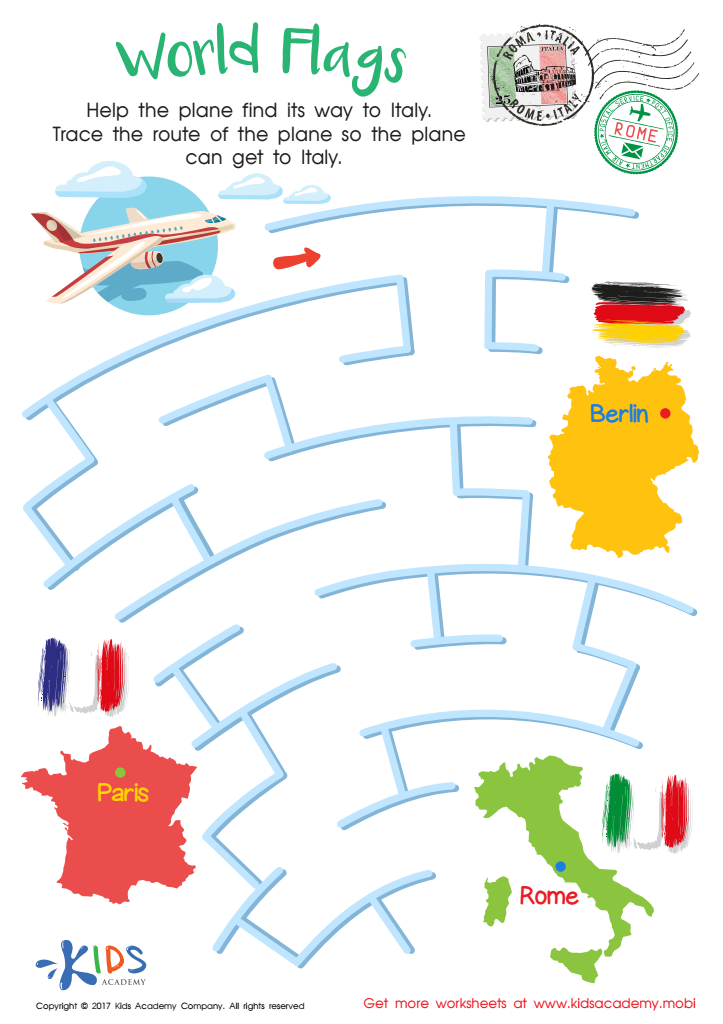
World Flags Maze Worksheet








Cultural understanding is essential for children aged 6-7, as it lays the foundation for empathy, respect, and inclusivity. During these formative years, children are naturally curious and eager to explore the world around them. By introducing them to diverse cultures, parents and teachers can enrich their understanding of different traditions, languages, and lifestyles, helping to build a broader worldview.
Cultural understanding fosters respect for differences, reducing biases and stereotypes. This is crucial in a multicultural society where children interact with peers from various backgrounds. When kids learn about varied cultural practices, they become more accepting, which promotes a harmonious environment in classrooms and communities.
Additionally, understanding cultural differences enhances children's social skills, making them better collaborators in group settings. It equips them with the ability to communicate effectively with individuals who have diverse perspectives, a vital skill for their future.
Moreover, exposure to different cultures can spark creativity and critical thinking. Engaging with diverse stories, art, and activities inspires imagination and helps develop cognitive skills.
Ultimately, nurturing cultural understanding in young children prepares them to be compassionate, open-minded, and informed global citizens, traits that are increasingly valuable in today's interconnected world.








