
Developing problem-solving abilities Worksheets for Ages 6-7
6 filtered results
Difficulty Level
Grade
Age
-
From - To
Subject
Activity
Standards
Enhance your child’s critical thinking skills with our engaging problem-solving worksheets designed for ages 6-7. These thoughtfully crafted activities encourage young learners to apply reasoning and creativity in various scenarios, helping them tackle challenges confidently. Our worksheets cover diverse topics, from puzzles to logic games, ensuring that children stay motivated while building essential problem-solving abilities. Each resource is aligned with educational standards, making it easy to incorporate into daily learning routines. Unlock your child's potential and foster a lifelong love for learning with our fun and interactive worksheets today! Perfect for parents, teachers, and caregivers looking to enrich their child's development.
Favorites
With answer key
Interactive
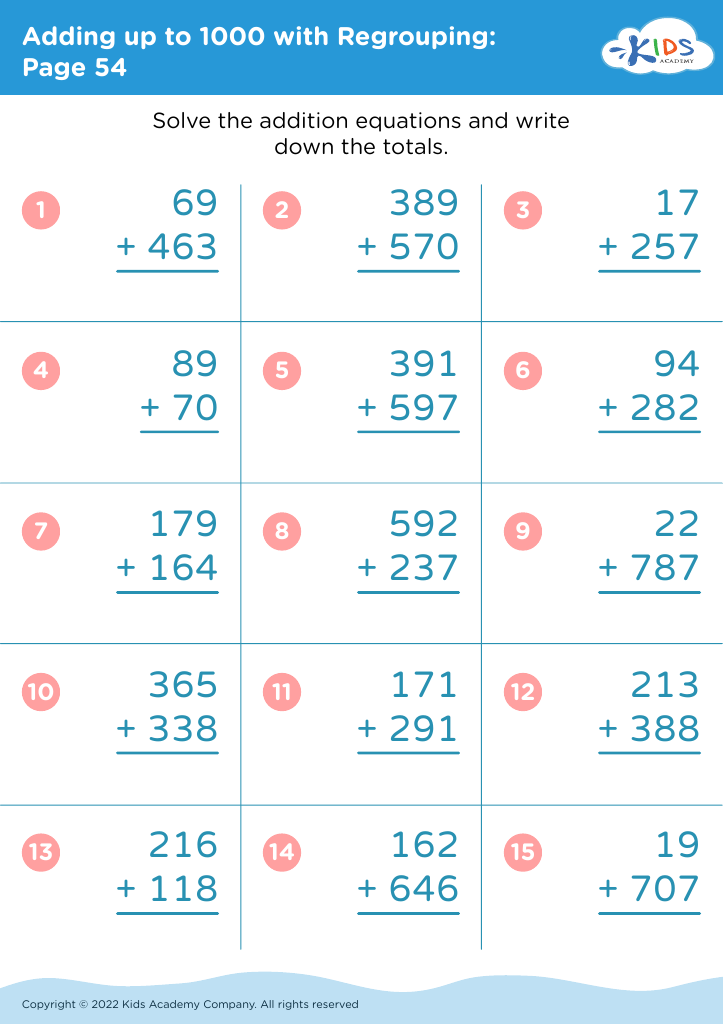
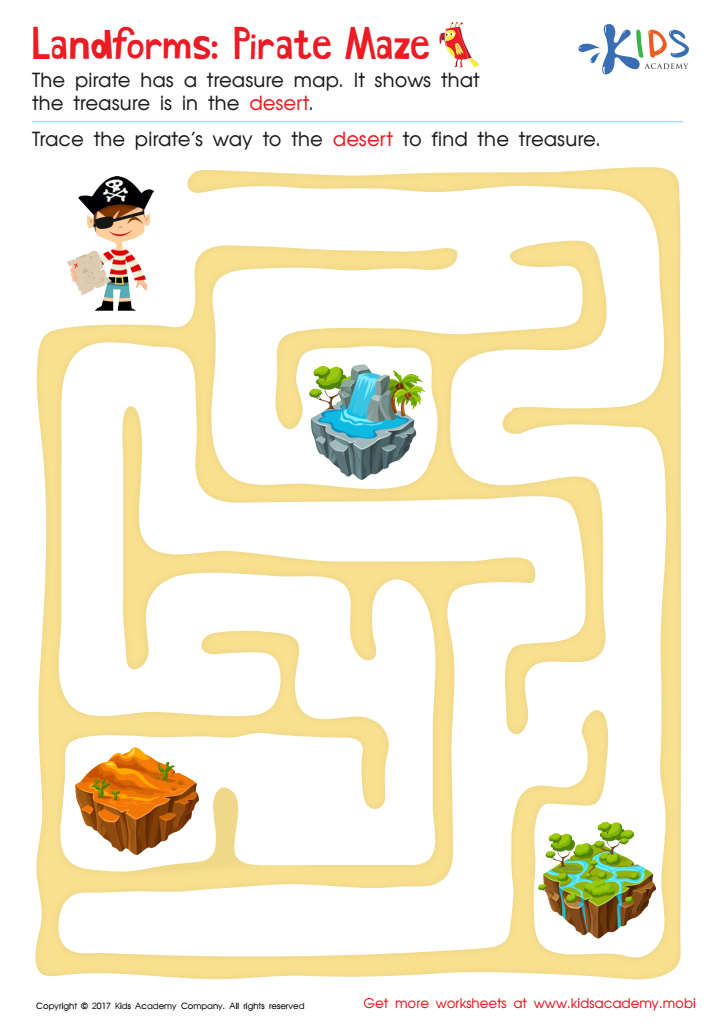
Landforms: Pirate Maze Printable
Help your pirate reach the hidden treasure. Worksheet included.
Join the swashbuckling pirate's quest for hidden treasure! Your child will identify desert landforms in this tricky maze, learning about different types of landforms in the process. Worksheet included. Let's get that treasure!
 Assign to My Students
Landforms: Pirate Maze Printable
Worksheet
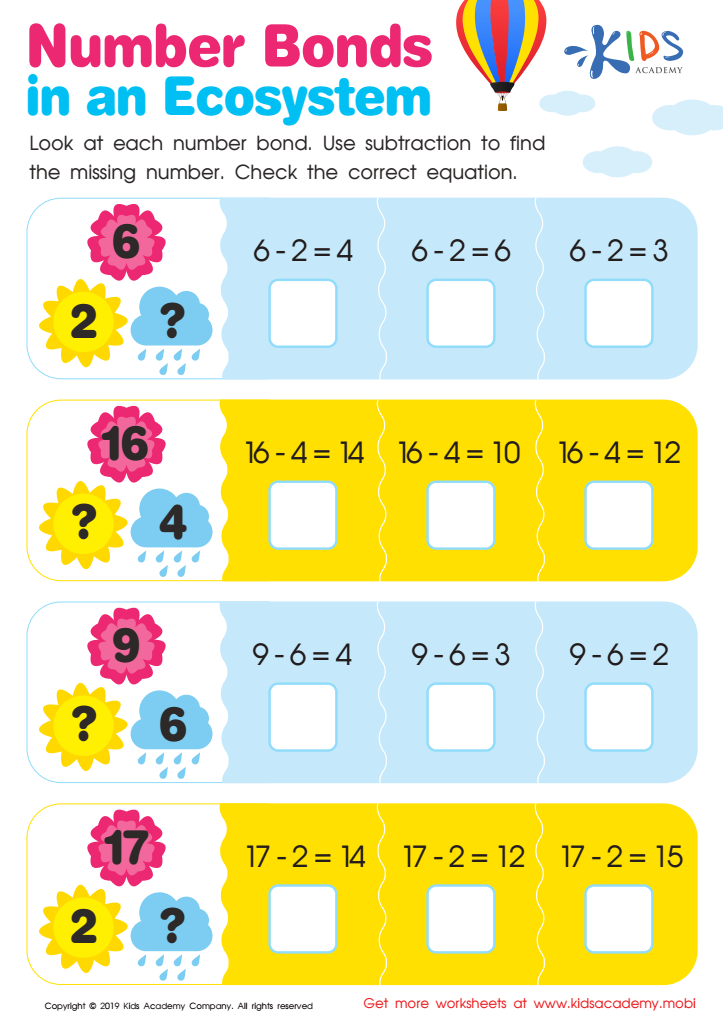
Number Bonds in an Ecosystem Worksheet
This worksheet is a great tool to help your kids sharpen their maths skills. Use the colourful images to teach them how to subtract the missing numbers and check the equation. Show them the four different images and let them try solving each number bond. With your guidance, they'll be able to hone their maths skills in no time!
Number Bonds in an Ecosystem Worksheet
Worksheet
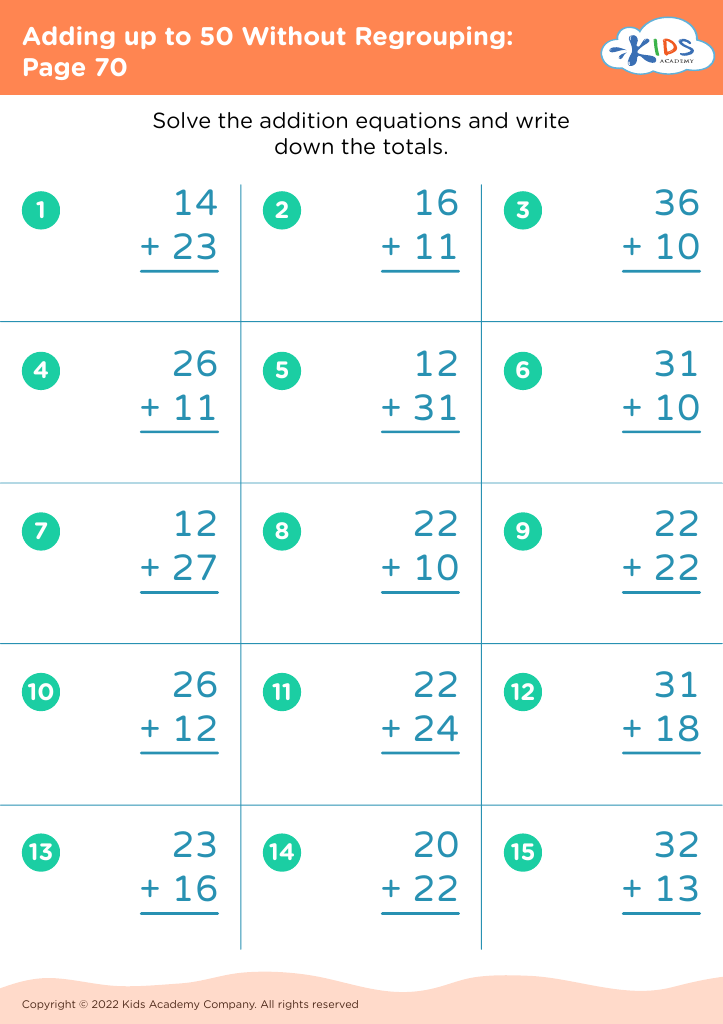
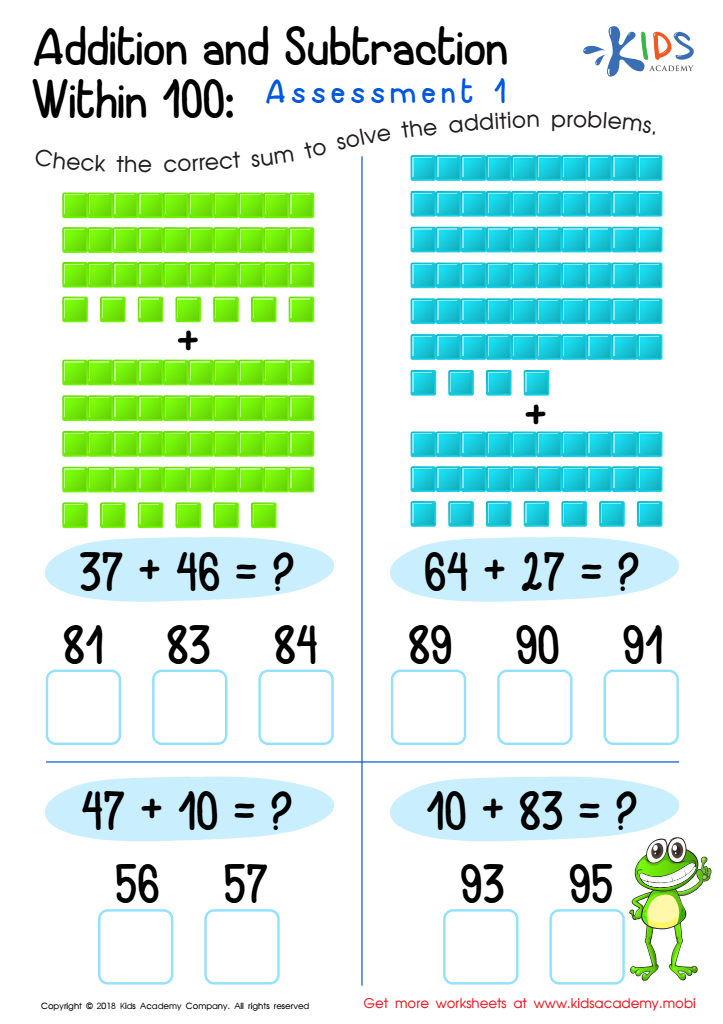
Addition and Subtraction Within 1: Assessment 1 Worksheet
Help your kids develop their math skills with this worksheet! Addition and subtraction can be daunting for young learners, but you can make it easier for them with this pdf. Use it to check the correct sum and help them solve the addition problems. This is a great way to get them ready to be future great mathematicians.
Addition and Subtraction Within 1: Assessment 1 Worksheet
Worksheet
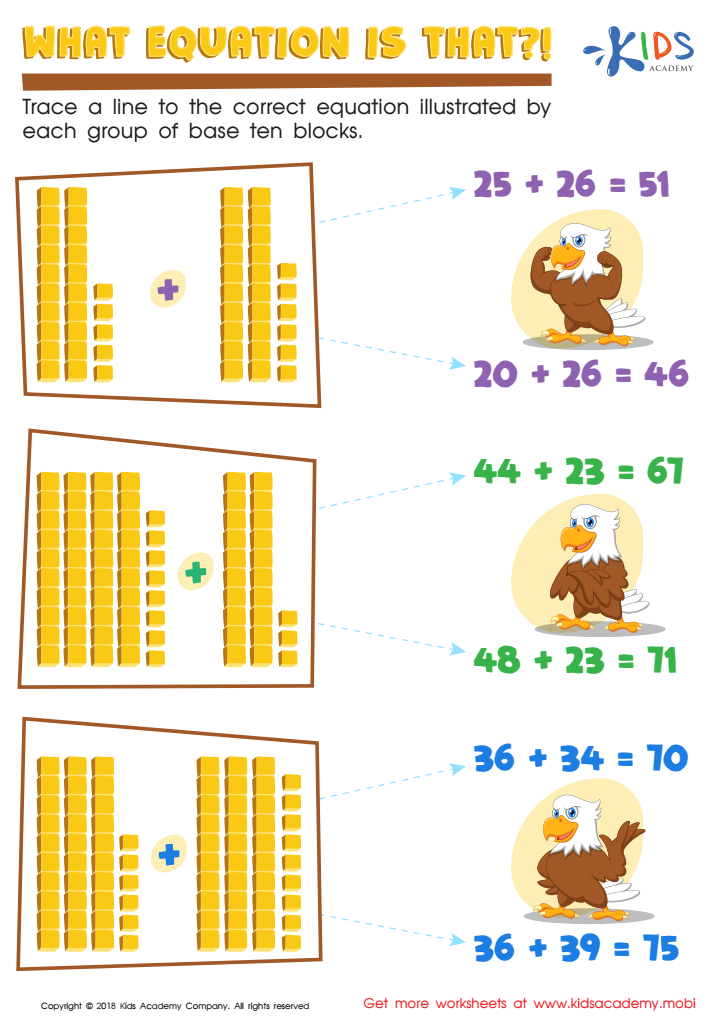
What Equation Is That? Worksheet
Have your students practice counting with base ten blocks. This will help them with math struggles. Homework and worksheets will help them improve; ask them to trace lines to the correct equation on a tracing sheet. Guide them as they count the blocks and trace the lines.
What Equation Is That? Worksheet
Worksheet
Join Kids Academy for Free
Who is primarily going to use this learning content?








Developing problem-solving abilities in children aged 6-7 is crucial for their overall growth and academic success. At this age, children are naturally curious and eager to explore their surroundings. Encouraging problem-solving skills nurtures this curiosity and empowers them to think critically and independently. These skills not only enhance cognitive development but also foster emotional resilience, as children learn to navigate challenges and overcome obstacles.
Parents and teachers play a vital role in this development by providing a supportive environment that encourages exploration and experimentation. Activities such as puzzles, games, and hands-on projects can spark creativity and critical thinking, helping children learn to analyze situations, think logically, and make decisions.
Moreover, strong problem-solving abilities promote collaboration and communication skills. Engaging in group activities or discussions allows children to express their ideas and listen to others, strengthening their interpersonal relationships. These foundational skills not only set the stage for academic achievement but also prepare children for future challenges in life. Ultimately, by prioritizing problem-solving abilities, parents and teachers equip children with the tools they need to become adaptable, confident, and successful individuals in an ever-changing world.








