Enhance motor skills Worksheets for Ages 6-7
3 filtered results
-
From - To
Enhance your child's motor skills with our engaging worksheets designed specifically for ages 6-7. These creative resources focus on improving hand-eye coordination, fine motor skills, and overall dexterity through exciting activities like drawing, cutting, and coloring. Our fun, interactive exercises cater to diverse learning styles, making skills development enjoyable and effective. Whether at home or in the classroom, these worksheets will inspire creativity while fostering essential motor abilities that lay the foundation for academic success. Explore our collection today and watch your child's confidence and coordination flourish through playful learning! Ready to unlock your child's potential? Start today!
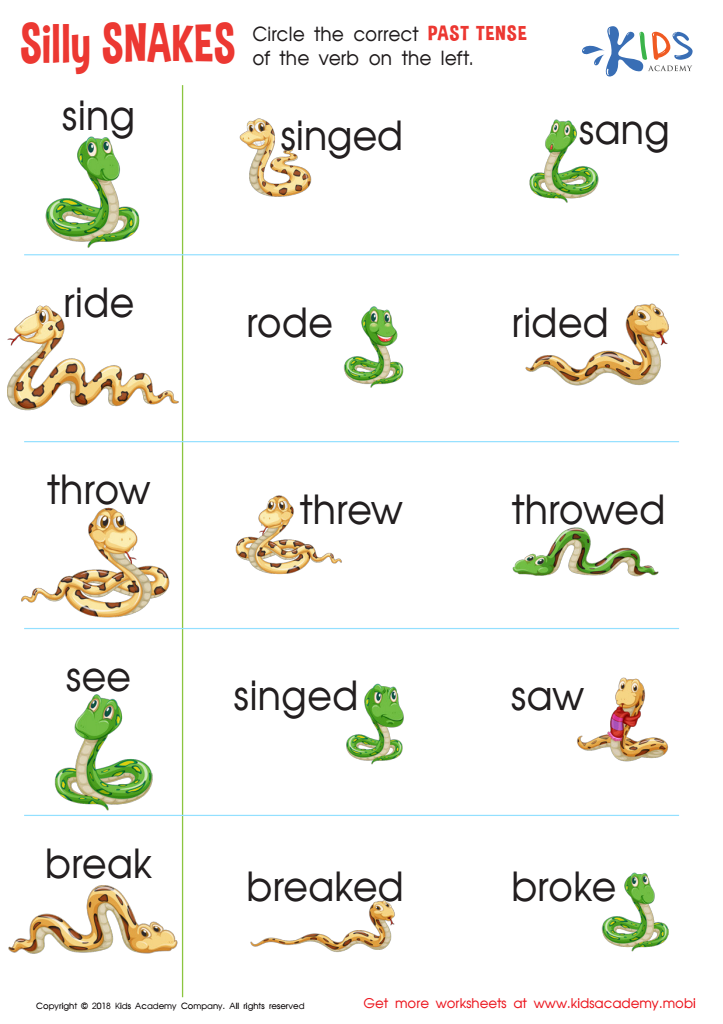
Silly Snakes Worksheet
 Assign to My Students

Smart Capturing Worksheet






.jpg)

Enhancing motor skills in children aged 6-7 is crucial for their overall development and learning. During this stage, children refine their fine and gross motor skills, which are essential for everyday activities and play. Parents and teachers should care about this because improved motor skills positively impact academic performance. Tasks such as writing, drawing, and using scissors require fine motor coordination, which is critical for success in the classroom.
Additionally, enhanced motor skills foster independence in children, allowing them to engage in activities with confidence and ease. Physical play, which involves gross motor skills, is fundamental for social interaction and teamwork, supporting emotional and social development. It helps children learn important concepts like sharing, taking turns, and cooperative play.
Furthermore, developing strong motor skills at this age contributes to healthier lifestyles. Children who have a robust foundation in physical activity are more likely to participate in sports and outdoor play, combating issues like obesity and sedentary behavior.
In summary, prioritizing the enhancement of motor skills in early education is vital, as it influences academic success, social interaction, independence, and long-term health—benefits that help set the stage for a well-rounded future.








