
Enhancing analytical thinking Worksheets for Ages 6-7
4 filtered results
Difficulty Level
Grade
Age
-
From - To
Subject
Activity
Standards
Discover our "Enhancing Analytical Thinking Worksheets for Ages 6-7," designed to ignite young minds and boost cognitive development. These engaging activities nurture critical thinking skills, problem-solving, and logical reasoning in a fun, interactive way. Tailored for early learners, our worksheets include puzzles, patterns, story sequencing, and categorization tasks that keep kids motivated and curious. Perfect for both classroom sessions and at-home practice, these worksheets foster a lifelong love for learning. Help your child excel and build a strong foundation in analytical thinking skills today with our expertly crafted resources. Explore now to turn learning into an exciting adventure!
Favorites
With answer key
Interactive
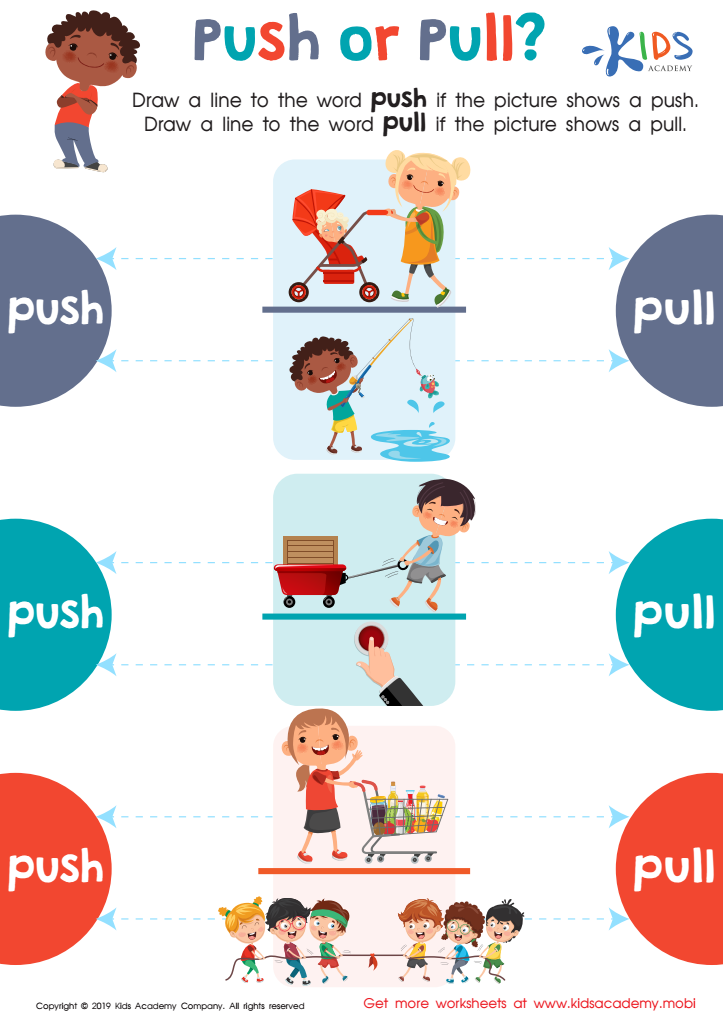
Push or Pull? Worksheet
Young kids may struggle to differentiate push and pull. When they start writing, they may use them interchangeably and wrongly. This worksheet clarifies the concepts: pushing means moving something away, pulling means bringing something closer. It provides pictures and traceable lines for kids to connect each image to the correct word. This helps them understand and remember the difference for future writing and reading.
 Assign to My Students
Push or Pull? Worksheet
Worksheet
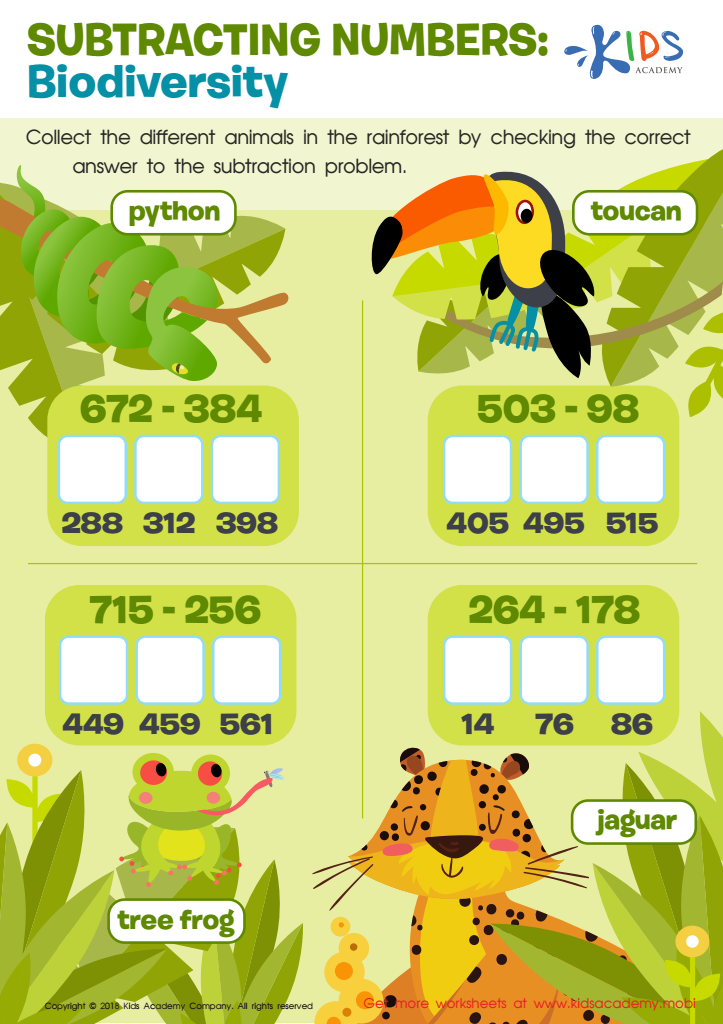
Subtracting Numbers: Biodiversity Worksheet
Engage students in simple tasks to make subtraction enjoyable and easier to understand. Use worksheets with colorful print and enjoyable concepts. Ask students to identify the animals and read their names. Check the correct answer to the subtraction problem to help them collect the animals in the rainforest.
Subtracting Numbers: Biodiversity Worksheet
Worksheet
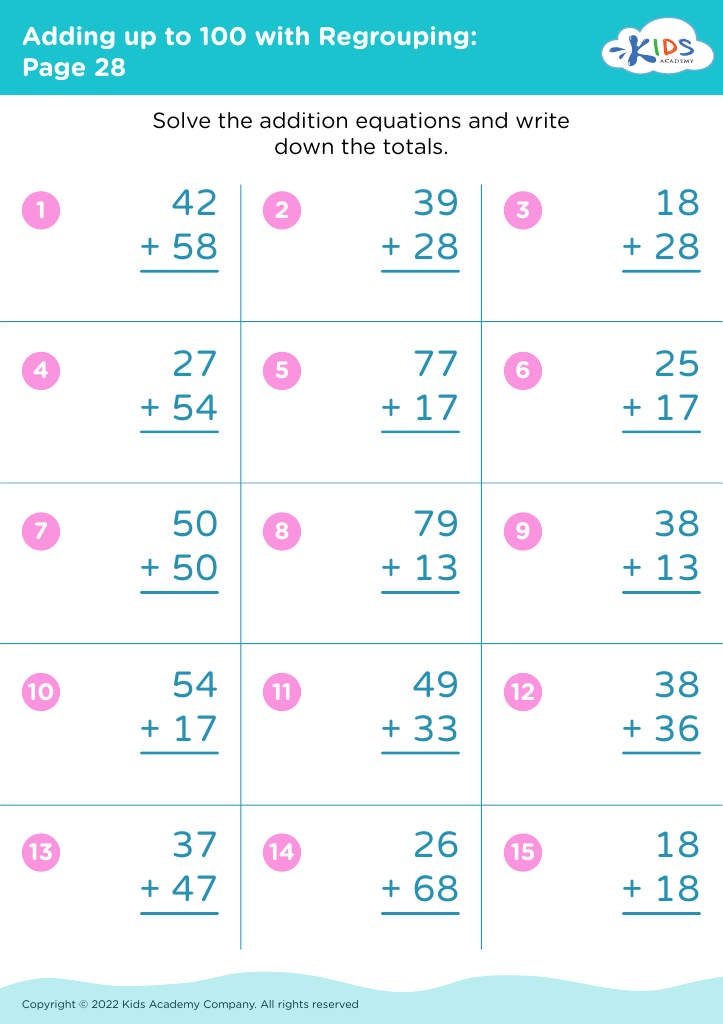
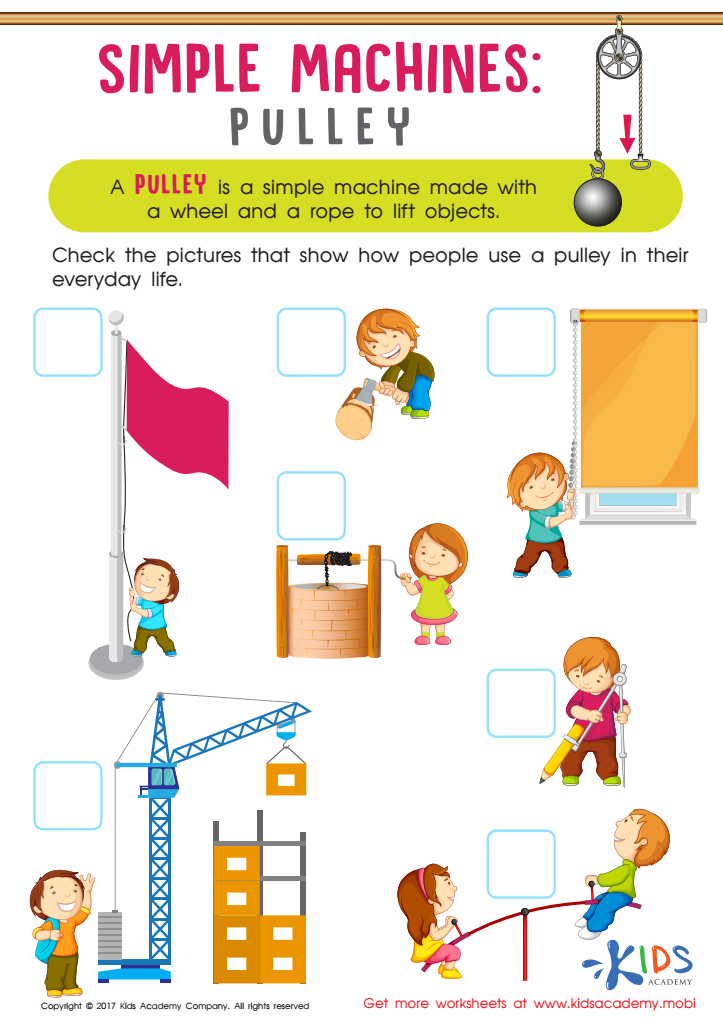
Simple Machines Pulley Worksheet
Pulleys make everyday life easier, from flag poles to elevators. This worksheet helps kids recognize and appreciate how pulleys simplify our lives. They'll learn about the many practical uses for these simple rope and wheel systems.
Simple Machines Pulley Worksheet
Worksheet
Join Kids Academy for Free
Who is primarily going to use this learning content?








Enhancing analytical thinking in children aged 6-7 is crucial for several reasons. At this developmental stage, children are naturally curious and full of questions about how the world works. Analytical thinking skills allow them to systematically process information, make sense of their experiences, and solve problems more effectively. By developing these skills, children learn to evaluate situations critically, consider multiple perspectives, and draw reasoned conclusions. This foundational thinking enhances their academic performance, as it is instrumental in understanding subjects like mathematics, science, and reading comprehension.
Effective analytical thinking also fosters creativity. When children learn to analyze and dissect problems, they can see beyond the obvious and explore innovative solutions. This ability is invaluable, allowing them to navigate complex challenges both inside and outside the classroom.
Moreover, strong analytical skills contribute to emotional and social development. By understanding the nuances of relationships and deciphering social dynamics, children can communicate more effectively and empathize with peers, leading to healthier interactions.
Parents and teachers play a key role in nurturing these skills through activities like puzzles, open-ended questions, and encouraging curiosity. By prioritizing analytical thinking, they give children essential tools for lifelong learning, personal growth, and future success in an increasingly complex world.








