Fraction conversion Worksheets for Ages 6-7
4 filtered results
-
From - To
Enhance your child's mathematical skills with our Fraction Conversion Worksheets for ages 6-7. Tailored for young learners, these engaging sheets introduce fundamental concepts of fraction conversion in a fun and interactive way. Watch as your little one confidently identifies, compares, and converts fractions through colorful and thoughtfully designed exercises. Each worksheet is crafted to align with their school curriculum, ensuring they gain the necessary skills to excel in mathematics. With our expertly designed resources, making fractions fun and relatable has never been easier. Start their fraction journey today with Kids Academy!
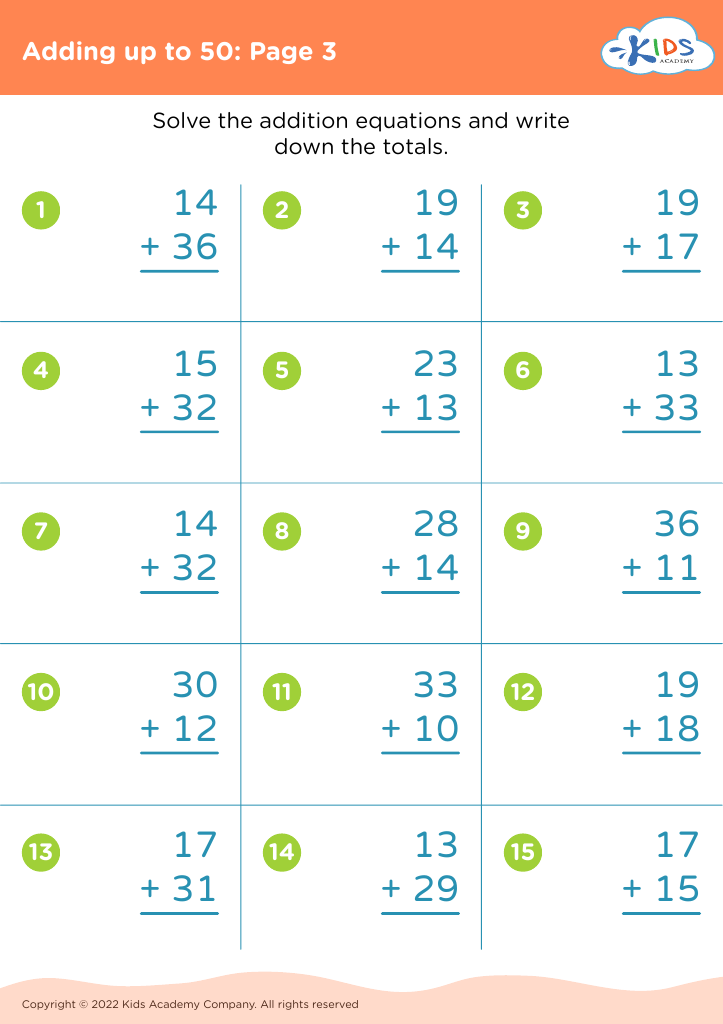
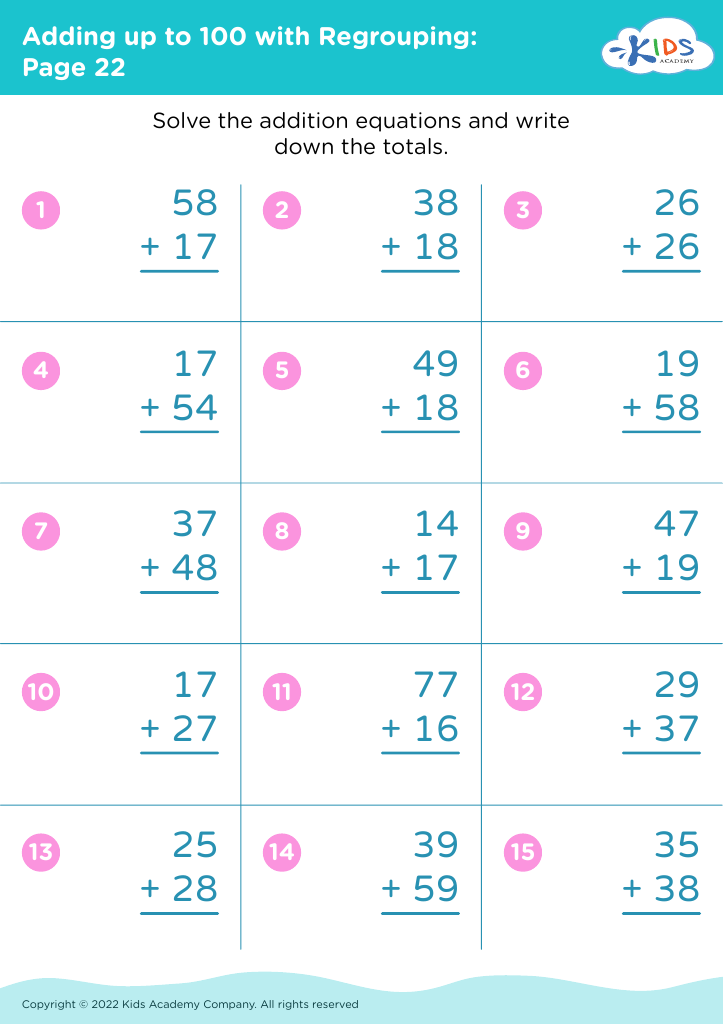
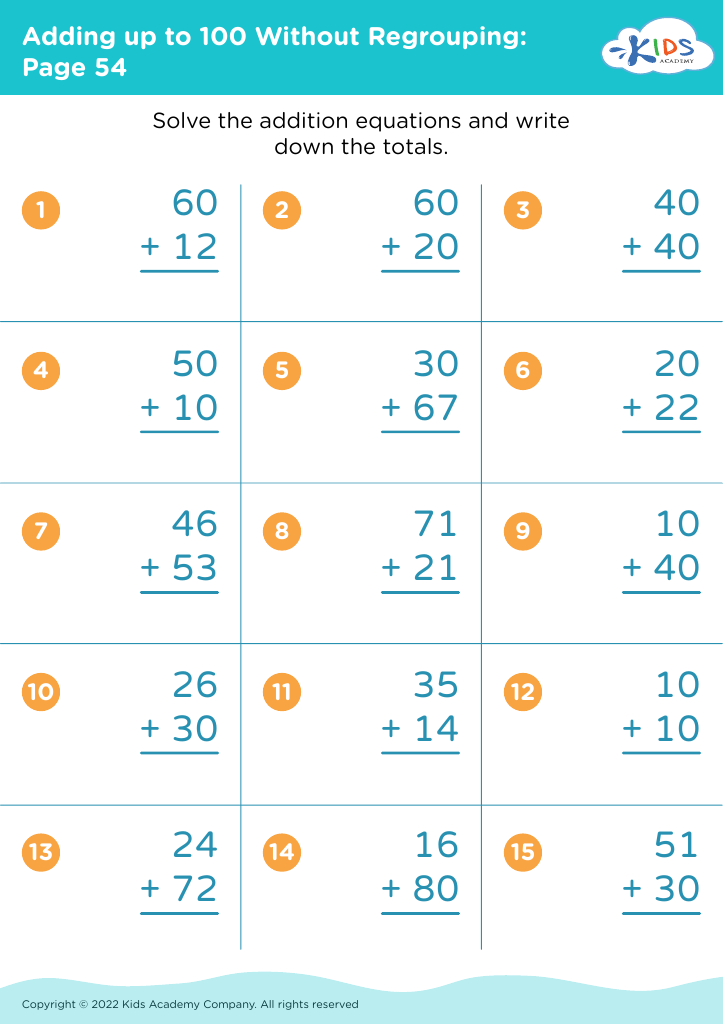
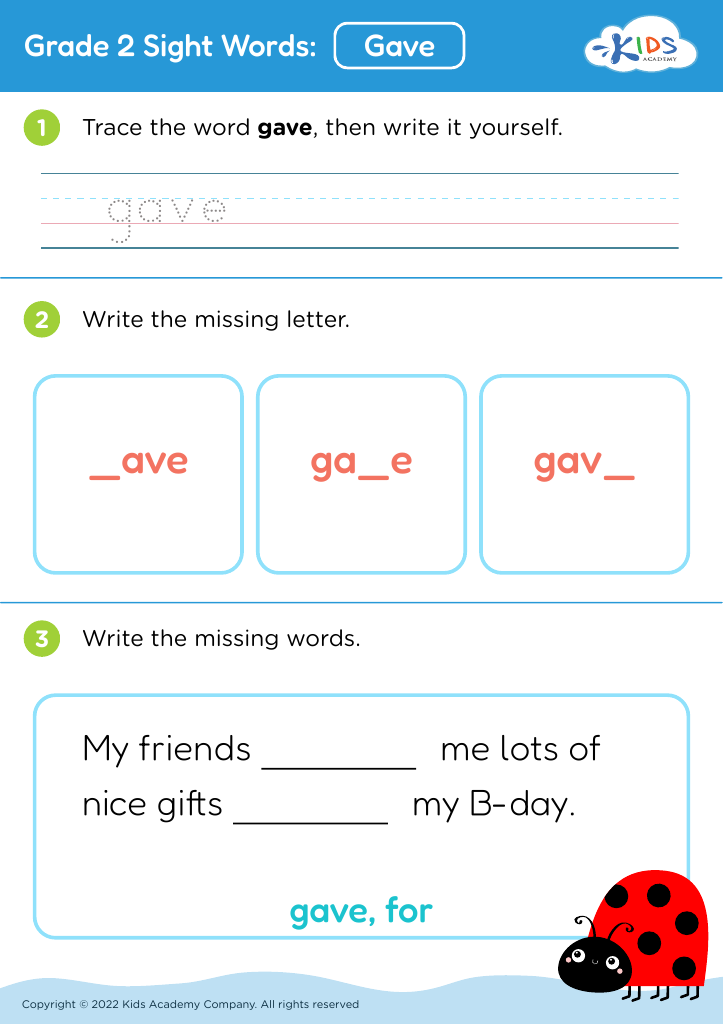





Understanding fraction conversion at ages 6-7 is foundational for building strong math skills, which parents and teachers should passionately support. Fraction conversion involves translating fractions into different formats, such as changing a half to 0.5 or 50%, which is vital since it connects multiple areas of math and real-life situations.
Early introduction to fractions fosters a strong number sense and prepares students for more advanced math topics, such as decimals, percentages, and division. When students learn fraction conversion at a young age, they develop critical-thinking skills and flexibility in dealing with numbers in various contexts. This foundation also promotes a seamless transition to advanced math concepts as students progress in their education.
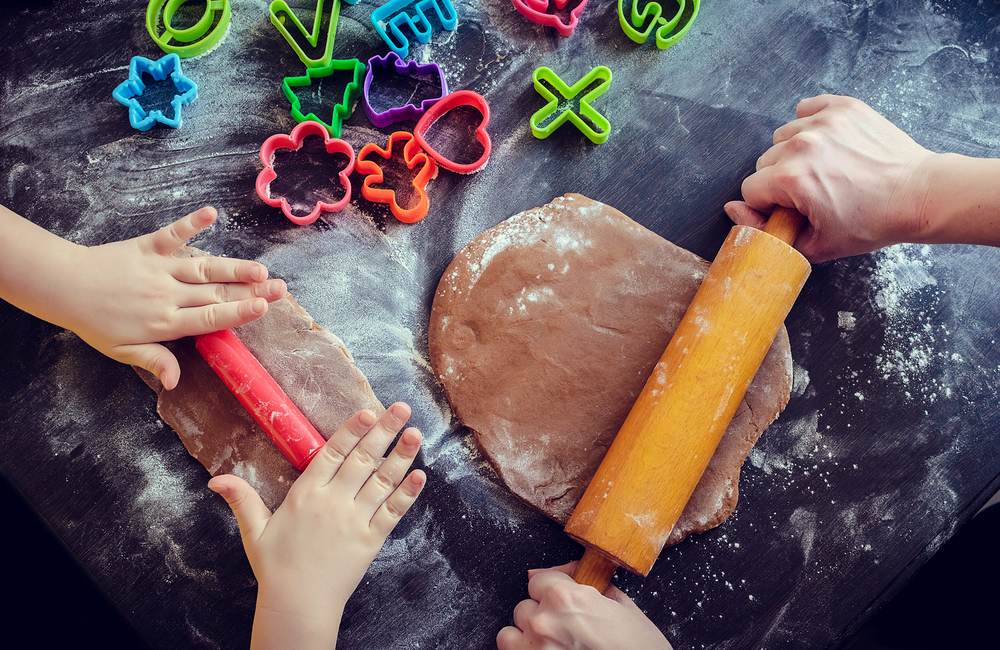
Moreover, practical applications of fraction conversions are encountered daily, from cooking recipes to understanding time and money. By grasping these concepts early, children are better equipped to navigate and interpret the world around them, making everyday tasks more manageable. Additionally, success in math boosts confidence and encourages a positive attitude towards learning, stimulating a cycle of ongoing achievement and enthusiastic engagement in academics.
Supporting early learning of fraction conversion not only paves the way for future academic success but also empowers children with essential skills for their day-to-day lives.








