Identifying characters Worksheets for Ages 6-7
3 filtered results
-
From - To
Discover engaging "Identifying Characters Worksheets for Ages 6-7" designed to enhance your child's reading and comprehension skills. These worksheets provide fun activities that help kids learn to identify characters in stories, fostering creativity and improving their understanding of narratives. With vibrant illustrations and age-appropriate prompts, children will enjoy exploring different characters and their roles within stories. Each worksheet encourages critical thinking and discussion, making learning interactive and enjoyable. Whether you’re teaching at home or in the classroom, our worksheets are the perfect tool to support early literacy development. Explore these resources today and watch your child's love for storytelling bloom!
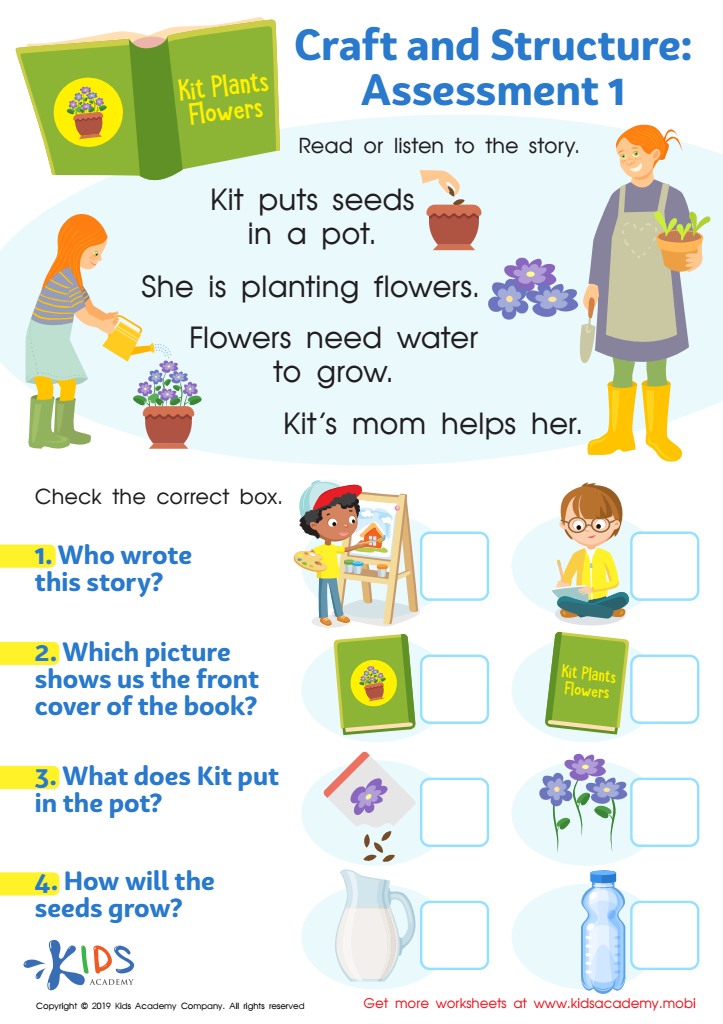
Craft and Structure: Assessment 1 Worksheet
 Assign to My Students
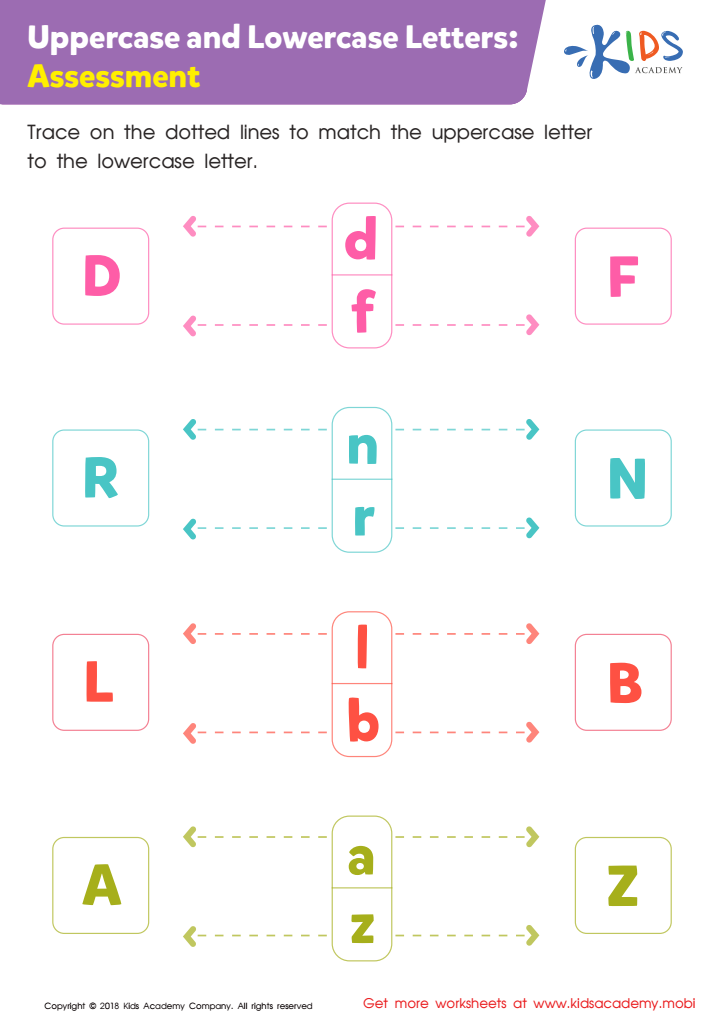
Uppercase and Lowercase Letters: Assessment Worksheet







.jpg)
Identifying characters is a fundamental skill for children aged 6 to 7, and both parents and teachers should prioritize its development. At this age, children are transitioning from learning to read to reading to learn. Recognizing characters helps them engage with stories, enhances comprehension, and promotes critical thinking. When children identify characters, they learn to understand various perspectives, emotions, and motivations, cultivating empathy and richer social skills.
Engaging with characters can also spark discussions between parents, teachers, and children, making reading a collaborative experience. This interaction not only strengthens literacy but also reinforces communication skills. Moreover, as children delve into different characters, they expand their imagination and creativity, making reading feel more like an adventure.
Additionally, identifying characters supports vocabulary growth as children describe traits, actions, and relationships within stories. This fosters a foundation for more advanced literacy skills as they progress in their education. Ultimately, emphasizing character identification in early education encourages a love for reading and storytelling, which can significantly impact a child’s academic journey and overall development. By investing time in this skill, parents and teachers can help children cultivate a life-long appreciation for literature and enhance their cognitive and emotional intelligence.








